

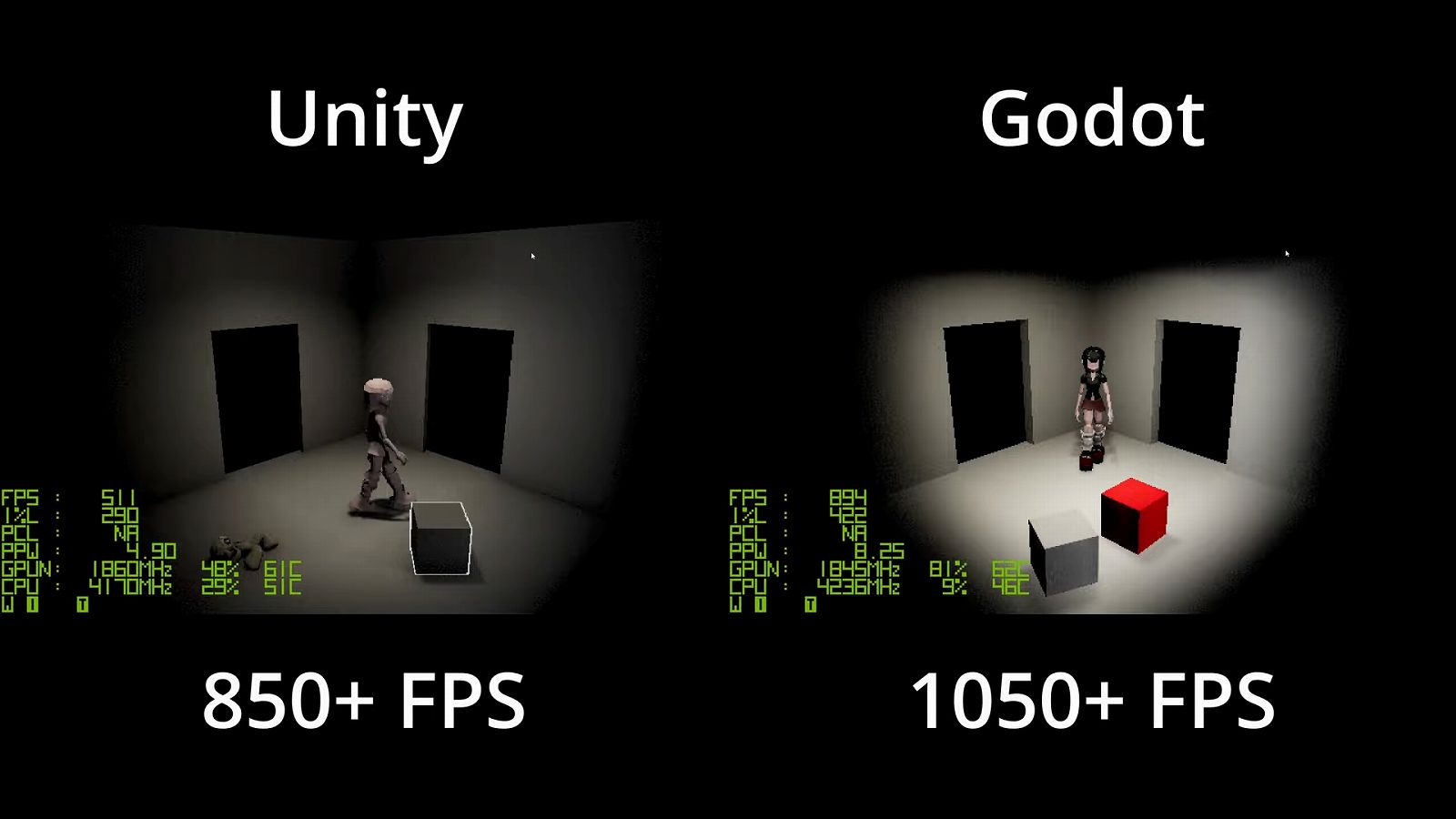
Game developer Thomas Grové posted a video on May 17 detailing his endeavor to build the same game in both Unity and Godot Engine in order to compare them. The video has since sparked extensive discussion among devs on Reddit about the strengths and weaknesses of the two engines.
Both Unity and Godot Engine are widely used general-purpose game engines, particularly among indie developers. In a survey conducted by the Game Developers Conference for this year’s “GDC Festival of Gaming,” Unity recorded a 30% adoption rate as developers’ primary engine, while Godot Engine came in at 5%. Although that’s a sizable gap, Godot has been steadily expanding its presence, with major hits like Slay the Spire 2 adopting it as of recently. As a result, it’s become increasingly important for developers to weigh their options when deciding on a game engine for their project.
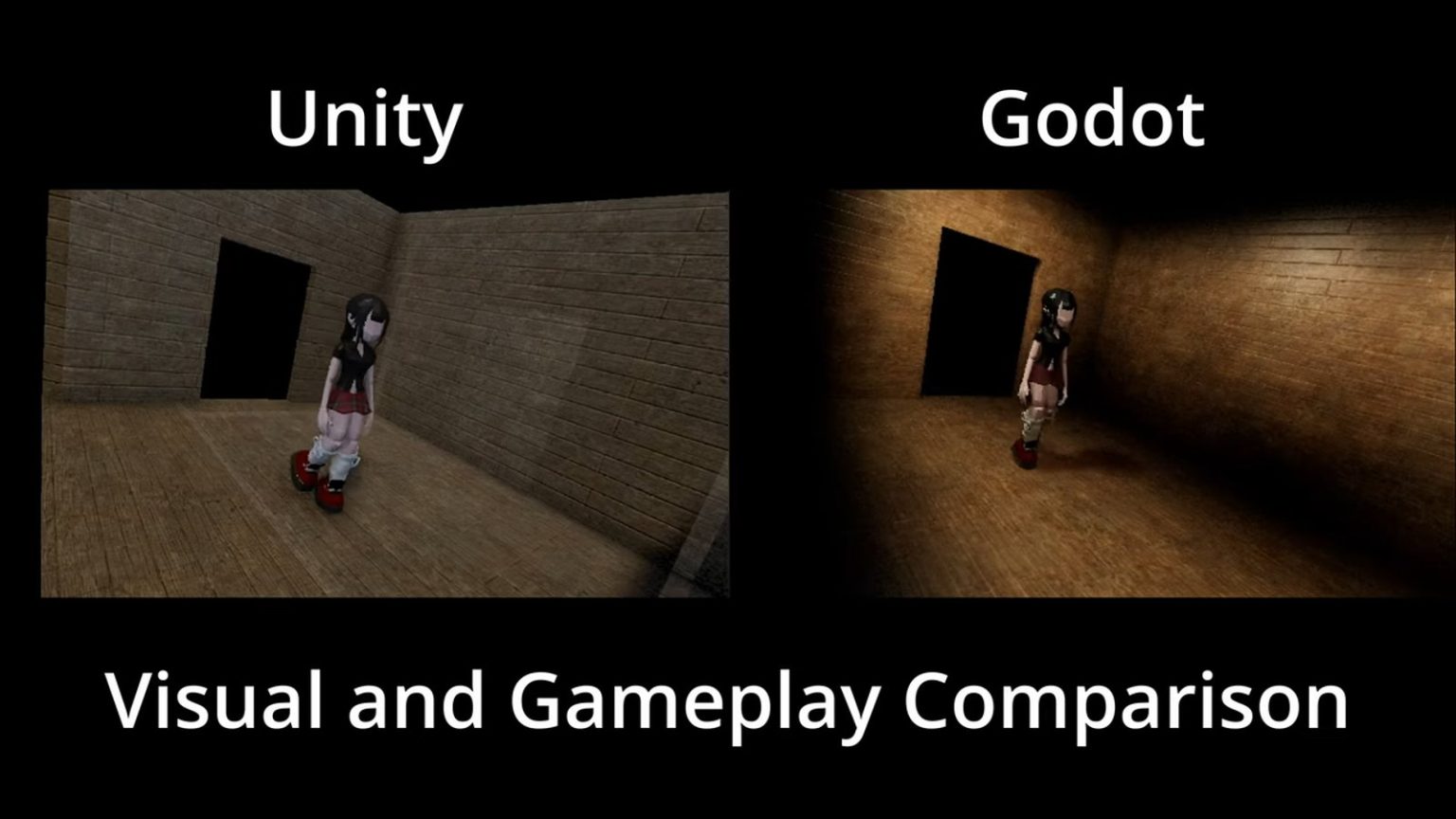
With that in mind, Grové explained that after completing the foundational systems for the horror adventure game he’s currently developing, he decided to recreate the same game in Godot Engine as well. His goal was to compare the two before deciding which engine to continue developing in for the final project, and he uploaded the video to share the insights he gained during the process.
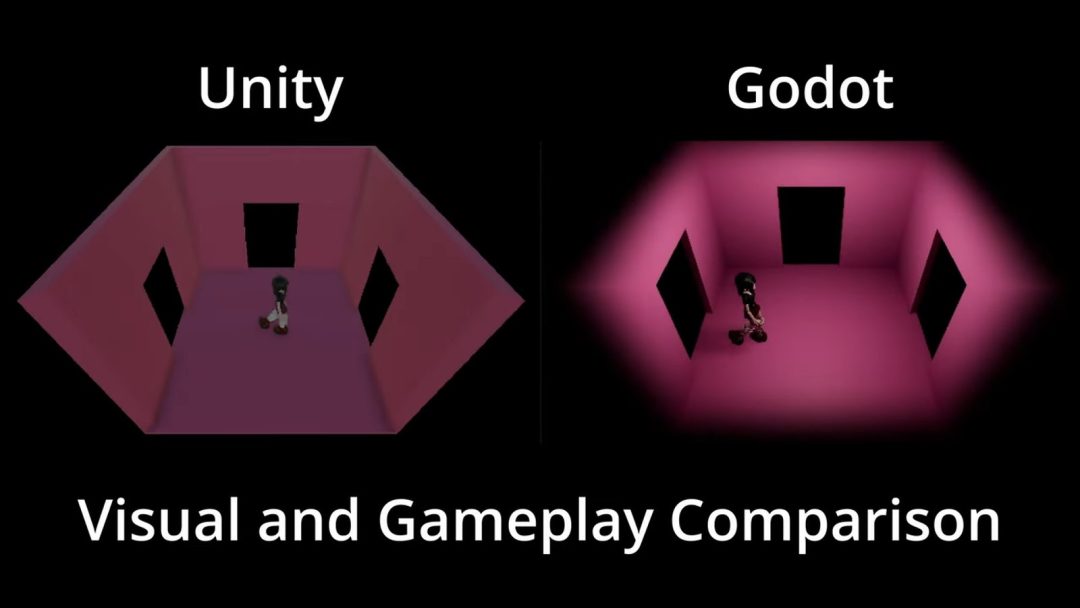
Due to inherent differences between the engines, the resulting games were not completely identical. However, Grové concluded that both engines were fully capable of creating the kind of game he wanted to make. When comparing framerates, he noted that although his target was 60fps, both engines achieved framerates several times higher than that. Even accounting for future graphical improvements, he believes both still have plenty of performance headroom.
The biggest differences highlighted in the video lie in overall usability. For starters, the storage space required to install the engines differed drastically. Unity, including Unity Hub and related components, required roughly 21GB of storage, while Godot Engine needed only around 164MB, which could be a deciding factor for developers with limited storage space.
Another major point was time required for script compilation, a process devs repeat over and over during development. In Grové’s tests, Unity took 15.4 seconds to compile scripts, while Godot Engine took just 0.31 seconds, which is a significant gap. This is likely due to Unity’s standard use of the compiled language C#, whereas Godot uses its interpreted in-house language GDScript, allowing for much faster iteration times. Grové remarked that one of the reasons he originally fell in love with Unity was “how instantly changes were reflected,” lamenting that things have changed significantly over the years.
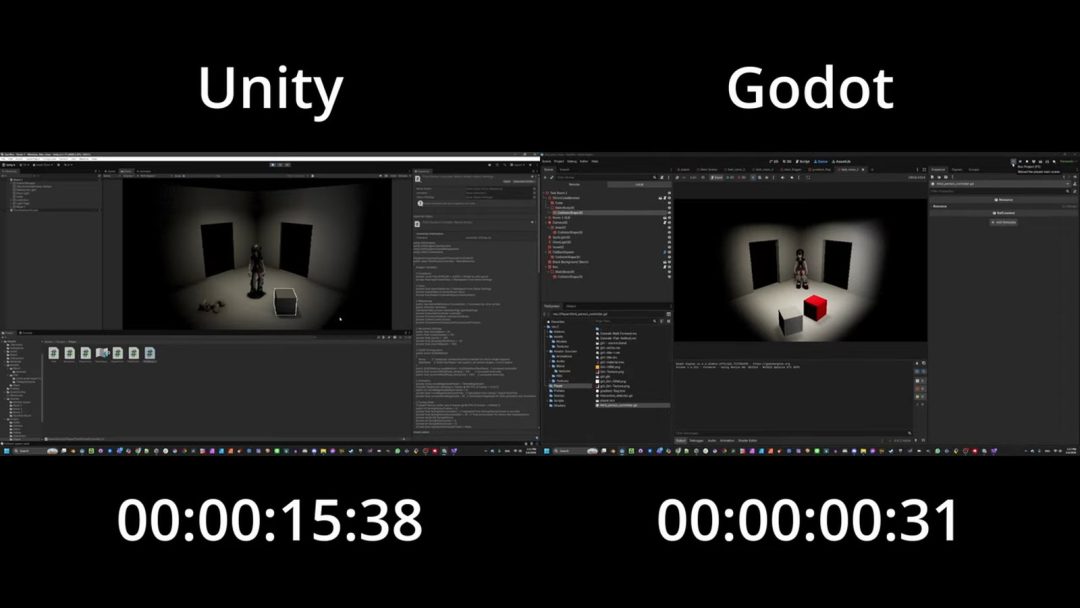
Unity’s performance was also weaker than Godot in both full game build times and game startup times. The gap was especially dramatic for the initial build, with Unity reportedly taking around 15 minutes while Godot completed the process in only 2.5 seconds.
After going through the various comparisons, Grové concluded that he plans to continue developing his game in Godot Engine. The video also discusses numerous other topics, including differences in the editor interface, the amount of work involved in importing 3D models, and the fact that Godot includes all assets in a project by default unless manually adjusted, resulting in unnecessarily large file sizes – so definitely check out the full thing on YouTube if you’re interested in the details.
Meanwhile, comments from fellow devs on Reddit and under the video focus heavily on Unity’s long build and iteration times, suggesting many users share the same frustrations. At the same time, some commenters pointed out that Godot’s performance can begin to degrade once projects come to house a large numbers of objects, while others questioned the validity of the comparison methodology itself. Ultimately, the video should be viewed as one individual developer’s anecdotal perspective rather than definitive proof. Even so, while Grové’s experiment may be somewhat labor intensive, it does suggest that developers who are undecided may benefit from simply trying out both engines themselves.
Currently, as indicated at by the previously mentioned GDC 2026 survey results, Unity still appears to hold the advantage for developers considering job opportunities and career mobility within the industry. However, Godot adoption has continued increasing year by year. According to Godot Foundation engineer Clay John, who spoke to us in February, even large studios are increasingly “switching over” to Godot Engine at key project milestones, so it will be interesting to see how developer sentiment changes going forward.
Related: Toyota announces open-source, “console-grade” proprietary game engine



My main gripe with Unity is the old ass .NET version you’re forced to use.
It makes the experience worse by a lot, considering that be it IL2CPP or Mono, you don’t benefit from the massive performance improvements in .NET over the past 8 years.
Godot meanwhile is just adoption, I sort of want to try it out one day when I have time but I’m not really compelled to learn it.
How does C# work in Godot? I wanna try using it someday but i don’t want to be obligated to use their coding language.
Besides the obviously different API, workflow is pretty similar to Unity, and performance is identical to the native GDScript for the most part (might be even faster at heavy calculations, I haven’t tested yet).
Also GDScript is heavily inspired by Python so it’s not like u need to learn a new language if u already knew Python. That said, not using curly brace in a setting where a class can have dozens of functions, and a function can sometimes last hundreds of lines, just feels wrong to me. So I chose C# and it has been a seamless experience so far.
unity isn’t one thing.
Unity ECS / DOTS and compute shaders are far faster than traditional unity Monobehaviors
Unreal Engines ECS isn’t as performant and Godot lacks ECS
but none of the three famous game engines are the “most performant” or “the most graphically detailed”. more performant game engines than Unity ECS/ DOTS, UE5.8 and Godot exist. Bevy and Stride ( formerly Xenko ) are far more performant and capable of larger numbers of in game objects than the 3 famous engines. Unigine can produce visuals that sometimes look better than Unreal Engine 5.
This just feels like a guy self reporting that his code and understanding of unity is dogshit. Meaningless dribble.
Really looks like they just learned a ton before moving on trying Godot. Of course the game is going to look better and run faster. Wack article.
Supposedly pretty decently according to reddit threads. Their own docs spages gave info on c# as well, but it does some have things you need to keep in mind which if you check reddit threads you’ll see what specifically
Without knowing how optimized both codebases are, this report carries zero meaning at all. All this informs me is that maybe one has an initial slight edge when walking in with a totally blank experience slate.
So which one should we use.?