

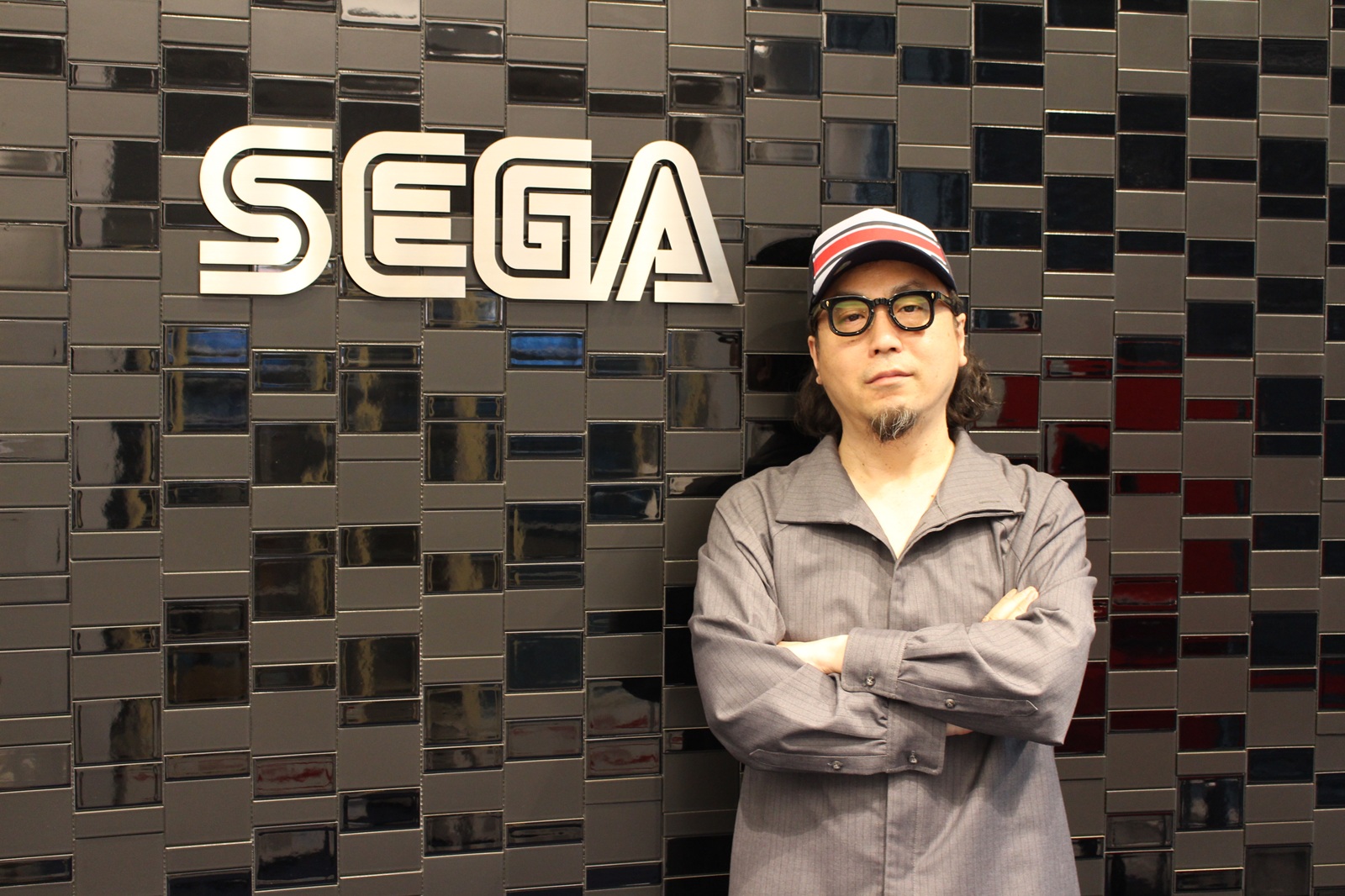
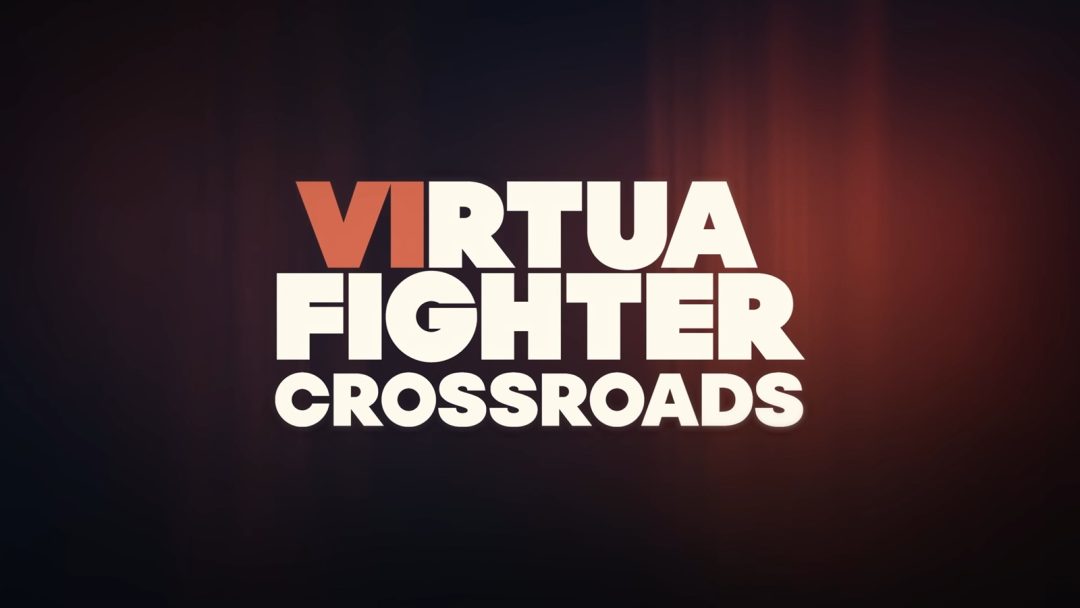
Sega has officially announced VIRTUA FIGHTER CROSSROADS, scheduled for release in 2027. The title was first unveiled back in 2024 under the working name “New VIRTUA FIGHTER Project,” and has now finally received its official title. A trailer was also revealed during Summer Game Fest 2026.
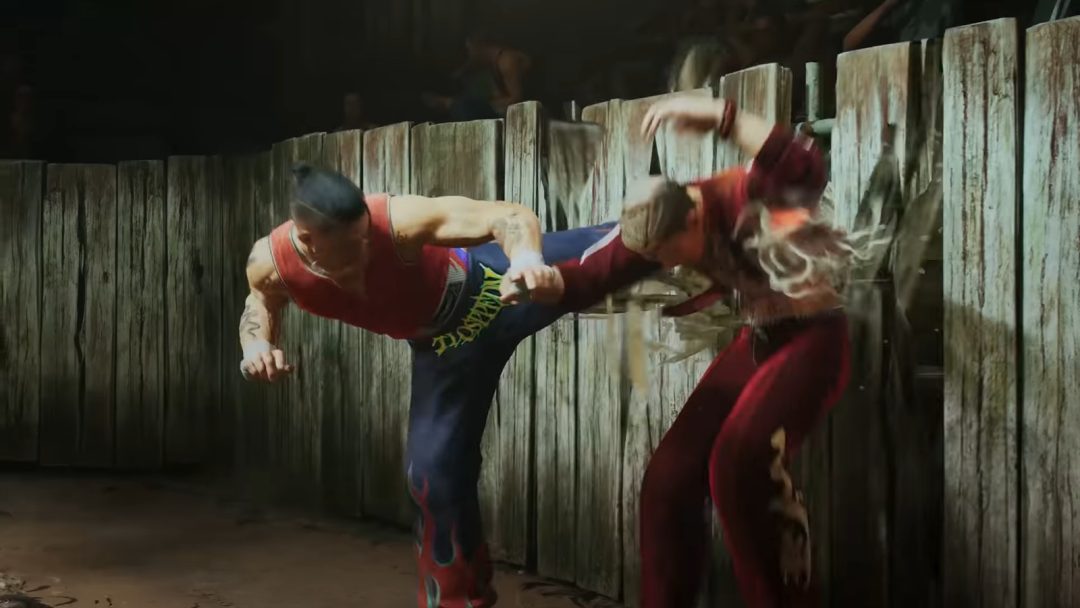
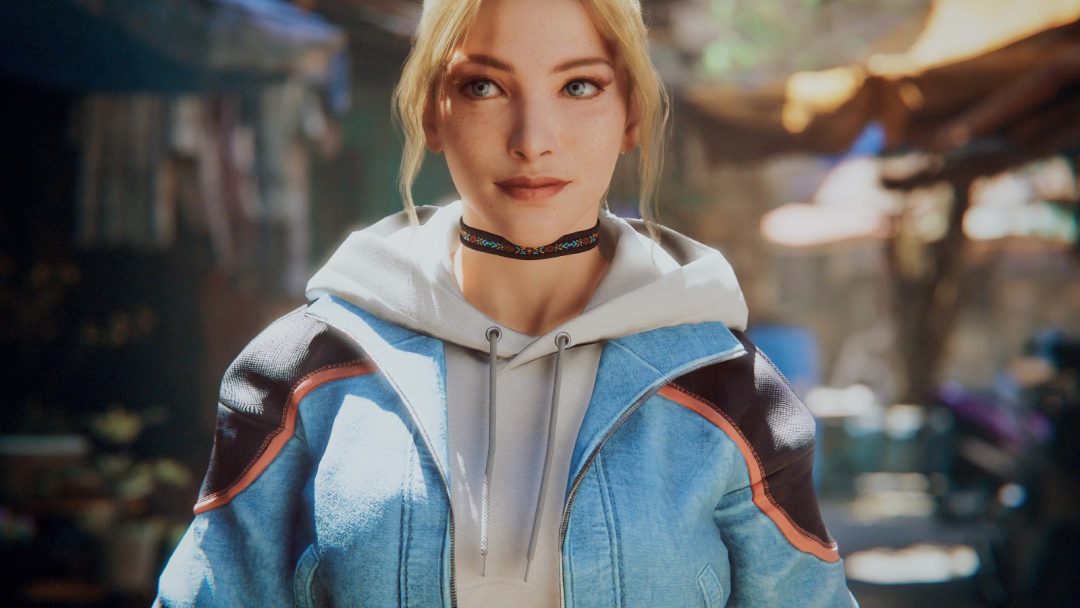
Additionally, during the VIRTUA FIGHTER CROSSROADS SHOWCASE, the dev team shared messages about the project and revealed part of the story, centered on a new progatonist named Cielo. The presentation showcased a single-player story mode in which players freely explore the fictional city of Villasapara, as well as the game’s evolved combat system.
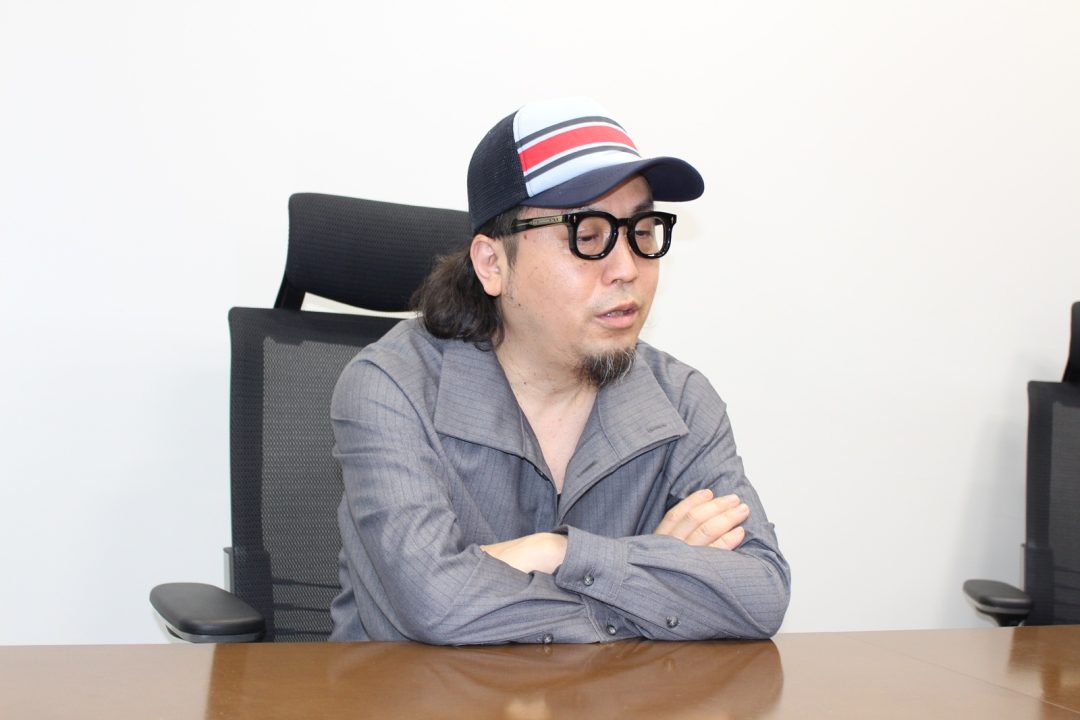
Ahead of the trailer’s release, AUTOMATON had the opportunity to speak with producer and creative director Riichiro Yamada, who told us about why the latest installment is titled VIRTUA FIGHTER CROSSROADS rather than Virtua Fighter 6, and how his team plans to evolve the series with what he describes as a “rebuilt Virtua Fighter.”
Making consoles the main battleground
—Unlike previous entries in the series, VIRTUA FIGHTER CROSSROADS isn’t numbered. Was there a particular meaning or intention behind that decision?
Riichiro Yamada (hereafter Yamada):
When we first announced the project, the official title hadn’t been decided yet, so we simply called it “New VIRTUA FIGHTER Project.” I think many, including people within the company, had a vague idea that it would eventually become “Virtua Fighter 6.”
Personally, however, I had a strong desire to create something new, and I didn’t want it to simply inherit the numbering. As we considered different ideas, VIRTUA FIGHTER CROSSROADS emerged as the title that best expressed the direction we’re aiming for with this game. This is a major turning point for the series, so we’ve also completely redesigned the logo.
—This entry will feature a dedicated story mode, and it seems you’ve enhanced the narrative presentation significantly. What role will this mode play within the overall game?
Yamada:
Since we’re releasing this title primarily for home consoles rather than arcades, I believe it would be pointless unless we delivered a substantial single-player experience. The Virtua Fighter series has traditionally evolved around arcades, but if we want a wider audience to enjoy it, we need to broaden the ways people can play it. That’s what led us to the game’s current format.
We’ve made similar efforts before, like adding a Quest Mode in Virtua Fighter 4, which ended up being well-received by overseas players as well. This time, we’re aiming to go a step beyond that, and rather than simply making a “single-player mode in a fighting game,” we’re aiming for something that can be enjoyable even as a standalone single-player experience. I’d also like to mention that while we’re placing major emphasis on this mode, we’re not neglecting competitive play by any means – we’re thoroughly working on both fronts.
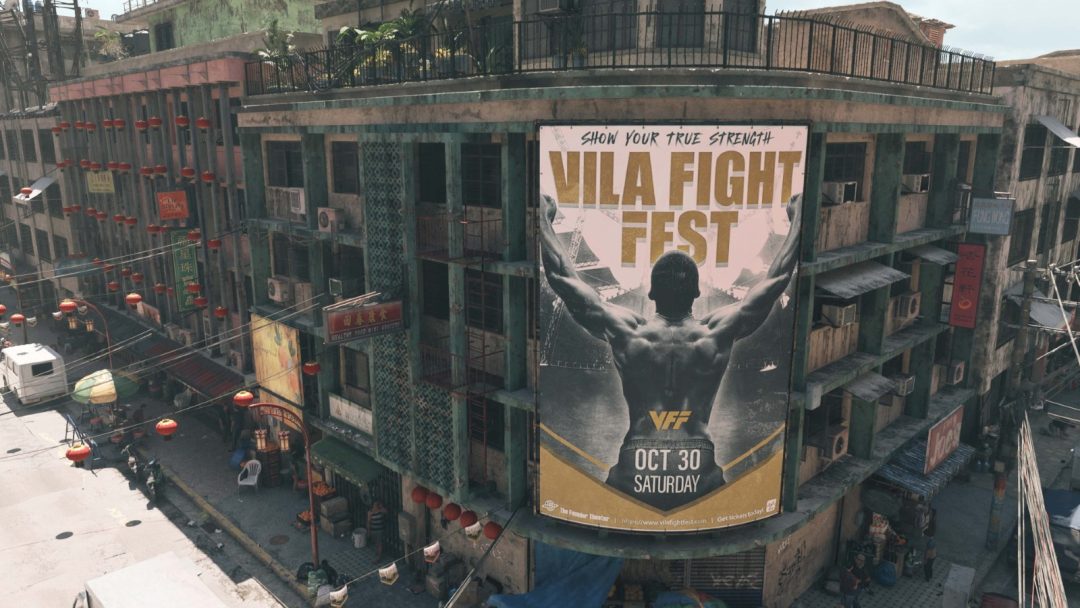
—The footage of walking around the city and fighting enemies has prompted some comparisons to Like a Dragon and even Shenmue.
Yamada:
We wanted to avoid making something that’s merely “a fighting game with a story attached to it” by actually introducing new gameplay elements. In that sense, hearing people say it feels like Shenmue is… kind of emotional for me. (laughs)*
In any case, we focused on creating an engaging story and a memorable player experience. Combined with the overall vibe and setting, perhaps that’s what led people to draw comparisons to Shenmue.
*Shenmue was originally developed under the working title “Virtua Fighter RPG.”
—The game introduces four new protagonists, including Cielo. Will legacy characters also play a role in the story?
Yamada:
Yes, that’s the plan. However, they won’t simply appear for the sake of it. Realism is very important to us for this project, and we want to depict how these characters have lived their lives during the long time that has passed in the game’s world. As a symbol of this, an older Pai Chan will also appear.
I’ve always believed that Virtua Fighter originated from a desire to portray martial arts with a sense of realism. Given that, I felt the story should also strive for realism. That’s why we’ve revamped the legacy characters, showing their age and maturity, while still incorporating them into the narrative.
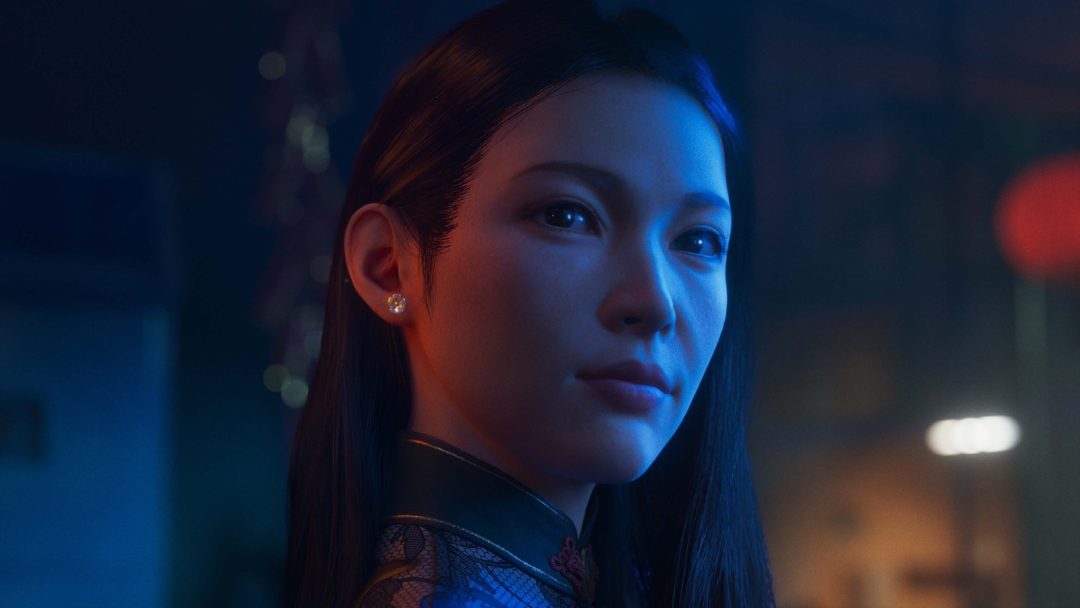
—That’s certainly noticeable. In previous games, Pai looked very young, so it took me a moment to recognize her when she first appeared in the trailer.
Yamada:
Pai is probably the most symbolic example of how much time has passed since the previous games. I also felt that now is a good time to portray a cool, mature woman. Similarly, with Wolf, whom we introduced last year, in addition to the rugged charm that comes with age, there’s a backstory explaining why he ended up looking like an American wrestler and taking on that kind of appearance.
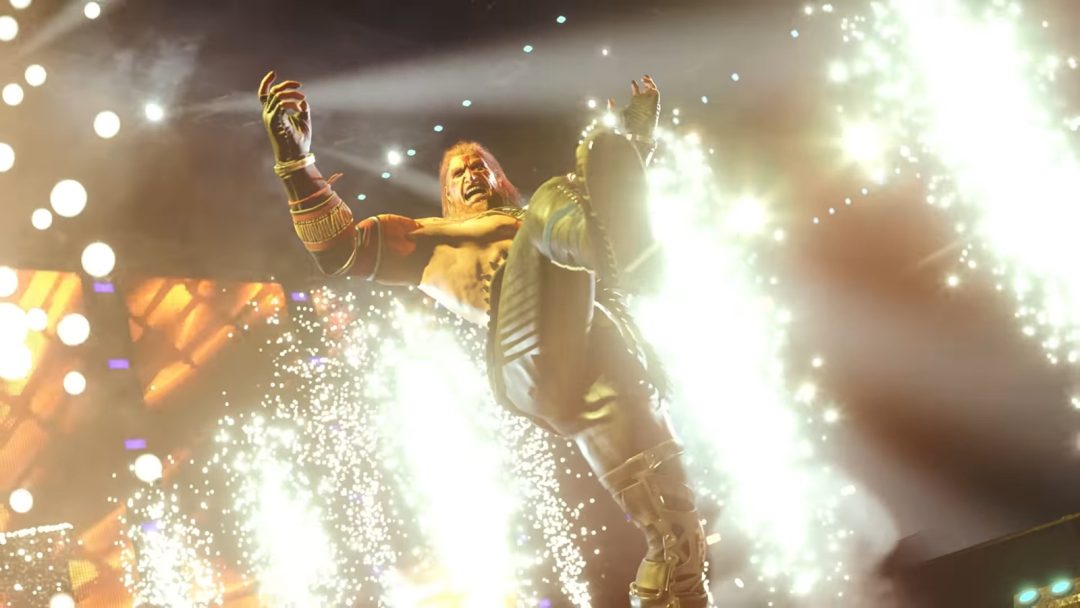
—Could you tell us about Cielo’s fighting style?
Yamada:
Cielo is primarily a striking-focused mixed martial arts (MMA) fighter whose style is rooted in boxing. Virtua Fighter has been heavily influenced by kung fu films, with many past characters using various forms of Chinese martial arts. This time, however, we wanted the protagonist to use a more contemporary fighting style, so we decided to incorporate boxing and MMA.
—Will the four protagonists, including Cielo, be playable in versus modes as well, or are they exclusive to the story mode?
Yamada:
They’ll be available as playable characters, of course. Since all four are protagonists, you can control each of them, and I hope players will meet the characters through the story and then take them directly into versus play. We’re also designing the game so that what players learn in single-player naturally carries over into competitive matches.
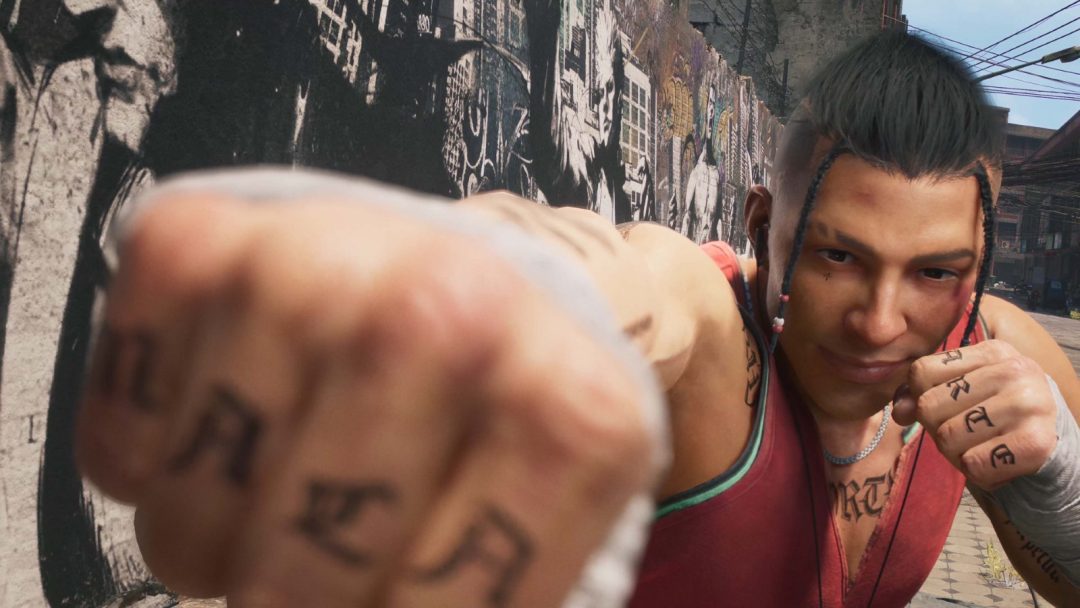
—You’ve revealed that the story takes place in the fictional Southeast Asian city of Villasapara. Southeast Asia isn’t a setting we often see in games, so could you tell us about why you chose the region?
Yamada:
When we started thinking about portraying a realistic world, I felt that Japanese cities had already been depicted many times in the Like a Dragon series, and because of all the buildings, they can come off as a bit sterile. I wanted a setting with a multinational atmosphere and a unique kind of energy, but if we were to set it in Europe or North America, it might not feel authentic when created from our perspective. So, Southeast Asia emerged as the most suitable choice, also taking into consideration feasibility.
Also, partly because of my memories of visiting Thailand as a student, I’ve always found the streetscapes and atmosphere of Southeast Asia to be captivating, with their blend of vibrant energy and diverse cultures. I feel that this energetic vibe aligns perfectly with the worldview and realism of the game.
—Could you tell us about the scale of Villasapara?
Yamada:
Villasapara itself is quite large, and the island it’s located on is large as well. To give you an idea, think of it as having multiple districts comparable in size to Like a Dragon’s Kamurocho – there are several substantial areas.
We’re also introducing what we call the “Crossroads Style.” Rather than simply following the story, we’re experimenting with new gameplay. As a result, even just the main story will likely offer a good deal of playtime before you complete it.
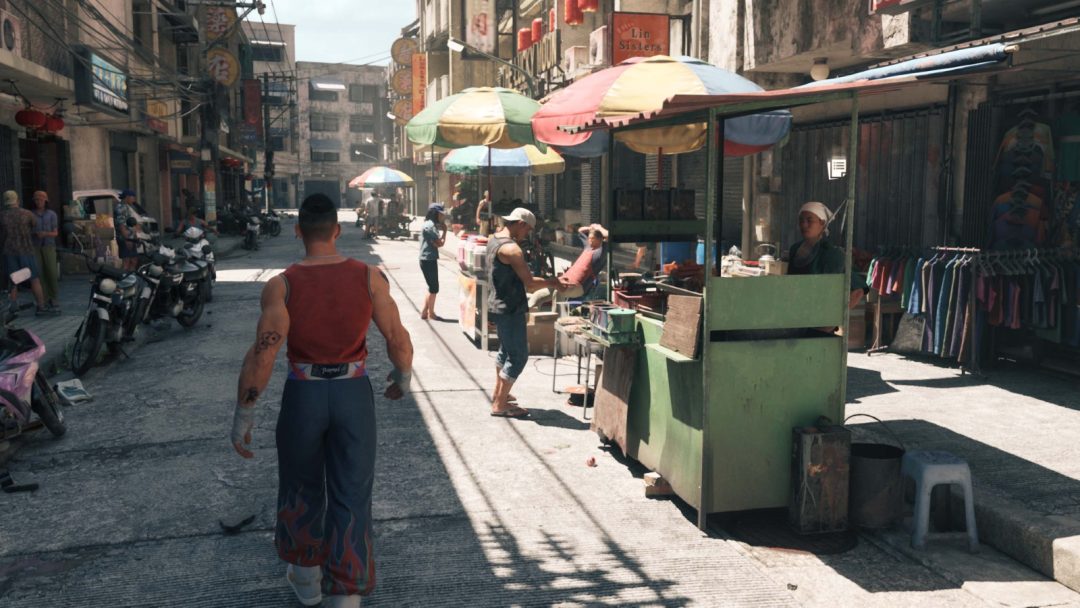
—You’ve described the Crossroads Style as a new kind of experience. What can you tell us about it at this stage?
Yamada:
I can’t go into specifics yet, but we’ve been refining various mechanics and have largely settled on our final direction. We’re working hard to work in the ideas that made us go, “This would be so much fun.” We’re trying to create gameplay that goes beyond simply following the story, and I’m looking forward to sharing more details in the future.
—Will the controls and rules differ between the story mode and versus play?
Yamada:
I believe they will fundamentally be the same. We want players to take the controls and mechanics they learn in single-player and bring them directly into matches. Of course, there may be some adjustments unique to the single-player campaign, but we’re not aiming to create two separate games, but rather connected parts of the same experience.
Creating a new Virtua Fighter story with overseas writers on board
—I understand that this time, the story isn’t being written solely by Sega staff, with overseas writers such as David Hayter and Brad Kane also on board. Why did you decide to bring in external creators?
Yamada:
One of our goals with VIRTUA FIGHTER CROSSROADS was to focus on things other than the anime- and manga-inspired style commonly associated with Japanese pop culture. The setting is Southeast Asia, and we wanted to tell a story with the kind of realism you’d find in overseas films and dramas. Of course, Japanese writers can create that kind of story as well, but I felt that drawing on the perspectives and sensibilities of overseas writers would help make the drama feel more natural.
Cielo, the protagonist of this story, has a complex background. For writing a character like that, I felt that the viewpoint of overseas writers would be particularly well suited, so we gathered international writers for the task.
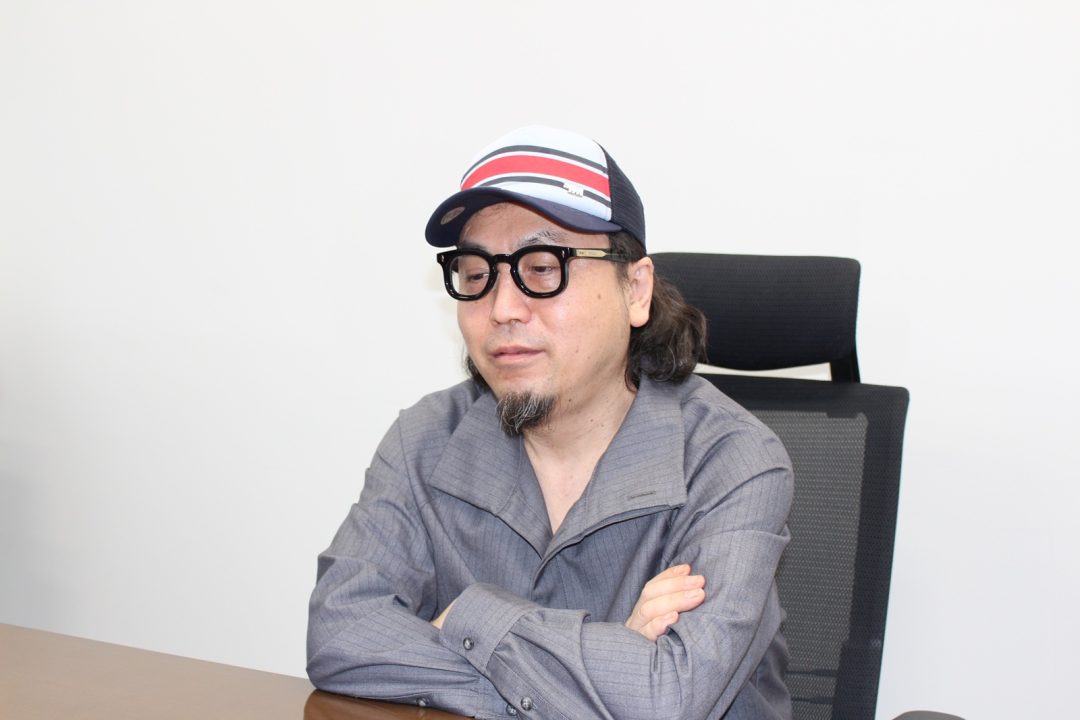
—How were the participating writers ultimately decided?
Yamada:
Through a writing audition. We had around ten candidates, and after reviewing the submitted scripts as a team, Brad’s work really stood out to us.
The submissions were anonymous when we read them, so we judged purely based on the writing itself. Brad’s work made us think, “This writer is incredible.” Only afterward did we learn that he was the very Brad Kane who had worked on Ghost of Tsushima and As Dusk Falls, which was a huge surprise.
—That’s an impressive person to encounter through an audition.
Yamada:
It certainly is (laughs).
—How did David Hayter come aboard?
Yamada:
David has what you’d call a very “Hollywood” perspective, and what stood out about his writing was its flair. We had originally decided that we wanted Brad to handle the writing, but we thought it would be interesting if the two could work together, so we approached David about joining the project, and he was really positive about it.
—What roles did each of you handle during development?
Yamada:
The worldbuilding was done by me. David’s role was to provide feedback on the setting and worldbuilding from an international perspective. He would offer opinions on things like how overseas audiences might perceive certain concepts, as well as feedback on the overall tone of the work. As for the major character backgrounds and the structuring of the plot, that was primarily handled by myself and Furuta (Tsuyoshi Furuta). We focused on questions such as what kind of people the characters should be and what direction the story should take.
From there, Brad took charge of writing the actual scenario. That said, the writing process wasn’t completely divided into separate responsibilities. We worked on things collaboratively, while exchanging opinions like, “This part of the story would work better if we changed it,” or, “Wouldn’t this feel more natural like this?”
Yamamoto (Shinji Yamamoto) joined the project partway through development, and his biggest contribution was helping flesh out the characters in greater depth. He worked extensively on details such as what qualities the protagonists should embody and figuring out whether players would be able to empathize with them. Rather than having a single genius create everything, we have clearly defined roles while maintaining a flat team structure where everyone exchanges ideas openly. Of course, when we can’t reach a conclusion, I’m the one who ultimately makes the final call (laughs).
Preserving the philosophy of an “intuitive game” while rebuilding the battle system
—Previous VF titles were known for their simple control scheme built around three buttons and a directional stick. Is that sense of accessibility still a priority for you?
Yamada:
We’re placing particular importance on the series’ key “concepts.” One of the fundamental strengths of Virtua Fighter is that intuitive feeling where pressing the punch control makes your character punch, and moves come out naturally even when you’re playing casually. That immediate, instinctive sense of satisfaction is at the core of Virtua Fighter. Being simple, easy to understand, and intuitive to play has been an important characteristic of Virtua Fighter since the very first game. Likewise, the design philosophy that “anyone can pick it up and play intuitively” remains something we value deeply.
—The in-game footage released so far also showed elements reminiscent of past entries, such as escapes. How much of the existing system is being carried over?
Yamada:
As the series evolved over time, some aspects inevitably grew more complex. With that in mind, we’re currently rebuilding and reorganizing those elements, and sometimes replacing them with new systems. While pursuing what’s most fun, we also want to revisit and refine the “simple yet deep” aspects that define Virtua Fighter.
—This showcase didn’t provide any new details about the new “Uprising” rule. Can we expect more information to be revealed later?
Yamada:
Before we get into that, there are significant revisions and evolutions happening in VIRTUA FIGHTER CROSSROADS overall, within the battle system itself. Once we’ve properly explained and organized those core elements and players have a solid understanding of the foundation, we’d like to start revealing more details about Uprising.
—Thank you very much.
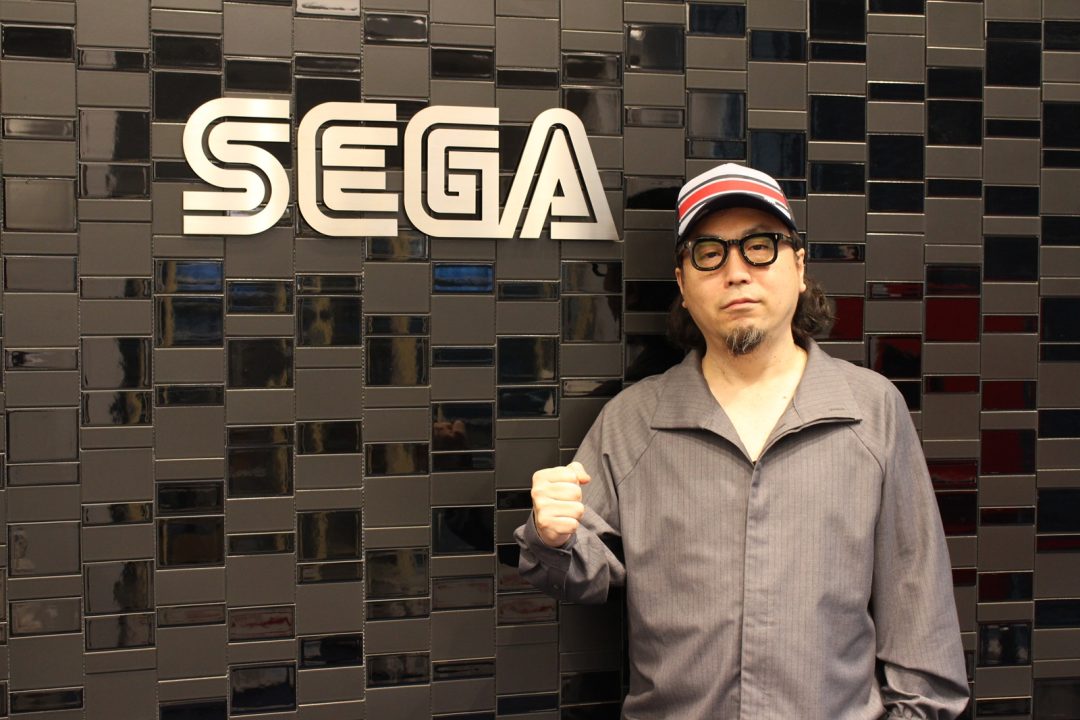
With this interview, Sega has revealed that the series is undergoing a kind of rebirth under the title VIRTUA FIGHTER CROSSROADS, moving away from the traditional numbered naming convention. Yamada spoke not only about the game’s ambitions as a competitive fighting game, but also about the extensive effort being invested in its single-player experience and the reasoning behind that shift in direction.
While many details still remain under wraps, with new systems and a reimagined approach to the series, expectations are already high for the long-awaited return of Virtua Fighter.
VIRTUA FIGHTER CROSSROADS is scheduled for release in 2027.
[Interviewer, writer: Hiroshi Hirose]
[Editor: Kosuke Takenaka]

I mean it’s still got a 6 on its official title logo.
Would never buy a game associated with sega they publish games then abandon them. I paid £60 for COH3 for it to be abandoned 2 weeks later.
Any news on the new Jet Set Radio, idolmaster, and lovelive? Sonic heroes remake?