

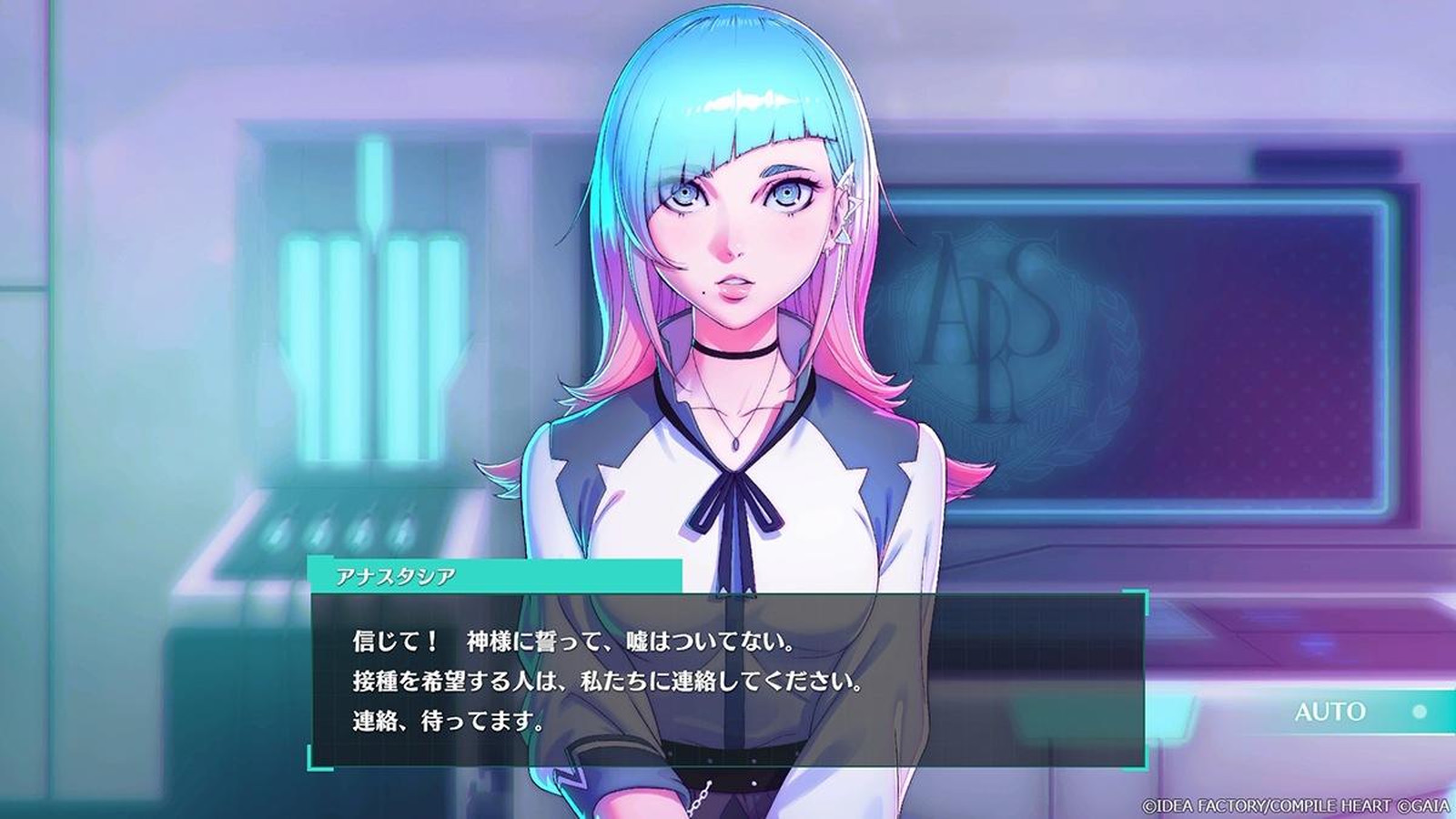
Published by Compile Heart, Villion:Code is just around the corner, set to launch in Japan on June 25 for Nintendo Switch 2, Nintendo Switch, PS5, and PS4 (digital-only).
Villion:Code is a school-themed JRPG set in an academy city dedicated to training individuals to save the Earth from impending extinction. The story begins when the city is suddenly sealed off from the outside world. Trapped in isolation, the students must confront strange anomalies engulfing the city and fight off people who have transformed into monstrous creatures. Amidst these dire circumstances, each character is forced to face the “karma” they carry. Gameplay revolves around action-based combat, peculiar tube-shaped dungeons, and “Genome Editing” among other mechanics.
Villion:Code is designed and produced by Kouji Okada, known as the co-creator of the Megami Tensei and Persona series. The scenario is penned by Tadashi Satomi, another Atlus veteran and longtime collaborator of Okada, while the soundtrack is composed by Tsukasa Masuko, also of Shin Megami Tensei fame. The character design is helmed by illustrator Ilya Kuvshinov, known for his involvement in Ghost in the Shell: SAC_2045.
AUTOMATON recently interviewed Okada and Kuvshinov to find out more about how they created the characters and visual identity of Villion:Code. While this part of the interview focuses more closely on Kuvshinov, you can check out part one of this interview for our detailed talk with Okada.
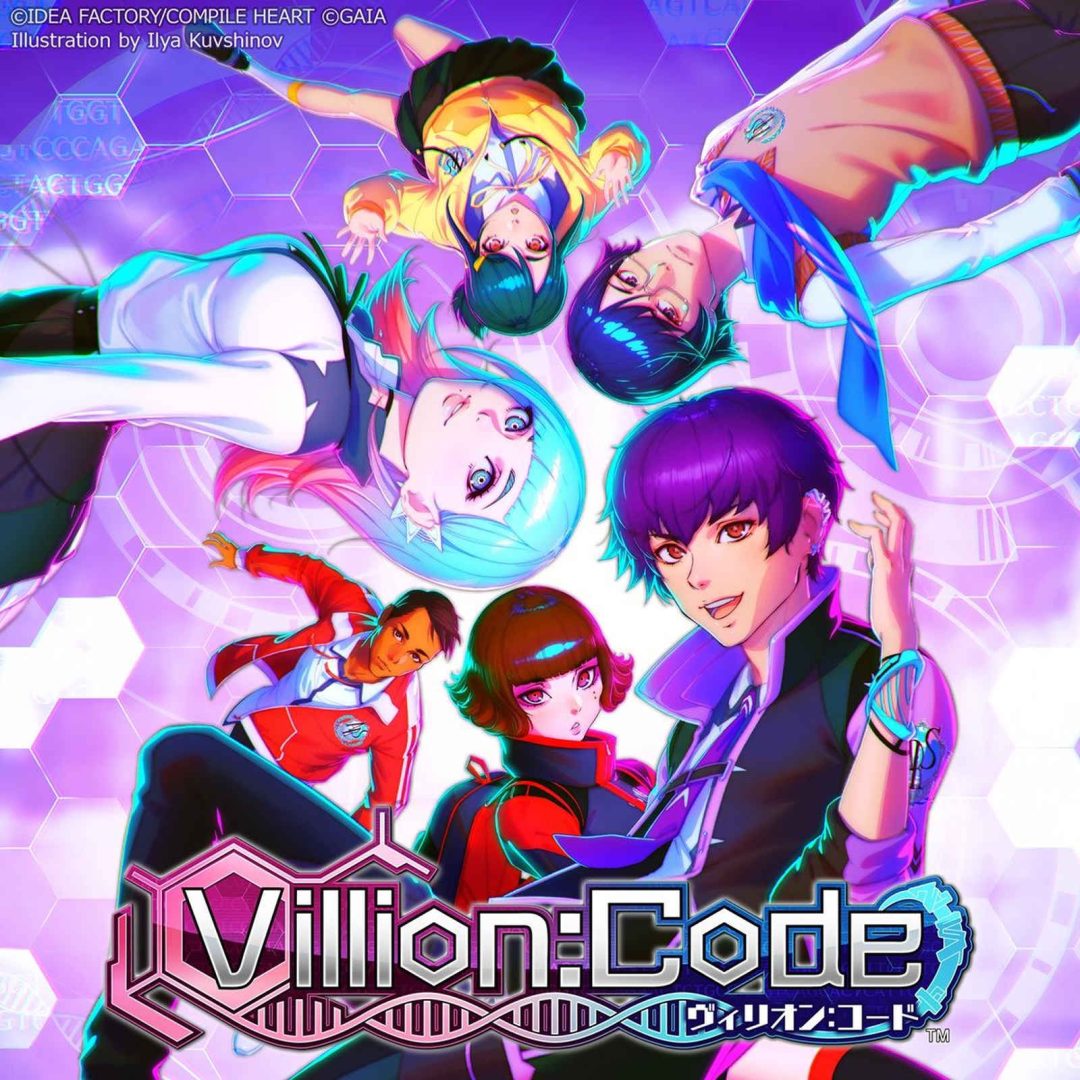
Designing a character is like designing a book cover
One of the major defining characteristics of the Villion:Code cast, which reflects Kuvshinov’s personal artistic preference, is a consistent use of dual-colored rim lighting across both character portraits and 3D models. Characters are typically lit with cyan on one side and magenta on the other. While this stylistic choice is meant to add visual interest too, it’s not there only for aesthetics. According to Kuvshinov, the contrast of colors reflects a thematic duality inherent to humans, representing the “natural side vs the side controlled by science” and “destruction vs creation.” Additionally, since every character shares this visual trait regardless of gender or background, it’s a way of suggesting a common “DNA” shared by all humans.
Kuvshinov also made deliberate deviations from this rule. For instance, the character Phantom Lady has a much less pronounced rim lighting, which is supposed to subtly raise doubts and make you question whether or not she is human at all.
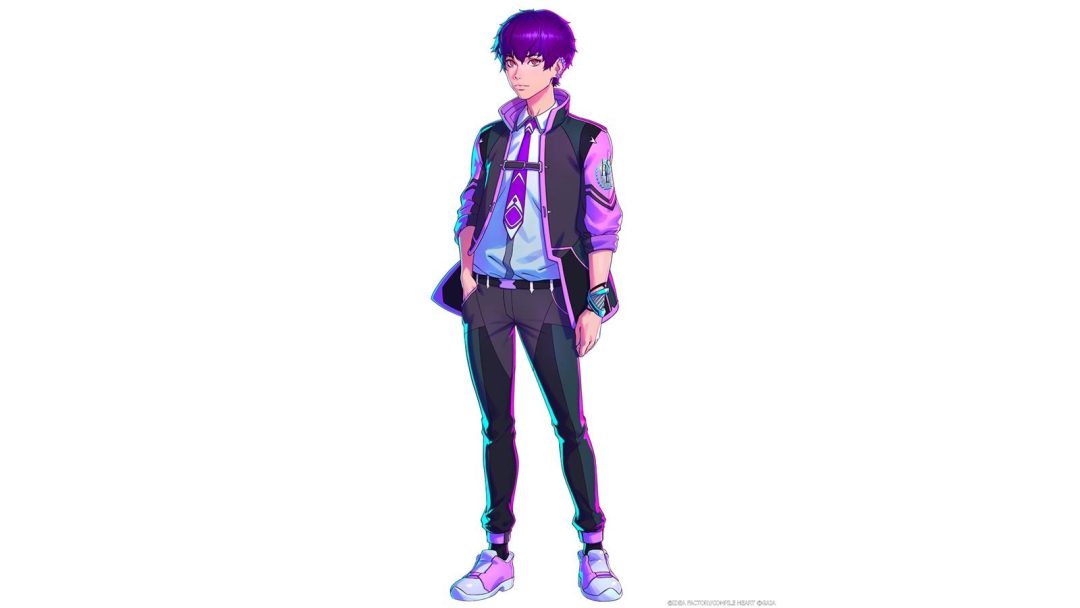
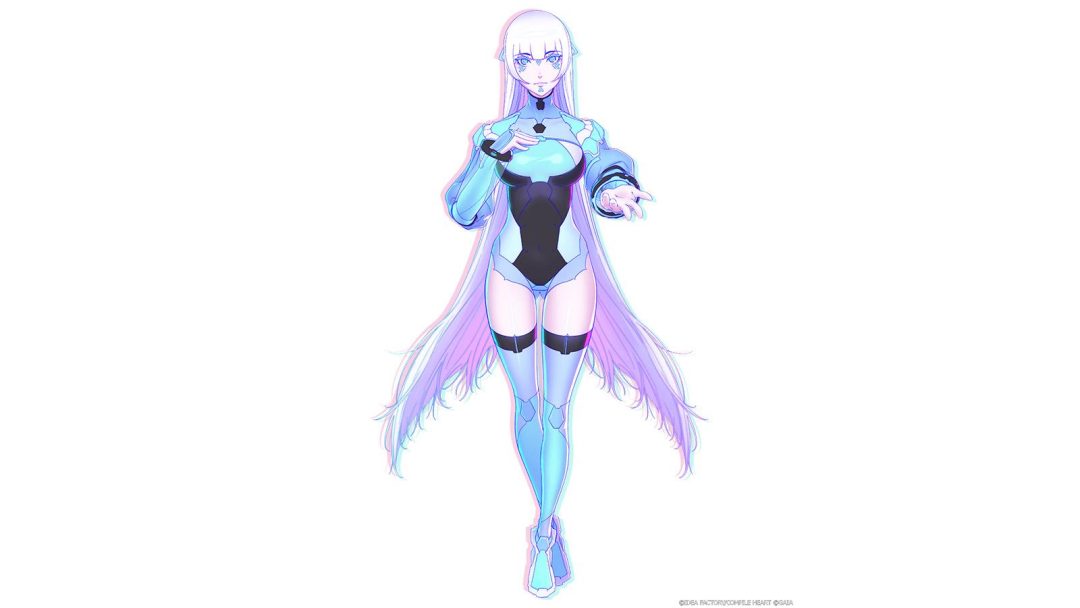
Eyes are another part of Villion:Code you’re going to want to pay attention to. This is another aspect Kuvshinov was particular about, and it’s what gives each character individuality beyond other physical characteristics like hair color or face shape. Rather than plain black pupils, each character’s eyes reveal colors and patterns unique only to them.
While some of the details in Villion:Code’s designs might be small and inconspicuous, Kuvshinov says each decision is there to convey clues and information about the characters. “When looking at a design, you might just think ‘That’s a picture of a character,’ but in reality, you’re unconsciously picking up on even the smallest design details. You might form an impression such as, ‘This character’s face is hidden by their hair, so perhaps they’re a bit shy and want to hide themselves.’ People tend to form a vague idea of what someone is like based on their first impression, don’t they? Of course, it’s not right to judge people by their appearance. For example, you can’t know the entire contents of a book just by looking at the cover, but the cover’s role is to convey an impression of what the book is about. When it comes to character design, I consider my job done if the character’s personality is evident from their appearance. For instance, with Anastasia, you might think, ‘This person must be a cosplayer who streams and probably has lots of followers,’ or with Sushiro, ‘This person looks strong, somewhat clever, and like someone you can rely on.”
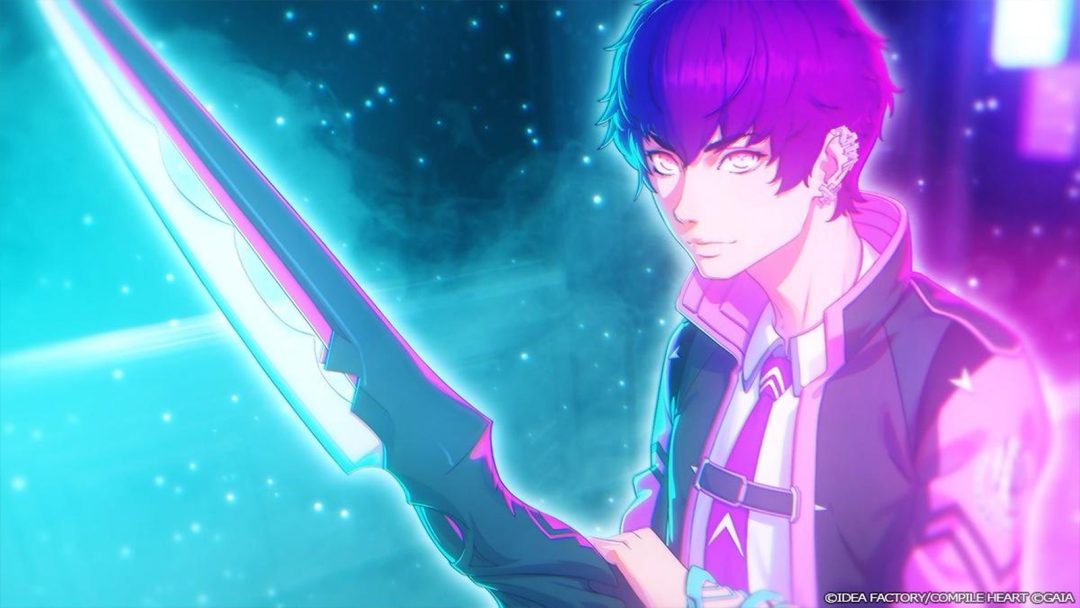
This same intent is reflected in details like the ear-pieces, called Manas Helix, worn by each character in Villion:Code. Kuvshinov designed these to be customized based on personality, drawing from the way people personalize their phones in real life. Even hair highlights are varied between soft, rounded shapes to sharper or droplet-like forms to differentiate characters’ temperaments at a glance.
Gene-mutated monsters and “human karma”
When it comes to designing Villion:Code’s monsters, the process took a lot of trial-and-error. Kuvshinov says his early prototypes were rejected on the grounds of being too cute (and the one he showed us in person was quite round and endearing too), which helped him realize that, being creatures destined to be killed in-game, the monsters had to look the part. He then proceeded to go too far in the opposite direction (he showed us a gory monster design with limb-like appendages growing out of an open skull) and got told “Please stop, this is horrifying.”
The final approach Kuvshinov ultimately went for centers on a hybrid concept: creatures formed through a fusion of human and animal DNA. Some retain recognizable human features, while others lose them entirely as mutation progresses.
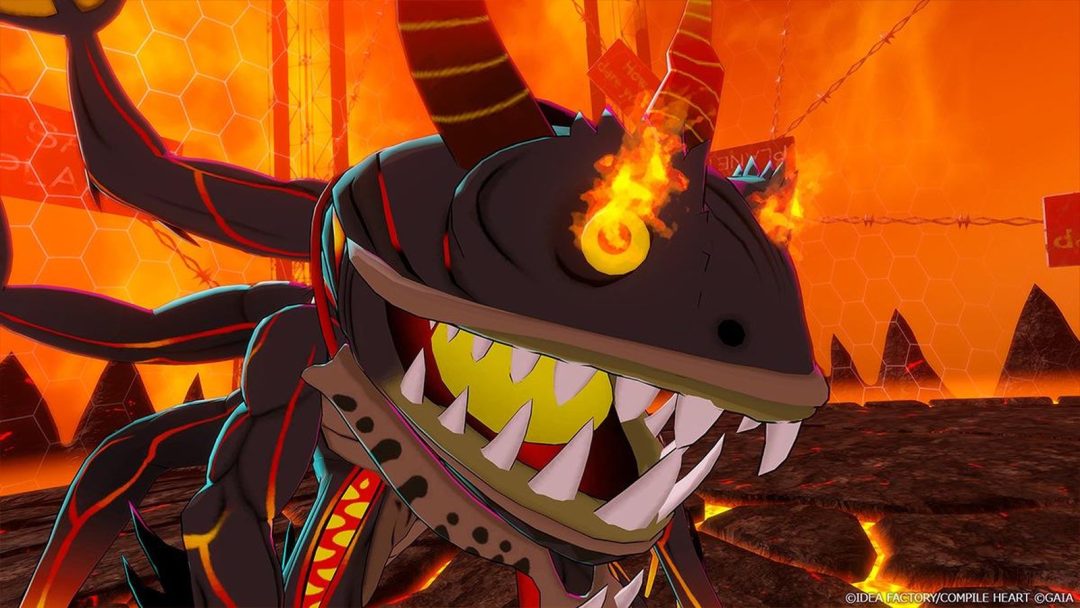
This ties directly into Villion:Code’s theme of “human karma,” according to producer Okada. “If I had to put it into words, I’d say this work does contain Buddhist elements. While I’m not setting out to discuss religion per se, I feel that such a perspective best encapsulates the concept of human karma. When we speak of karma, I think it ultimately boils down to ‘worldly desires,’ or, to put it more precisely, ‘various forms of desire. That said, I don’t believe desire is necessarily bad, and I don’t think humanity would have progressed this far without desire. But if it goes too far, things can take a strange turn. In the story of Villion:Code, too, there’s a narrative where the darker side of such desires emerges, leading humans to turn into monsters.”
Looking back on his experience working on Villion:Code and experiencing it as a game, Kuvshinov comments, “I believe it’s a work that can be enjoyed simply as entertainment, but that it also has the potential to change lives, even if just a little. Once you’ve finished playing, I think it won’t just make you reflect on various things, but might also give you hope. I believe that even after the game ends, Villion:Code will help you learn to enjoy your own life outside the game. I think it will make you cherish everyday life, your heart, and the very existence of others. Please look forward to seeing what kind of story unfolds.”
This was part two of a two-part interview. In part one, we talked to Koji Okada about the fundamental ideas behind Villion:Code’s game design.
Villion:Code is scheduled for release on June 25, 2026 for Nintendo Switch 2, Nintendo Switch, PS5 and PS4 (digital only).
[Interviewer: Sayoko Narita]


Can’t we get an adult mmorpg in the Persona’s universe??? I do remember that we got something like it ages ago….