

Kadokawa recently published its financial results for the first quarter of the fiscal year (April to June 2026). According to the report, the company saw an operating loss of 660 million yen (roughly $4.14 million USD) in its anime and live-service business.
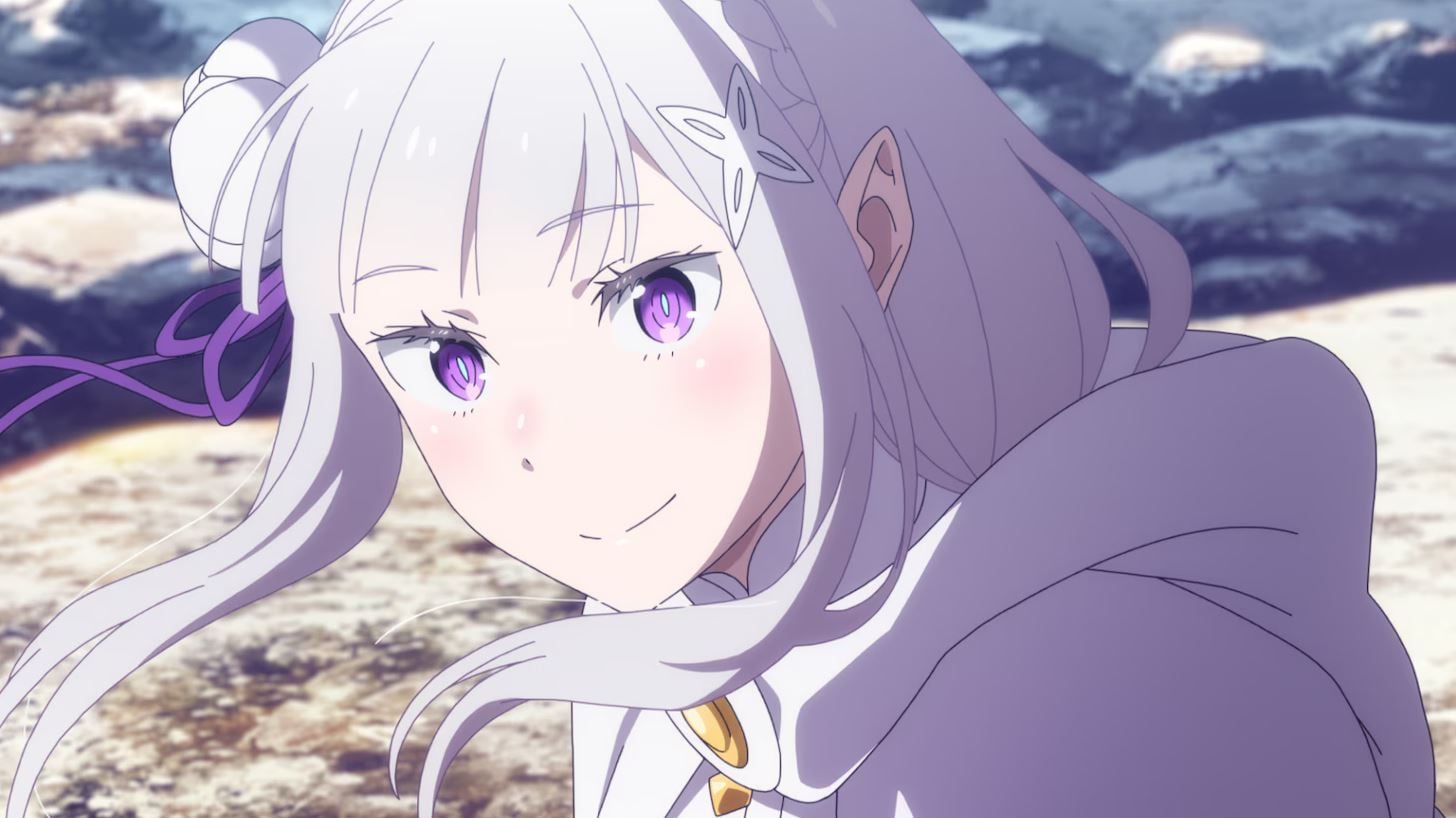
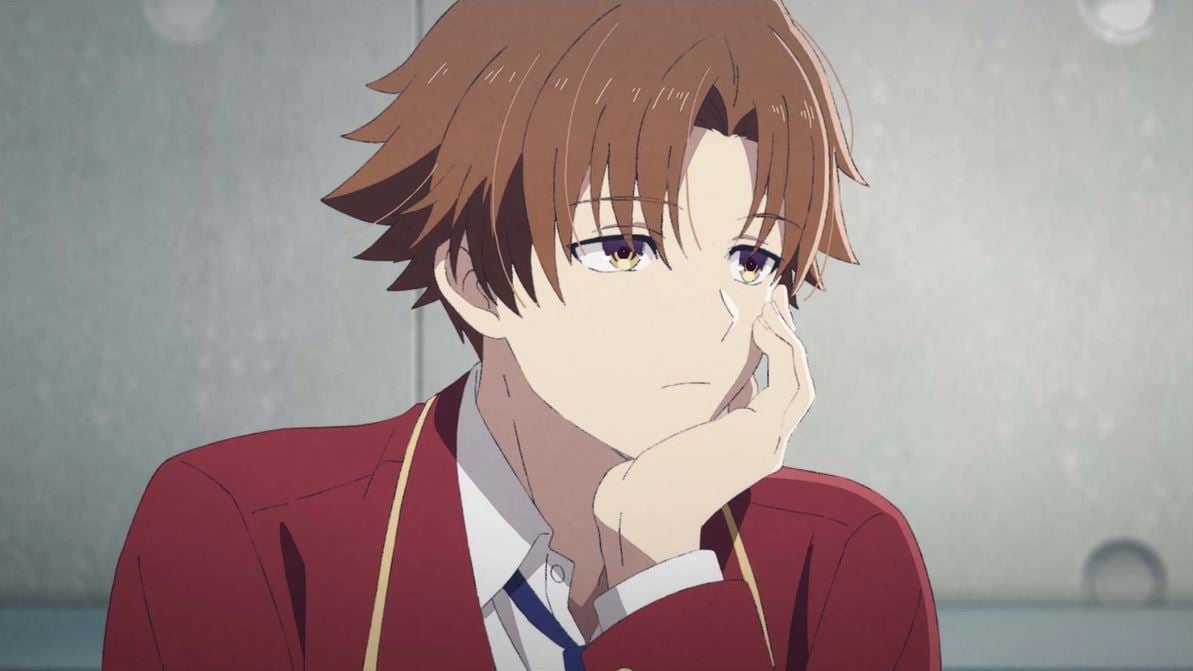
It’s worth noting that this doesn’t mean Kadokawa-published anime have been performing poorly. Segment revenue actually grew by 27.4% year-on-year for anime, and by 22.8% for live-service shows. The company especially highlighted the strong global and domestic performance of anime titles like Re:Zero, Classroom of the Elite, and The Barbarian’s Bride.
However, Kadokawa says segment-wide profitability “declined significantly due to the ongoing rise of anime production costs.” This has been something of a tendency in Japan’s anime industry in recent years, referred to by Teikoku Databank as a “profitless boom” where anime grows increasingly successful and in-demand, but the expenses of making it leave production companies with declining profit margins or even losses.
Another recent example is IG Port, the parent company of famous anime studios Production I.G and Wit Studio, which saw an operating loss of roughly $8.22 million in its anime business in the fiscal year ended May 2026. The company likewise cited growing revenue, which was outpaced by ballooning anime production costs, specifically expenses related to manpower, CGI and outsourcing. Similarly, Spy x Family studio CloverWorks has seen widening financial losses in the past two fiscal years, and so has studio SilverLink for the past three years.
Going back to Kadokawa, the company says the number of anime titles it’s directly involved in as lead producer or co-producer is on course to increase from the second quarter onwards, which is expected to further drive revenue. Also of note, the company’s anime segment will start seeing a reduction in expenses of around 200 million yen ($1.25 million) from the next quarter onwards – a result of the voluntary redundancies (workforce downsizing) Kadokawa conducted earlier this year.
Anime studio bankruptcies and closures continue to rise for third consecutive year in Japan

Well, people love anime but when anime becomes harder to access people can’t watch it. Not everyone can afford to get crunchyroll, hidive, netflix, and Hulu to watch all the new anime coming out just to be faced with a slew of lower-quality anime. I’m not advocating for piracy but it’s not lost on me that this happens right after all the anime piracy sites got witch hunted off the Internet. Almost like most of people who were watching and enjoying, talking about, and hyping up the popularity for each new season have lost access to it. They may not get paid for pirated content, but advertising by word of mouth might have come with that necessary evil.
This is not the first article on Automaton West that talked about the profitless boom of anime. If you go back to the previous articles, it seems less because the hype for anime has declined as you conjectured but more because the Japanese workforce can’t keep up with current demand, which caused more outsourcing, which caused higher outsourcing fee and production delay — hence increased cost cutting into profit.
Frankly speaking, I’ve doubts about the idea of “word of mouth advertising” when it comes to modern-day anime. We don’t live in the era of forums and Tumblr anymore. Everyone’s interests are fragmented while places like Twitter aren’t conductive to spreading information to people who doesn’t directly engage in the conversation. There is a reason why the truly big anime and TV shows hits happened during the pandemic when everyone had limited options.
(And it isn’t like anime hasn’t having problems profiting abroad since forever. For every 10 people who pirated anime and proselytized about a specific show, you get 2 or 3 who’re actually willing to pay for the Blu-Rays or official merchs).
Frankly speaking, the Japanese anime industry, buoyed by the pandemic hits, has made a bad bet by increasing the number of productions. Just because more people tuned in during the pandemic doesn’t mean new anime nowadays are guaranteed to get the same number. And don’t let me started on how many people are actually willing to pay for anime, especially in this economy.
There’s a lot of anime now, so people its getting content fatigue
Re:zero is so peak
KADOKAWA is attempting to repeat the malicious “match-pump” cycle it once drove with the Narou genre—igniting a trend, mass-producing cookie-cutter templates, and consuming the market to the point of self-destruction—but this time, in an even more insidious manner using generative AI. Despite being the very entity responsible for the decay of this culture, their stance of dodging all accountability and dumping the consequences entirely onto the creators in the field betrays a complete and utter lack of respect for the act of creation.
The reality behind the “AI assistance” they so loudly champion is nothing more than sheer “nursing care” for a demographic—whom it is frankly absurd to even call “writers”—who cannot develop their own literary style and possess substandard linguistic skills. Abandoning the process of agonizing over their own thoughts and weaving words character by character, they rely completely on AI as a motorized wheelchair to generate everything from plots to descriptions. Calling such a state “creative work” is a profound deception.
This system, which relies on “nursing care” rather than a genuine creative challenge, has resulted in the explosive proliferation of shallow, substandard works that merely look like proper Japanese on the surface. As the market and submission platforms are buried under a deluge of low-quality, hollow text devoid of novelty or passion, genuine manuscripts crafted through the blood, sweat, and tears of flesh-and-blood creators are being physically drowned out, dragging down the audience’s trust in content as a whole.
The very corporation that once exploited data to burn its own market to the ground and plunged its publishing division into the red is now using AI as an absolution to repeat the same mistake in an even more toxic form. KADOKAWA—selling out the dignity of expression and constructing a graveyard for culture solely to maintain page views and shield itself from liability—must be held entirely accountable and face rigorous social condemnation.