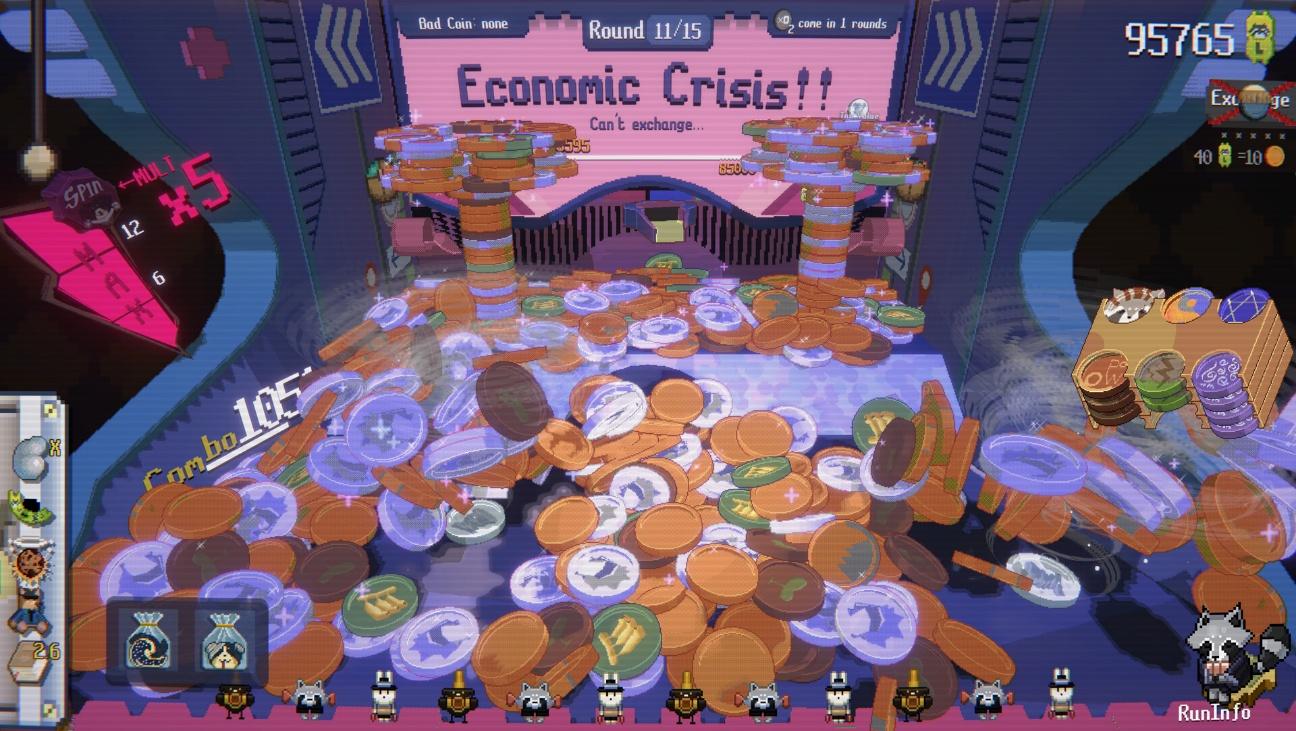
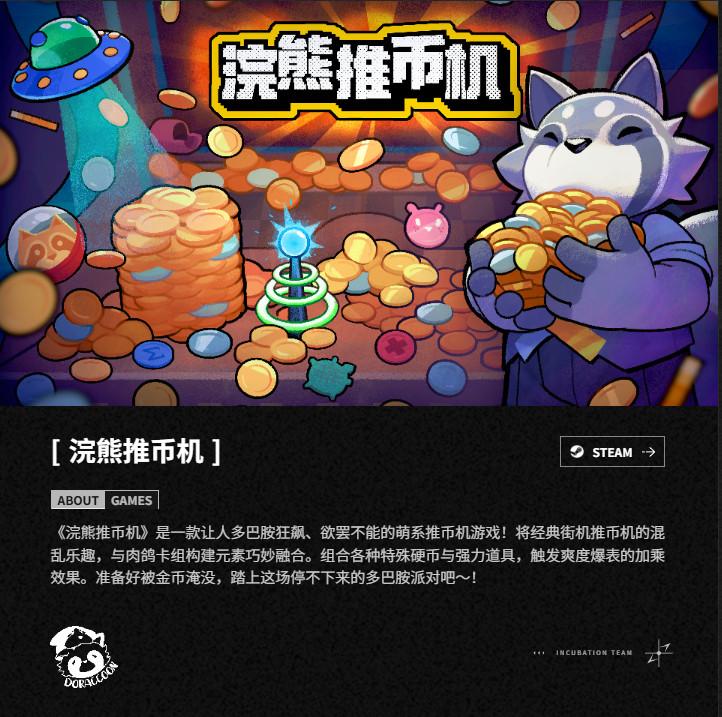
RACCOIN: Coin Pusher Roguelike is a roguelike coin-pusher game developed by Doraccoon. It has been available for PC via Steam since March 31, priced at $11.99 USD. Shortly after release, the game earned over 90% positive reviews on its store page, achieving a “Very Positive” rating on Steam. Its concurrent player count also quickly surpassed 10,000, demonstrating remarkably strong popularity.
Remarkably, the creators behind the game had only just graduated from university, and the core team consisted of just three people. Moreover, RACCOIN: Coin Pusher Roguelike was their very first commercial release.
One of the teams that supported this breakout success was COREBLAZER. COREBLAZER is a game development support team established by Hypergryph, the studio behind Arknights.
Rather than acting as a publisher or an outsourcing studio, COREBLAZER supports development teams from a different position altogether, providing assistance in areas such as funding, business operations, and knowledge of the Chinese market. Naturally, this raises the question of how exactly such a team contributed to the game’s development.
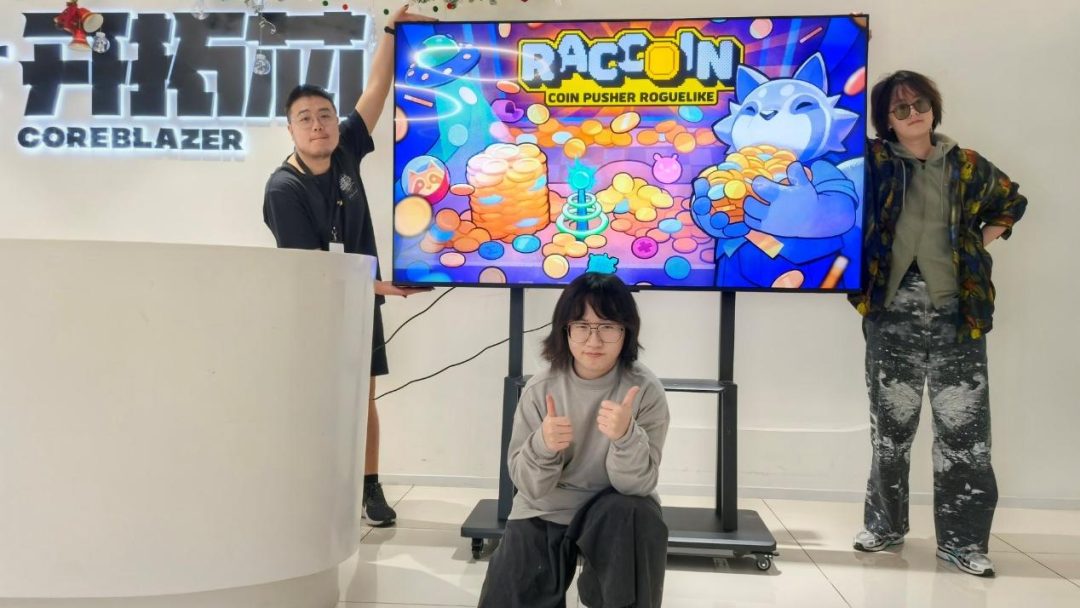
For this interview, AUTOMATON spoke with ManKemono, producer at Doraccoon Games, the studio behind RACCOIN: Coin Pusher Roguelike, as well as Kun, Strategic Investment Director at COREBLAZER.
We asked them about how the game came to be and what kind of support COREBLAZER provided during development.
It’s also worth noting that COREBLAZER is currently looking for development teams interested in receiving support from the organization. Japanese and international development teams alike are eligible, and COREBLAZER will be exhibiting at BitSummit PUNCH, which begins on May 22 this week. Those interested may want to stop by their booth.
A three-person game studio founded by a group of university friends after graduation
—Please tell us about Doraccoon Games.
ManKemono:
Hello everyone. Our team, Doraccoon Games, is made up of three people, including myself. We are developing games in Shanghai.
On the surface, our roles are clearly divided among the three of us: one person handles planning, while another is the artist. However, in actual development, everyone contributes in various ways whether that means coming up with plans, writing code when necessary, or helping each other wherever needed.
—RACCOIN: Coin Pusher Roguelike is Doraccoon Games’ first commercial title. How did the idea for the game come about?
ManKemono:
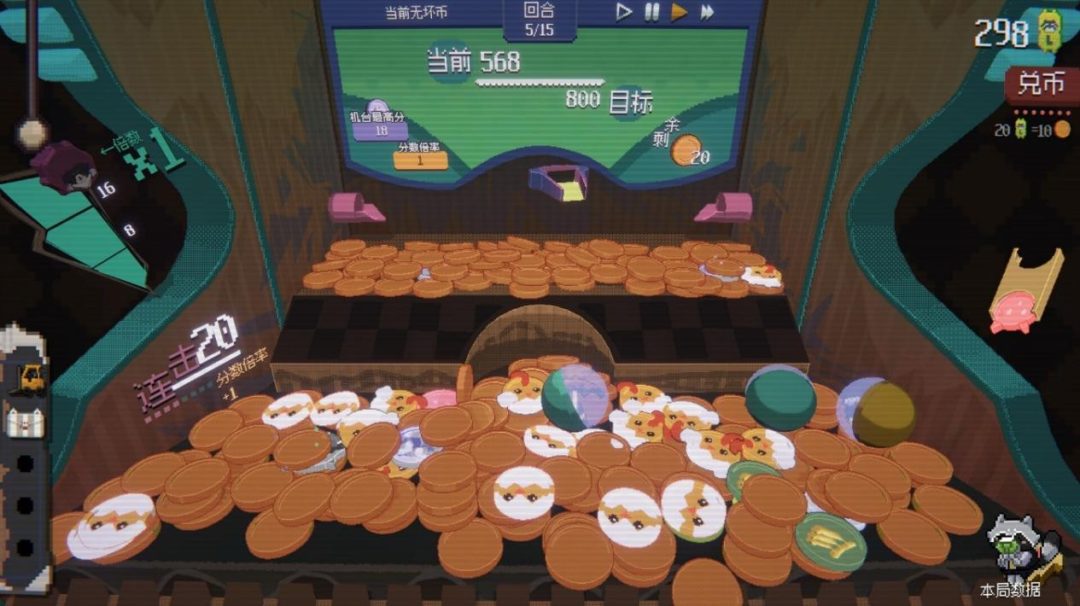
The idea for the game came about around the beginning of 2024. At the time, one of our team members, Wolong, took me to an arcade, where I played a coin-pusher game for the first time. I got hooked almost immediately, and for the next month or two I would play whenever I had free time.
Around that same period, Balatro was released and became hugely popular in China as well. That’s when we started wondering what would happen if we combined the mechanics of a coin-pusher game with a roguelike system like Balatro.
—After coming up with the idea, what led you to begin full-scale development on RACCOIN: Coin Pusher Roguelike?
ManKemono:
At the time, both Wolong and I were studying in the game design department at Communication University of China, where we were learning about game development while also gaining hands-on experience. All of our daily assignments and even our graduation project revolved around making games.
However, when we first came up with the idea for RACCOIN: Coin Pusher Roguelike, we were still busy working on our graduation project, so it took a little longer before the concept actually started taking shape. Even so, we were already imagining various gameplay ideas at the time, for example, rabbit coins that would produce even more rabbits upon contact, or bomb coins that would blast away every coin on the machine.
We ultimately decided to actually start development based on this idea in July 2024, after graduating from university. At the time, we were thinking about what to do after graduation. We had received a few job offers, but in the end we decided to develop RACCOIN: Coin Pusher Roguelike ourselves. From there, it took about two to three weeks to create the prototype. Even at that stage, the roguelike elements were already in place, along with features we had envisioned earlier, such as the rabbit coins and bomb coins
—You mentioned that Balatro was an influence, but were there any other games that inspired the development of this title?
ManKemono:
When we first started creating the prototype, we researched other existing coin-pusher games such as Old Coin Pusher Friends and Coin Dozer. Some of them were realistic, while others included monster-battling elements. We looked at how previous developers had portrayed coin-pusher gameplay, including the physics effects.
We also studied roguelike games such as Ballionaire and Lucky Landlord, and I think we drew inspiration from those titles as well.
COREBLAZER quietly supports game development by up-and-coming creators
—Although RACCOIN: Coin Pusher Roguelike is published by Playstack, we understand that the project also received investment and support from COREBLAZER. How exactly was COREBLAZER involved in the development process?
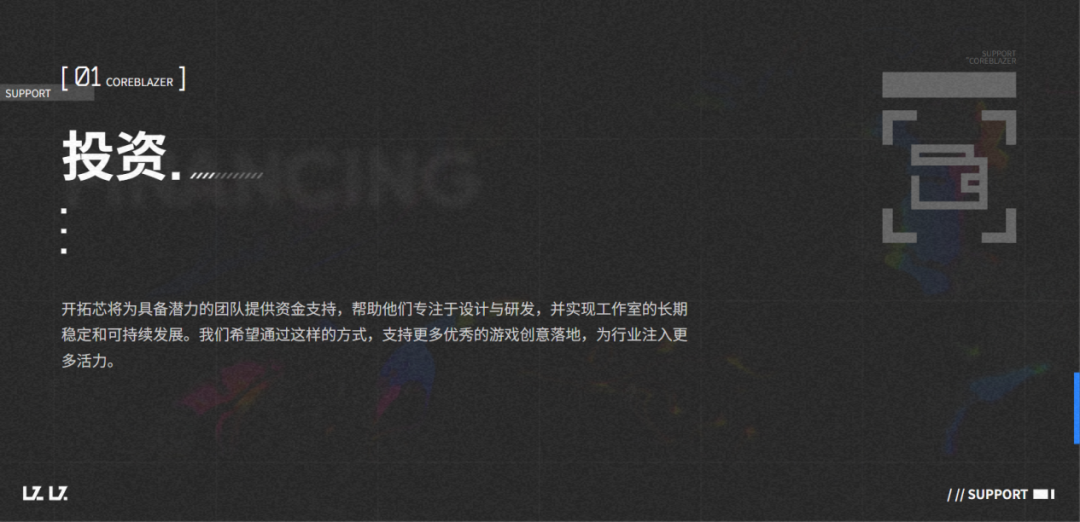
COREBLAZER is an investment and support team centered around assisting game development. While project-based support may serve as the starting point, their involvement does not end there. Instead, they aim to build long-term relationships with talented teams that show strong potential, providing development funding as well as business support over time.
ManKemono:
COREBLAZER supported us in a kind of behind-the-scenes role, helping not only with game development but also by giving us a great deal of business advice. They never told us, “You absolutely must do it this way.” Instead, their approach was generally more like, “Why not try doing it this way?”
Since we had only recently been students, they also taught us a lot about management and distribution areas we knew very little about which was an enormous help.
—How did Doraccoon Games and COREBLAZER first come into contact with each other?
ManKemono:
I believe we first got to know each other around the end of 2023.
Kun:
When students studying game development reach their third or fourth year, we have opportunities to introduce them to COREBLAZER. We do this because we want students to carefully consider their future paths, rather than rushing into deciding on a startup or a job after graduation.
Through these activities, we were introduced to Mankemono through their academic advisor when they were in their third year. After seeing their work, we explained the kinds of support our company could provide.
—What made COREBLAZER decide to support Doraccoon Games?
Kun:
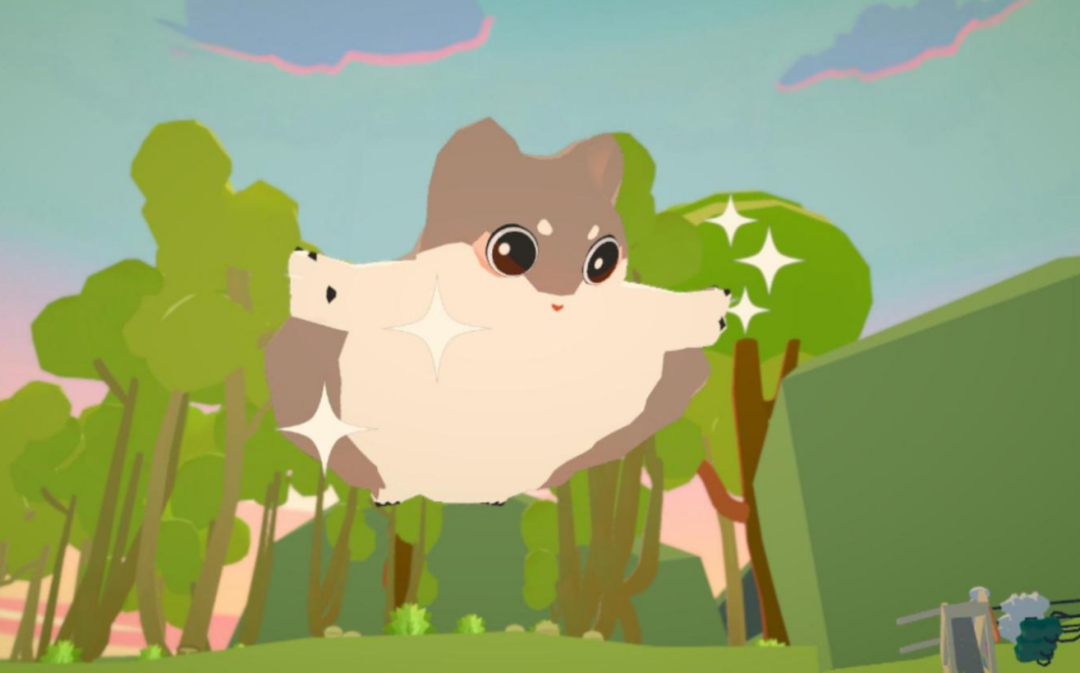
A major reason was the strong impression we got from “The Mice Are Coming,” a project that Mankemono, Wolong, and their classmates presented at their graduation exhibition. We were extremely impressed by both its level design and its puzzle-solving experience. After that, I spoke with them in more detail and asked whether they had plans to create independent games in the future.
At the time, they already had a clear vision and wanted to establish their own studio to make original games. Wanshou and Wulong then created a prototype for RACCOIN: Coin Pusher Roguelike, and we felt it showed tremendous promise, so we decided to support them.
—When it came to game development, did COREBLAZER provide any specific suggestions or feedback to Doraccoon Games?
Kun:
Every month, we would evaluate and analyze the in-development builds that Doraccoon Games sent us, and then suggest areas that we felt could be improved. We also held meetings with the team whenever necessary in order to provide more effective feedback.
Sometimes we pointed out bugs, while other times we suggested design changes that we believed could further improve the overall quality of the game. The team carefully selected from our feedback and ideas, refining and optimizing the game step by step to steadily raise its level of polish.
I believe the members of Doraccoon Games are extremely talented. Sometimes, even when we identified areas that needed improvement, there wasn’t an obvious solution. Even so, by the following month they would often come back having found an excellent solution, quickly resolving problems that previously hadn’t been working well. That really surprised us.
—From COREBLAZER’s perspective, did you feel that your support for this project was successful?
Kun:
First of all, judging from the project’s current performance, we feel it has reached a very high level of quality. However, we see our role as simply providing suggestions and feedback ultimately, it was the development team itself that did an excellent job on this project.
—I imagine Doraccoon Games received feedback from both the publisher, Playstack, and the investment team, COREBLAZER. Were there ever times when you felt caught between differing opinions from the publisher and the investment team?
ManKemono:
That never happened, and I don’t think it’s likely to happen either. Playstack mainly provided feedback on finer details, such as cases where the UI was difficult to understand. Meanwhile, COREBLAZER mostly gave advice related to the game’s overall direction, such as pointing out areas that might be too difficult for beginners. Because of that, we never really found ourselves caught between conflicting opinions from Playstack and COREBLAZER.
Of course, even if such a situation did arise, I believe that neither Playstack nor COREBLAZER would try to force us to change our ideas. They would simply offer suggestions rather than impose anything on us.
Collaboration between the three sides led to success
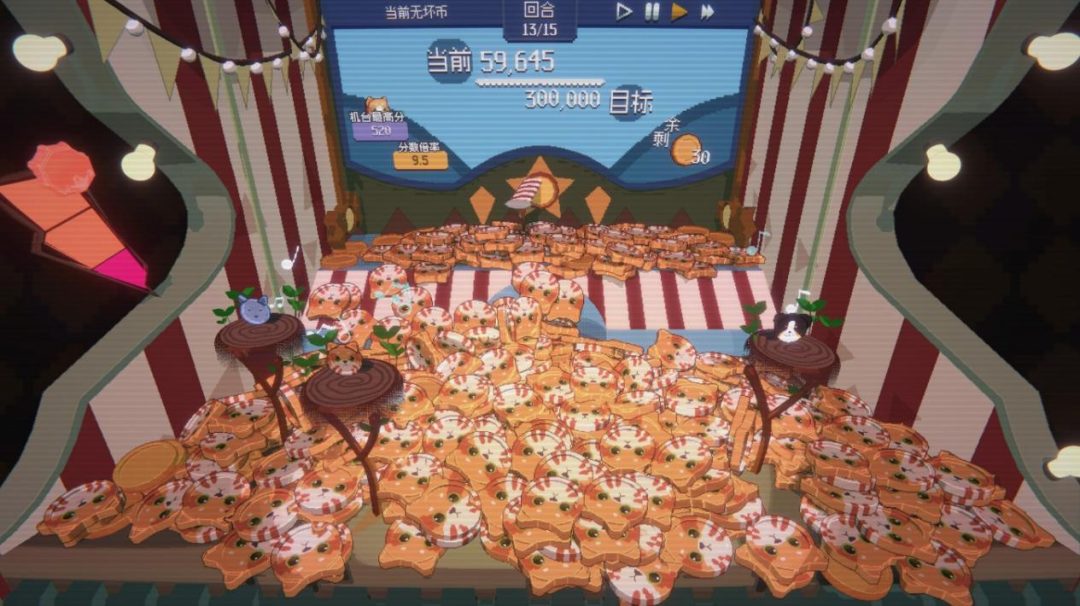
—Just two days after release (as of April 2, when this interview was conducted), the game had already achieved a “Very Positive” rating status and was being played by more than 10,000 concurrent users. It seems fair to say the game has been a success. How do you feel about its current reception?
ManKemono:
To be honest, it still doesn’t quite feel real yet, but we’re very happy with the strong reception. We spent more than a year developing this game, and now having so many players enjoying it feels almost like a dream. That said…There are still plenty of bugs we need to fix, so our feelings are a bit mixed at the moment.
Kun:
I personally feel a strong sense of accomplishment. Our team has been following them for a long time. We saw both their graduation project and the early prototype of this game. Since the start of the project, we’ve also reviewed many different versions of the game throughout development.
Because of that, it’s deeply moving to see Doraccoon Games successfully release its very first title, and to know that so many players are enjoying it.
Their team is still very young; it hasn’t even been two years since they graduated from university. Even so, seeing their very first commercial title achieve this level of success is truly inspiring.
We still believe they have limitless potential, and we hope to continue supporting the team so they can create even more games that players will love. At the same time, we also hope that the other teams we support will go on to achieve success as well.
—Why do you think this game was so well received by the market?
ManKemono:
I think it’s probably because people are genuinely enjoying the gameplay. I once heard someone say that if you can summarize a game’s concept in a single sentence and people immediately think it sounds fun the moment they hear it, then the game is already 80% successful. Back then, when I explained the idea of “coin pusher + roguelike” to other people, everyone responded positively. So maybe this game ended up proving that theory right.
I also think a big part of it comes down to this particular team. The three of us work extremely efficiently together, and we have an environment where we can immediately test and verify new ideas as soon as they come to mind. For example, if we want to create a new system, we can build a basic version and have it ready for testing within a week.
And honestly, I think a great deal of the credit also belongs to COREBLAZER. Under normal circumstances, it’s still very difficult for newcomers like us to develop indie games full-time.Without funding, we probably would have had to work other jobs while developing the game in our spare time, or continue development purely through determination despite having no income. In that kind of situation, some people might end up mentally exhausted and unable to keep developing at all.
In addition, COREBLAZER taught us the fundamentals of publishing and international expansion, while also helping us build connections with the right partners, which ultimately led to our collaboration with Playstack.
Playstack assisted with many aspects of the project, including English localization and QA, and thanks to their help, the game’s language became clearer and easier to understand. They also supported us through playtest feedback, editing promotional videos, and managing overseas communities, which allowed us to introduce RACCOIN: Coin Pusher Roguelike to a much wider international audience.
So, we believe the success we’re seeing now is not the result of the efforts of just the three members of Doraccoon Games alone, but rather the result of everyone working together.
Kun:
What we felt was best of all was simply that the project itself was fun. It took us about two weeks to create the prototype, and at that stage the content was still very minimal, but everyone on the team already felt that developing it was genuinely enjoyable. I think that may be the most important thing when it comes to game development.
In addition, we want to help create an environment where teams can develop games as comfortably as possible. That includes providing funding, offering free physical spaces that teams can use offline, and giving advice on various business matters such as finance and legal issues. We do our best to resolve these kinds of problems as smoothly as possible so that development teams can focus their energy on making games.
I also believe the team’s project management has been excellent. Since beginning our partnership with Doraccoon Games, they never once missed submitting a test build, and they consistently produced new content every month.
Game development is both a form of artistic creation and a project that requires careful management. Project management is extremely important in game production. In other words, Doraccoon Games is a highly capable team. They possess both strong management skills and operational ability, and by combining those strengths, they were able to create a highly polished game like this one.
ManKemono himself also manages the team’s social media, and I think that has produced very strong results as well. Perhaps because he has long shared his experiences related to game development with others, he understands how to communicate with players and has a strong sense of what players are looking for. I think that has also been a major advantage.
—From Doraccoon Games’ perspective, what kinds of games or teams do you think are likely to receive support from COREBLAZER in the future?
ManKemono:
This is just my personal opinion, but I think developers first need to have the determination to keep making indie games even without outside support. Based on our own experience, I also think it’s important to create a prototype that clearly conveys what kind of game the team wants to make.The quality of that prototype is likely what allows COREBLAZER to recognize both the team’s capabilities and the project’s commercial potential.
Keep making games that are fun and share that enjoyment with players
—Are there any plans for a sequel to RACCOIN: Coin Pusher Roguelike, or for future content updates to the game?
ManKemono:
Right now, we’re focused on listening to player feedback and fixing any major bugs or issues as quickly as possible. After that, we’re actually planning free updates for the game, and we’re also preparing releases for consoles and mobile devices.
In the future, we hope players will be able to enjoy RACCOIN: Coin Pusher Roguelike across multiple platforms.
—How does COREBLAZER plan to operate moving forward?
Kun:
We intend to maintain a long-term partnership with Doraccoon Games and continue supporting the team over the years. For games that have already been released, we will help maximize the IP’s reach and profitability as much as possible, while also providing ongoing follow-up support. At the same time, we’ll work together with the team on planning future titles, assisting with market research, and helping them better understand unfamiliar markets. Through this kind of continuous communication, the team may come up with even more interesting ideas in the future.
We intend to maintain a long-term partnership with Doraccoon Games and continue supporting the team over the years. For games that have already been released, we will help maximize the IP’s reach and profitability as much as possible, while also providing ongoing follow-up support. At the same time, we’ll work together with the team on planning future titles, assisting with market research, and helping them better understand unfamiliar markets. Through this kind of continuous communication, the team may come up with even more interesting ideas in the future.
At the same time, we hope that more teams will discover the direction that suits them best and eventually become self-sufficient, continuing to deliver outstanding games to the industry in the future.That’s the philosophy we operate by. We also don’t want to limit ourselves to China alone. We hope to discover more talented teams from overseas and make COREBLAZER itself increasingly international.
While helping game development teams connect with the global stage, we also want to act as a bridge for outstanding overseas projects, helping them better understand the Chinese market and expand there in a more effective way.
—By the way, your team is called Doraccoon Games (“浣犬游戏”) — does someone on the team happen to really like raccoon dogs or dogs?
ManKemono:
Yes. My personal character is a raccoon, while out artist’s character is a dog. We combined our favorite animals, and that’s how the name Doraccoon Games came about.
—The protagonist of RACCOIN: Coin Pusher Roguelike is a raccoon, and there are also dog characters in the game. Will future games developed by Doraccoon Games continue to feature animals like raccoons and dogs as characters?
ManKemono:
Not necessarily, but we’ll do our best to include raccoons whenever we can. (laughsl)
—Thank you very much. That was a very cute story. Finally, could each of you share a message you’d like to say to the other?
Kun:
From COREBLAZER’s perspective, we hope that Doraccoon Games will continue releasing games that players will love in the future. We also hope the team never loses sight of the passion they started with continuing to enjoy making games themselves while sharing that joy with players.
ManKemonp:
We’re truly grateful to COREBLAZER for all the support they’ve provided us. We hope the company continues to grow and will be able to support many more great projects in the future.
—Thank you very much.
RACCOIN: Coin Pusher Roguelike is currently available for PC via Steam.
Meanwhile, COREBLAZER is currently looking for development teams interested in receiving support from the organization. The company will be exhibiting at BitSummit PUNCH, which begins on May 22 this week. Anyone interested may want to stop by their booth.