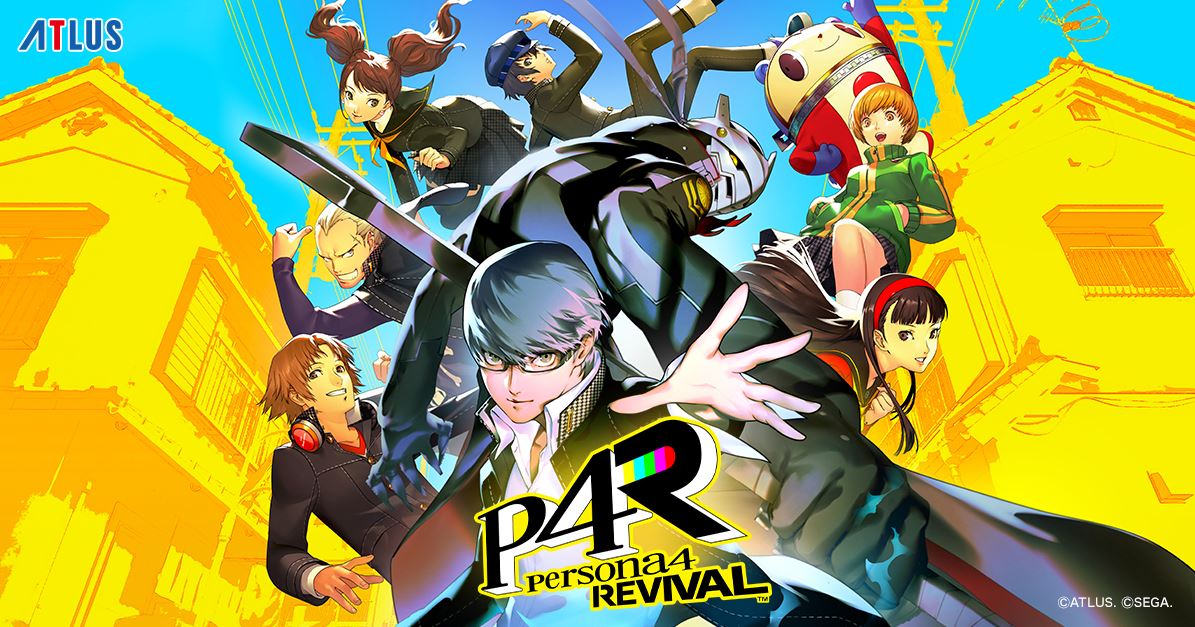
South Korea’s GRAC (Game Rating and Administration Committee) has inadvertently “leaked” information about unannounced games, including major AAA releases, on so many occasions media outlets now refer to it as “delivering news on a platter.” Just in the past month, titles like Persona 4 Revival and LEGO: Skylines were affected, and most recently, ratings made public by the board have led to speculation about Call of Duty: Black Ops 1 and 2 ports being in the works, despite there being no word from the publishers yet.
According to GameMeca, which recently investigated this recurring issue, this is actually not a result of the GRAC failing to handle confidentiality requests from publishers, as some would assume. Rather, there’s a somewhat contradictory legal situation behind it. A GRAC representative told GameMeca that the publication of ratings is a legitimate procedure carried out to comply with South Korean law, specifically the Game Industry Promotion Act.
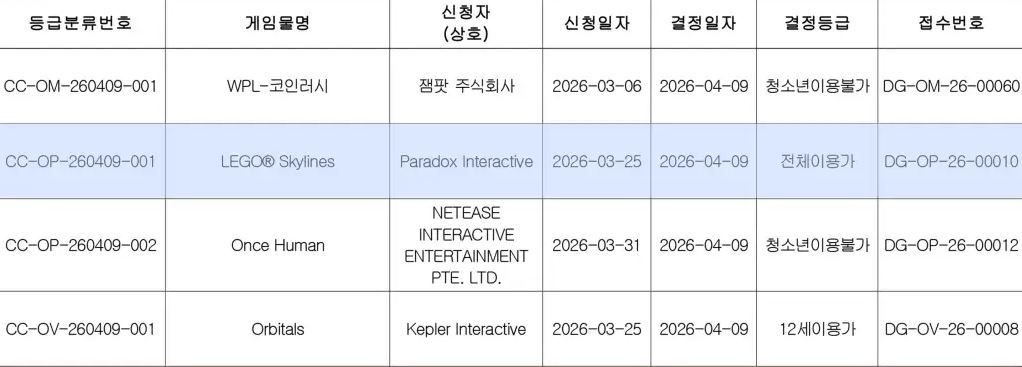
Apparently, the rating body is only able to accommodate game publishers’ confidentiality requests while submitted games are undergoing review. The moment a decision is reached (whether it be an approved rating or rejection), the GRAC is legally obligated, without exception, to make it public through its official website and the digital government gazette. The committee does let game companies know about these circumstances in advance whenever they request for confidentiality, so the released information definitely doesn’t constitute a leak, but at the same time, publishers have little choice other than to agree to the terms if they want to release their games in the country. This has even made domestic gamers concerned about global game companies seeing the Korean market as untrustworthy, but the issue definitely seems to lie in the current law, rather than the rating body itself.