
Final Fantasy 7 Revelation’s open world evolves another step beyond Rebirth. Director Naoki Hamaguchi on map design, player freedom, and new battle systems
Interview with Final Fantasy 7 Revelation director Naoki Hamaguchi on the game's open world design, FITS system and more.

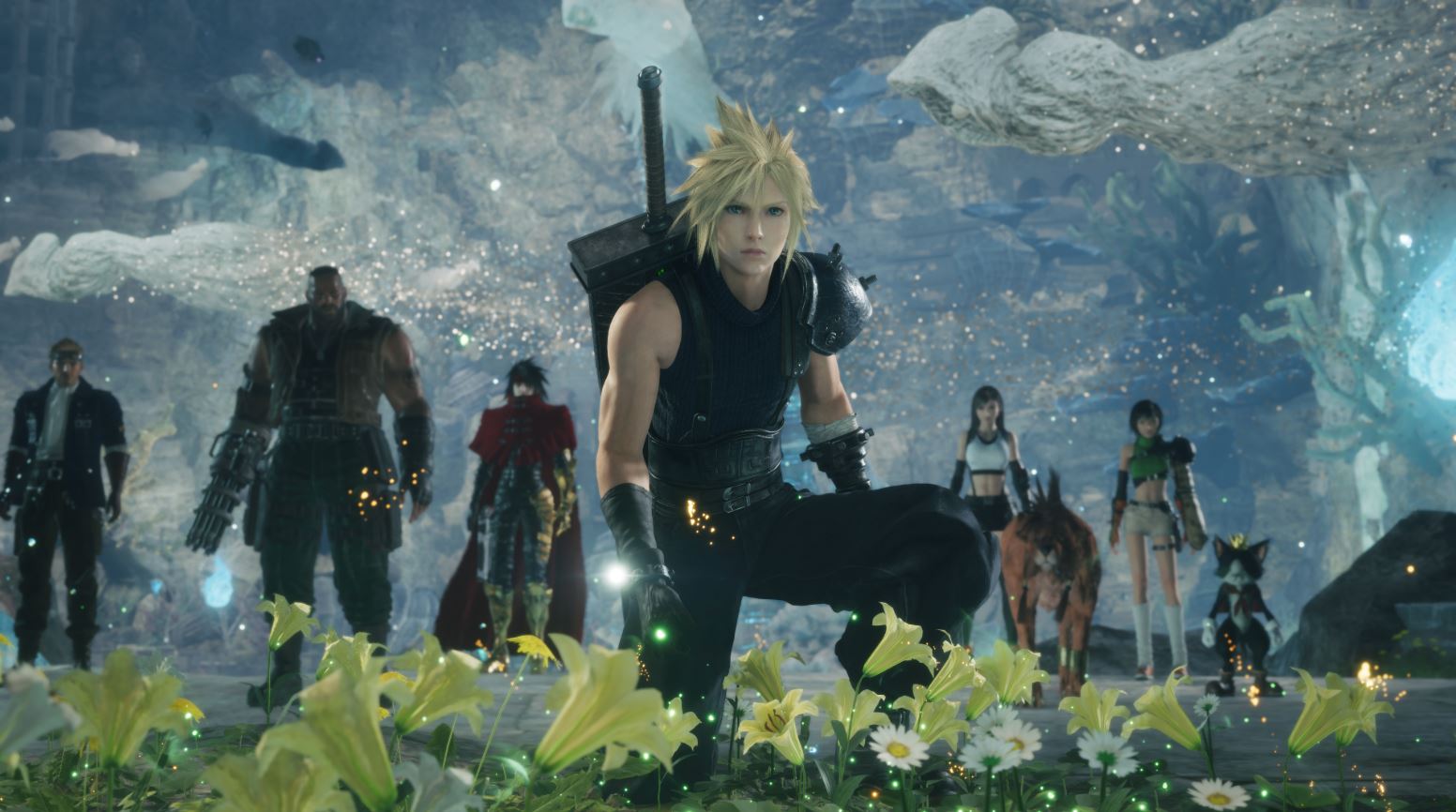
Square Enix has officially announced Final Fantasy VII Revelation, the third and final entry in the ambitious Final Fantasy VII remake series. The game is scheduled to release in Spring 2027 for PC (Steam, Epic Games Store, Xbox on PC), Nintendo Switch 2, PS5, and Xbox Series X❘S. A reveal trailer and gameplay showcase were unveiled together with the announcement.
Continuing from FFVII Remake and FFVII Rebirth, the trilogy’s finale will finally bring the fate of Cloud and his companions – and of the planet itself – to a conclusion. AUTOMATON recently had the opportunity to interview Naoki Hamaguchi, director of both this title and the entire FFVII remake trilogy at Square Enix. We asked him about the open world revealed in the trailer, the game’s new battle systems, the role of minigames, and more. This is part one of a two-part interview, so be sure to check out part two as well!
An open world spanning the entire planet
—Please introduce yourself.
Naoki Hamaguchi (hereafter Hamaguchi):
I’m Naoki Hamaguchi from Square Enix, director of Final Fantasy VII Revelation, as well as the director of the Final Fantasy VII remake series as a whole.
—You’ve finally lifted the veil on FFVII Revelation. How confident are you in the game?
Hamaguchi:
I’m very confident in the game’s quality, and it’s quite moving to think that we’re finally bringing the series to a conclusion.
—Speaking of which, is it really going to end this time?
Hamaguchi:
We’re fully committed to delivering a proper conclusion and creating a game that will firmly remain in people’s memories. As far as the FFVII Remake series is concerned, this is the final chapter.
—That’s reassuring to hear. There was a lot to take in in the new trailer, but is there anything you’d like people to pay attention to in particular?
Hamaguchi:
My first answer is everything, of course. But I’d especially like people to focus on the gameplay. Up until now, our promotional videos for both FFVII Remake and FFVII Rebirth have tended to focus heavily on the characters. However, the world of FFVII and characters like Cloud and Sephiroth are now already widely known among gamers, so this trailer focuses much more on the game’s systems and on what we’re trying to express through the game itself. In that sense, I think it conveys a somewhat different vibe from the way we’ve promoted the series in the past.
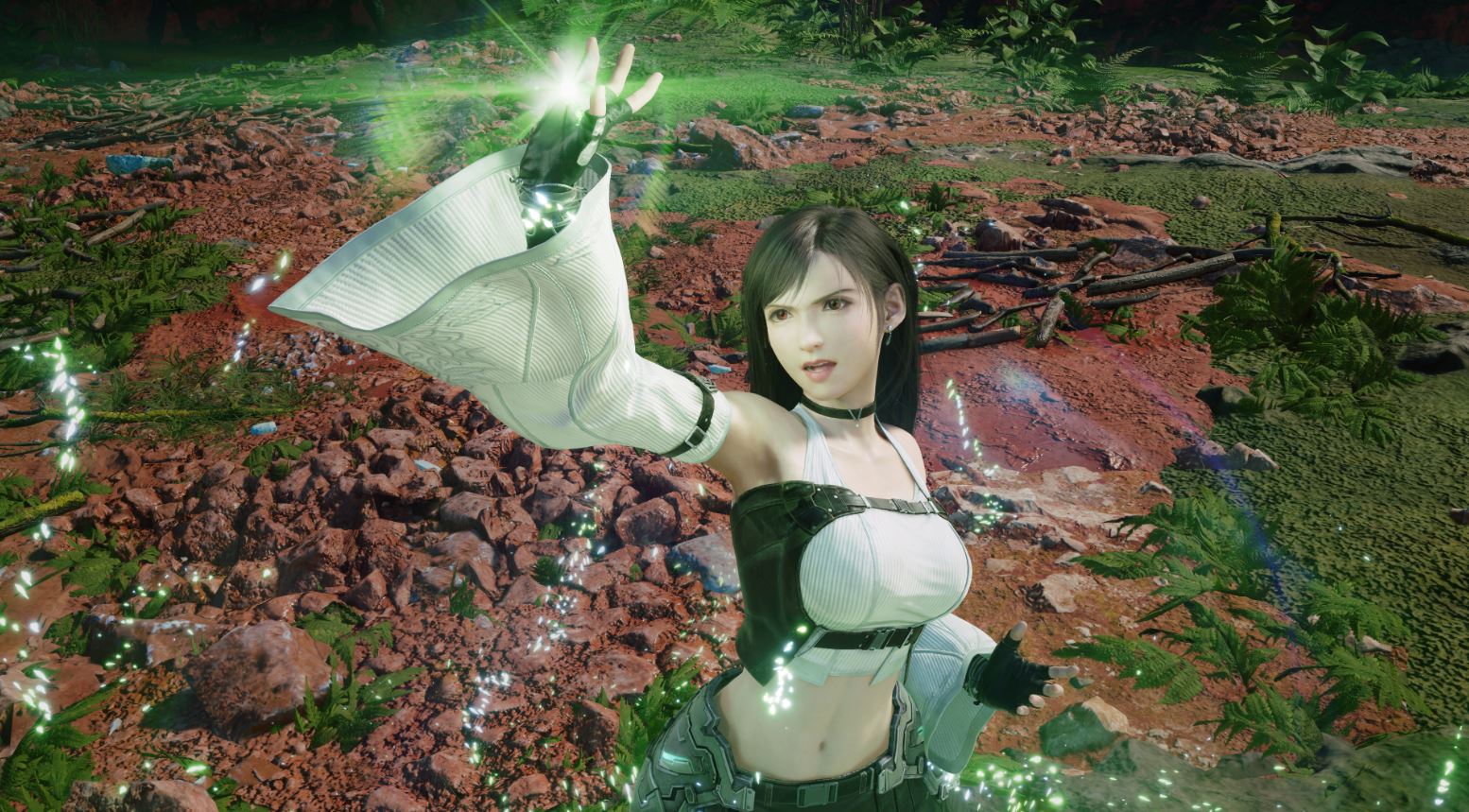
—It definitely felt like there were fewer cinematic scenes, or rather, that it was quite heavily gameplay-focused. That was intentional, then?
Hamaguchi:
That’s right, we wanted to clearly communicate, “Here’s what you can do in this game,” and “This is how deep the gameplay goes.”
—I noticed the trailer specifically used the term “open world.”
Hamaguchi:
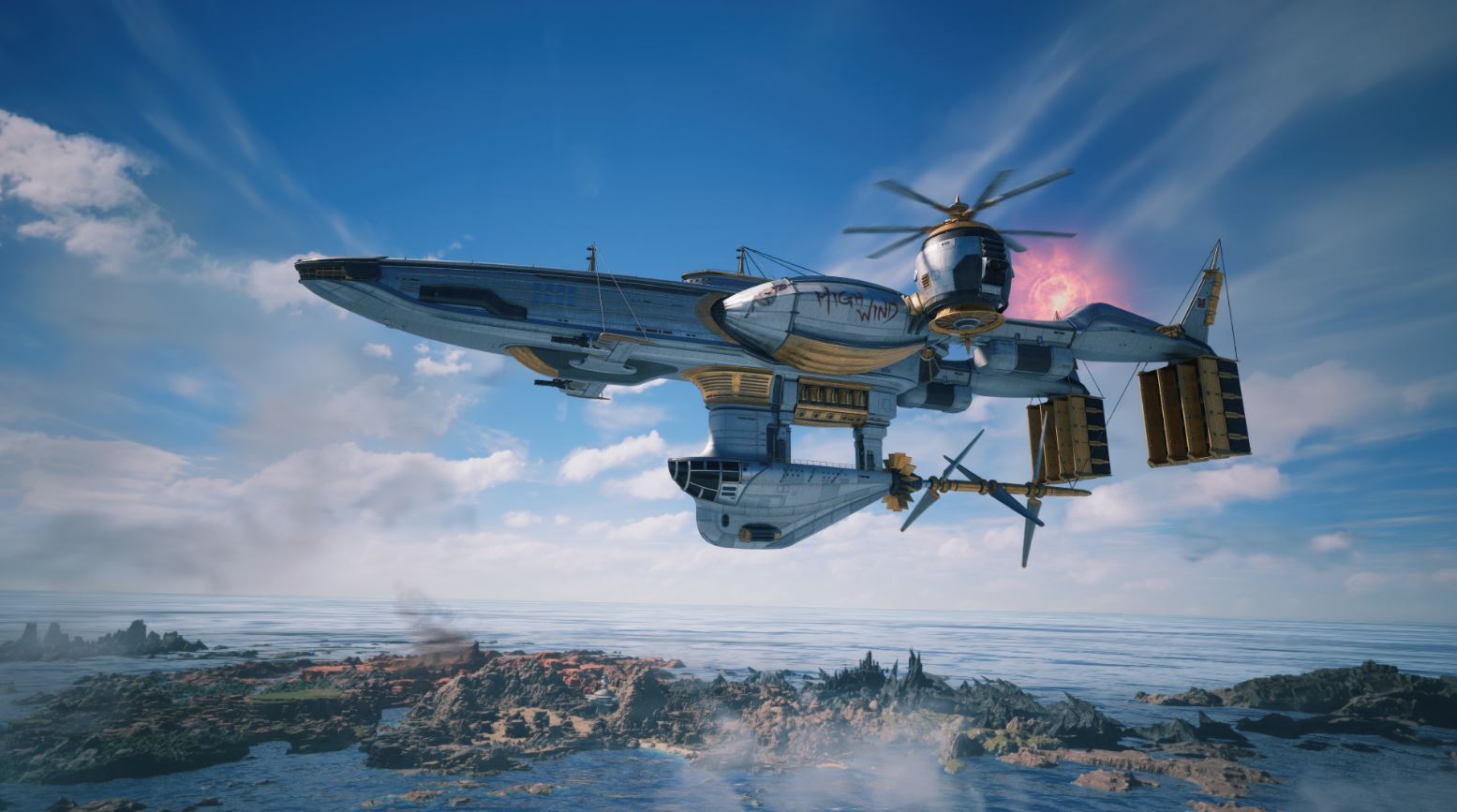
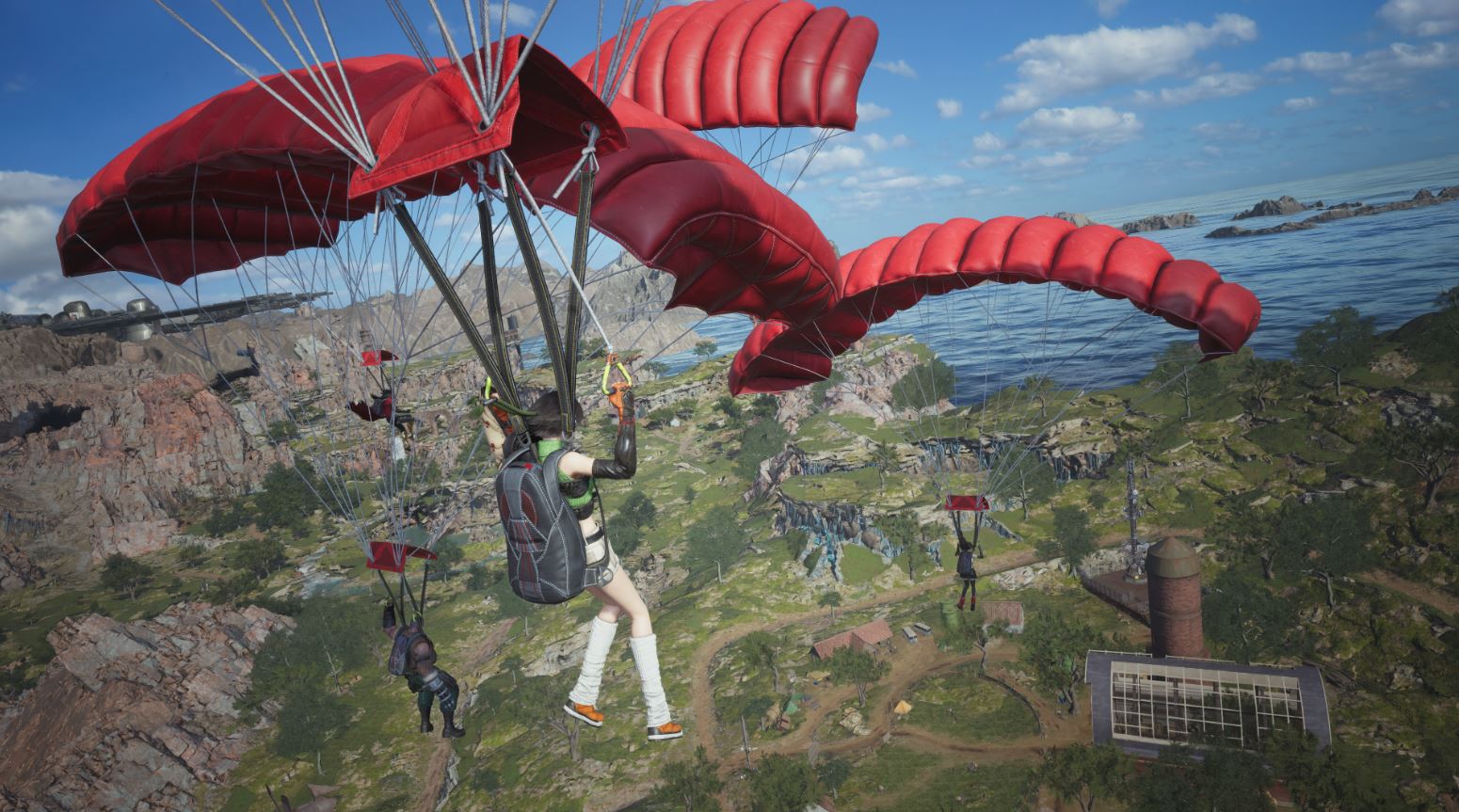
Everyone tends to define “open world” differently, but in the case of FFVII Rebirth, while the map spanned multiple continents, those continents were still somewhat enclosed by an inland sea. However, in FFVII Revelation, the story unfolds across an entire planet where everything is truly connected. You’ll be able to freely fly around the world aboard the Highwind. In that sense, I think this is an open-world game that expresses a sense of scale quite different from FFVII Rebirth.
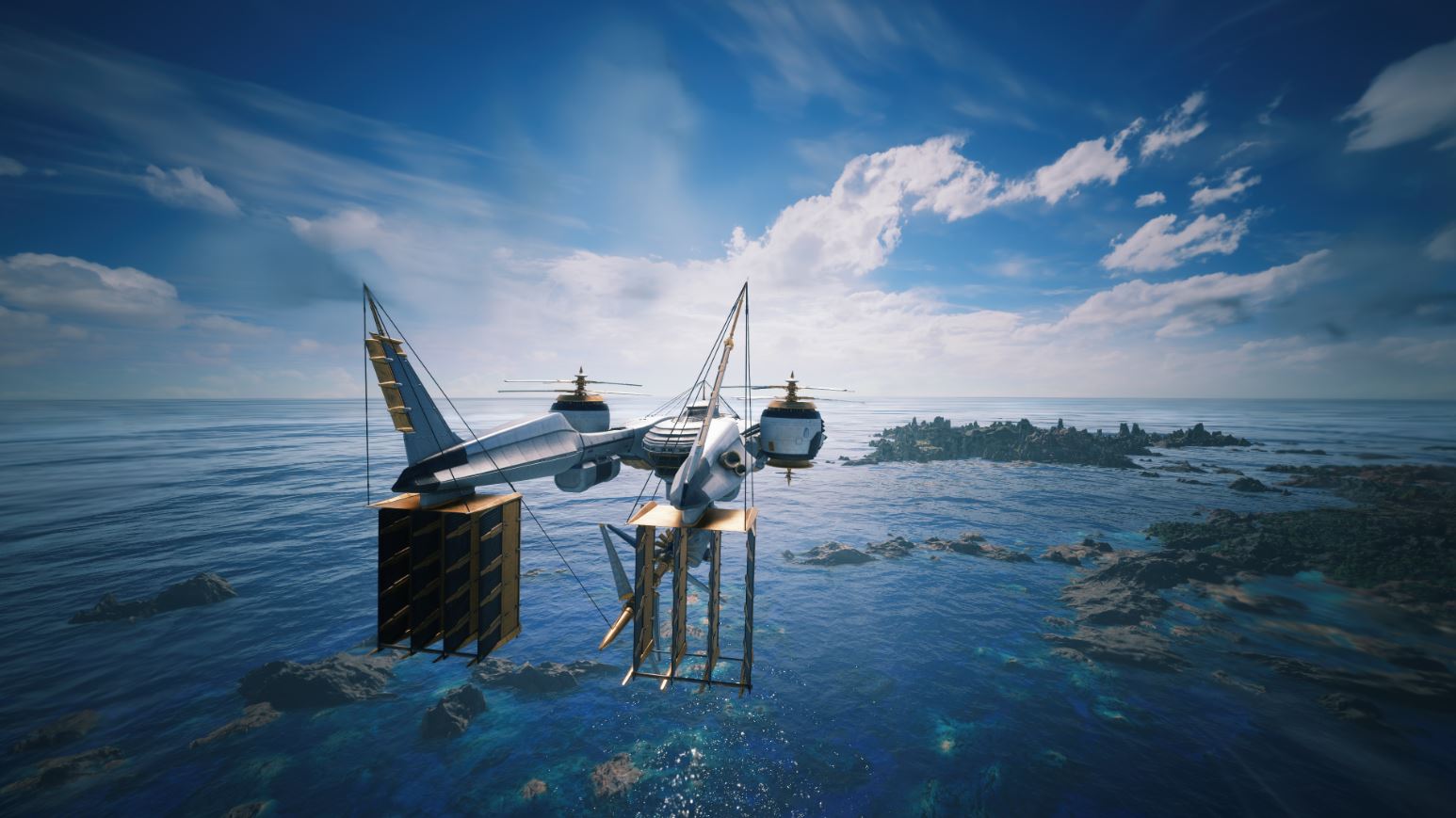
—As you mentioned, the definition of “open world” tends to vary, and it’s difficult to reach a consensus among gamers. As a result, some companies tend to avoid explicitly calling their games open world, but why did you decide to embrace it so openly this time?
Hamaguchi:
During FFVII Rebirth’s marketing campaign, we never officially called it an open-world game, and we were actually quite nervous about what to call it. FFVII Rebirth represented a major shift from FFVII Remake, and personally, I believe the essence of an open-world game isn’t whether everything exists in one giant seamless field, but whether players can freely enjoy and explore the world. By that standard, I think FFVII Rebirth already qualified as an open-world game.
Still, at the time, we debated endlessly about whether to call it an “open-area” game or an “open-field” game instead. But once the game launched, the media and fans started calling it an open-world game anyway. (laughs)
So with FFVII Revelation, we’re confidently calling it an open-world game from the start. And it’s not merely a rehash of what we did before; the scale of the experience has evolved another step beyond FFVII Rebirth, and I want players to really feel that. To be honest, I don’t know whether “open world” is the perfect term, but I can say that we set out to create an “open world spanning the entire planet,” with a scale surpassing FFVII Rebirth. It’s not just about having a vast map, but an evolved experience where, depending on what a player chooses to engage with first, the way their adventure unfolds can differ significantly.
—Among the differing definitions of an open world, what kind of open world would you say is FFVII Revelation specifically?
Hamaguchi:
One key characteristic is that the game takes place across the entire world. The continents are separated by oceans, and I think that makes it stand out among other open-world games. Since we’re adapting an existing story, we thought carefully about how to create a more open version of the FFVII world. Ultimately, we felt that having regions organized by continent while still maintaining a world where everything is genuinely connected would be more intuitive and appealing for players to engage with. I think that’s one of the key things that sets FFVII Revelation apart from other open-world games.
—So “an open world spanning the entire planet” is one of the game’s main selling points?
Hamaguchi:
Yes. In contrast to FFVII Rebirth, where you gradually unlocked new regions and eventually gained the ability to revisit previous areas, the story of FFVII Revelation takes place in a game field where the entire world is connected from the start. You’ll be able to fly the Highwind anywhere. I hope players will come to experience just how different the scale is compared to Rebirth.
—Were there any open-world games that personally inspired or influenced you while creating FFVII Revelation?
Hamaguchi:
I’m always playing a variety of games to reference and draw inspiration from. The Witcher 3: Wild Hunt, which I often mention, is one example, and there’s also Hogwarts Legacy and the Horizon series. Games built around similar design philosophies often grapple with the same challenges, and each arrive at their own solutions. Seeing how other developers solve those problems broadens my perspective and helps me discover new approaches in my own work.
More recently, there’s also Crimson Desert, which has been generating a lot of buzz. After playing it myself, I learned that “overwhelming scale” can be a powerful strength in its own right.
FFVII Revelation’s open world won’t feel sparse
—One common criticism of open-world games is that they can feel huge but sparse. How does FFVII Revelation tackle density?
Hamaguchi:
Honestly, I don’t think people need to worry about that at all. From my own playtesting, every region feels densely packed with content. One thing worth noting is that FFVII Revelation includes all of the continents from FFVII Rebirth. After all, if we suddenly announced that, say, Cosmo Canyon had been removed, people would be upset immediately.
So, with so many continents to work with, our biggest challenge for this project was to make sure all of them were tightly packed with content. We began designing content from a very early stage, and each area contains its own unique activities, gameplay mechanics, and interactive elements. Depending on where players choose to go first, their experiences can end up being quite different.
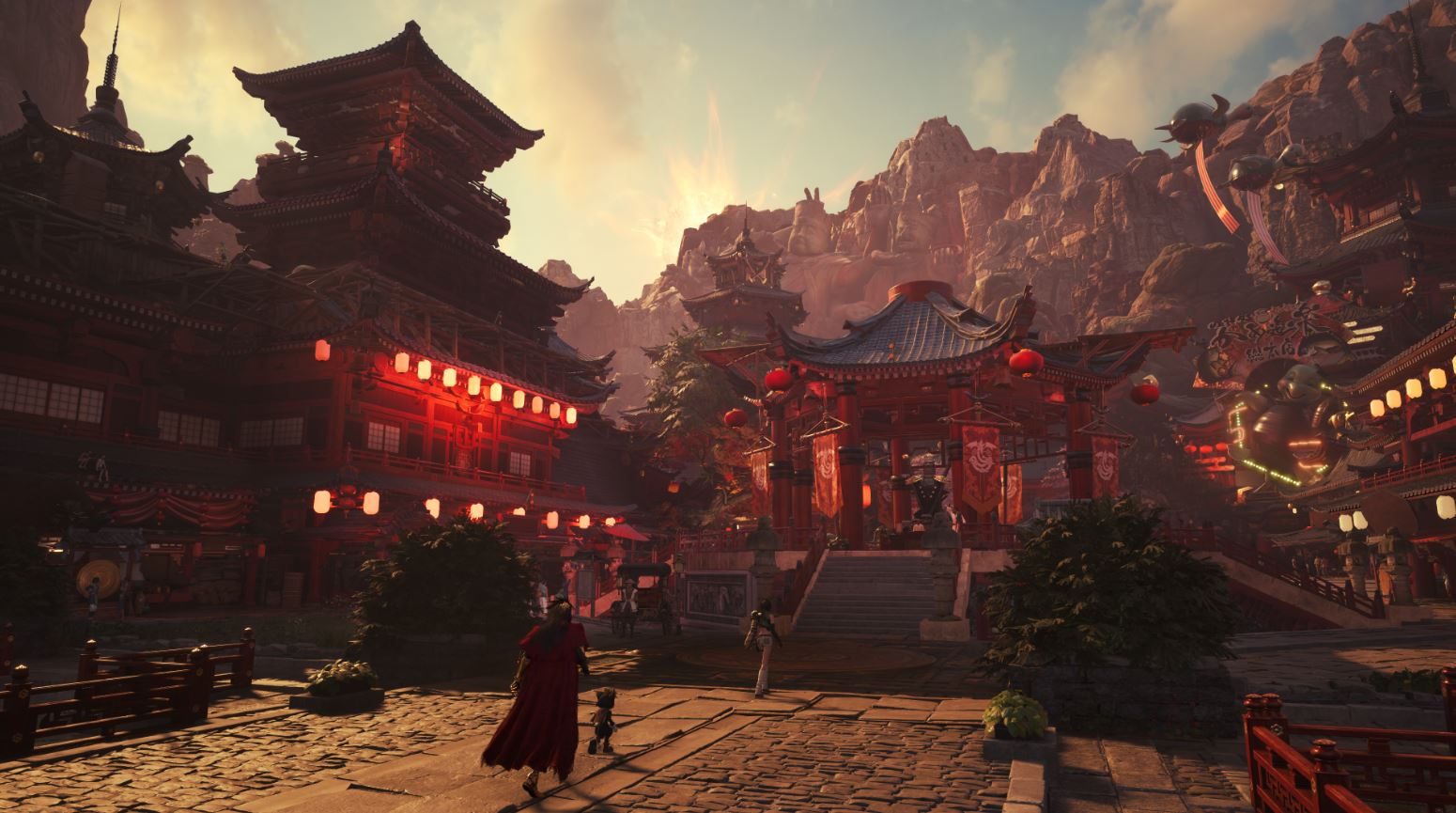
—So players will be able to revisit previous locations, including Cosmo Canyon?
Hamaguchi:
As a gamer myself, I know that simply being told, “You can go back to the same map,” isn’t very exciting if only a few minor details have changed.
—To be honest, revisiting an old area in a new game can sometimes feel more tedious than exciting if it’s structurally identical.
Hamaguchi:
Exactly. That was actually one of the title’s earliest challenges. We absolutely had to preserve the world map from previous games, but if the experience remained unchanged, those locations would end up feeling redundant. That’s why we haven’t simply reused the same areas as-is. Just as in the original game, the appearance of the Weapons has caused major changes across the world. The visual identity, atmosphere, and setting remain familiar, but the maps themselves are different from those in the previous game.
But even then, players might still go, “This feels kind of familiar,” so we’ve experimented with changing the flow of exploration itself. In FFVII Rebirth, each region featured different types of Chocobos that altered how exploration felt. In FFVII Revelation, you’ll travel alongside your companion Chocobo named Pico. As Pico grows, the way you explore the world changes as well, meaning players can have different experiences even within the same area.
Beyond Pico’s progression, you’ll also be able to parachute from the Highwind and interact with the environment in more vertical ways. Personally, I think that’s one of the game’s biggest attractions.
The “FITS System,” FFVII Revelation’s take on jobs
Hamaguchi:
Another major feature in FFVII Revelation is something we call the FITS System.
—What exactly is that?
Hamaguchi:
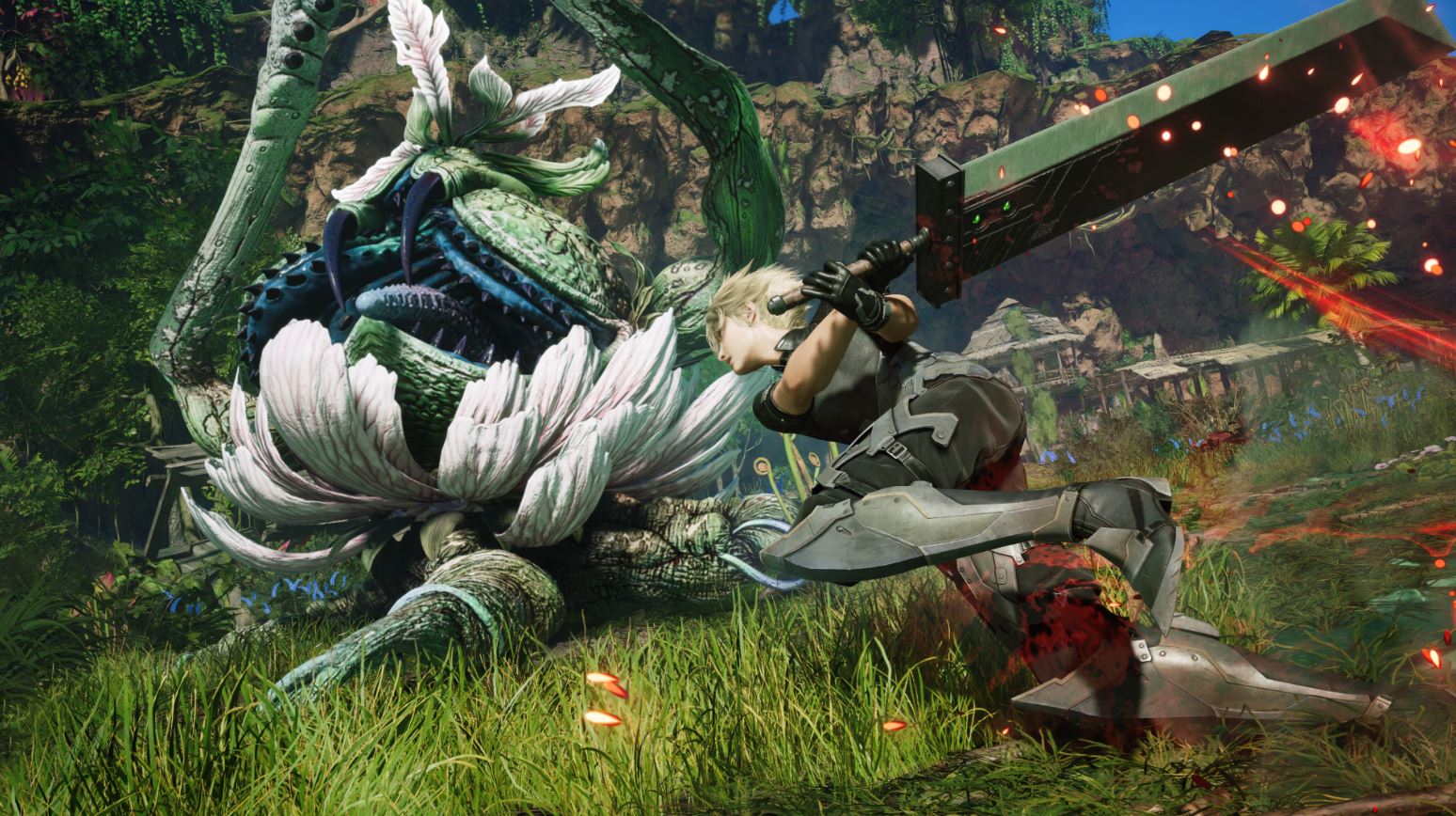
It’s essentially a kind of job system. One challenge both battle director Teruki Endo and I faced was how to expand the battle system from FFVII Remake and FFVII Rebirth. At one point, Endo went, “Jobs are one of the defining features of the Final Fantasy series, we should incorporate them this time.” His idea was that we’d allow players to customize the characters – for example, turning Cloud into a more mage-oriented character – and thus avoid conflict with existing game systems. I thought it sounded promising, so we decided to move in that direction. That’s how the job-inspired FITS System came about.
I believe the large cast of FFVII is one of our strengths compared to many other open-world games. With eight party members available, players can choose three members, experiment with their synergies, and customize their individual roles. To me, letting players experience all the different combinations seemed like the right approach for this title. Conversely, I don’t think creating a game focused on throwing punishing enemies at players and forcing them to struggle would have been what “our” FFVII is about.
—I see, so the FITS System is there to add depth to party battles.
Hamaguchi:
I think that’s where things have changed quite significantly. What’s interesting is that once the system started taking shape, Endo came up to me with the proposal that all outfits for all characters should be unlocked at the same time as soon as the FITS System itself became available. That really surprised me, because the whole time, I’d been thinking about how to distribute different outfits throughout the game as incentives to guide players toward parts of the game.
—Giving players immediate access instead of using them as rewards is a pretty bold decision.
Hamaguchi:
Right? But when Endo suggested it, it made sense to me. Traditionally, you’d start with something like a Warrior outfit for Cloud and a Black Mage outfit for Cait Sith. Then, after progressing through the game, Cloud would eventually gain access to Black Mage outfit as well.
However, while this makes it seem like the player is making choices at first glance, in reality, the game is steering them down a path designed by the creators.
With FFVII Revelation, however, we wanted players to make their own choices, and Endo’s view was that if that’s our goal, then we should simply hand players every outfit from the beginning and let them decide for themselves which outfit they want on Cloud, and which on Cait Sith. Hearing this, I thought “Alright, let’s do it.”
Another factor is that nowadays, skill trees practically require reset options, don’t they? So we’ve balanced the system around the idea that if players try an outfit and don’t like it, they can simply switch to a different one.
—This is probably a question you get asked often, but with the game releasing on multiple platforms, have hardware differences imposed any restrictions on the game design?
Hamaguchi:
No, they haven’t. From the very beginning, we design game assets and resources with a wide range of hardware specifications in mind, from lower-end systems to high-end ones. Because of that, moving to a multiplatform approach hasn’t imposed any limitations on our game design.
You can rest assured on that point. I get asked this question frequently, but honestly, the more times I answer it, the more widely that understanding spreads, so I’m happy to keep saying it. (laughs)
—I’d also like to ask about the Weapon battles, which were prominently featured in the trailer. What kind of combat can we expect?
Hamaguchi:
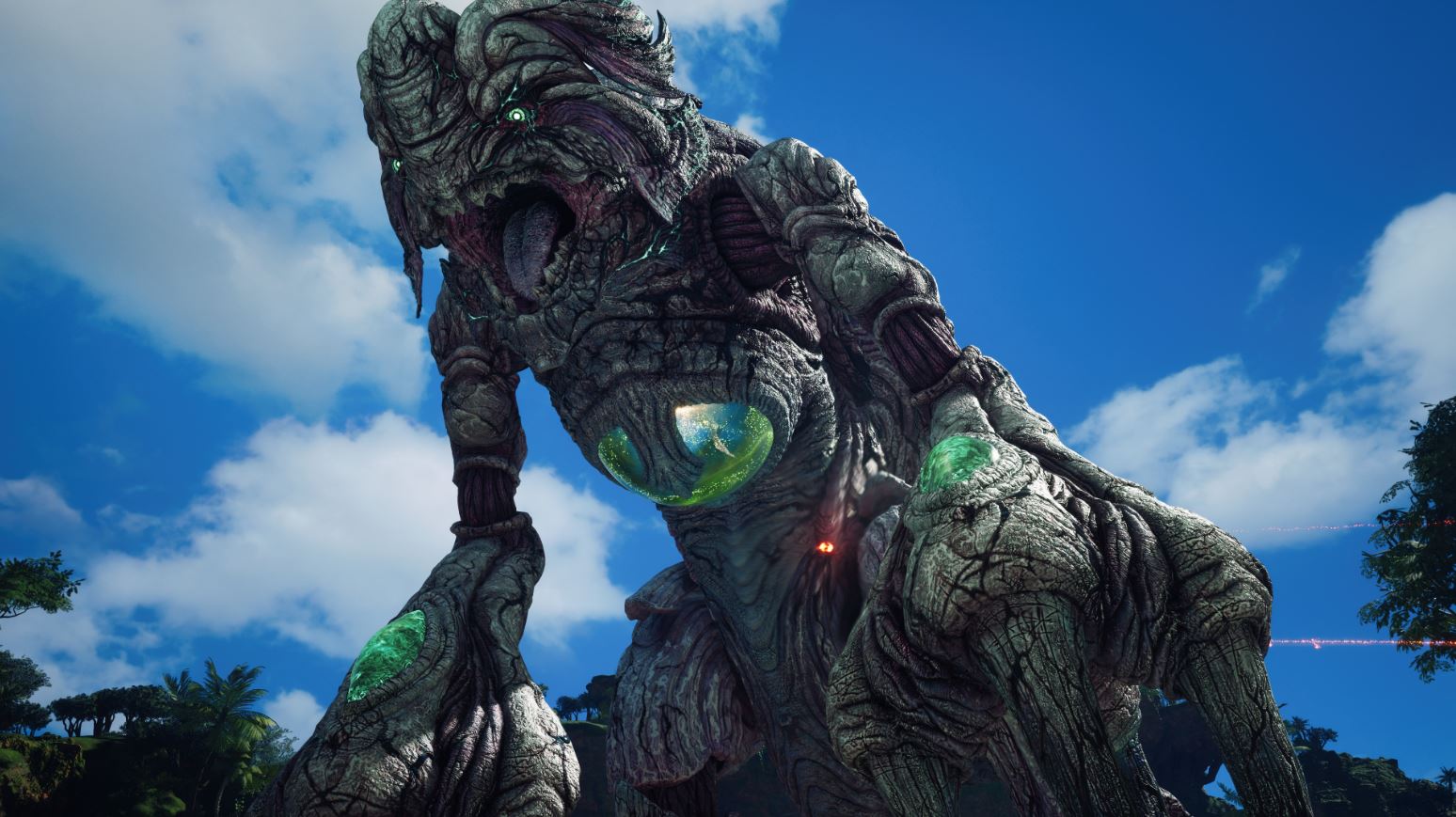
When we started designing the Weapon battles, there was one thing I told the battle team very clearly. Weapons are enormous, so if you simply introduce them into the normal battle system, all you can see is their feet. Without some ingenuity, the standard combat system will not work.
—If the goal were simply to make them easier to implement, I imagine you could turn them into cinematic sequences with QTEs and scripted interactions.
Hamaguchi:
That’s certainly one possible approach. But I wanted to depict Weapon battles as a natural extension of the regular combat system. Even if we created a completely different style of battle and players cleared it successfully, I felt it would be disappointing that all the character progression, customization, and preparation they’d invested in up to that point suddenly became irrelevant. I told the team that I didn’t mind adding new mechanics or minigame-like elements, but that fundamentally, Weapon battles needed to be built on top of the same combat system.
In the trailer, there’s a scene where you’re fighting the Weapon in Mideel, where you grab onto Barret and fire at it like mad. But using that mechanic isn’t mandatory. You can slowly chip away at the enemy by repeatedly attacking its legs if you want, or you can use battle gimmicks. The important thing is that Weapon battles function within the framework of the normal battle system, and I think we’ve done an excellent job of making that work.
—The trailer definitely gave the impression of “wow, this is all playable.”
Hamaguchi:
That’s exactly what we were going for. I think it’s going to be something players will really enjoy, so I hope you look forward to it.
Final Fantasy VII Revelation is scheduled to release in Spring 2027 for PC (Steam, Epic Games Store, Xbox on PC), Nintendo Switch 2, PS5, and Xbox Series X❘S.
[Interviewer: Ayuo Kawase]

AUTOMATON WEST
Articles: 210Related Posts

Another change in battle system….i just got used to the shitty last one!