

Last week, Japan’s Patent Office (hereafter JPO) published a notice of rejection of Nintendo and The Pokémon Company’s divisional patent application No. 2026-019762. Describing an “in-game monster-capturing system,” this patent application is closely tied to the ongoing legal dispute with Palworld developer Pocketpair, so it comes as no surprise that the rejection has attracted attention.
But curiously, Japanese users have pointed out the uncharacteristically scalding language JPO’s examiner used in addressing the counterarguments from Nintendo’s side, with people amusedly posting their “favorite quotes” from the legal back-and-forth. Industry professionals like Japanese patent attorney Kiyoshi Kurihara have likewise commented that both Nintendo’s objections and the examiner’s written response contained “things rarely seen in standard patent practice.”
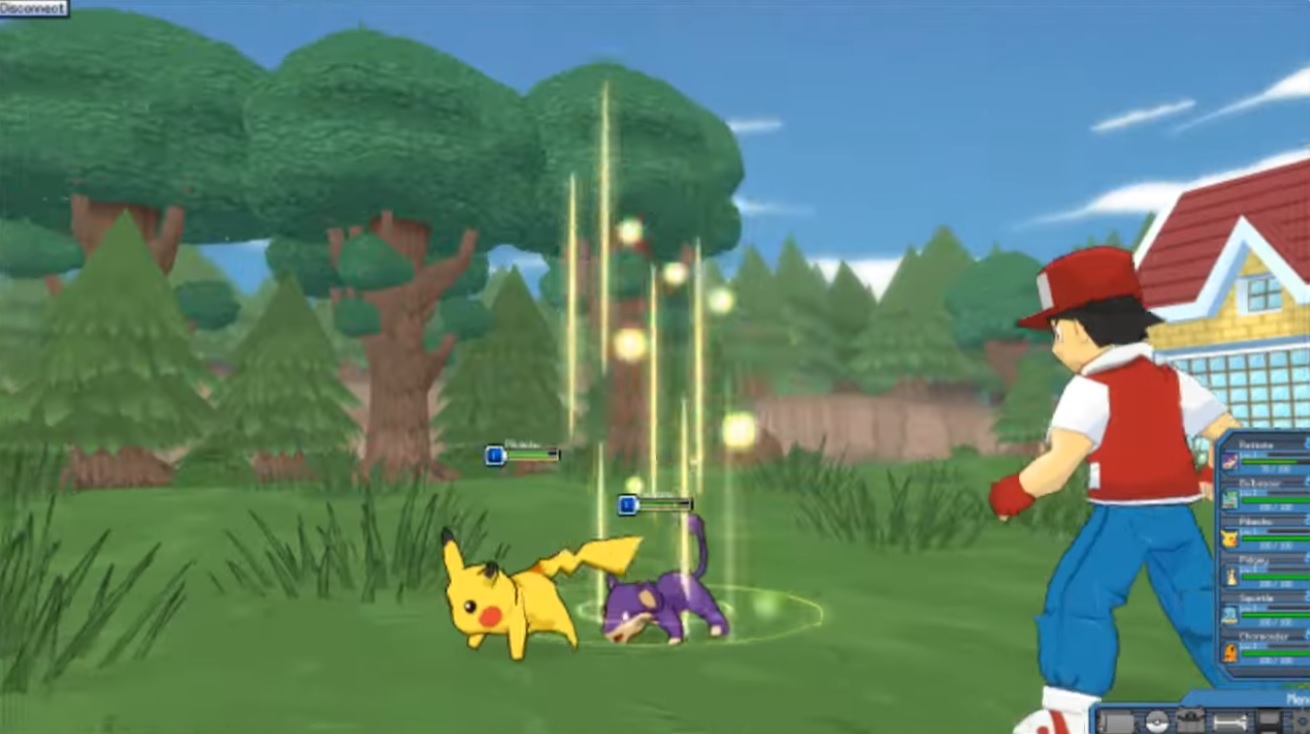
One of the key factors behind the patent’s rejection is a YouTube gameplay video from 2013 demonstrating the indie fangame Pokémon Generations. In its initial “Reasons for Rejection,” the JPO cited gameplay mechanics showcased in the video to argue a lack of inventive step in Nintendo’s patent application, describing mechanisms like “selecting a Poké Ball displayed at the bottom right of the screen causes Ash to throw it; if it hits Pikachu, Pikachu can be captured.”
However, in its subsequent counterargument, Nintendo’s side strongly disputed these claims, emphasizing that the game in question and the characters depicted in it infringed upon its copyrights. They argue that JPO’s examiner “acted extremely inappropriately by deliberately mischaracterizing an infringing product as though it were an authorized one,” and this sentence is repeated numerous times throughout the document.
In turn, in the recent notice confirming the rejection, JPO’s examiner shuts down the mention of copyright infringement entirely, explaining that, based on domestic patent law and court precedent, whether an invention infringes on copyright or not has no bearing on determining inventive step. While somewhat drily implying that Nintendo’s stance strays from “standard thinking for patent practitioners,” they dismiss the interpretation that the examiner acknowledged the cited fangame as an officially licensed Pokémon game as a “completely unreasonable misunderstanding.” They also add, “The mere possibility that the reasons for rejection could be subject to such an unreasonable misunderstanding has no bearing on the assessment of inventive step.”
Another part of the notice that has been causing amusement among Japanese users is the examiner’s apparent annoyance with Nintendo’s pedantry over how the unofficial game and its content was referred to in the reasons for rejection. In its counterarguments, the company stated, “Ash, Pikachu, and Poké Ball should properly be referred to as “a character infringing upon Ash,” “a character infringing upon Pikachu,” and “a character infringing upon Poké Balls,” respectively.”
In response, the examiner says, “If it were impermissible for the reasons for rejection to refer to character names, then even at the cost of being redundant, accuracy should take precedence. In that case, the notice would need to use cumbersome descriptions such as ‘an object in the form of a small animal’ instead of Pokémon, ‘an object in the form of a boy wearing a red cap’ instead of Ash, ‘an object in the form of a small yellow animal’ instead of Pikachu, ‘an object in the form of a small green animal’ instead of Bulbasaur, and ‘a spherical object with a red upper half and a white lower half’ instead of Poké Ball. However, even with such rephrasing, the logical structure of the grounds for refusal remains unchanged. Therefore, this argument has no bearing on determining inventive step.”
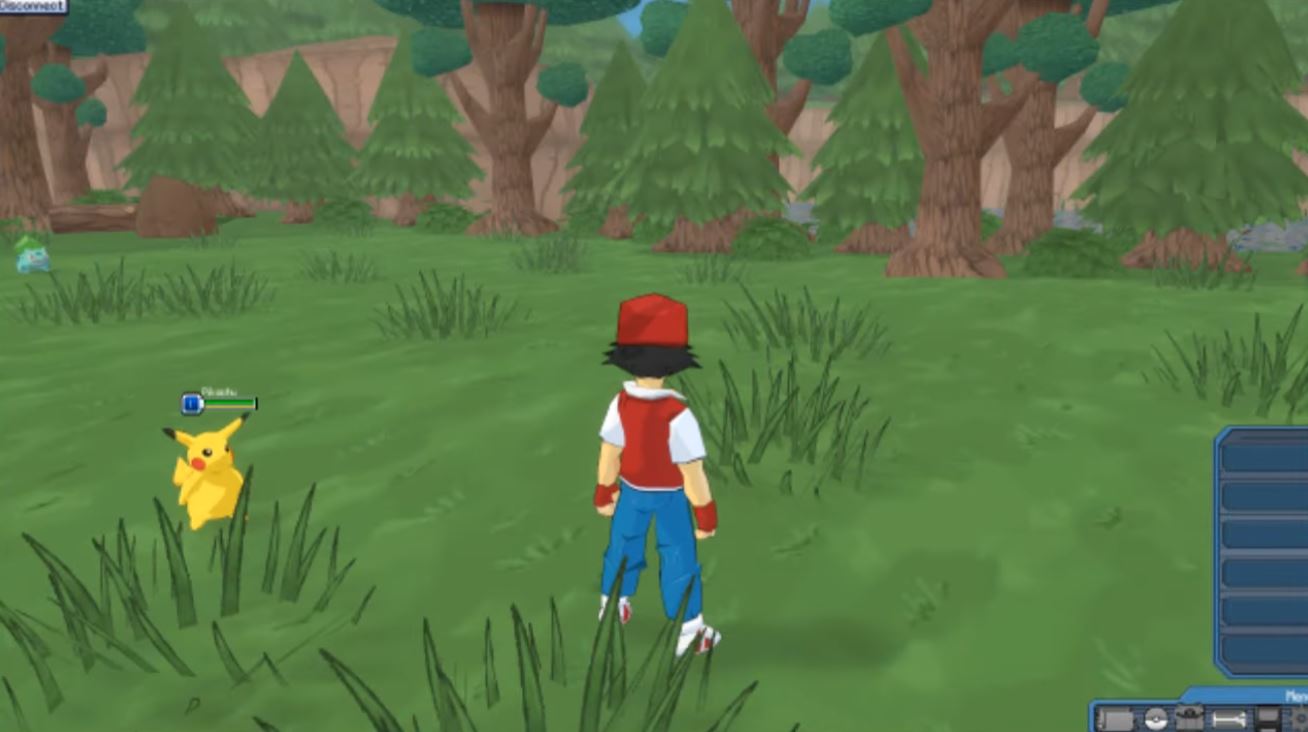
Another objection raised by Nintendo positioned that the Pokémon Generations video was “merely a video” and thus the examiner could not extract the technical elements of the claimed invention from it. The examiner seems puzzled by what this argument is supposed to mean, surmising that it is probably intended to imply one of two things: that Nintendo’s side acknowledges that the video is genuine gameplay footage, but does not believe footage alone can disclose the technical features of a game program; or, that Nintendo’s side is casting doubt about whether the video is gameplay footage at all, but perhaps merely an animated video to which narration has been added so as to make it appear as though the uploader were playing a game. The examiner promptly dismisses both arguments, while noting that in the second scenario, “the uploader’s behavior would be way too preposterous.”
While these are just some snippets, JPO’s notice ultimately did not acknowledge the objections brought forth by Nintendo’s side, and the patent’s rejection has been sustained. Nintendo now has the right to file a petition for a trial against the decision of rejection with the Commissioner of the JPO within three months. Note that this rejection does not invalidate the registered patent currently being directly asserted in the Palworld lawsuit at the Tokyo District Court. Rather, it concerns the JPO’s refusal to grant Nintendo a patent for a separate divisional application within the same patent family.

Whenever I see a story show up, detailing Nintendo fighting against Palworld for simply existing, or literally anything else that dares existing too close to their content. I get the vibe that Nintendo is behaving like a dragon fighting off literally anything that appears to be threatening its hoarded wealth…
This whole thing reads way more like a spoiled child throwing a tantrum than a dragon doing anything. Either way, Nintendo embarrassing themselves so guilelessly is one of the most entertaining things they’ve ever done, at least with regards to Pokemon.
Palworld is a rip off of Pokémon 1000 percent and I cannot wait for Nintendo to titty smack them into submission.
Pal world is no more a rip off from Pokémon than every other FPS is a “rip off” of every other FPS, or every Minecraft clone, or every farming simulator. Monster catching is a genre, maybe Pokémon should step up their game and make something as fun as Pal world rather than crying about another developer having success in the genre they believe they own.
Well considering Nintendo has lost basically every single lawsuit they brought against them you’re probably going to be waiting a while, little guy.
what a dumb retard
You literally made an account just to say this, huh? What a good little nintendog you are.
Pokemon didn’t invent monster fighting games. Pokemon company is salty because with all their resources they have just created the same tired Pokemon game over and over for 25 years just renaming the towns. They are out of ideas and Palworld just made a much better game that resembled poke enough for them to go legal Karen mode.
Obvious bait is obvious,
Nintendrones on suicide watch
It’s because they have no choice. They’ve locked themselves into this work ethic of churning out Mario/Zelda/Pokemon slop and they’re making a ton of money doing it because drooling little babies just have to play the newest things that’s the same as the other things they already played.
I’d say Zelda BotW and TotK are the best Zelda games since the first Zelda released on NES, so at least someone at Nintendo cared enough about Zelda to stop treating it like crap. New installments of Mario and Pokemon remain completely soulless though.
FAILED MISERABLY! Pokémon already in weakest state in the last 5 years and they tried to sue something fresh and a lot better. Seriously lack of plan to sue. Meh. If they raise slowly Pokémon existence with great movie and great game, THEN starting to sue Palworld there’s chance to win. But fighting while their position merchandise is at the weakest is plain suicide. What a fool clown, and no one even care with this kind of clown.
Why is Nintendo trying to patent in 2026 a mechanic that they released in 1996? They have had 30 years, likely more since it would have been in development as well. Should be a case of to late you missed your window.
And in most other countries, it would be far too late for them to patent it, yes. But because of the way Japan handles copyright and patent laws, Nintendo has been able to get away with it in this case.
It’s mostly them trying to patent the mechanic of capturing in a 3D environment, which isn’t going well.
Sounds like Japan is getting tired of Nintendo’s whining. Finally.
Remember when I played this game this Pokemon game it was a fun time someone should Sue this other game
You saying someone should sue palworld again? Or Nintendo?
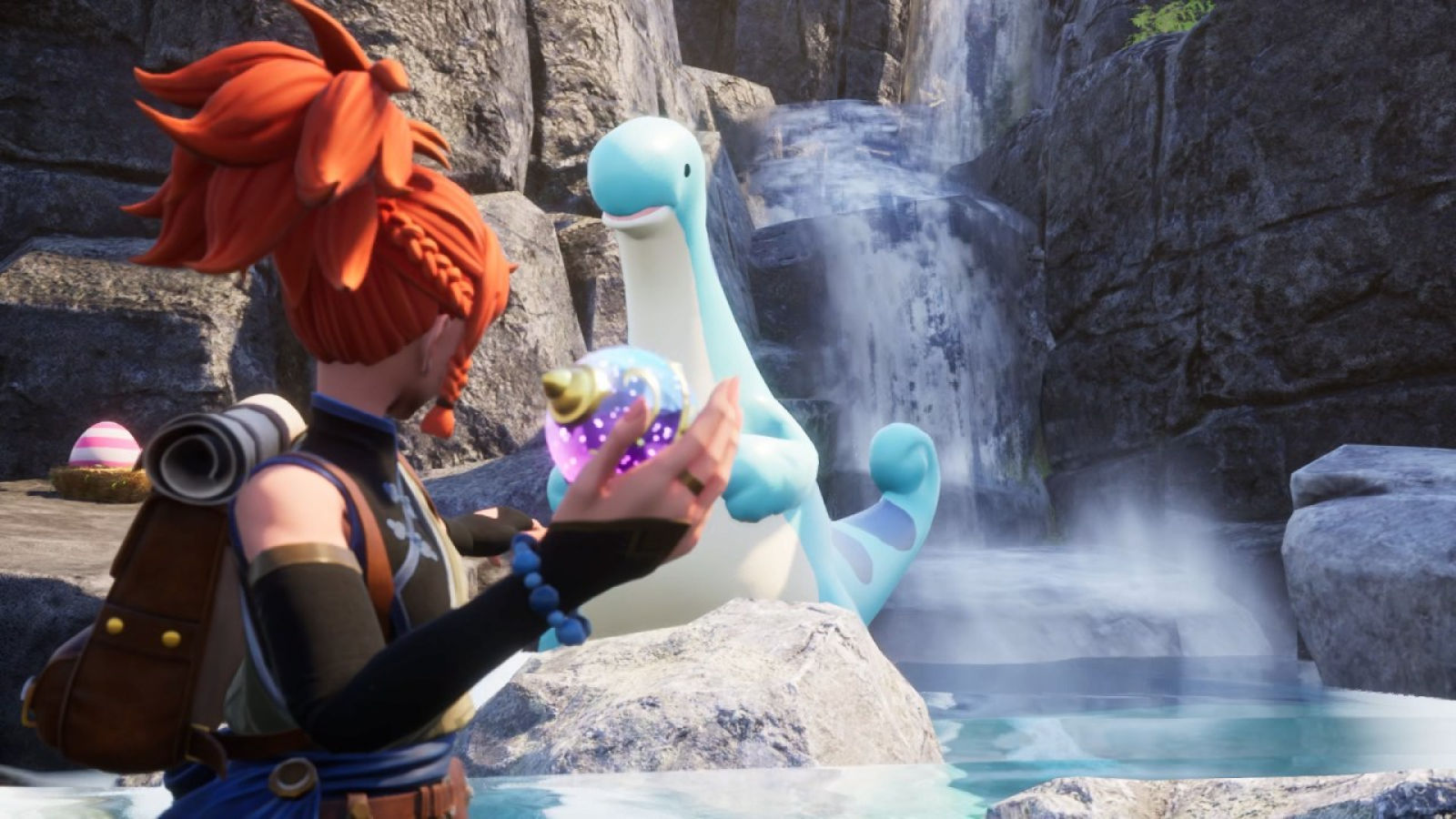
…Im a little confused. Title says Palworld. Opening says Palworld. CLOSING says Palworld. Everything in the middle talks about a fan made, unofficial game. As well as something infringing upon Ash, Pikachu, and Pokeballs….with a picture underneath that looks like some weird fan made Pokémon game. So uhm- is this actually about Nintendo vs Palworld? Or is this just title bait over a different fan project that Nintendo is trying to get shut down but using Palworld in the header to draw viewership? Cause this article doesnt seem to be talking about Palworld itself at all…beyond mention of how the legal battle is still ongoing.
Are you a bit slow? Nintendo is suing Palworld on the basis of this patent they submited of their 3D monster capturing system used in games like Legends Arceus. The Japanese patent office (JPO) turned down the patent on the basis that this system has been used way before Nintendo used it, with the 2013 fangame as an example, so they have no right to a patent.
Well Nintendo deserves it because they’re a piece of crap gaming company that only care about the next dollar they make instead of their fans
If Nintendo claims Palworld is a rip-off of Pokemon, then by that same sense, Pokemon is a rip-off of Jade cocoon.
Nintendo needs to man up, realize they have some real competition, and maybe, just maybe, put some actual effort into improving their games, instead of throwing a temper tantrum.
pretty sure the money they have wasted pursuing this legal circus, they could have make their games match or ever surpass Palworld.