Unity Technologies announced its new Unity 7 game engine at the Unite Seoul conference in South Korea on July 21. Early beta testing will begin this December, with an official release slated for the first quarter of 2027.
One of Unity 7’s most notable promises is hassle-free upgrading from Unity 6, the previous version which was released in October 2024. Because the new engine builds directly upon Unity 6’s architecture, developers don’t need to rebuild their projects or adopt a new programming language, while Unity aims to minimize compatibility issues during migration.
Unity 7 adopts CoreCLR as its default scripting backend. According to Unity, this change will accelerate various aspects of development, including significantly faster Play Mode startup times and shader compilation, while also introducing domain reload capabilities.
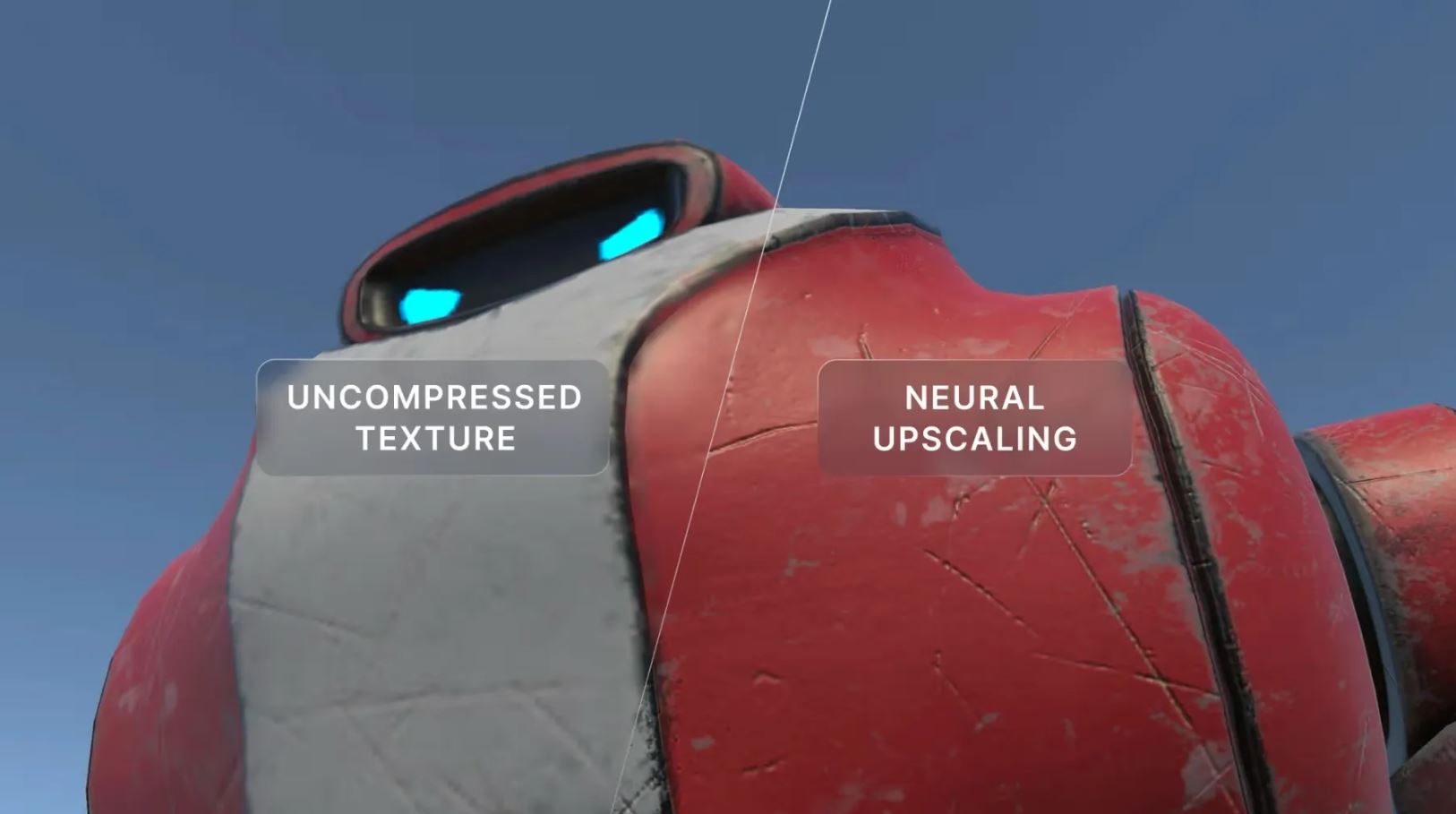
The engine’s advancements in rendering technologies and AI-assisted optimization tools are intended to allow Unity 7 developers to achieve both high visual quality and performance. This includes Surface Cache GI, a new global illumination system designed to enable more realistic lighting.
The new command-line interface (CLI) and public application programming interface (API) are intended to allow open collaboration between dev team members using familiar tools. In addition, the free model context protocol (MCP) allows coding agents to directly connect to Unity 7. The engine also includes Vector, a suite of tools meant to help developers with conducting direct-to-consumer commerce, as well as building no-code webshops and managing unified product catalogs.
The Unity 7 announcement comes hot on the heels of last month’s official Unreal Engine 6 reveal (though some would argue UE6 was revealed during the Rocket League Championship Series in May). While both engines are targeting release in 2027 and place emphasis on similar evolutive features such as AI-driven optimization, there are some notable differences. While Unity 7 is building off its predecessor in a way that doesn’t interfere with developers’ ongoing projects, Unreal Engine 6 introduces Epic’s Verse programming language and plans to move away from the current Blueprints visual scripting system, the latter of which makes it easier for developers to create games without writing traditional programming code.