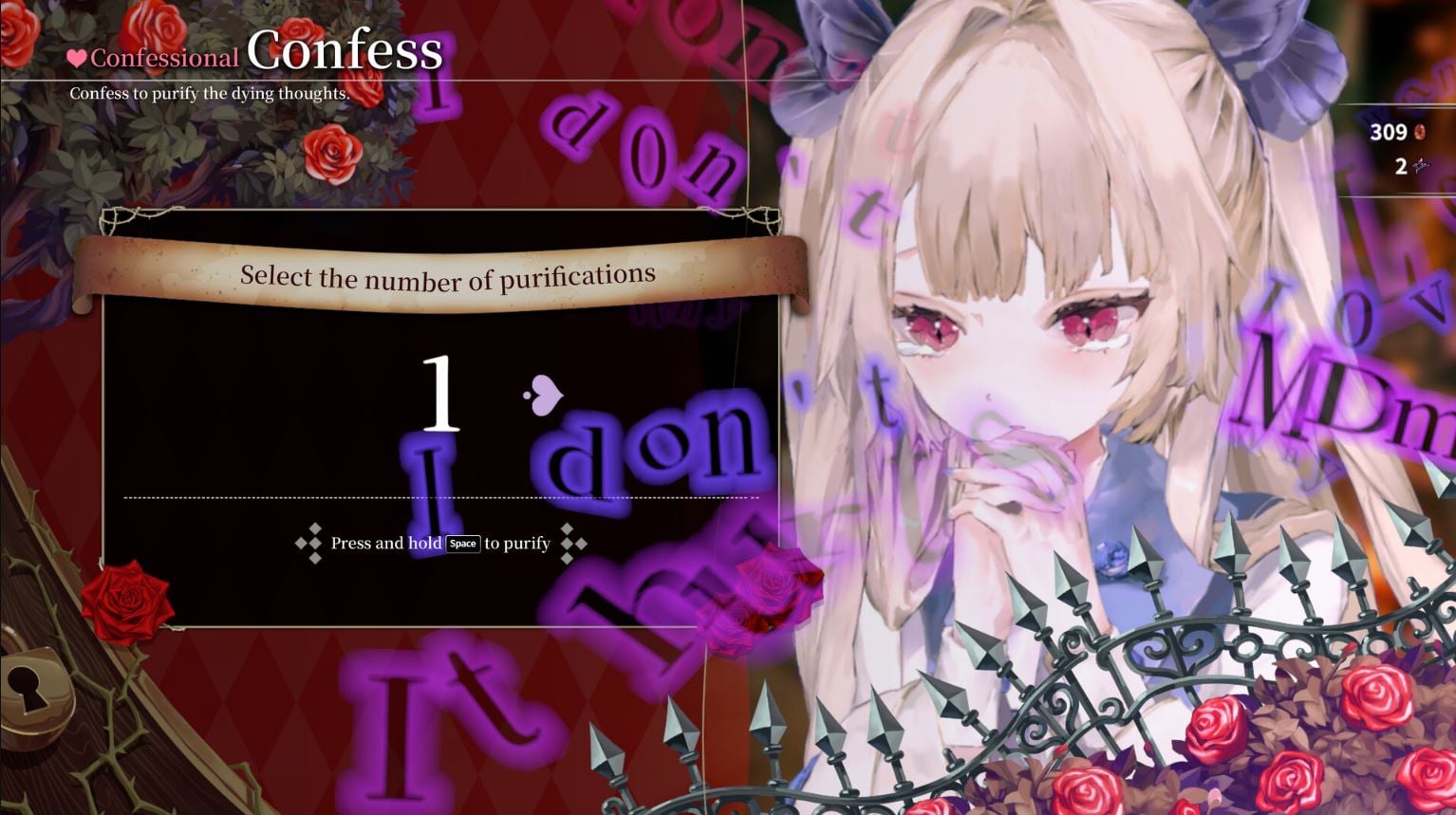
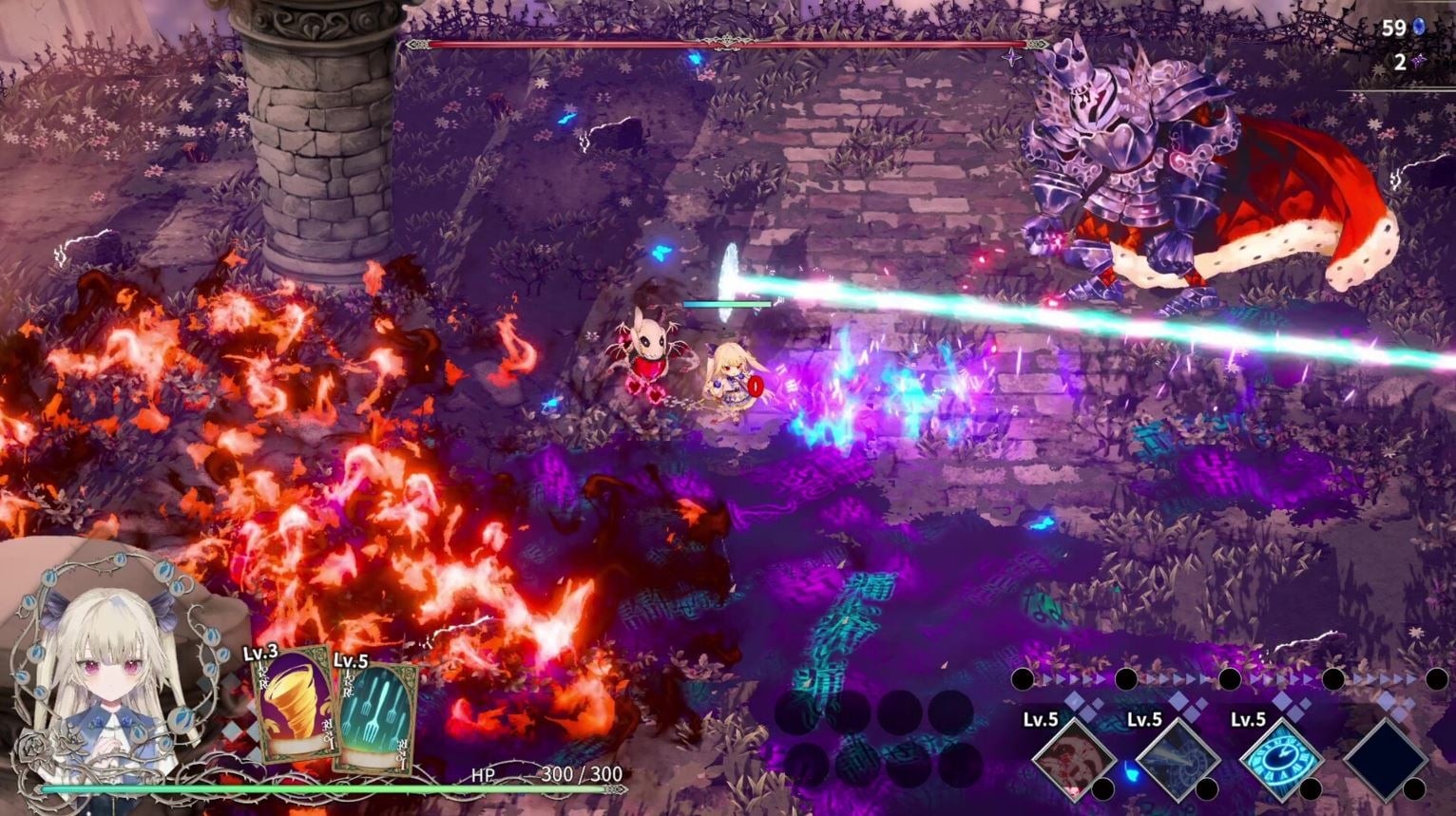
CRYMELIGHT is an upcoming roguelike action game from JRPG developer FuRyu. Within a dark Alice in Wonderland-inspired setting, the game follows a cast of young girls who have arrived in the afterlife, each carrying some kind of “sin” they committed while still alive. Trapped in a prison called Wonderland, the girls must fight and confront their sins to free their souls. As the amnesiac protagonist Alice, you participate in the death game against the Queen of Hearts’ royal army. By defeating enemies, Alice will be able to repent for her sins, allowing her to become more powerful. As the death game unfolds, Alice will also learn about the past lives of the other participants.
The game is set to launch on November 5, with a demo currently out on Steam.
During Tokyo Game Show 2026, ATOMATON sat down to talk to producer and director Takumi Isobe about how CRYMELIGHT came to be, what sets it apart from other roguelikes, and where it stands in FuRyu’s “Cry” series.
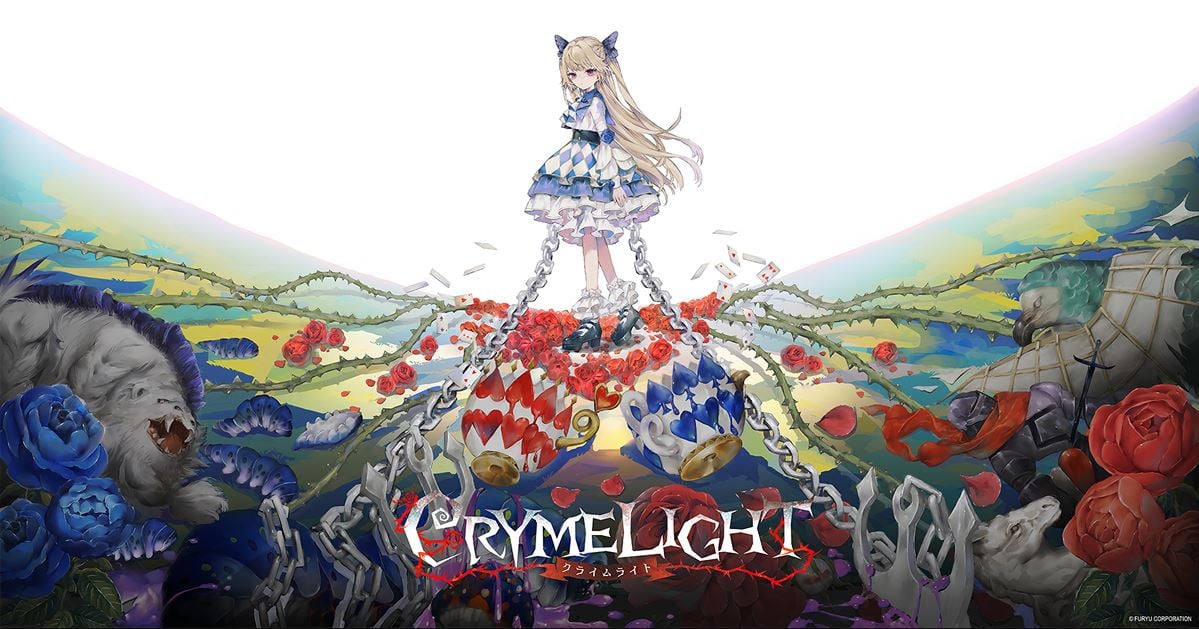
2D graphics ensure none of the “cuteness” of the original characters designs is lost
—To start us off, could you please introduce yourself?
Takumi Isobe:
I’m Takumi Isobe from FuRyu. I’m the producer and director of CRYMELIGHT.
—CRYMELIGHT is the third title in the series following Crystar and CRYMACHINA. Where does it stand within the series?
Isobe:
In terms of how the three games relate to each other, CRYMELIGHT is a completely new title. I would like you to think of them as independent entries, like the numbered titles of the Final Fantasy series. While Crystar, CRYMACHINA, and CRYMELIGHT can arguably be considered part of the “CRY” series, they basically have no direct connections in terms of the story.
That said, they do have some elements in common.
For example, the visual motif of girls shedding tears, as well as the theme of characters trying to move on forward as they are confronted pain and hardship. Those aspects are also present in CRYMELIGHT.
However, CRYMELIGHT explores these shared themes from a different angle. I think it’s a kind of game that will make those who have played previous titles recognize its signature “CRY” series feel, while also being a good entry point for first-time players as a new standalone title.
Of course, there are many elements that I think will bring smiles to the faces of those experienced with the series.
—How much freedom do you have when creating a game?
Isobe:
In general, it depends on my role, as well as the title itself. When it comes to CRYMELIGHT, I’d say I was able to make it with a fair amount of freedom.
But even then, it doesn’t mean that I can just put whatever I want into the game. CRYMELIGHT is a part of the “CRY” series, so I had to consider what its players like and what they’re looking for. That’s why I’ve incorporated plenty of what fans of the series want.
In that sense, I think I’ve managed to make a game that reflects both our distinct style and the uniqueness of CRYMELIGHT.
I serve as both producer and director, but I’ve had the opportunity to tackle areas even beyond that scope, to the finest details. I actually wrote the lyrics for the opening theme, “Love and Guilt,” and I’ve also taken on some work that’s similar to art direction as well.
In terms of direction and visual design, I’ve also had opportunities to create storyboards myself. I pay very close attention to many details, and I’m constantly conscious of things like “I want to depict this scene in this way,” “I want to make this screen more beautiful.”
So, I think CRYMELIGHT is a title that is filled with my own personal tastes and attention to detail, not just from the production perspective, but also when it comes to direction and visual design.
—Crystar and CRYMACHINA both used 3D graphics. Why did you opt for 2D graphics for CRYMELIGHT?
Isobe:
The main reason is that I thought 2D was the best way to properly convey the cuteness and charm of our characters to players.
The character designs are initially created in 2D by the artists. Of course, 3D graphics have their own advantages, and they are generally easier to work with when it comes to production efficiency and creating action scenes.
However, when we try to turn the cute and detailed expressions of 2D characters into 3D models as-is, they inevitably end up looking slightly different from the originals. And we didn’t want to keep even the slightest differences in the game.
We wanted to ensure that the girls’ cuteness, fragility, and subtlety of expressions were properly conveyed to players. That’s why we made the bold decision to keep everything in 2D.
Additionally, in the game’s story sections, we’ve made the characters move more extensively than ever before. The game doesn’t just display dialogue between static sprites, and including the facial expressions, gestures, and timings of their motions, the characters really move as if you’re watching an anime.
On the other hand, using 2D graphics sometimes makes it difficult to achieve a three-dimensional look and dynamic camera work. That’s why we focused on creating shots that are only possible to express in 2D.
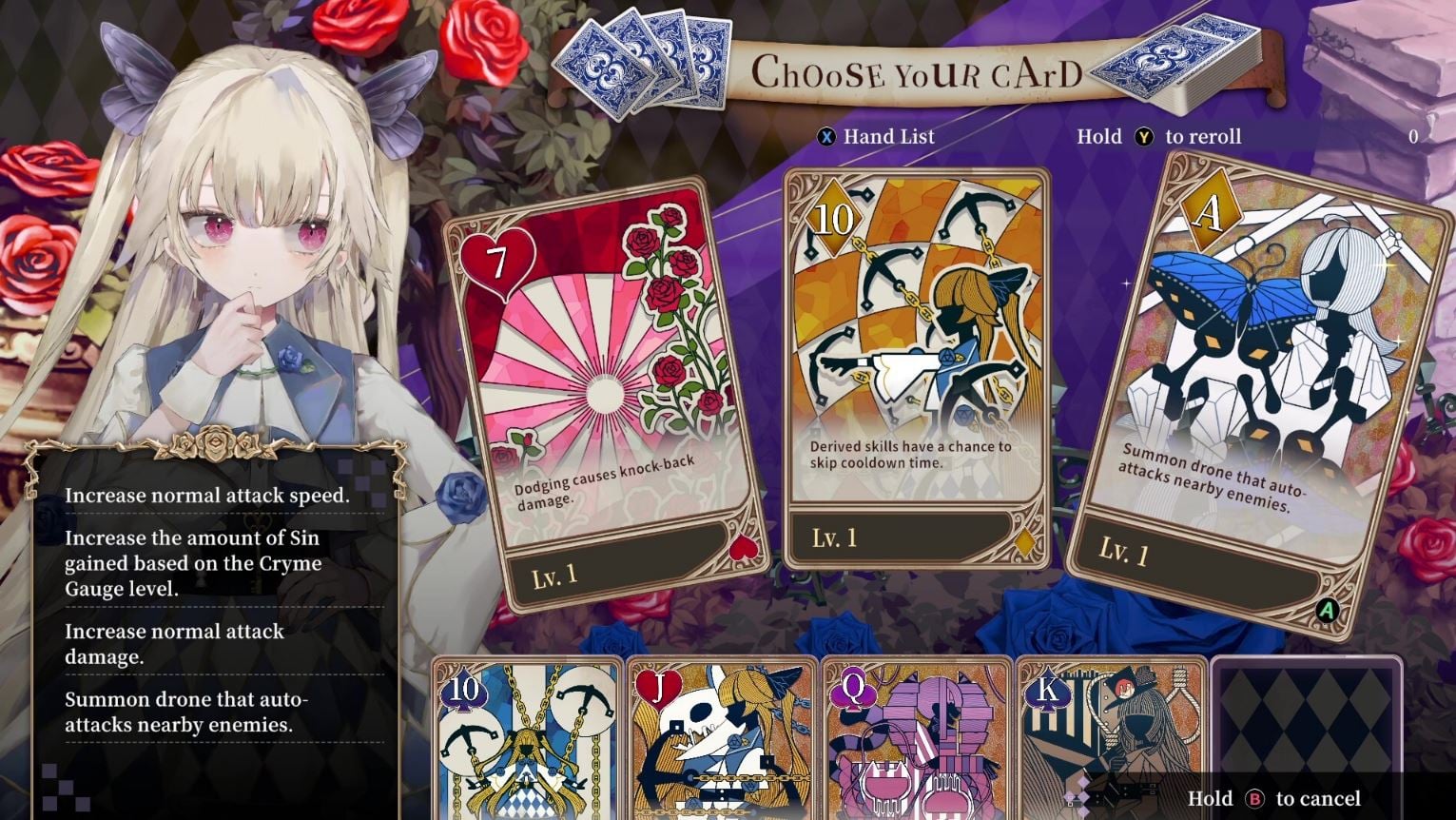
The backgrounds and levels, the shot compositions of the story parts, and even the Crime Cards are made to evoke a sense of beauty and be perceived as a single piece of art.
I’ve also personally decided on the visual direction of each scene to the smallest details. They’re cute, beautiful, but somehow unsettling. I think that, by making it 2D, we were able to thoroughly express CRYMELIGHT’s unique atmosphere.
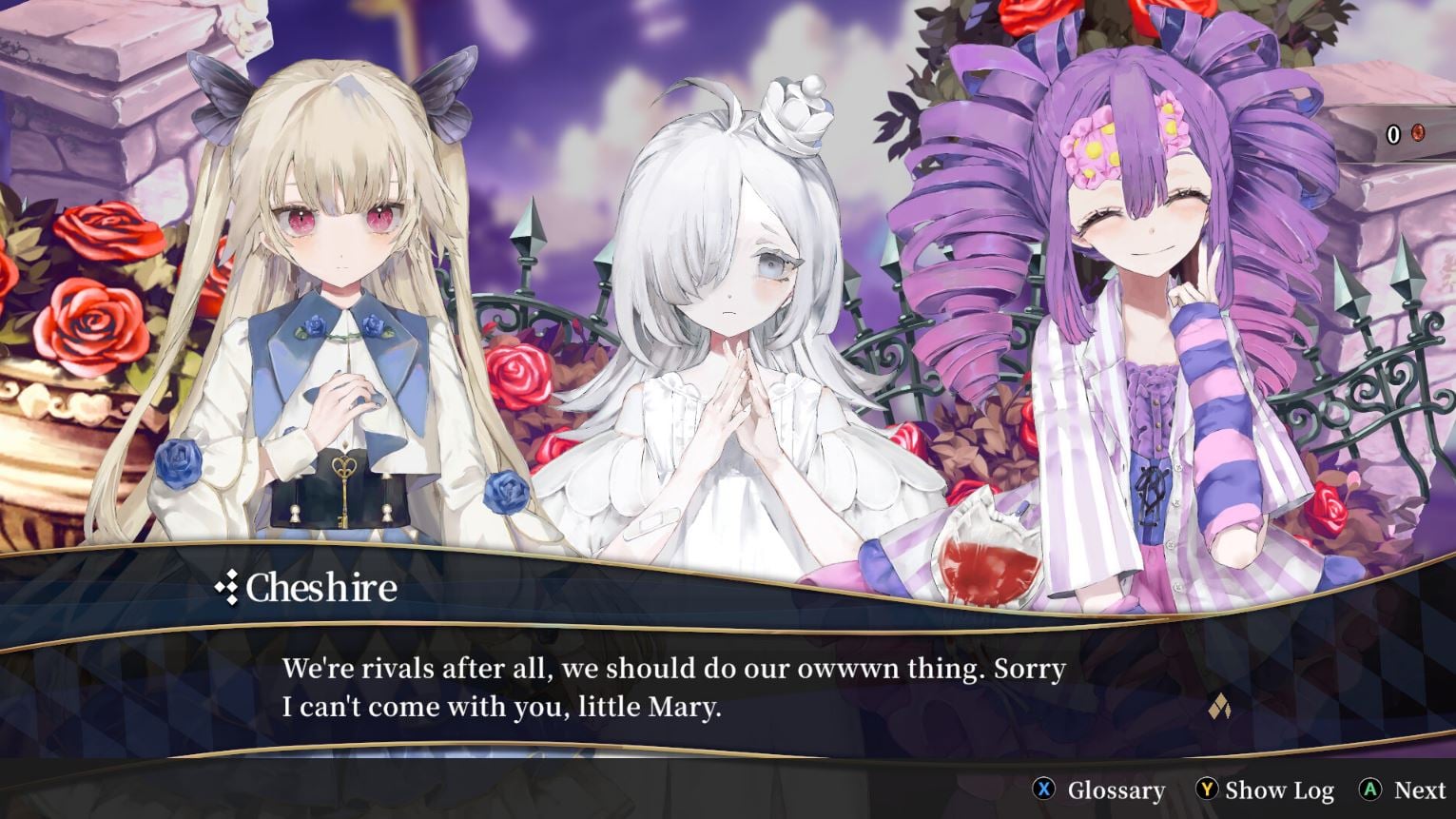
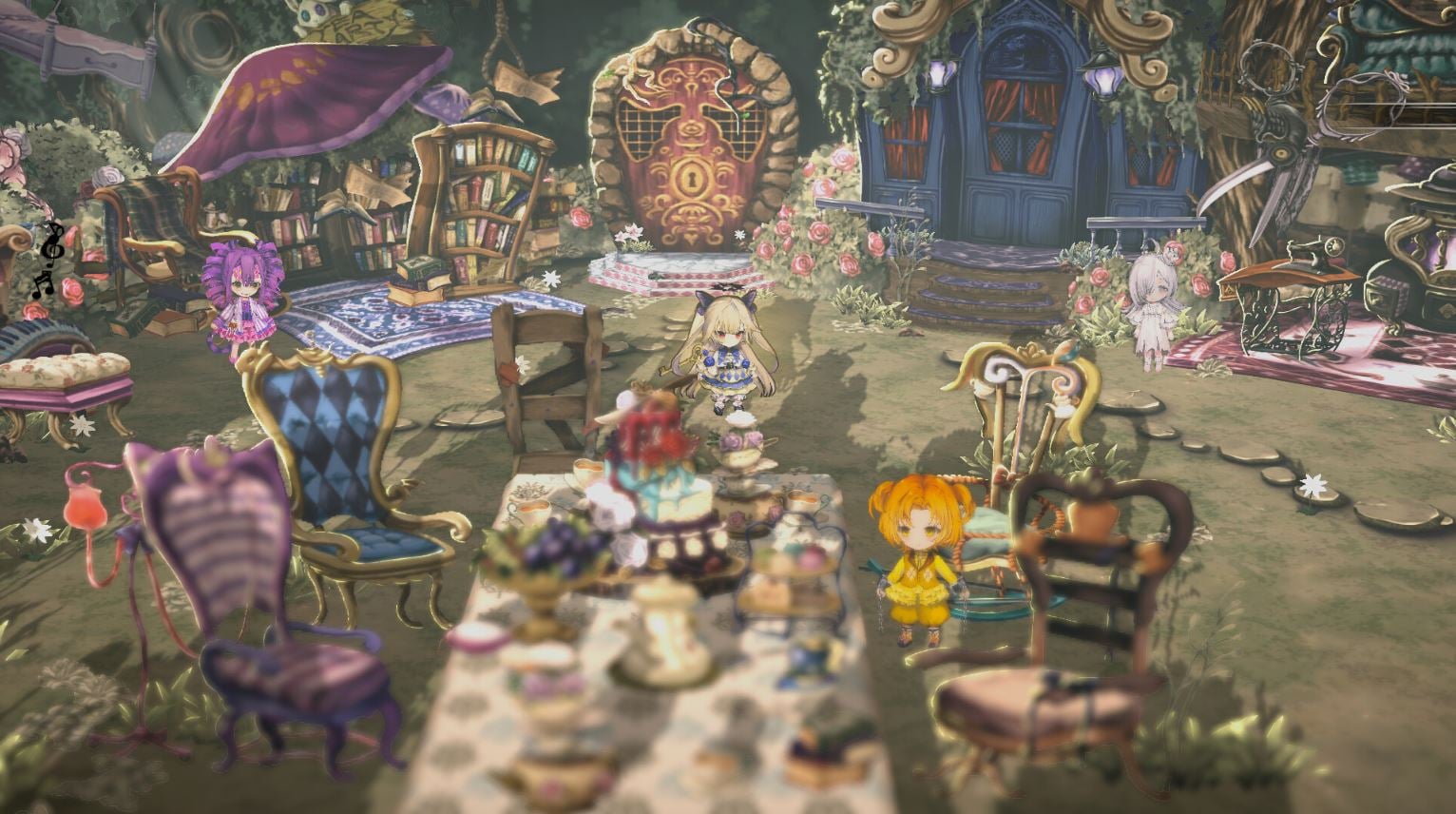
A story depicting the messy, complex relationships of young girls
—How did development on CRYMELIGHT begin?
Isobe:
The biggest factor was the feedback from our players.
Those who have played Crystar and CRYMACHINA have highly praised the story, characters and worldbuilding of the games. Reading through the feedback made me realize that there are still stories to tell and gameplay to explore within the “CRY” series.
I am a fan of the series myself, and I wanted to tell even deeper stories about girls who have to confront their own pain and desires while shedding tears. And I didn’t want the series to end, I wanted it to continue in a new form if possible.
However, instead of simply repeating what we’ve done in past titles, I wanted to incorporate themes and gameplay that would be unique to this title. So, while honoring the spirit of the “CRY” series, I wanted to create a title that would serve as the new entry point, which is how the CRYMELIGHT project came about.
—Why did you choose Alice’s Adventures in Wonderland as the motif for CRYMELIGHT?
Isobe:
From the very start, CRYMELIGHT was developed as a story-driven title.
Like I’ve mentioned, Crystar and CRYMACHINA were highly praised for their story, characters and worldbuilding, so our primary goal for CRYMELIGHT was also to create a title that tells a compelling story.
With that in mind, Alice’s Adventures in Wonderland was chosen as the game’s theme very early in development.
A major reason for this was “Alice” herself. To me, Alice’s Adventures in Wonderland is a story about a pure, innocent girl who gets lost within a strange world she can’t understand. That kind of structure was a perfect fit for the story of CRYMELIGHT’s Alice, who has lost her memories, and has to confront her own sins and the truth of the world while wandering through Wonderland.
Therefore, we told our scenario writer Naoki Hisaya that we wanted to create a game inspired by Alice’s Adventures in Wonderland.
From there, he wrote the story, and we built the game’s mechanics on top of it. So, I believe this title began with the story and worldbuilding, upon which we layered the roguelite action elements.
—Alice’s Adventures in Wonderland has inspired many games. What would you say makes CRYMELIGHT’s take on the theme unique?
Isobe:
I think what sets CRYMELIGHT apart from other works is how it layers the girl’s real emotions and sins onto the cute and fantastical world of Alice’s Adventures in Wonderland.
Judging just by appearance, “Wonderland” as a setting is a cute, fantastical and mysterious world. However, the girls within it are not just character archetypes. Each of them carry their own sins, regrets, and feelings they could never share with anyone.
They made mistakes because they cared for someone, they hurt people because they wanted to save them, and their love and desires grew twisted. I think the depictions of such human emotions are what makes CRYMELIGHT unique.
While the game is inspired by Alice’s Adventures in Wonderland, it doesn’t simply depict a cute and strange world, but also depicts the depths of pain and twisted feelings lurking beneath its surface. I believe that’s what sets it apart from other Alice-themed works.
In terms of visuals, we’ve also been very conscious of this philosophy.
For example, Cheshire is visually very fantasy-like, resembling the actual Cheshire Cat from Alice’s Adventures in Wonderland. However, if you look closely, there’s something resembling a blood transfusion bag coming outside of her pocket, with a tube running from it as if she is receiving a blood transfusion. This design reflects her past of being admitted to a hospital while she was still alive.
At first glance, she’s cute. But if you look closely, you’ll be able to sense her past and the pain she’s burdened with.
I think the fact that both the “cuteness” and the “pain” are shown at the same time on the screen is something unique to CRYMELIGHT, and something I personally particularly paid attention to when creating the game.
CRYMELIGHT is a story-driven roguelike
—Why did you choose the roguelike action genre for CRYMELIGHT?
Isobe:
The biggest reason is that “time looping over and over” is an important plot element to the story.
So, we decided to make CRYMELIGHT a roguelite action game not because the genre is currently popular, but because we felt it was a format that would allow players to experience the “looping” aspect of the story in the most organic way possible.
With every run, the way you progress through the map, the Crime Cards you get and your combat style will change. With every return to the Tea Party Hall, the girls’ conversations, memories, and the truth about Wonderland will gradually be revealed.
The fact that we could overlap the looping of the narrative with the looping of the gameplay is the main reason why we decided to choose the roguelite genre for CRYMELIGHT.
We’ve also incorporated “time loops” into our directorial approach as well. The “loops” aren’t just tied to the system, and we’ve prepared many expressions unique to CRYMELIGHT, such as the sense of dissonance that emerges from the constant looping, and the way the player’s perception gradually changes with it.
—What makes CRYMELIGHT unique compared to other roguelike games?
Isobe:
Among the many roguelike games out there, what makes CRYMELIGHT distinctive is how thoroughly it depicts its story.
Generally speaking, roguelites are a genre built around the cycle of attempting a run, failing, and then trying again. Because of this, the emphasis is inevitably put on the pacing of the gameplay, which in my opinion makes it a bit difficult to combine with a longer scenario or a deeper story.
However, CRYMELIGHT is a title that bears the name of the “CRY” series. From the very beginning, our priority was to carefully portray the girls’ sins and regrets, Alice’s memories, and the truth about Wonderland.
That’s why we’ve made a conscious effort to strike a balance between maintaining the dynamic pacing of typical roguelike gameplay that’s meant to be repeated over and over, and depicting the kind of deep narrative a story-driven title should offer.
Because of that, we’ve also made it so that all story scenes that the player has already seen can be skipped. However, if you just skip them, you may end up forgetting things, which is why we’ve also prepared brief summaries that recap the story in just a few paragraphs.
This allows players to enjoy the dynamic tempo of repeating their runs without falling back on the story. We’ve put a lot of thought into making this aspect.
Also, each time you return to the Tea Party Hall, new conversations and memories are gradually revealed, so by dying and retrying, Alice and the other girls get closer to the truth.
I think the way the roguelike gameplay loop and story progression are combined together is a feature unique to CRYMELIGHT.
—Roguelikes inherently involve repeatedly dying and retrying, but what kind of difficulty level are you going for in CRYMELIGHT?
Isobe:
We’re still adjusting the difficulty balance.
Since CRYMELIGHT is a roguelike action game, we placed great importance on the sense of progression you get from repeating runs, getting better at the game bit by bit, and becoming stronger. However, we couldn’t forget that this is also a “CRY” series entry.
Therefore, we wanted to avoid situations where players who aren’t experienced with the action genre get stuck too much and are unable to enjoy the story. I think there are many players who have already experienced Crystar and CRYMACHINA and are looking forward to the story, characters and worldbuilding. So, we want to ensure that they can also play the game through the very end.
That’s why the game offers multiple difficulty levels. Players who want to focus on the story can enjoy the game in the Story Mode, while those who want a challenging action experience can play in Normal Mode.
In many roguelike games, dying generally means starting over from the beginning, but CRYMELIGHT offers features that make it easy to retry an area even after you die. It essentially feels like you can jump right back in from a point in time just a little while ago.
Of course, it’s not like we want to make it too easy. When it comes to boss battles, we’ve placed great importance on the satisfying feeling of predicting and dodging incoming attacks, and the sense of growth that stems from the feeling “I couldn’t do that before, but this time I did it.”
We’re aiming for a balance that allows both those who want to enjoy the story and those who want to fully immerse themselves in the action to explore Wonderland in their own way.
—In terms of overall volume, how much playtime does CRYMELIGHT offer?
Isobe:
It’s difficult to give a definitive answer, but I think it will take more than 20 hours if you play normally. It also depends on whether the player is good at action games, or if they prefer to savor the dialogue. So we’ve listed the playtime as 20 to 30 hours on the official website. The digital version costs $19.99 USD, but I think there’s enough content to rival a typical full-price title.
It features a solid story, and the roguelite elements allow players to refine their builds as they take on the game in multiple repeated attempts.
We’ve also prepared plenty of encyclopedia-style collectibles and achievements. Including the conversations and character upgrades you get at the Tea Party Hall, as well as the elements that touch on the characters’ pasts, I think CRYMELIGHT offers a lot of stuff that make the gameplay feel worthwhile.
We gave it so much content for that price that we ended up getting chewed out by the company (laughs).
—How has the response from players been to the CRYMELIGHT demo? And what are your ambitions for the full release?
Isobe:
We received a lot of feedback from players on the battle demo we released on Steam in August. There were many opinions about the responsiveness and pacing of combat, the visual clarity, the tutorial, and the card mechanics. We basically read every single opinion we get, share it with the development team, and incorporate them into the game as much as possible.
These adjustments are reflected in the official demo that came out in September.
Since then, we’ve been fortunate to receive quite positive reactions from fans. In a recent survey we conducted on our X account, over 93% of respondents rated the game as “fun” or “very fun.”
This time, the demo is not only focused on combat; it lets you experience the story and mechanics from the beginning of the game, so we really hope you try it out.
Of course, we are still reviewing the feedback we’ve been receiving. While we can’t incorporate everyone’s suggestions, we plan to keep polishing the game as much as possible until it’s released.
CRYMELIGHT is a title in which the story of the girls’ sins and tears and the roguelite action gameplay are both equally significant. We’ll keep refining the title until the very end, so that those who have played the demo can enjoy even darker and more immersive adventures in Wonderland once the full game launches.
—Thank you very much.
CRYMELIGHT is scheduled to release on November 5 for PC (Steam), PS5 and Nintendo Switch 2.