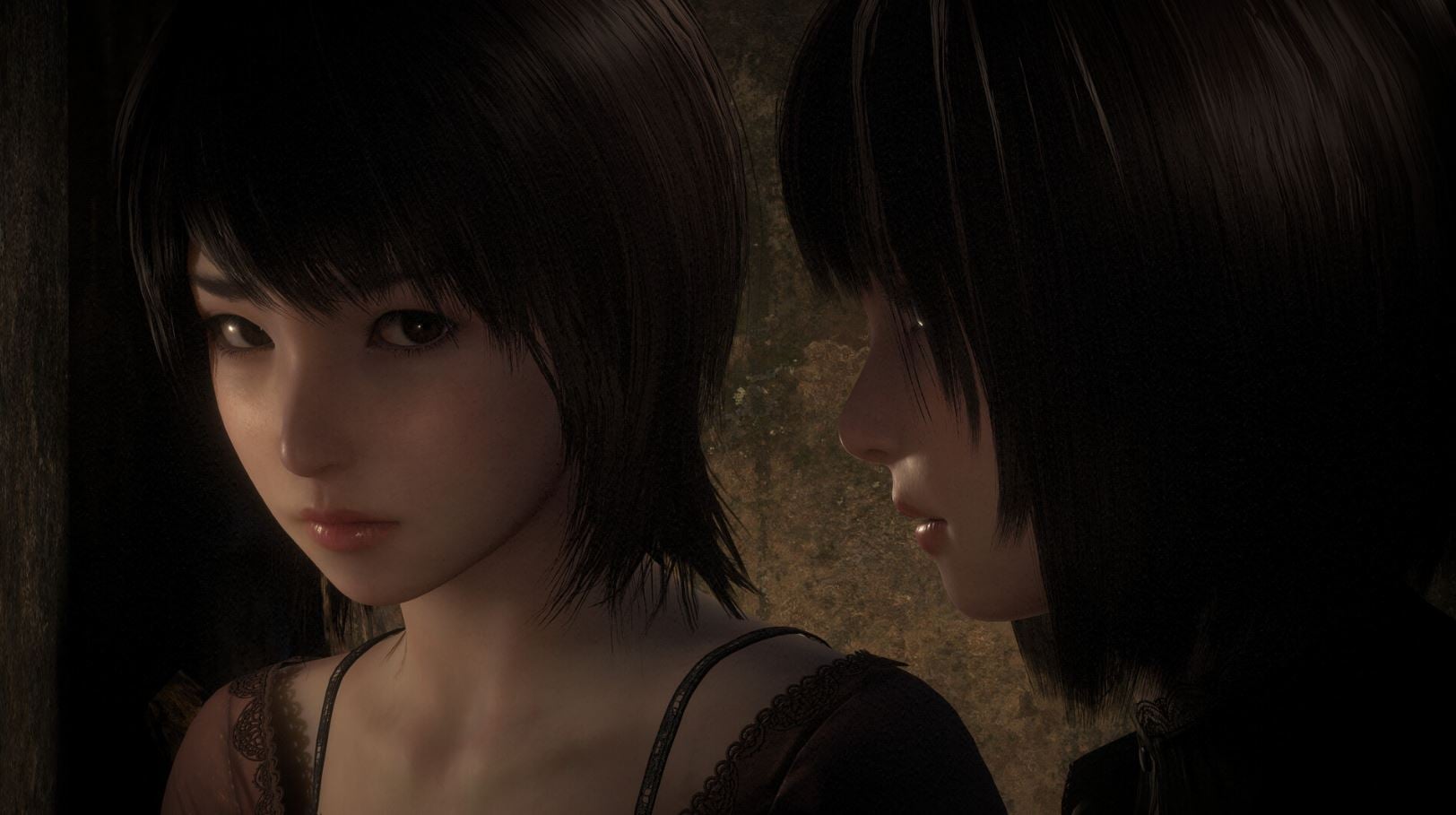
Silent Hill series producer Motoi Okamoto and Fatal Frame series creator Makoto Shibata recently sat down for a roundtable interview with Dengeki Online, commemorating the collaboration between Silent Hill f and Fatal Frame II: Crimson Butterfly Remake released this summer. Discussing the two series, the developers talked about the characteristics of “Showa-era horror” and why women so often occupy central roles in the J-horror genre.
Both Fatal Frame and Silent Hill f are set in Japan’s Showa period (1926 to 1989), but the developers explained that their reasons for choosing the setting differ. In the case of Fatal Frame, Shibata says it was a matter of using a “pre-mobile phone era,” around the 1980s. On the other hand, Silent Hill f takes place further back in time, around the 1960s. Okamoto says he envisioned an era when “it would not have seemed entirely out of place for yokai to exist, a time when folk beliefs, supernatural legends, and stories about such beings were just beginning to disappear.”
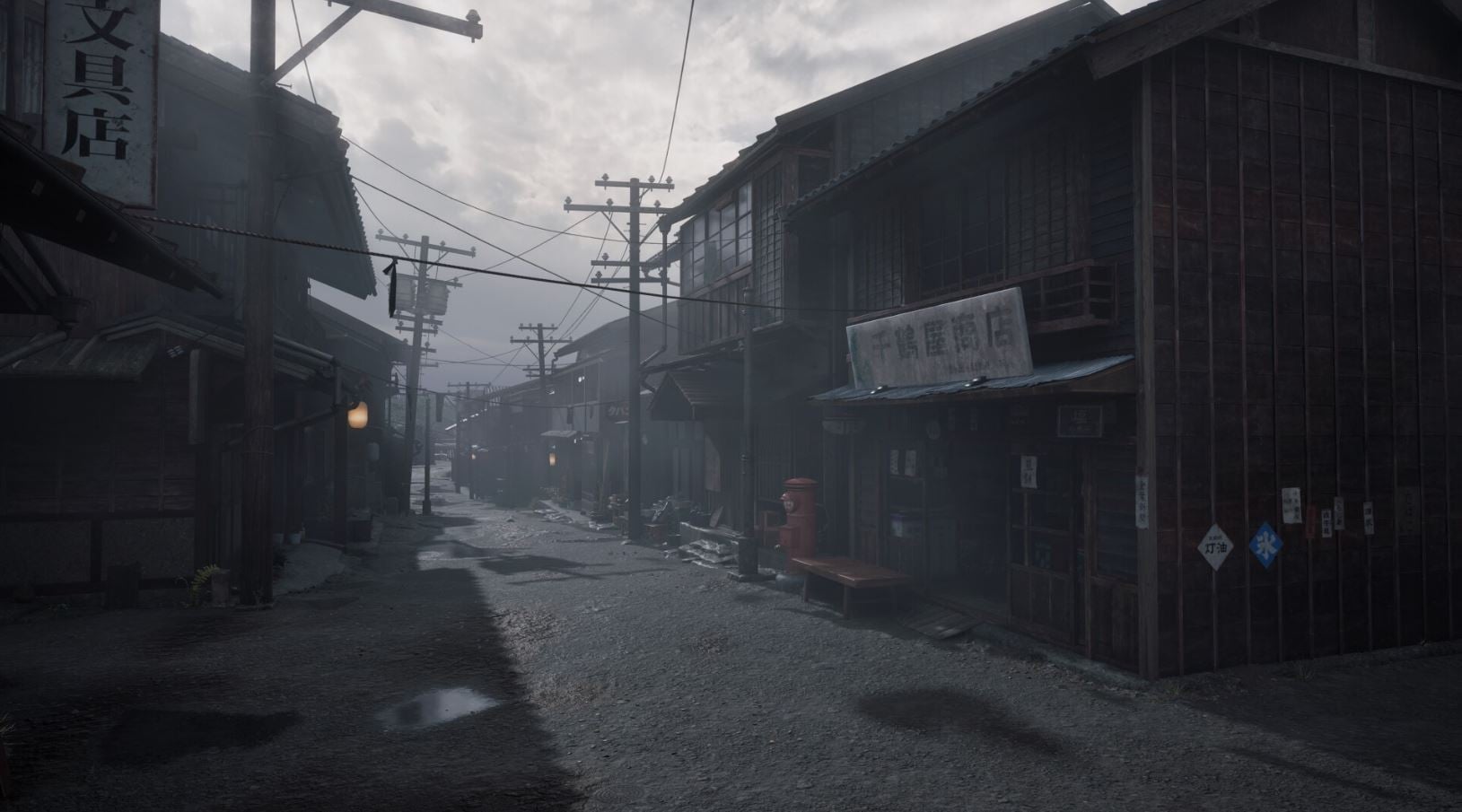
Shibata comments that, from the perspective of a modern person, this early Showa period feels almost like a fantasy setting. He goes on to theorize that the advent of mobile phones in the 90s, which coincided with the “J-horror boom,” created a noteworthy divide between horror works set in the pre- and post- mobile phone eras (a prominent example of the latter being 2003’s One Missed Call). When it comes to J-horror set before the proliferation of mobile phones, Shibata suggests such works could be regarded as “Japan’s equivalent of gothic horror.”
Okamoto agrees with this comparison, commenting, “It’s like traveling by horse-drawn carriage to Dracula’s castle in Transylvania, except you wander into a Japanese village steeped in ancient customs.” Having a historical setting was particularly important to Silent Hill f because its story deals with marital horror. Okamoto recalled being surprised when scenario writer Ryukishi07 proposed “marriage” as the game’s central theme. However, he came to see the appeal of setting the story in an earlier period, when arranged marriages were still commonplace. He also pointed to the growing momentum of movements for women’s social rights from around the 1960s, suggesting that this period offered an appropriate setting for a vision of Japan on the threshold of modernization, before it had fully become the contemporary nation familiar to audiences today.
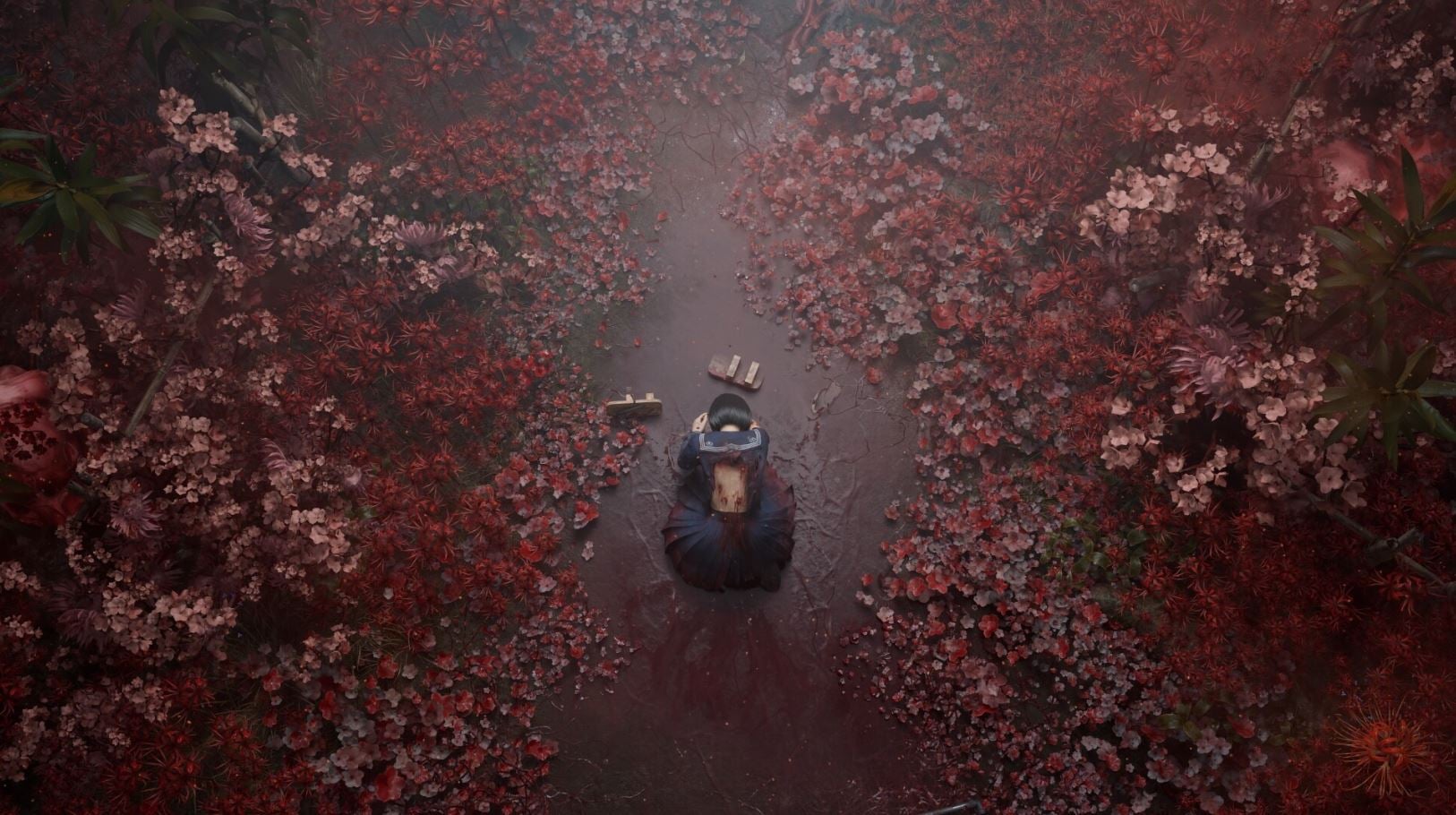
On the topic of women’s rights, Okamoto and Shibata also gave interesting insights about the prominent role female characters, both protagonists and antagonists, often play in Japanese horror; and how this relates to oppression. Fatal Frame has traditionally featured female protagonists, while Silent Hill f’s Hinako is the series’ second female protagonist following Silent Hill 3, a game that centered on topics such as forced pregnancy and childbirth.
When it comes to the common J-horror trope of female ghosts, which feature prominently in Fatal Frame as well, Shibata suggests this is tied to ghosts often being imagined as innocent beings who suffered oppression before being killed. “They may be physically weak, but their spirits and supernatural powers are strong, making the ghost of a seemingly powerless woman feel particularly frightening.”
Since such enemies cannot be fought physically, Fatal Frame requires the protagonist to learn about the ghost, understand it, and get as close to it as possible before she can finally put it to rest. Shibata argues that a male protagonist would inevitably steer the game’s direction into subduing or defeating the ghost, which is why the series has stuck to depicting female protagonists, often placed in similar circumstances as the ghosts they encounter.
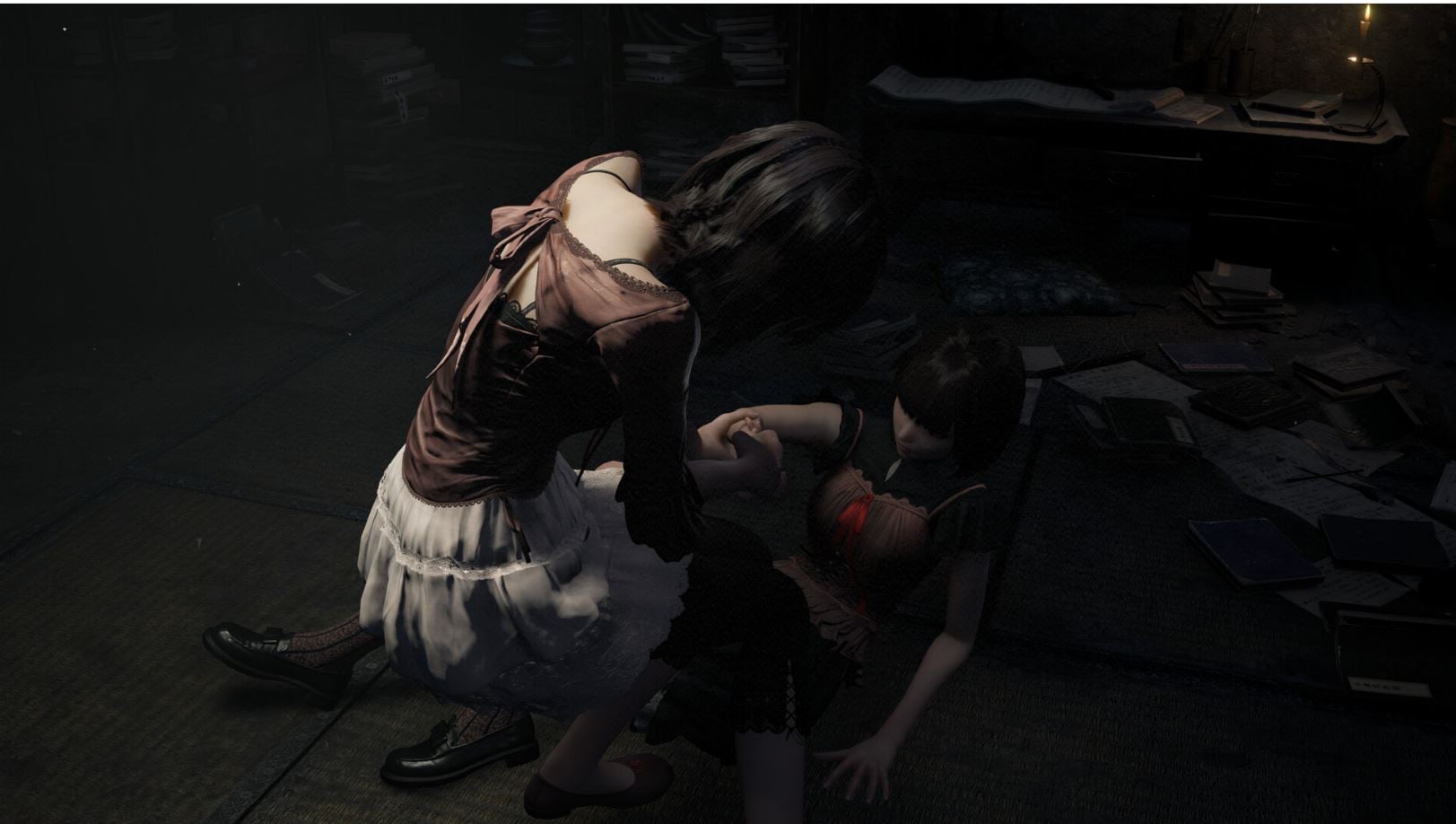
He went on to add that there is a particular horror in the idea that resentment can survive even after a person has been killed, especially when that person has suffered oppression. Okamoto connected this idea to Oiwa, the wronged woman at the center of Yotsuya Kaidan, one of Japan’s most famous ghost stories. He noted that the story is particularly frightening because it has become associated with real-world accounts of “curses”. In broader terms, he argued that the vengeful power of women silenced within a male-dominated society forms part of Japan’s horror tradition.