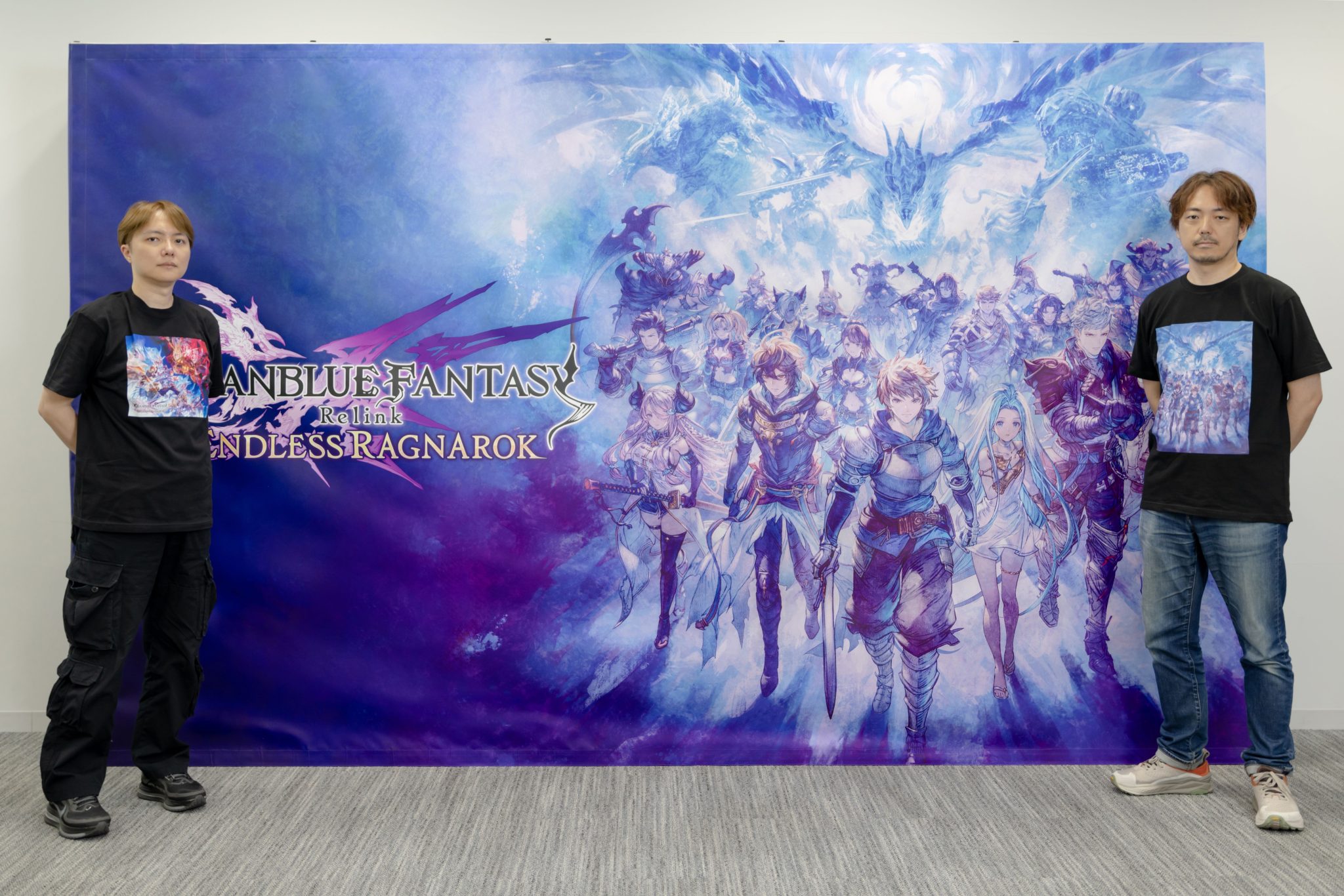
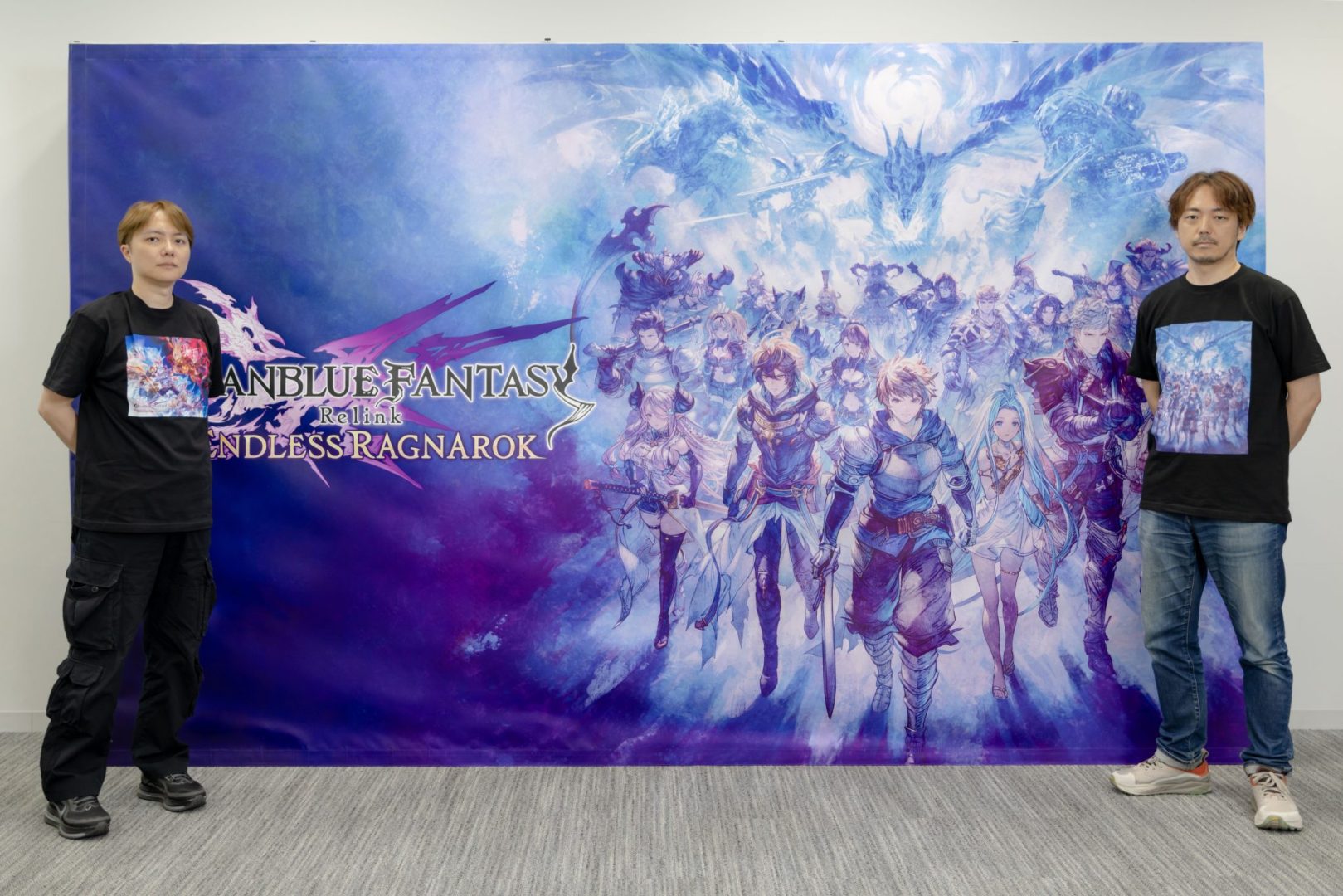
Ahead of the release of Granblue Fantasy: Relink – Endless Ragnarok (hereafter Endless Ragnarok), developer Cygames held a joint media interview in Japan, during which AUTOMATON had the opportunity to speak with creative director Tetsuya Fukuhara and director Sanshiro Hidaka.
Granblue Fantasy: Relink itself is an action RPG spin-off to the original Granblue Fantasy, Cygames’s browser-based RPG released in March 2014 and now entering its 13th year of service. Throughout the years, the franchise has expanded well beyond the original game, including the 2020 fighting game spin-off Granblue Fantasy Versus as well as anime, manga, and other media mix adaptations. Since its launch, Relink has earned recognition for its diverse characters and action, progression mechanics inherited from the original game, and co-op multiplayer battles, eventually surpassing two million copies sold worldwide.
The upcoming Endless Ragnarok will be a major expansion to Relink. We asked Fukuhara and Hidaka about the project’s development and what players can expect when it comes to new features.
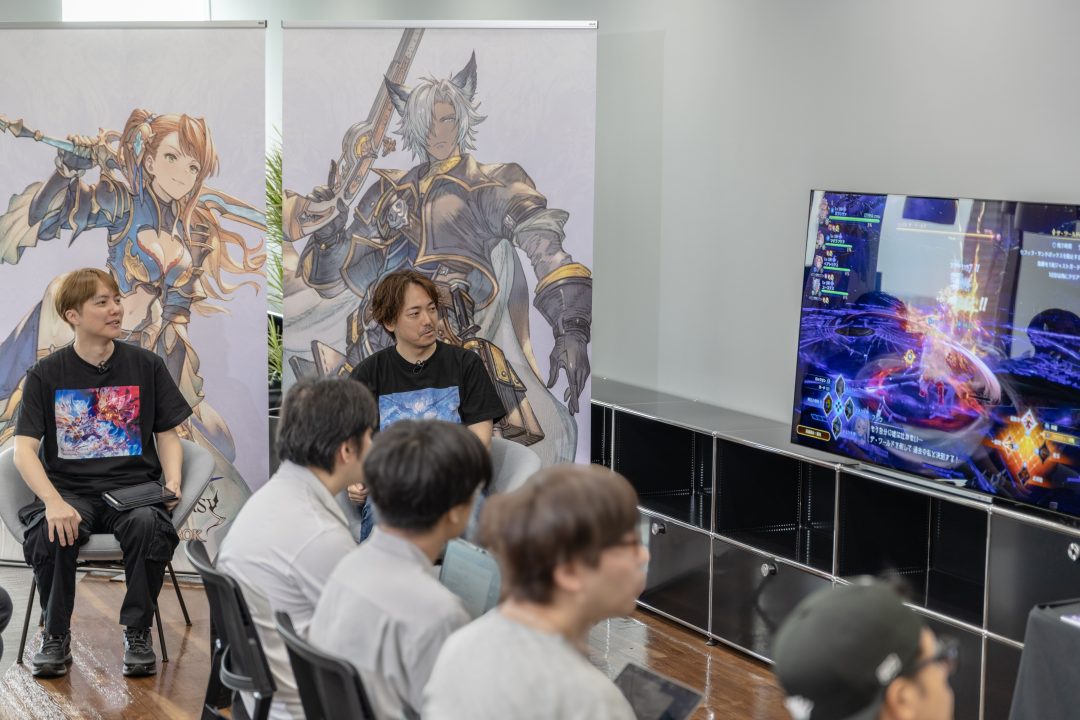
Sticking to a “classic fantasy JRPG,” but with surprises in store
—Looking back at players’ reactions to Relink, what stood out to you the most?
Tetsuya Fukuhara (hereafter Fukuhara):
The comment we’ve heard repeatedly is, “Every character feels different to play.”
We placed strong emphasis on the game’s large roster even before launch, but it was very gratifying to hear players say they were surprised by how distinct each character’s gameplay actually was. Therefore, we’ve put a great deal of effort into preserving “different flavors” of gameplay for this new release as well.
Sanshiro Hidaka (hereafter Hidaka):
People’s responses to the story also left a strong impression on me. In Relink, you reach what appears to be the ending of the main story thinking you got your “happily ever after,” only to discover that the story actually continues and leads into another finale where everyone bands together to save an important character. Watching streams and other reactions, it was fun to see people who were moved by the first ending all surprised and overjoyed when they found out there was more. I was pleased to see the story structure received so positively.
Fukuhara:
We also heard a lot of people say, “This is exactly what a JRPG should be like.”
Granblue Fantasy is fundamentally a “classic” fantasy series, so we intended for Relink to follow that orthodox path without any unnecessary twists. I got the sense that approach resonated exactly with what RPG and Granblue fans were looking for, so those kinds of responses left a strong impression on me too.
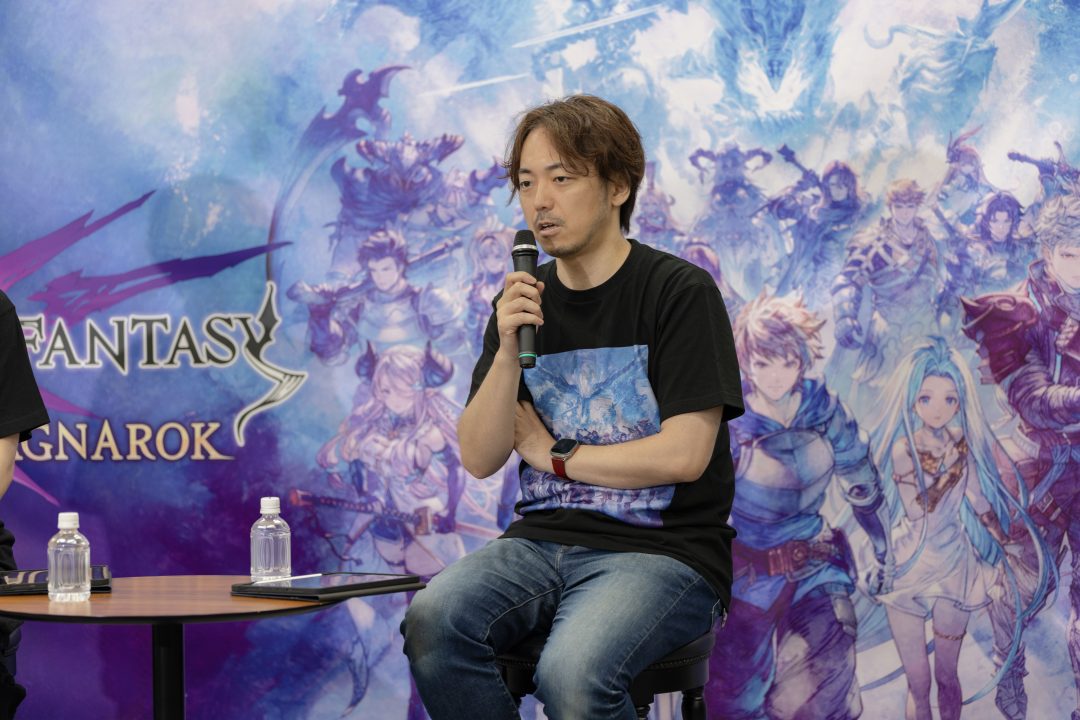
—Can we expect that same classic feel in Endless Ragnarok?
Fukuhara:
We do see ourselves continuing to pursue the classic path. At the same time, because the story in Relink wrapped up so cleanly, we were very conscious of avoiding a continuation that felt redundant. We wanted this “new development” to feel both surprising and plausible to players. Specifically, the new characters Fraux and Fediel, who are deeply intertwined in the story, are central to that effort. They both have unusual backgrounds, and in Fediel’s case, Endless Ragnarok will reveal details that haven’t even been disclosed in the mobile version of Granblue Fantasy. Because of that, we think longtime fans and complete newcomers alike will be able to experience the same sense of surprise.
—Did you receive requests for specific characters from the original Granblue Fantasy to become playable?
Fukuhara:
The most requested by far was Maglielle. Gallanza and Maglielle debuted in Relink and became incredibly popular, and we constantly heard people saying they wanted to play as both of them, so their inclusion was decided very early in development. When it comes to choosing playable characters, given the sheer number of possibilities, the requests from users are incredibly diverse. However, we make our decisions based on a comprehensive evaluation that takes into account factors such as “Will this make the game better?” and “Is this a character people would be happy to see join Relink?”
—Rolan, another character I presume is highly requested, appears this time as a summon rather than a playable character. Was that a difficult decision?
Fukuhara:
There were definitely people on the team who wanted him to be playable. However, based on our development schedule, we estimated we could realistically create around six entirely new playable characters. When deciding how to allocate those slots, making Rolan fit into the overall balance of Endless Ragnarok proved somewhat difficult.
Anyone who has played Relink will know that Rolan is a rather special character, so simply adapting him into a standard playable character as-is would not have worked out so well. That was something I explained to the team as well. However, once we came up with the summon system later on, we realized it would let players control Rolan and let him shine in a way that suited his character, so we decided to bring him in that way instead.
Hidaka:
From an action design perspective, Relink aims to express each character’s appeal through gameplay. But with characters like Rolan, whose defining traits are so powerful they’re essentially a “wild card,” translating them directly into gameplay risks making them stick out too much. On the other hand, if we toned him down to match everyone else, he would lose what makes him special. Having him appear briefly as a summon strikes a nice balance and lets players experience his unique flair in just the right amount.
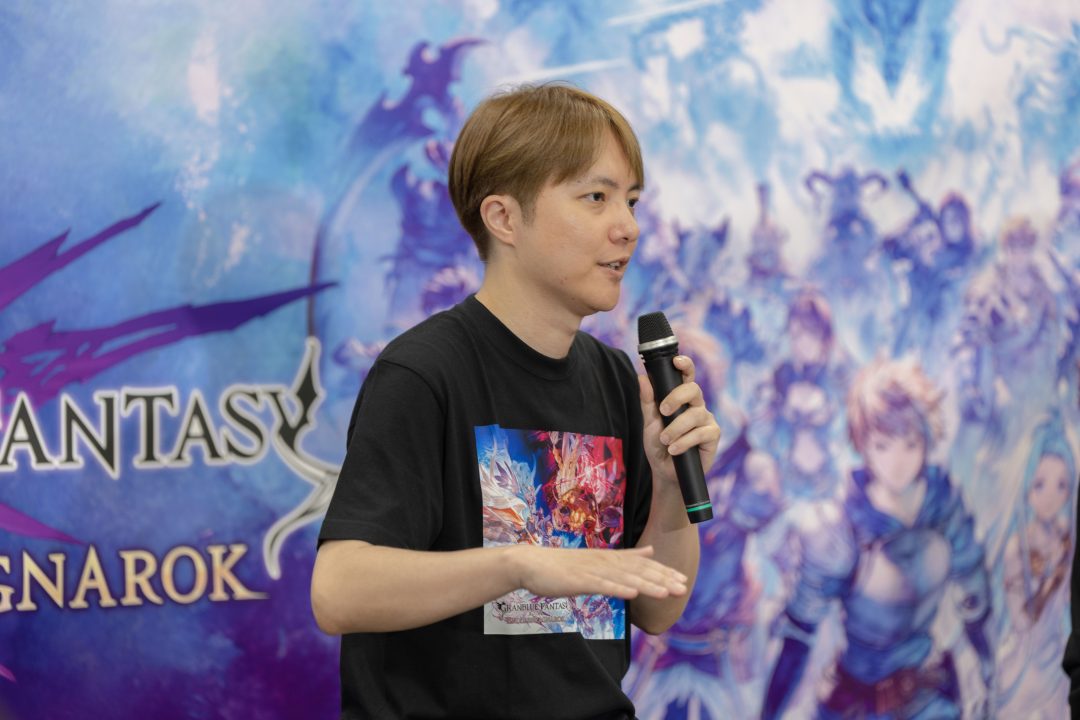
The new summon system lets you summon a lot more than you’re probably expecting
—What was the thinking behind the new summon system?
Hidaka:
The first thing we established was what we wanted to accomplish with this title.
One of Relink’s greatest strengths was that every character had their own unique action design, to the point where switching characters almost felt like playing a different action game. Even though we wanted to release this new title relatively quickly, we still wanted players to experience as many uniquely designed characters as possible.
Initially, we explored the idea of simply adding more playable characters, but there were obvious limits to that approach. Then, we thought, why not make it so that players could call characters in briefly as summons instead? With a summoning system, to put it extremely, you could even summon the Receptionist or a Wee Pincer. We utilized that high degree of freedom to incorporate various characters into the action design. I think the greatest appeal of the system is simply that it lets players enjoy a huge variety of characters and actions. As something that adds flavor to the combat, it ended up being quite a luxurious feature.
Fukuhara:
Because Relink was built around a commitment to classic fantasy storytelling, the overall tone ended up being fairly serious. That was intentional, and I think it worked.
But looking back, we also felt that Granblue Fantasy should be allowed to be a little sillier. This time around, we decided it was to lean into that playful side of the series, so now you can summon things like the receptionist, random NPC villagers, goblins, and completely straight-faced mystic beasts – characters that make you wonder, “How is this thing even supposed to fight?” The staff had a great time creating them, and I think we ended up with a mix of deliberately ridiculous summons and genuinely cool ones.
—Was the summon system originally planned for Relink? It feels so natural that it wouldn’t have been surprising if it had been there from the beginning.
Fukuhara:
Actually, very early in development, we did consider including the original Granblue Fantasy systems like charge attacks (Skybound Arts), chain bursts, skills, and summons.
As development progressed, though, we decided the protagonist and Lyria would spend a long chunk of the story apart, which made implementing summons much more difficult. There were also technical concerns, so ultimately the feature was cut.
The fact that players could control Proto Bahamut in Relink, along with certain summon-like presentation elements, are remnants of those earlier ideas.
Hidaka:
Back then, the project itself was also much closer to a traditional RPG before we fully committed to action, so summons existed in a somewhat different context. When we later decided to go down a more playful route, we remembered that summons already existed as items in the universe. That ended up being the perfect outlet for all those more outrageous ideas, which is how the summon system made its return.
—Can you give some examples of the sillier summons? And do either of you have a personal favorite or one you’d especially like players to play around with?
Fukuhara:
There are quite a few, but well… Albacore is in there. Also, sorry to disappoint everyone, but Oira (Big Bad Shadow) isn’t (laughs).
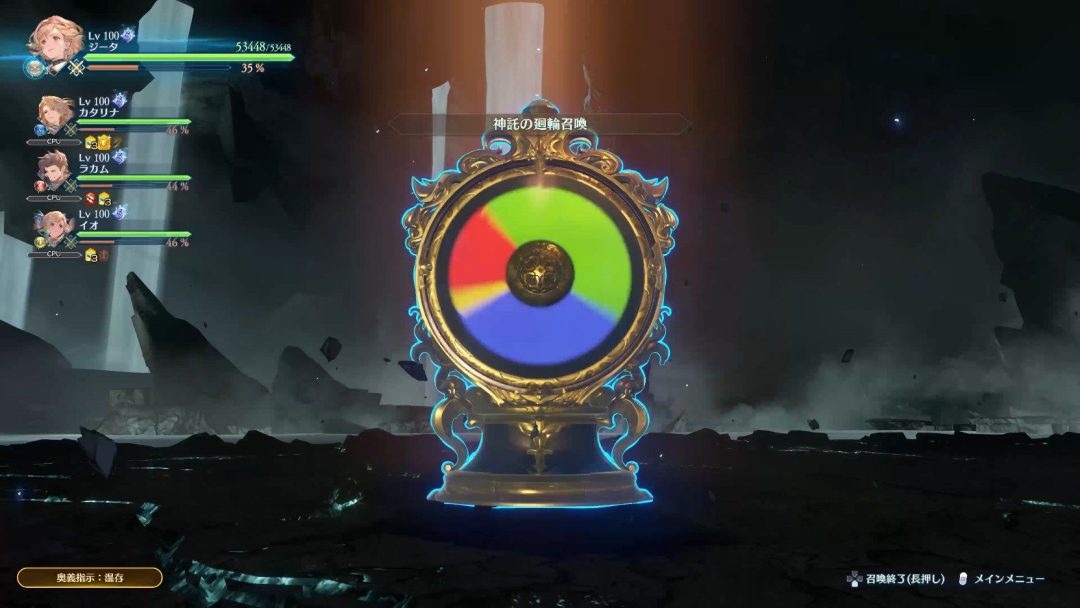
I also remember being the one who suggested adding the roulette wheel summon.
Hidaka:
Personally, I’m fond of Nazarbonju. Summons with freezing abilities are extremely useful in practice, and when your teammates thank you with comments like, “Nice freeze!” it really makes you feel like you’re contributing. I also just think its little tail is adorable.
Fukuhara:
The Wee Pincer summon is another favorite. The number of hits it delivers increases based on how many you’ve collected, so it’s designed to reward players who put in the effort.
Breaking what needed to be broken
—What were your biggest priorities when translating Granblue Fantasy’s characters into 3D models? After continuing development from Relink into Endless Ragnarok, have you discovered anything new?
Fukuhara:
Granblue Fantasy is an IP where the characters themselves are incredibly popular, and we know fans hold its illustrations, 2D artwork, and character designs in very high regard. Because of that, our primary goal with Relink was to faithfully recreate the appeal of those 2D designs in 3D. The characters were not originally designed with 3D models in mind, so there were naturally some elements that didn’t translate perfectly. We made adjustments where necessary while ensuring fans wouldn’t feel any disconnect. I think models, including the environments, were the area we devoted the most effort to.
Hidaka:
Character depiction – particularly the 3D models and animations – is directly tied to how the action feels in a game. For Relink, I personally attended every motion capture session, constantly thinking about whether each character’s individuality came through properly, both in cinematic story scenes and combat animations. But because we were building everything from scratch, we first had to establish standard frameworks like idle and walking animations, then fit each character into those systems.
The new characters still inherit those basic motion sets since they’re in the same game, but we deliberately broke some of the existing frameworks. We wanted to push things further and let each character deviate from the norm in ways that better reflected who they are.
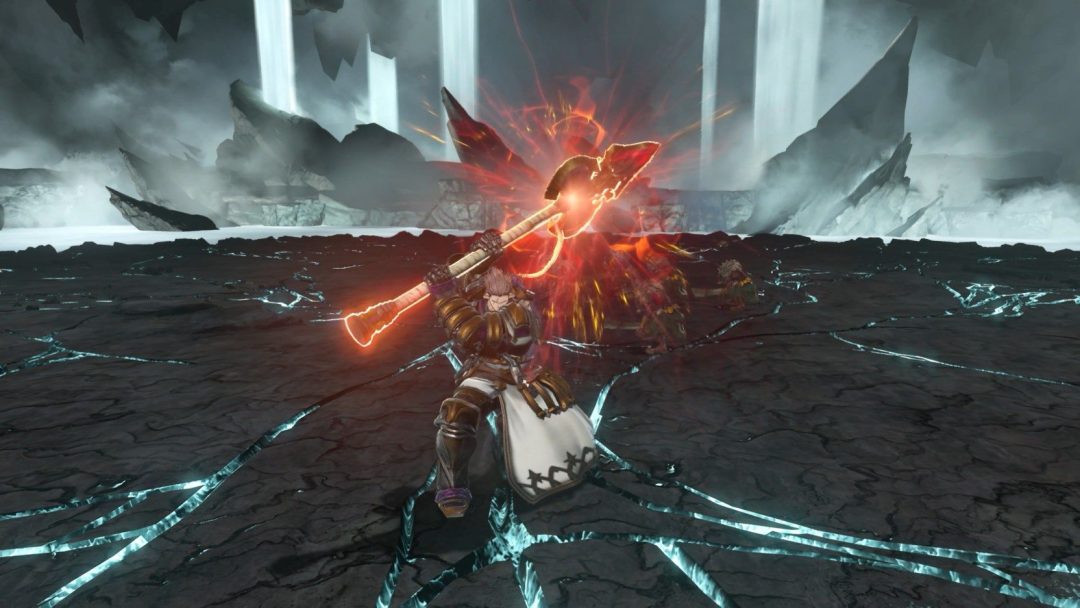
Gallanza’s dodge animation is probably the best example. Dodging in Relink generally involves a rolling motion, but if Gallanza dodged that way, he’d end up looking too light. He’s a heavy and sturdy character, so we felt, “There’s no way he’d roll so gracefully.”
So instead, we had his dodge adjusted into something heavier and a little clunkier. That created an atmosphere where it felt acceptable to “break the mold,” and after that, the team kept coming up with more ideas.
Fukuhara:
Endless Ragnarok is releasing two years after Relink, so there would be no point if it simply stayed at the same quality level. From the beginning of development, I kept telling the team that we should “break anything that needed breaking.”
Hidaka:
We were a little worried that making the new characters more extravagant would overshadow the existing roster, but we addressed that with the new Master Trait system. Thanks to that, even players who have already spent a lot of time in Relink will get to see unexpected new actions from familiar characters.
Fukuhara:
Late in development, the team suddenly decided to go back and polish even the older visual effects, even down to the smallest details. So I think the overall quality of every character’s effects is now much more consistent.
Hidaka:
As the master build date got closer, everyone started tweaking things on their own. (laughs) I’d be happy if players noticed some of those subtle changes.
—Beelzebub is featured quite prominently in the key visual. Within what you’re able to discuss, what kind of role will he play this time? More broadly, what position does he occupy within the Granblue Fantasy universe?
Fukuhara:
Ever since Beelzebub first appeared in Granblue Fantasy Versus and the original game, he’s consistently maintained the philosophy of “ruling over all things through overwhelming power” and the belief that strength itself is beautiful.
In Endless Ragnarok, I think he’ll play exactly the kind of role that will make people go “Now that’s Beelzebub!” He’s a completely unwavering character, so I think his fans will have a lot to look forward to.
—You’ve mentioned placing a greater emphasis on assist controls this time. Could you explain the reasoning behind that?
Fukuhara:
In Relink, assist controls became unavailable in the latter part of the game, specifically on the final Maniac and Proud difficulty settings. Our thinking was that if players had relied on assist controls up to that point, they might feel motivated to take on the rest without them. However, actual data showed that many players who struggled with action games – or who had been playing specifically because full assist was available – simply stopped playing once assist controls were disabled.
As a result, they never even reached the Proto Bahamut battle that serves as the gateway into Endless Ragnarok, meaning they wouldn’t be able to fully enjoy this expansion.
Therefore, we concluded it would be better to simply let players use full assist all the way through the ending. Restricting how far assist controls could be used was a matter of the “developers’ ego” in the first place, so we decided to eliminate that and ensure that both action veterans and newcomers to the genre could finish the game.
To clarify, assist controls will remain available all the way through Endless Ragnarok’s ending. They are only disabled in what you could call the “endgame within the endgame” that comes afterward. In terms of the game’s overall content, that’s only around the final 1%, meaning nearly everything can be completed using assists.
—The game now supports crossplay. Since Nintendo Switch 2 players may be starting fresh while PlayStation 5 users could be carrying over experience from the previous game, are there systems in place to help bridge that gap?
Hidaka:
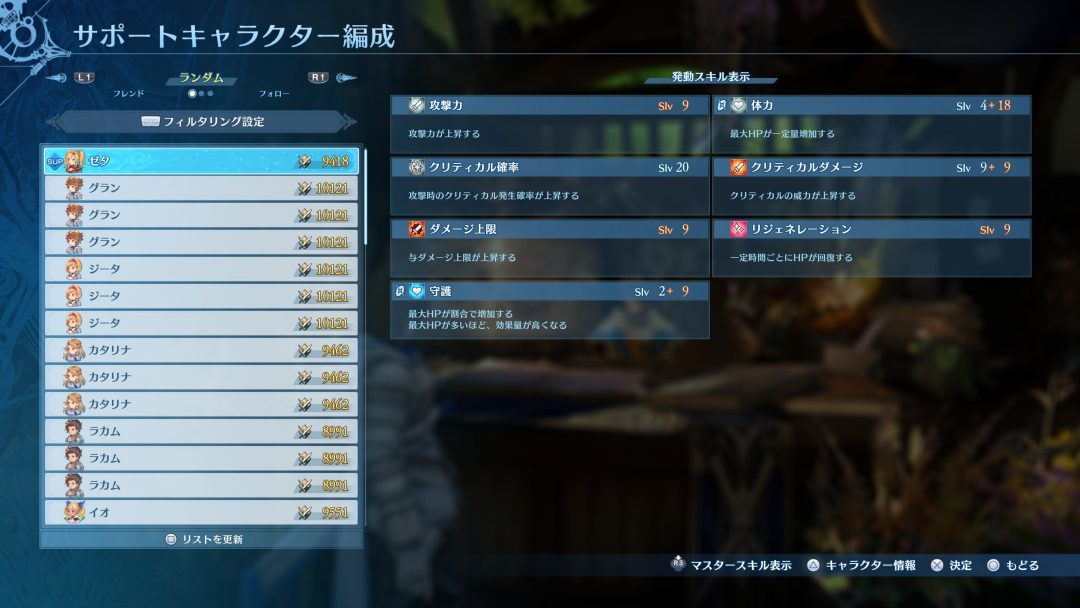
It’s not direct cooperation, but we’ve introduced a new support character system which lets players register characters they’ve raised, allowing others to borrow them and add them to their own parties. The borrowed character joins as an NPC, but effectively fills one party slot with someone else’s fully developed character. This support system works offline too. Friends will be able to request specific characters from one another, but you can also browse a list of online players and instantly borrow from them, so even people who mostly play solo can take advantage of the feature.
—Could you explain why you decided to add the new singleplayer-only mode, The Conflux?
Fukuhara:
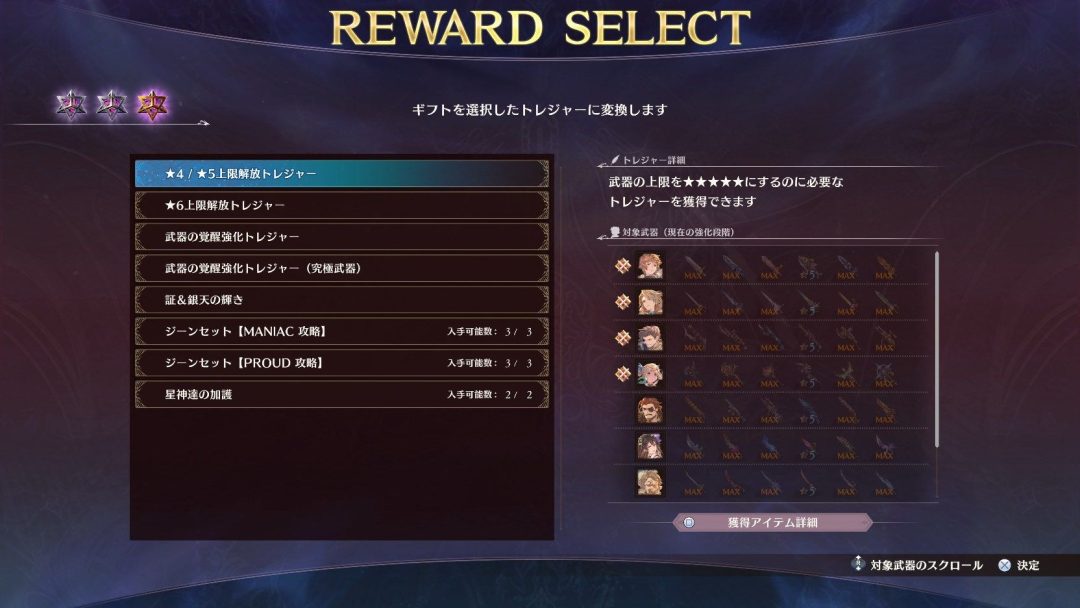
As you progress through Relink, multiplayer inevitably becomes the most efficient way to farm resources for character progression. While multiplayer is one of the game’s major strengths, there are also players who aren’t particularly comfortable with it. So, we created a different kind of activity where, although it requires a somewhat longer uninterrupted play session, a single run rewards players with a large batch of enhancement materials – including those needed for weapon awakening – even in solo play.
As you clear areas in this mode, you stack special buffs that grant unique abilities. That’s the sort of mechanic that’s difficult to realize in multiplayer, so the concept began with the idea of combining Relink’s battle system with roguelite elements to create a new kind of experience. It also lets players strengthen their characters entirely through solo play if they grow tired of multiplayer, while providing substantial rewards. For newcomers, it also serves as a way to obtain powerful equipment and catch up more quickly to the Proto Bahamut battle or the later stages of the game.
—At what point in the game does this mode become available, and how long does a full run generally take?
Fukuhara:
We’ll share more detailed information later, but Level 1 unlocks very early, around the time you first arrive at Seedhollow in Relink. Level 3 becomes available immediately after reaching Maniac difficulty, essentially right after the second ending. Clearing it provides equipment that makes tackling Maniac and Proud significantly easier, allowing players to move into Endless Ragnarok much more smoothly. Levels 4 and 5 unlock from Chaos difficulty onward.
As for run length, your first clear at the recommended power level should take roughly 15 to 20 minutes, or around 25 minutes at most. As your party grows stronger through repeated plays, you’ll naturally become able to complete the same level more quickly over time.
—Finally, do you have a message for fans looking forward to the game?
Hidaka:
Relink launched in February 2024, and we’ve spent roughly the past two years planning and developing Endless Ragnarok. Even while we were releasing the three updates for Relink, players continuously shared their feedback with us. Around the Version 1.3 update in particular, we received an overwhelming number of messages saying, “I love this game so much, please don’t let it end.”
Even after that, up until the time we got to announce Endless Ragnarok, fans of the original game kept voicing their support. Knowing how much anticipation existed made us feel we couldn’t release anything half-baked.
When we finally revealed Endless Ragnarok, we were met with countless comments saying, “We’ve been waiting for this.” At that moment, it felt like those two years of development had truly paid off. There are still many things we haven’t shown yet, and action games are ultimately something you need to experience firsthand. Once it’s released, we hope people will play it themselves and share their impressions with us, that would be an incredible encouragement. We’re now in the final stretch before launch, so please look forward to it!
Fukuhara:
To be honest, the response to Relink after launch exceeded my expectations many times over.
Because of our development plans, we struggled with the fact that simple updates alone couldn’t fully satisfy players who were asking for more. That’s why I’m genuinely grateful we were able to make Endless Ragnarok happen. Fans continued sending us requests, and we felt we had to deliver it as quickly as possible.
The original Relink took around eight years from announcement to release, but thanks to everything we built during its development, we’ve been able to bring Endless Ragnarok to players in roughly two years. Being able to release it on Nintendo Switch 2 also boosted the team’s motivation and helped drive development forward.
The game includes enough new content that we feel comfortable calling it a massive expansion. I believe it will satisfy everyone who wished they could spend more time with Relink.
We still have more information to reveal before launch, so I hope you’ll continue looking forward to it!
—Thank you for your time!
Granblue Fantasy: Relink – Endless Ragnarok is scheduled to launch on July 9 for PC (Steam), Nintendo Switch 2 and PS4/PS5. For owners of the original Granblue Fantasy: Relink, an upgrade kit will be available for purchase.
[Interviewer, writer: Mizuki Kashiwagi]