

During its 46th Annual Shareholders’ Meeting, held on June 24, Final Fantasy and Dragon Quest series developer Square Enix addressed the issue of their growing catalogue of shut down live-service games, and discussed their policy regarding game archiving.
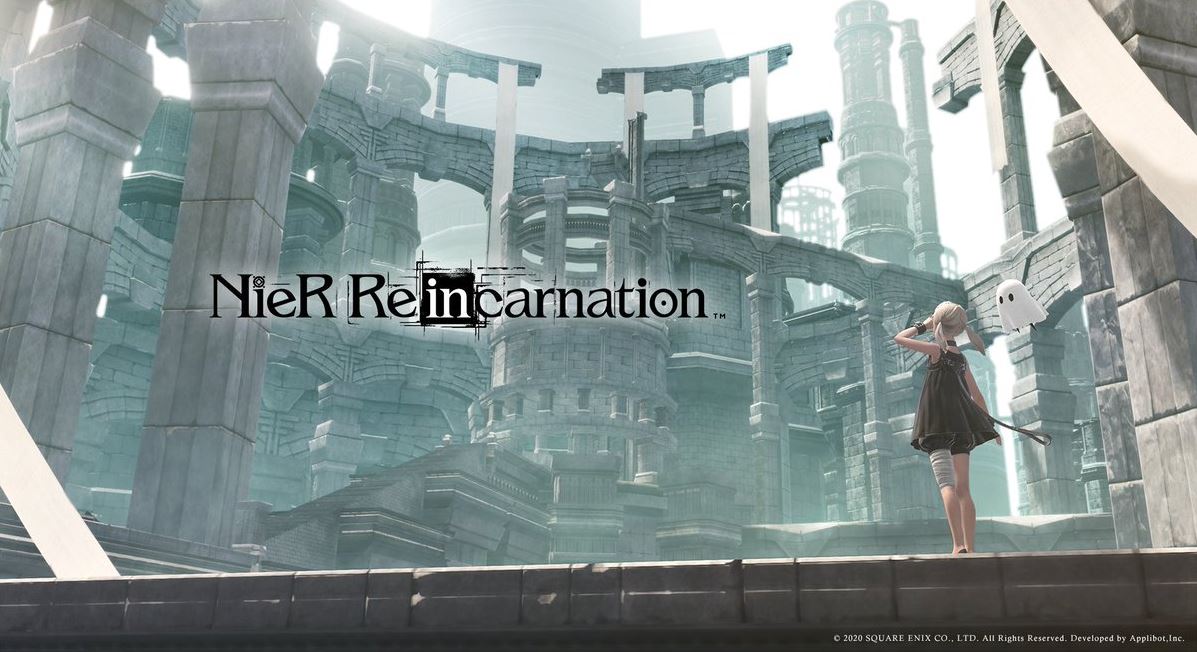
While live-service games do have the potential to be a huge source of cash for video game companies, their maintenance costs and an oversaturated market (leading to an overall life expectancy of about 2 to 3 years) makes them an extremely high-risk high reward kind of effort. Square Enix in particular has made numerous such attempts to break through in the mobile game market in the past decade, leaving behind dozens of titles which were effectively “abandoned” after EOS. Some of the notable examples of their shut down games include Dragon Quest of the Stars, Final Fantasy Brave Exvius and NieR Re[in]carnation.
Talking about the recent controversy surrounding an “offline” version of NieR Re[in]carnation, which was made by fans without permission from rightsholders, one shareholder asked Square Enix about their stance on the matter, arguing that the company is the one who’s supposed to lead the way in preserving and carrying on IPs.
The company explained that the way they enable customers to enjoy a live-service game after the servers have shut down depends on the nature of the IP: “For instance, for the NieR series, we share information through official live streams. For other titles, we preserve cutscenes on video streaming platforms.”
While the response itself is rather vague, the company assured shareholders that it would “continue to create pathways befitting each title to ensure that players are able to enjoy them even after service has ended or the story has reached its end.” It is yet to be seen whether Square Enix has been working on any official measures to preserve the story of NieR Re[in]carnation.
On a related note, the recently announced Final Fantasy Resonance is one unique example of the company’s actual attempt to preserve a live-service title in the form of a console game. As the game’s producer Keisuke Nakashima told us in a recent interview, “Final Fantasy Brave Exvius is […] filled with stuff that scream “Final Fantasy.” I thought it would be a shame for such a wonderful game to become unplayable via mobile, and that’s one of the reasons I decided to create Final Fantasy Resonance for consoles.” While Final Fantasy Resonance only uses FFBE as a base, while revamping much of the art and game mechanics, it is still interesting to see the company’s efforts to salvage their shut down mobile titles.
Ah yes, shareholder meetings. Always great for game development. Did you have dead-game sandwiches? (Tax exempt, of course)
SQEX please bring NieR Re[in]carnation to PC or something!
Oh boy, i wonder what’s the “no freaking dip” japanese answer is gonna be?
It’s not like they needed justification when Japan is culturally against all “””””possible””””” routes of piracy because it depletes their ultra-revered creator and corporate’s imaginary health bar.
“Making it technically work and making it actually enjoyable as a game are different things.” Japanese devs weigh in on why retrofitting live-service games with offline support is harder than gamers think.
And yet…. fans do this exact thing, for free most of the time. Hmmmm
So reading that they think NieR fans who never got a chance to play the mobile game are going to be just as happy hearing Square Enix staff talk about the franchise on YouTube livestreams as actually having a working port of Re[in]carnation they can experience, and that this is their answer to preserving the game for future players? That is quite delusional.
Yeah an Octopath 0 treatment for Reincarnation would be amazing. The story for that game is so freaking vital.
So in other words jump off cliff were not going to do nothing on the matter
“For instance, for the NieR series, we share information through official live streams. For other titles, we preserve cutscenes on video streaming platforms.”
So, three cut-scene videos of introduction chapters is preservation for them. Like keeping 4 pages of a full written book. Nice respect for art and those who support it.
I hope they will release this as a single-player game as they did with Final Fantasy Dimensions