With less than three weeks to go until the release of Dragon’s Dogma 2’s major expansion, Dark Arisen, AUTOMATON sat down with director Kento Kinoshita and producer Naoto Oyama at Tokyo Game Show 2026. The developers told us more about the expansion, the base game’s recent updates, as well as the newly announced Nintendo Switch 2 edition.


—Dragon Dogma 2’s June and September updates each brought pretty major overhauls. What kind of feedback did you receive from players? Were there any reactions that particularly pleased you or made you feel that a change had been worthwhile?
Kento Kinoshita (hereafter Kinoshita):
Overall, I think we received a lot of positive feedback. Regarding the Eternal Ferrystone (an infinite-use fast travel item), we received direct feedback from players in Japan and other parts of Asia saying they were happy fast travel had become easier. At the same time, some players in the West said that experiencing friction in the adventure was important for them.
Rather than choosing one side or the other, though, we’ve always operated on the belief that we should give players options. This time too, we were able to stick by this philosophy and give players the choice to play without using the item.
Another change that received very clear praise was increasing the number of assignable skills slots from four to six. That was received very positively. There were also many smaller changes that received more positive feedback than we expected, such as making it possible to initiate high-fives on command. I’m glad we were able to make those changes.
Naoto Oyama (hereafter Oyama):
To add to what Kinoshita-san said, there is a significant gap in how Dragon’s Dogma 2 is perceived by players in Japan and Asia compared with those in the West. Players in the West tend to place greater importance on a harsh, realistic sense of adventure. They refer to systems that impose challenges on the player as “friction,” and generally view them positively. They appreciate the game creating difficult situations where, for instance, it’s not possible to fast travel.
Meanwhile, players in Japan and Asia tend to perceive those same elements more as “frustration” caused by the game, so we received many requests for a more comfortable, convenient, and accessible experience. Of course, I believe there are gamers with both perspectives within each region, so this is more of a generalization. Still, the difference was quite apparent.
To respond to both sides, our approach has been to add new options without breaking existing mechanics. In the end, we received positive feedback from both sides globally, so I think that was a good outcome.
Kinoshita:
That’s right. We’d anticipated that there would be people who felt that way about the fast-travel-related update, and indeed, those opinions did come up. However, when you’re traveling between the same destinations repeatedly, there are routes where you eventually feel that there’s nothing new left to experience. In those cases, I think the Eternal Ferrystone can make the game more enjoyable by allowing players to skip that repetition.
—I understand that you’ve taken an approach that expands the range of choices available to players. However, with choices expanding, that means player’s experiences of the game increasingly differ too. For example, there could be a gap between the “sense of accomplishment” the developers envision and the experience players actually walk away with. How do you reconcile those two things?
Oyama:
Ultimately, our thinking is that the stable sense of satisfaction that comes from reaching the “goal” doesn’t change very much. What we’re doing is providing choices in the process of getting there. One example we often use within the team is mountain climbing. Some people might take a ropeway partway up and then make their way to the summit, while others might slowly walk all the way from the foot of the mountain. Everyone has their own way of climbing, but the feeling of reaching the summit is something that everyone can enjoy in the same way. That’s how we think about it, at least.
—What does that approach look like in practice?
Oyama:
Take travel, for example. If you use an item such as the Eternal Ferrystone, you can fast-travel as many times as you like and use it to progress through quests. On the other hand, you can also simply walk along the road on foot. There are also ox-drawn carts in the game. Riding one and closing your eyes can give you an experience similar to fast travel.
In addition, in response to requests for intermediate points when traveling between settlements, we added options such as the ability to get off an ox cart partway through the journey. This allows players to make more granular choices, such as “I’ll take the cart this far, then I’ll walk from there.” Our idea is that by giving each player room to fine-tune their experience in these small ways, we can reduce the gap between the experiences players have.
Kinoshita:
Also, it’s worth noting that fast-travel items can’t be used to visit places you’ve never been to before. There are some features that allow you to shortcut parts of the journey, but we haven’t compromised on the appeal of adventuring into a place for the first time, the catharsis you get from it, or the experience of winning battles along the way and pushing forward. I think that’s another area where we’ve been able to provide options without taking anything away.
—You’ve been praised for the DLC’s “just right” timing. Do you position it as an opportunity for new players or those who dropped off partway to start playing now?
Oyama:
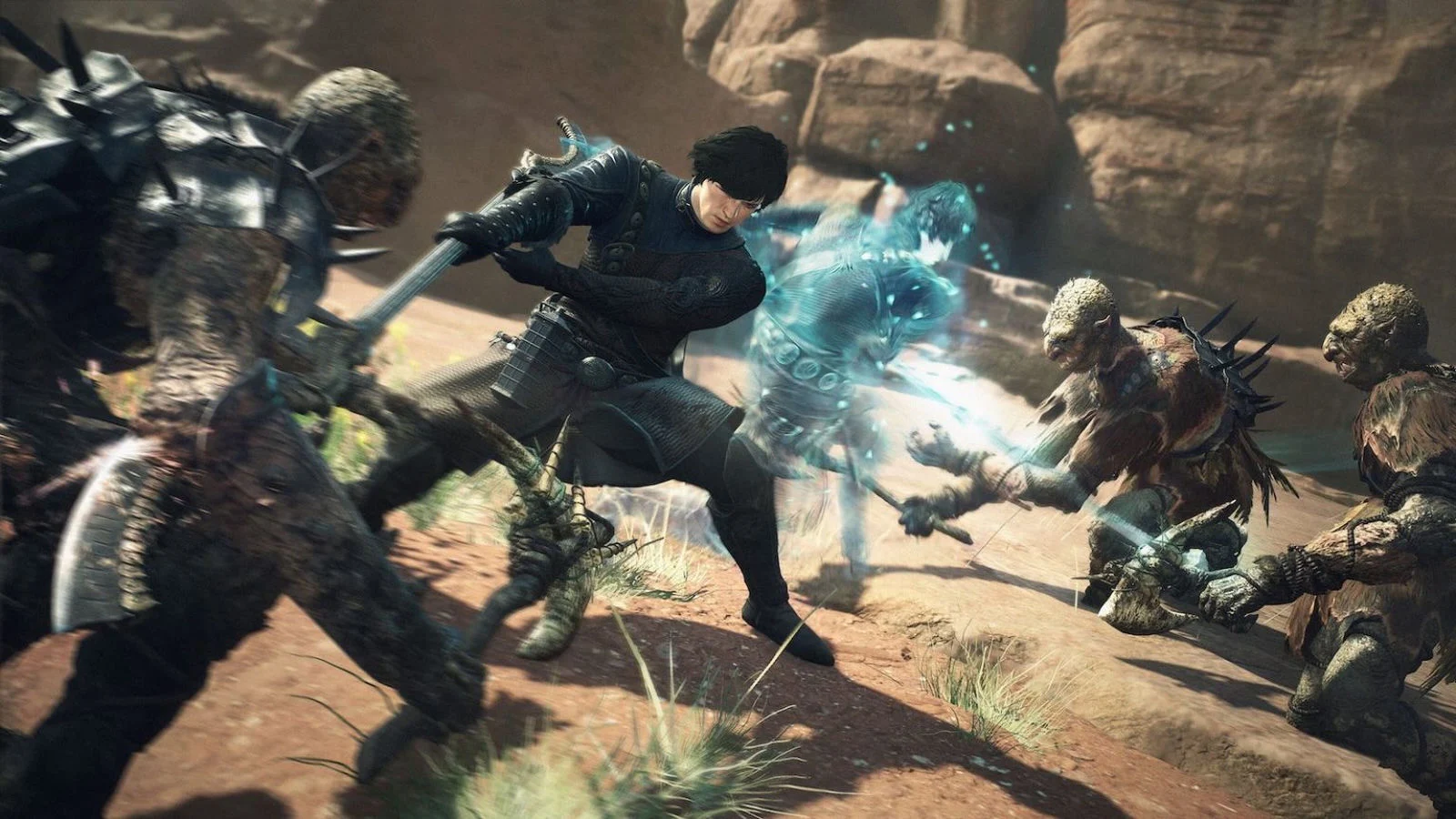
Absolutely. With the Nintendo Switch 2 version launching this time, practically everyone playing it will be a new player. To make sure newcomers can enjoy the game, in addition to all the previous updates, installing the DLC will also add 12 dungeons called the “Lost Rites” to the base game. They feature a progression of difficulty, and clearing them one by one can help with progression through the main campaign, provide more experience points, and reward players with somewhat stronger weapons. Since players can make use of those things as they progress, I think the game is in a state where newcomers can fully enjoy it.
—I imagine many users are interested in how the Nintendo Switch 2 version will perform. What can you tell us about its frame rate and optimization?
Oyama:
The base frame-rate target for Dragon’s Dogma 2: Dark Arisen is 30fps in both TV mode and handheld mode. On top of that, we’ve added an FSR frame-generation option. By interpolating frames, it allows players to enjoy an experience equivalent to 60fps. However, because frames are being interpolated, there are situations where visual artifacts resembling afterimages may appear on screen. Even so, we believe the overall experience will feel smooth.
In the final product, the feature can be switched on or off, so we hope players will give it a try and see how it feels.
—The new Dark Arisen introduces Relics as a loot element. In the original Dragon’s Dogma: Dark Arisen, Tier 3 skills were tied to rings, whereas in the new game they are randomly attached to weapons. If players want to pursue their ideal weapon, including the ideal skills, it seems like it may be more demanding than in the original. How did you balance the enjoyment of searching for ideal equipment with the burden of waiting for the drop you want?
Kinoshita:
With the Relic system, I think players will naturally want to get their hands on unique or high rarity items, given the nature of this game. However, I’m aware players don’t want to be forced to play forever until they can obtain them.
For that reason, we’ve designed an algorithm that makes Relics associated with weapons corresponding to the player’s vocation and their main Pawn’s vocation more likely to appear.
There is also a system in the game that allows players to apply buffs to narrow down the results. For example, you can make it easier to obtain only a Fighter’s sword.
This system, designed with the sensibilities of modern players in mind, allows us to reduce the total amount of time people need to spend while making it easier for them to encounter the things they want. If you make use of the buffs alongside this, I don’t think you’ll end up in a situation where you have to keep fighting the same enemy over and over and grow bored.
—In the gamescom 2026 demo, unidentified Relics had levels assigned to them. Is it possible to obtain high-level Relics even in early-game areas, or do early areas only produce lower-level Relics?
Kinoshita:
Basically, the levels are designed around the player’s progression through the game and how deep they are into the map. However, we haven’t placed limitations like “only Level 1 items can appear in this area”. That would make things less interesting, so occasionally an item one level higher can drop too.
There are also situations where you stray from the intended route and unexpectedly make your way into the next area. If you manage to fight your way through the enemies there, you might obtain an item that is a level higher than normal, or an even rarer item.
In other words, we haven’t designed the system to be completely fixed or impose a set progression on the player. The balance is such that if you put in the effort to get good gear, it becomes easier to fight early-game enemies.
—In a joint media interview at gamescom 2026, you discussed a balance where “the player’s base strength is the foundation, and you grow stronger by carefully selecting the Relics that suit you.” It seems that depending on Relic drops, there can be significant differences in combat power. How are you balancing that? For example, is the game difficult enough that players need to carefully farm Relics in order to progress?
Kinoshita:
It’s naturally true that better Relics will give you somewhat of an advantage. However, ultimately, we believe that player skill plays a major role. Even if you obtain very good Relics, we’ve been careful to balance the game so that it doesn’t undermine the experience of relying on your own skill in an action game.
I think the key to the balance lies in making good use of newly implemented Tier 3s kills and fighting alongside your Pawn. We’ve designed the system so that it doesn’t result in excessive balance-breaking.
—Of the new monsters and skills, could you tell us which content you’re particularly looking forward to seeing players react to?
Kinoshita:
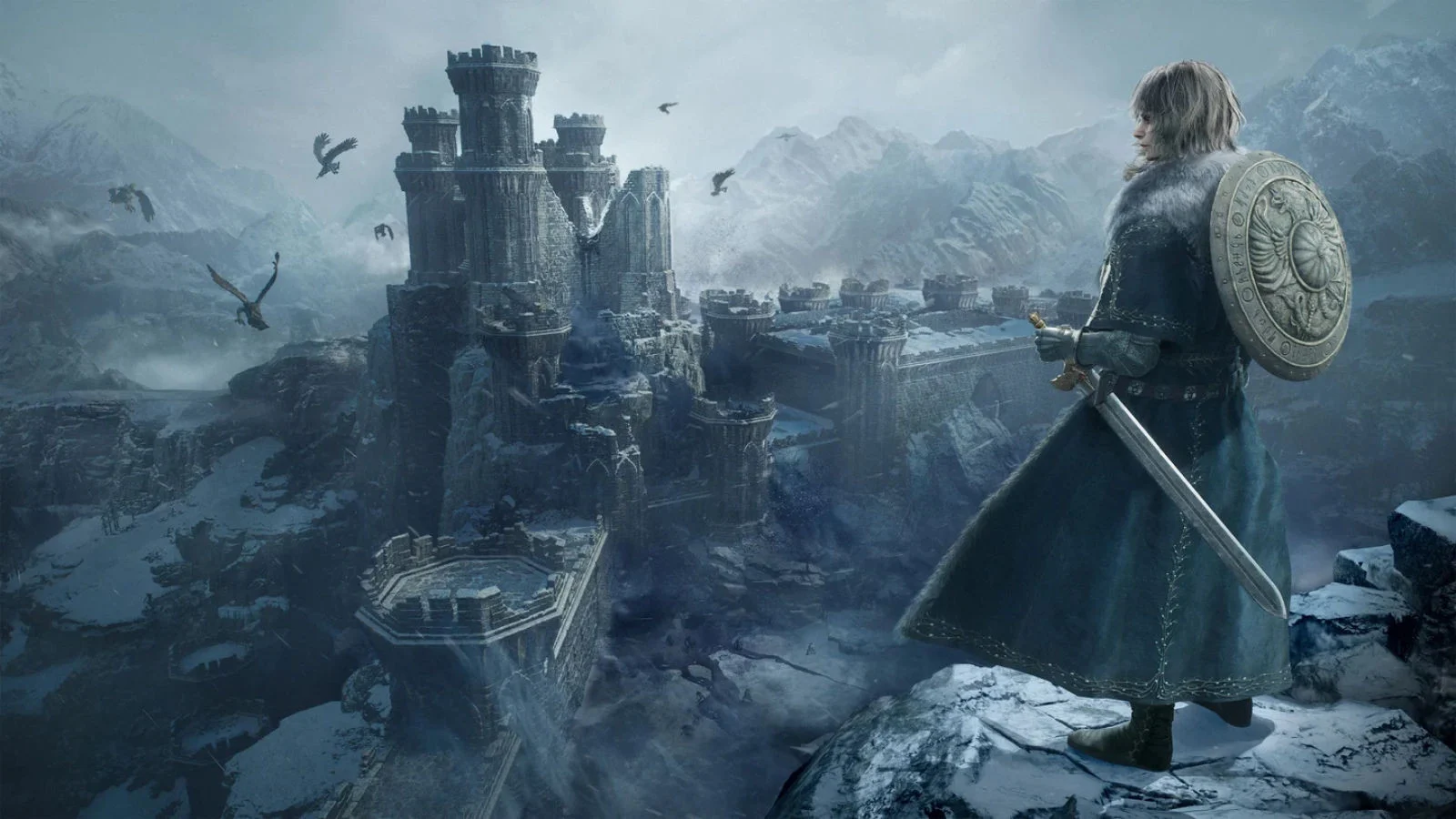
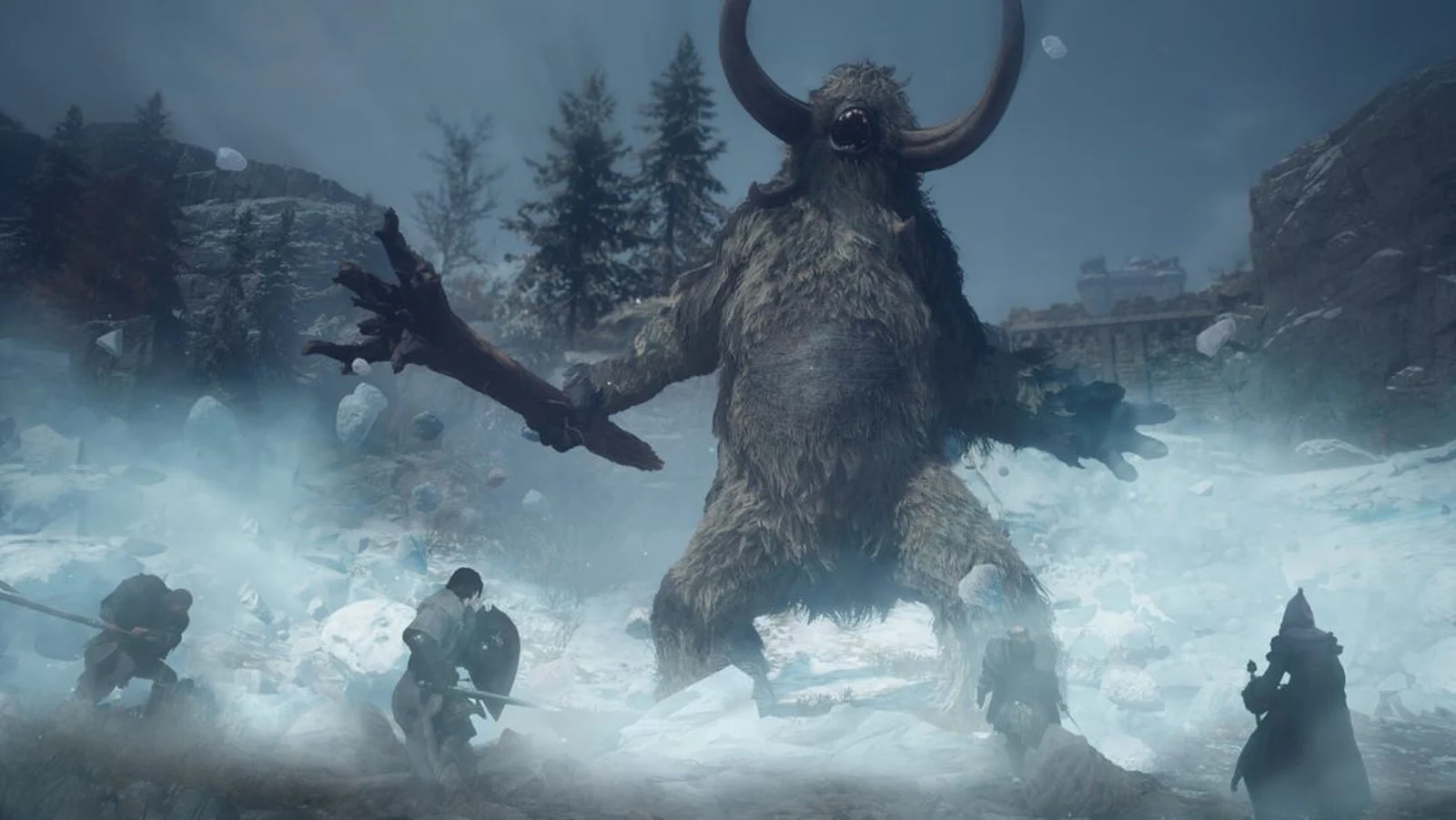
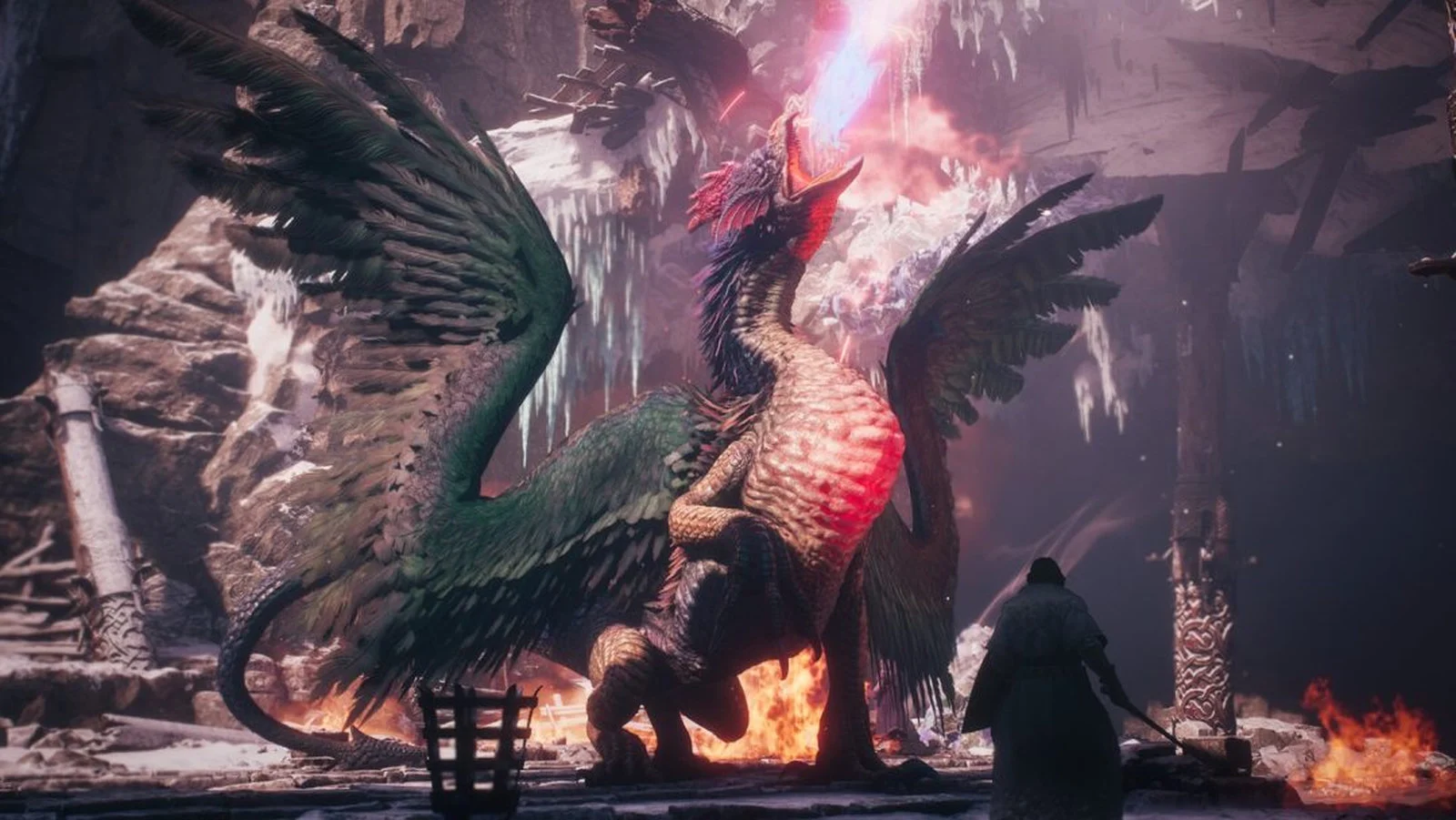
The new enemies appearing in the new area of Norgan each have their own individual points to keep in mind when figuring out how to defeat them. We designed them so that players can approach each fight with a fresh feeling, analyzing the enemy’s behavior to figure out an effective approach.
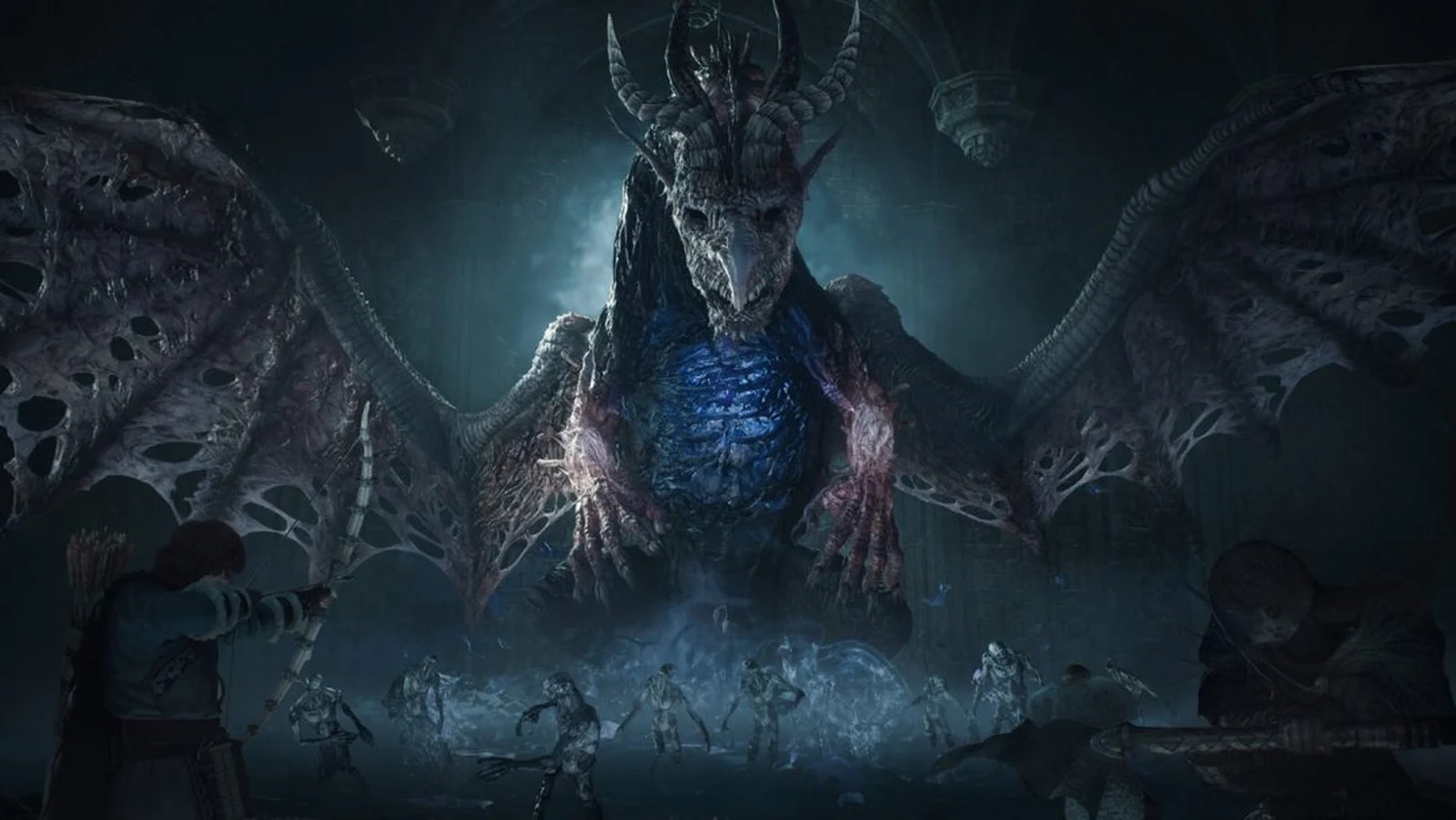
Also, The Fallen Dragon, which we focused on in the trailer released alongside TGS 2026, is an important enemy that forms part of the story’s framework. There are also enemies that already have a certain amount of name recognition, such as the Evil Eye that appears at the end. We aren’t specifically designing them to attract attention through social media or livestreams, but we’d certainly be happy if players react to them that way.
Oyama:
We’ve prepared many enemies with memorable qualities that we hope will surprise and entertain players encountering them for the first time.
We also recently updated the character creator and released it for Nintendo Switch 2. We’ve added new hairstyles, tattoos, and other options, so when players post the characters they create there on social media, we find ourselves looking at them and thinking, “I never thought you could make a character like that.”
—I’d like to ask about the story. Is there a connection between the DLC’s story and the base game, or is it a completely separate story?
Kinoshita:
They’re separate. The story was conceived around the idea of “an untold adventure that took place behind the scenes while The Dragon was being defeated,” so there is no direct connection to the main game’s story.
—Did this allow you to more actively introduce new or more elaborate mechanics?
Kinoshita:
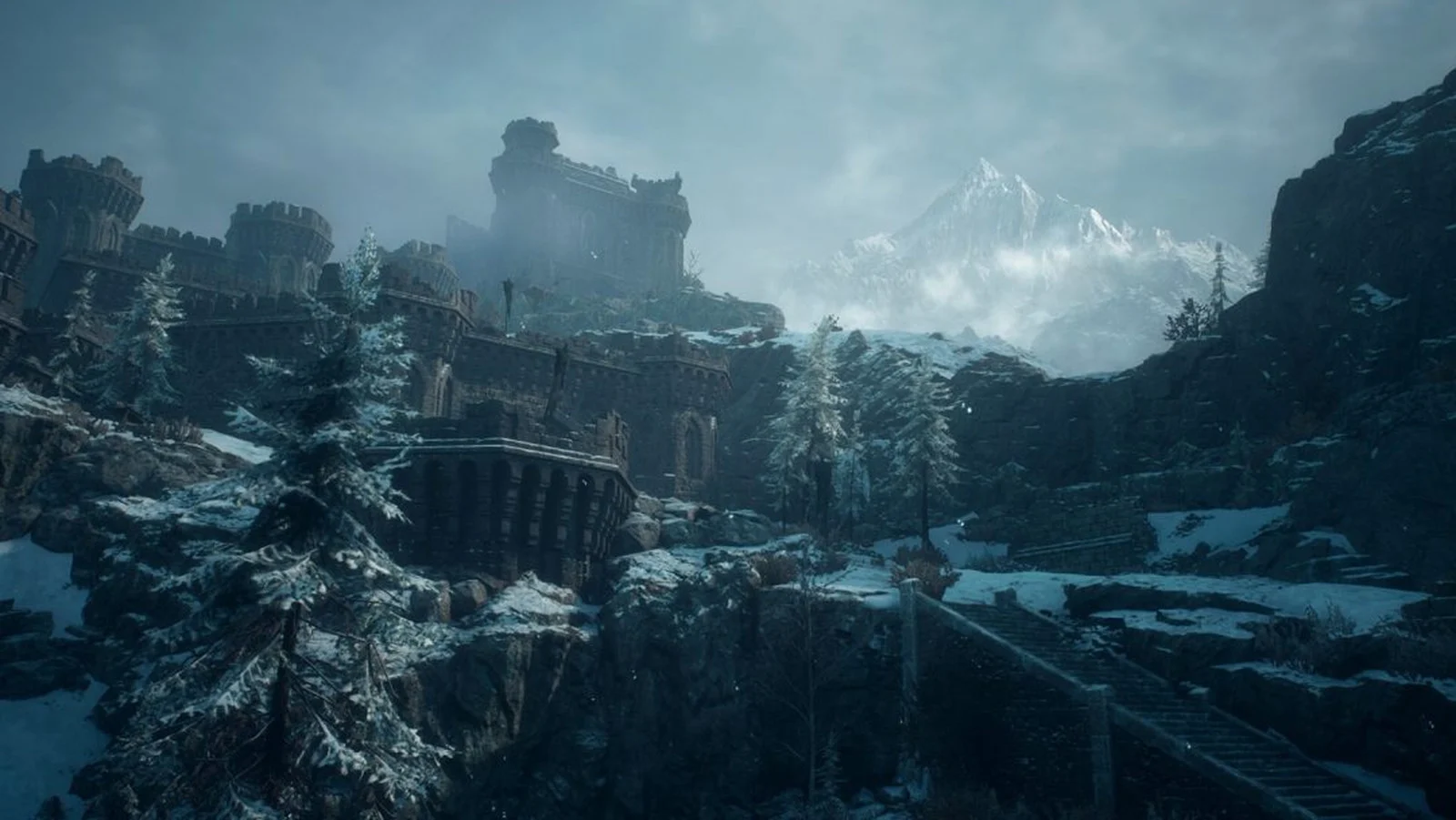
We were able to prepare experiences that aren’t found in the main game, partly because we chose Norgan, a new land covered in snow. For example, there are gameplay elements that arise depending on the direction of the wind in the area.
Story-wise, we weren’t particularly conscious of creating connections with the main game. Instead, we’ve made it into a standalone story that players can enjoy on its own, centered on what is happening in Norgan.
—Finally, do you have a message for our readers?
Kinoshita:
The release is now just three weeks away. We’ve done our best to respond to players who have been saying, “We want more.” I think we’ll be able to offer a thrilling adventure experience to our core fans. At the same time, for those who are playing it for the first time, the DLC adds even more content on top of the volume of the main Dragon’s Dogma 2, giving the overall game more to play and more depth. We hope you’ll look forward to it.
Oyama:
This time, we’re also releasing a Nintendo Switch 2 version. For those who previously didn’t have a supported platform and therefore couldn’t play the game, as well as those who want to play it on Nintendo Switch 2, we’d really encourage you to give it a try.
As I mentioned earlier, the character creator is available as a free download and lets you enjoy creating your own character. We hope you’ll start by creating a character there, imagining how fun it would be to go on an adventure as that Arisen, and wait just a little longer until release day.
—Thank you very much.
Dragon Dogma 2’s Dark Arisen expansion is scheduled to release on October 9 across PC (Steam), PS5, and Xbox Series X|S. The game’s new Nintendo Switch 2 version will release on the same day.
[Interviewer, writer: Takayuki Sawahata]
[Editor: Hideaki Fujiwara]