
Hideo Kojima says AI lacks what makes the creative process fun, despite its efficiency. “It’s not a form of creation I find particularly interesting”
Metal Gear and DEATH STRANDING director Hideo Kojima discusses his outlook on game development amidst rapid advancements in AI technology.
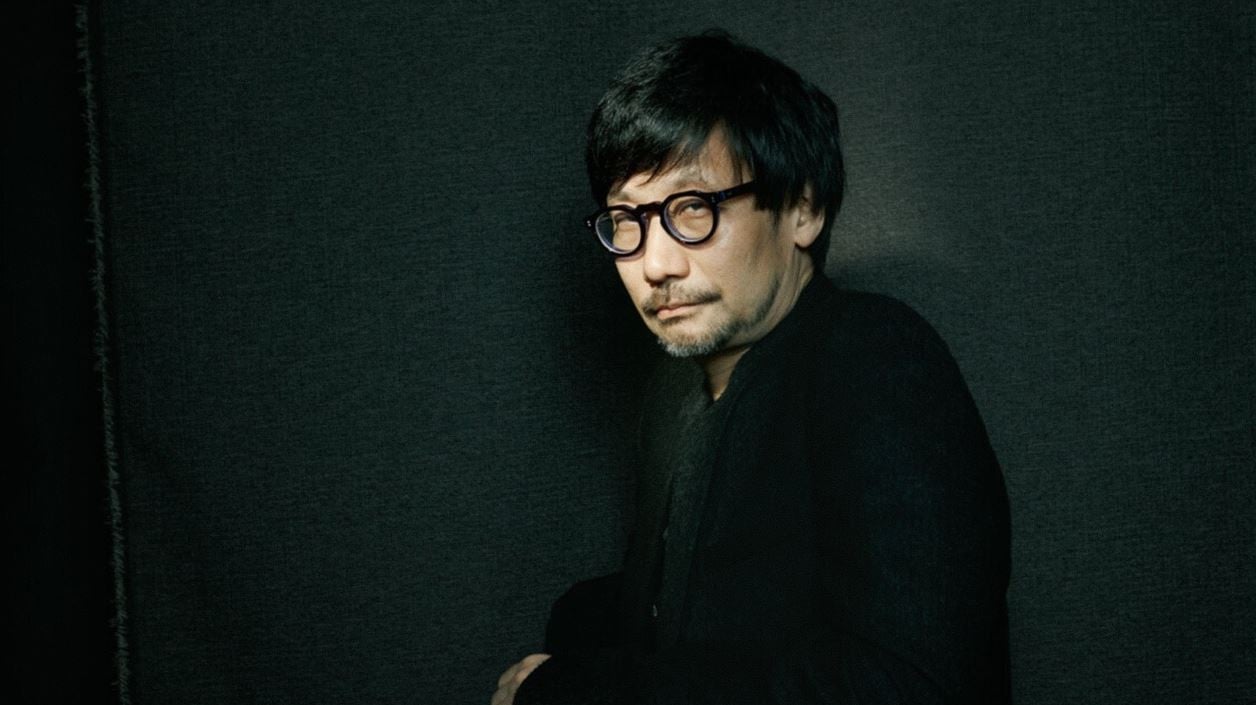
In a recent interview with Japanese media outlet Game*Spark, Metal Gear and DEATH STRANDING series creator Hideo Kojima talked about his outlook on the future of game development. While explaining how rapid advancements in AI technology have made game development much more manageable, Kojima also expressed some anxiety over a possible future where “the fun of the creative process” is lost.
Looking back on the huge evolutionary jump the game industry has made in the past 40 years, Kojima says that the technological advancements have opened up numerous options for developers. “However, having more options doesn’t mean we can do everything. Storage capacity and schedules are just some of the limitations. But still, possibilities will keep expanding. This goes not just for games, but also for movies and music. So, I think that what we couldn’t do yesterday, we’re able to do today, and tomorrow we’ll be able to do even more,” Kojima comments.
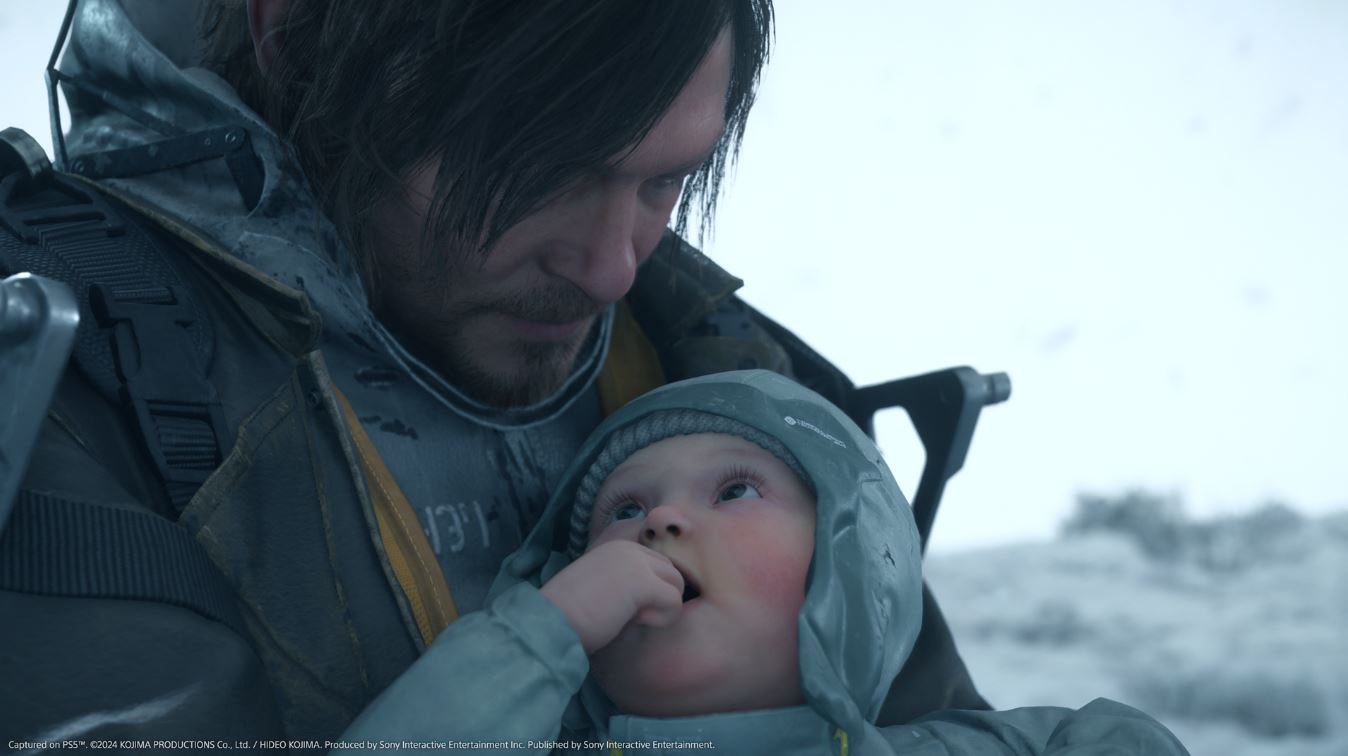
The game director notes that when digital tools like Photoshop and word processors first came out, they were incredibly convenient for users and boosted the efficiency of the task at hand. Now, that trend has been extended to AI, which, according to Kojima, “has made things even more efficient, allowing us to meet deadlines even faster.”
“I think that’s great too,” Kojima adds, “but let’s take drawing as an example. Getting a finished picture is not what’s fun about drawing, it’s the process […] While it’s fine to tell the computer stuff like, ‘Make this,’ ‘It’s done,’ ‘That’s wrong, so do it differently’ – that’s not a form of creation that I find particularly interesting.”
As an example, Kojima brings up model kits, jigsaw puzzles and LEGOs. The final product is the same regardless of who builds it, but the process of building something is what makes these games so fun. “When it comes to this kind of enjoyment that comes with the process of creating something, I’m worried about where things are headed,” Kojima says.
“While I think things will be fine for the next five to ten years, if AI remains unrestricted, there might come a day when it starts playing a key role even in the creative filed. Though, I won’t be around anymore when that happens (laughs). The younger generations will have to decide what to do, so I’d like to pass the torch to them.”
Kojima explains that in the usual game direction process – coming up with ideas and giving instructions to creators – humans have been replaced with computers, which undoubtedly improves efficiency. However, he argues that this approach is only fine if you’re focusing on just making a “product,” as he believes that “enjoying the process of creation” is what makes a creator.
“It’s not like you’re just telling a person, ‘Please make me a song like this,’ and just greenlighting it after it’s done. The trial-and-error process in between is what gets my adrenaline pumping and makes the experience engaging. I don’t want a future where that aspect is lost,” Kojima noted.
On the other hand, the game director added that, given how easy it has become to create things, AI tools could also help us build a better future, depending on how they are used.

Đorđe P
Articles: 546Related Posts

Hideo Kojima is, and forever will be, the man. Thank you for making my childhood super fun, Big Boss. 🤙🤙
Personally speaking, I think Kojima is correct on AI, there is a difference between assembling and creation which is very important in the utilization of AI as a tool. Assembling just means you put various parts together and put it out quickly, which might be highly efficient, but leads to low quality results in the creative fields along with low sales, especially when you are saying “Make a 10/10 game” or “make it sound like this” or “make it like this, but in this style” or thinking it’s like a science when it’s not due to consumer habits changing constantly. It reminds me of Unity Asset Flip Games in the early 2010’s, which were filtered out eventually. Because there is no shortcut to success through being an assembly line in the world of creation.
Creation involves iteration, it’s like a conversation that goes back and fourth by slowly building something, you learn how the tool works, you learn how to do things you did not understand before and work through it until you achieve something of what you personally like. In the world of Artistry it’s about individual taste, sensibility that really shines in a work. AI can be used to help where a creator lacks experience as a shortcut in some spots like coding or learning and expanding their own knowledge on how things work, other times the creator can utilize AI for where they are experienced in. I think it should be used as an enhancement to workflows, knowledge and a tool that can help build things, not a thing that takes over all of the process itself. Human subjectivity, taste is extremely important overall otherwise you just end up not standing out, but blending in with thousands of failures.
What, the guy who made a whole game series that feature rogue AIs as prominent antagonists isn’t a big fan of AI?
Who could have guessed 🤣
There is a creative part and a technical part. It’s possible to (and most devs do this) have AI focus on the technical (coding and repetitive tasks) and still maintain full creative control. It’s when the creative control is left to AI that you get repetitive slop.
Its not meant to be used for creative process, AI is a productivity tool. And in the right circumstances, it can be useful