Why are more games adopting parrying? A game designer explores the mechanic’s appeal and historical origins
A look at how parrying has evolved and why it has become a staple of action games.
Hi, I’m Nununu, a Japanese game designer making a humble living in a corner of the industry. Thanks to AUTOMATON for giving me a place to ramble about game design.
Today, I’d like to focus on a system that has almost become a staple in recent games: parrying. In action games built around intense combat, it’s now almost rarer not to see a parry system. So this time, I’d like to explore the question: Why have so many modern games started adopting parrying? I hope you enjoy it.
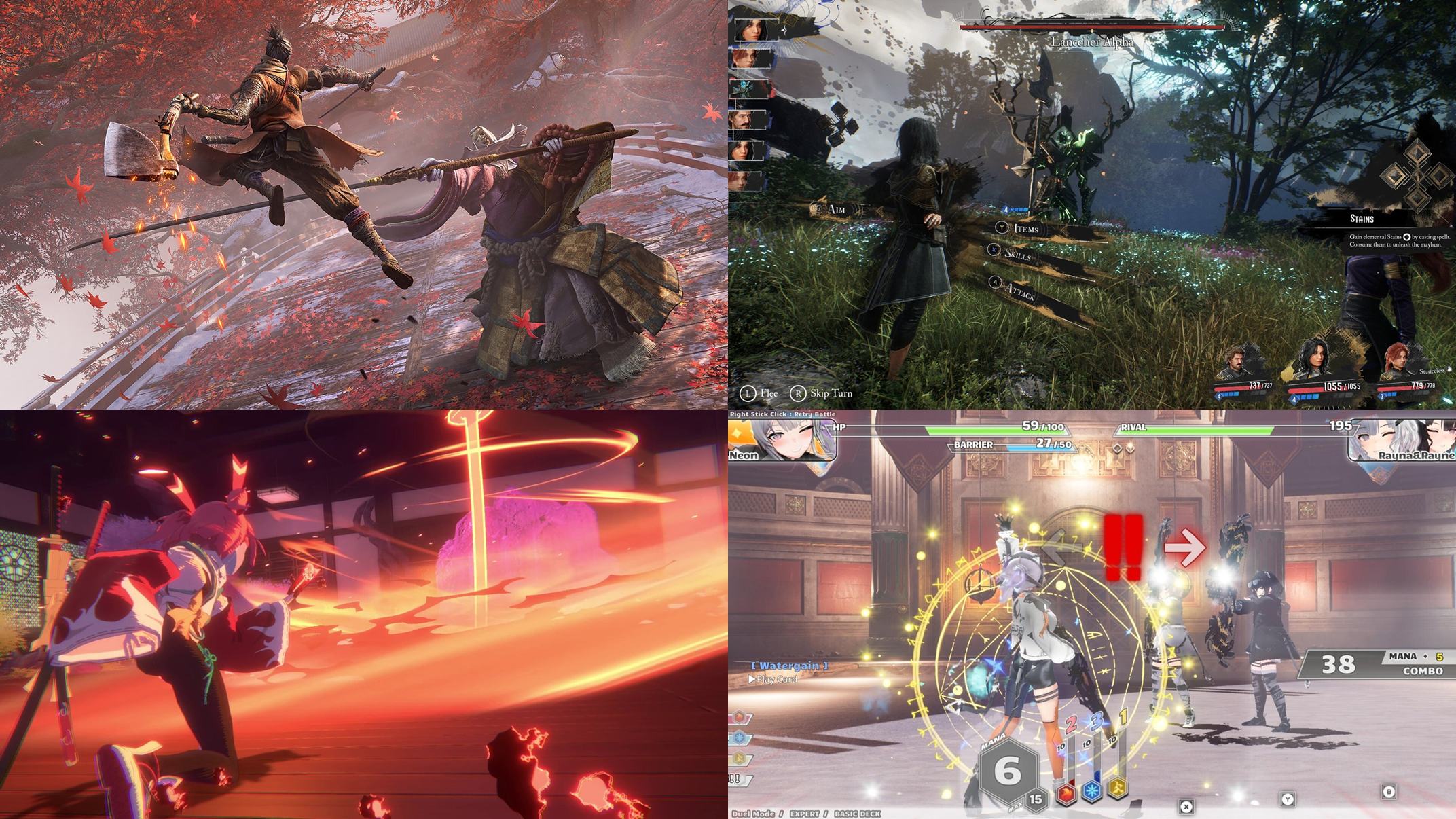
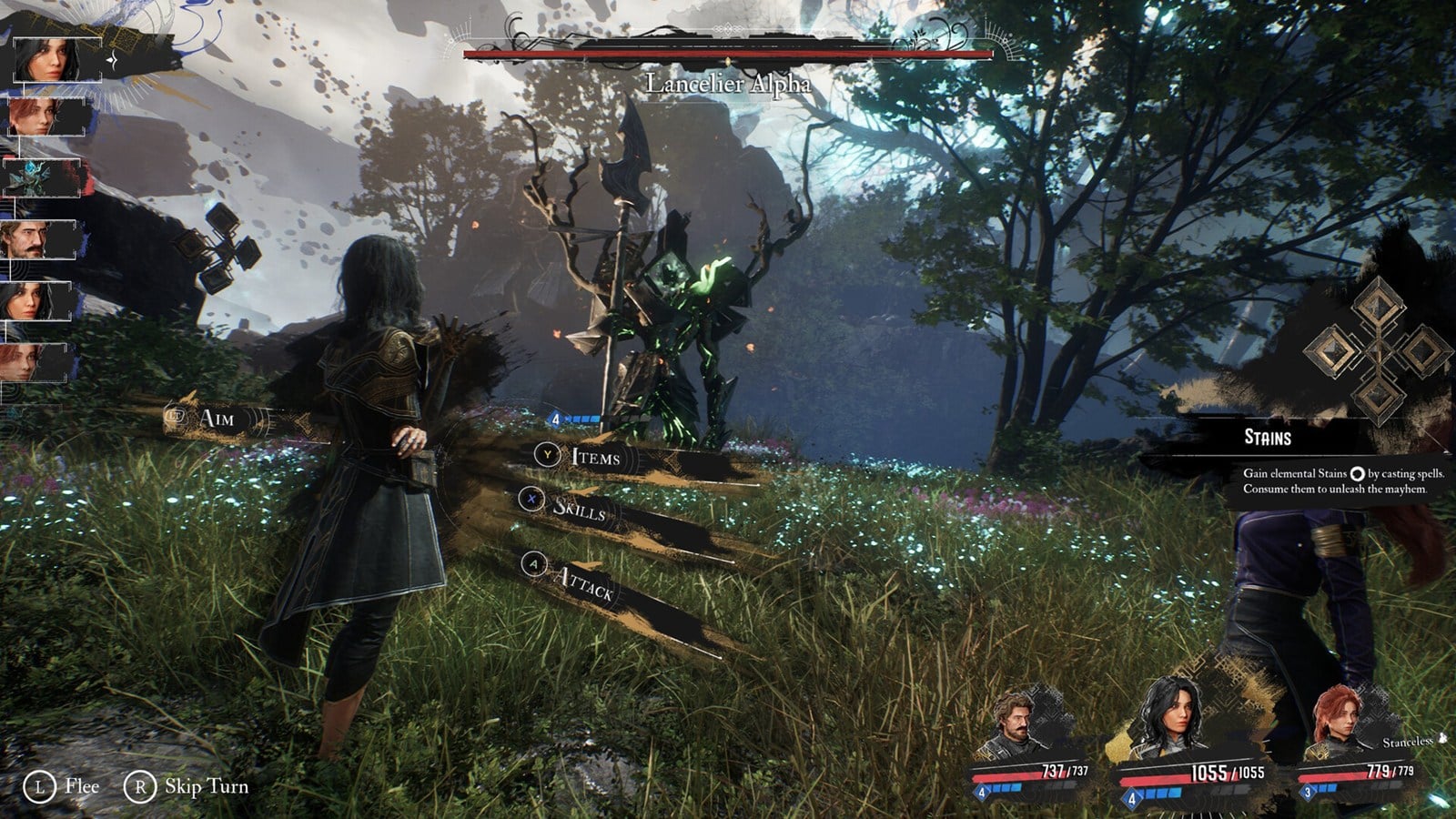
One of the most famous recent examples of a game using parrying has to be Clair Obscur: Expedition 33. Inspired by JRPGs, the title became one of 2025’s biggest releases, selling 8 million copies and earning worldwide acclaim. Of course, that success isn’t due solely to its parry-based combat system – its visuals, story, and music have all earned widespread praise – but I think the fact that even a game with a turn-based RPG battle system adopts parrying speaks to just how popular the mechanic has become.
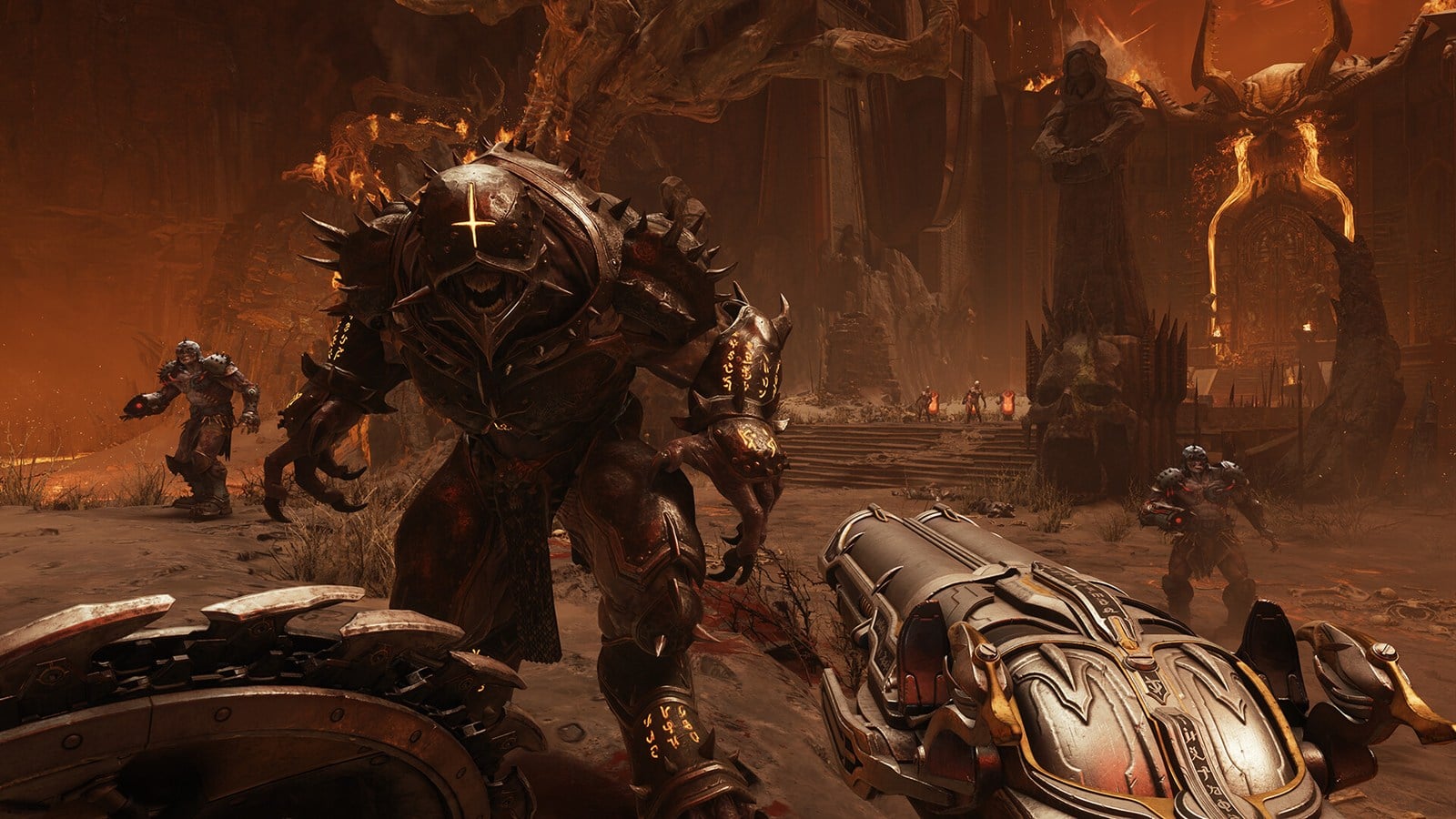
Other prominent action games featuring parries released in recent years include DOOM: The Dark Ages, Resident Evil Requiem, and indie hits such as Nine Sols, Sifu, and Lies of P. At this point, it may actually be harder to find an action game without a parry system. So why has parrying become so widespread? Before answering that question, let’s first think a bit about what a “parry” actually is.
Deconstructing parrying and related mechanics
Whether in action games or RPGs, combat systems can generally be divided into several broad categories, such as offense, defense, healing, and support. Parrying belongs to the “defense” category. Let’s break down parries and similar mechanics in more detail.
1. Deflection
The first is the “deflection.” This is an action that simply blocks an opponent’s attack from connecting. Whether or not the opponent loses their balance afterward is a separate matter entirely. It resembles a parry, but it’s actually a different system. A famous example is Street Fighter III’s “blocking” mechanic.
2. Countering
The second is the “counter.” This is when the player avoids an opponent’s attack while retaliating, allowing them to deal greater-than-normal damage. At first glance, this seems closer to the “attack” category of combat systems, but because it is fundamentally a reactive action (striking back in response to an opponent’s attack), I would still classify it as defensive. In RPGs, counters are often triggered after taking damage, automatically retaliating against the attacker.
3. Interruption (JP: kuzushi)
This refers to exploiting an opening to throw the opponent off balance. The opponent doesn’t necessarily need to be in an attacking motion, but openings naturally tend to appear during attacks. The primary function here is canceling the opponent’s action – dealing damage isn’t required. After being interrupted, the opponent becomes vulnerable, allowing the player to follow up with further attacks. This mechanic could arguably also be considered part of the “offense” category.
4. Parry
Finally, we have the “parry.” This is the act of knocking back an opponent’s attack using a weapon or shield. Because the attack is knocked away, damage does not go through, making it a defensive action. And because the opponent’s attack is unexpectedly interrupted, they either lose their balance or stop their attack altogether. Strictly speaking, this comes from the real-life logic that, if your attack gets knocked aside, your posture naturally breaks. But depending on the game, the enemy’s attack doesn’t necessarily have to stop.
In reality, deflection, interruption, counters, and parries are all distinct mechanics. However, many games lump them together under the broad label of “parry.” Breaking them down like this makes it easier to understand why individual games selectively incorporate certain elements into their own “parry-like” systems. Now that we’ve developed a clearer understanding of how parries function, let’s move on to the history of parry-focused game design.
The history of games built around parrying
As I mentioned earlier, Clair Obscur: Expedition 33 is one of the most prominent recent examples of a game featuring parrying. Its developers incorporated the mechanic after receiving inspiration from FromSoftware’s Sekiro: Shadows Die Twice, according to an interview published by Dengeki Online.
We wanted to create a game with a unique new turn-based combat system, but we were running out of ideas. Then, by chance, I played Sekiro: Shadows Die Twice, and the parrying felt incredibly satisfying.
Clair Obscur: Expedition 33 is far from the only game whose developers turned to Sekiro when they ran into difficulties coming up with interesting combat ideas. The highly acclaimed indie game Nine Sols also found inspiration in it, as described in an interview with Video Game Journalist Search.
At first, there were times when we felt quite lost and ran into dead ends. Fortunately, during these moments, Sekiro inspired us. Our vision became much clearer with the question, “What would a 2D Sekiro feel like?”
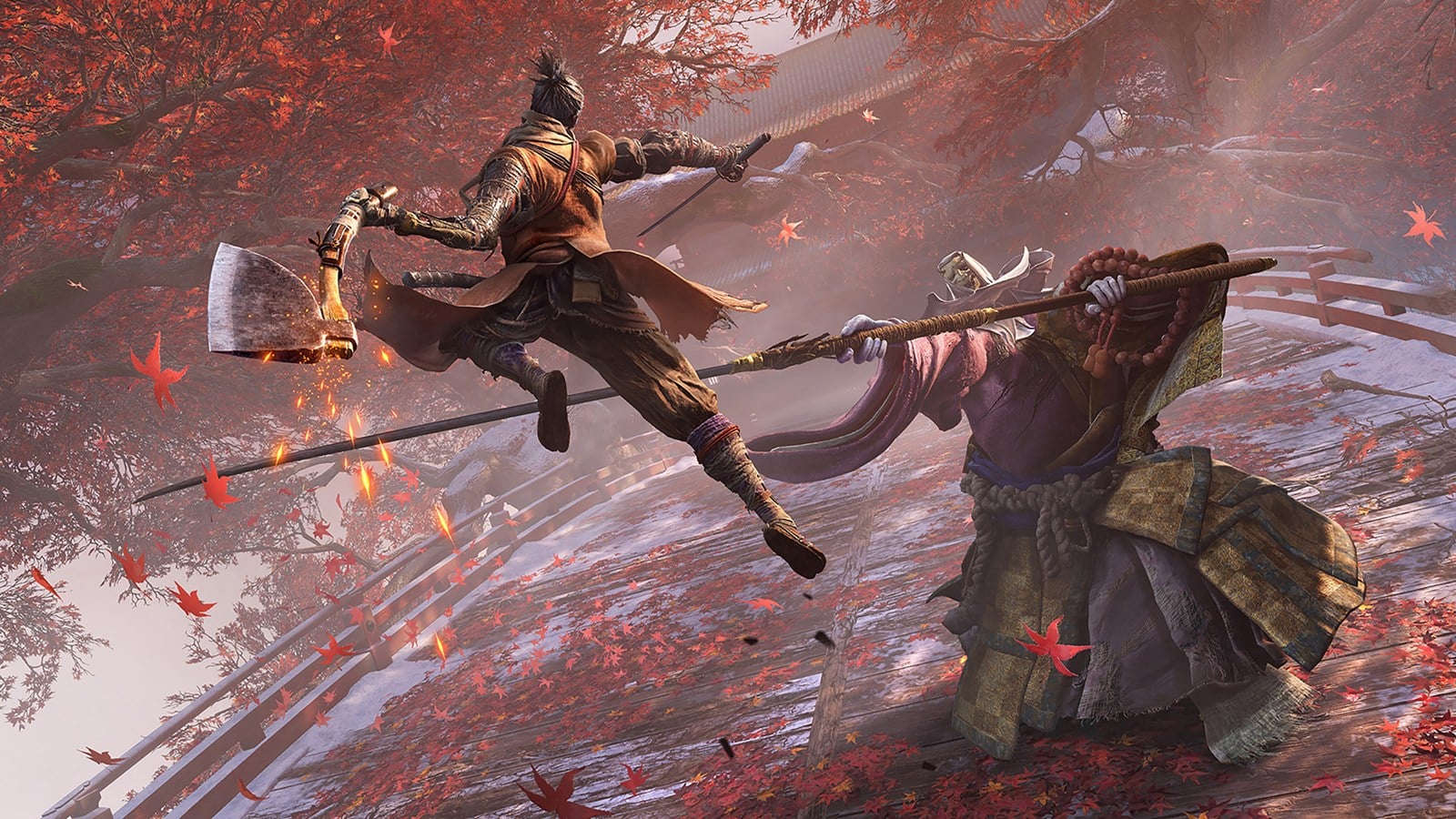
Of course, Sifu was also influenced by Sekiro, and so was DOOM: The Dark Ages, as shared by the developers in interviews with IGN and VICE, respectively. Looking at these examples, it’s hard to deny that Sekiro is at the center of the modern wave of parry-focused games. It therefore makes sense to examine the history of parrying with Sekiro as a central point of reference.
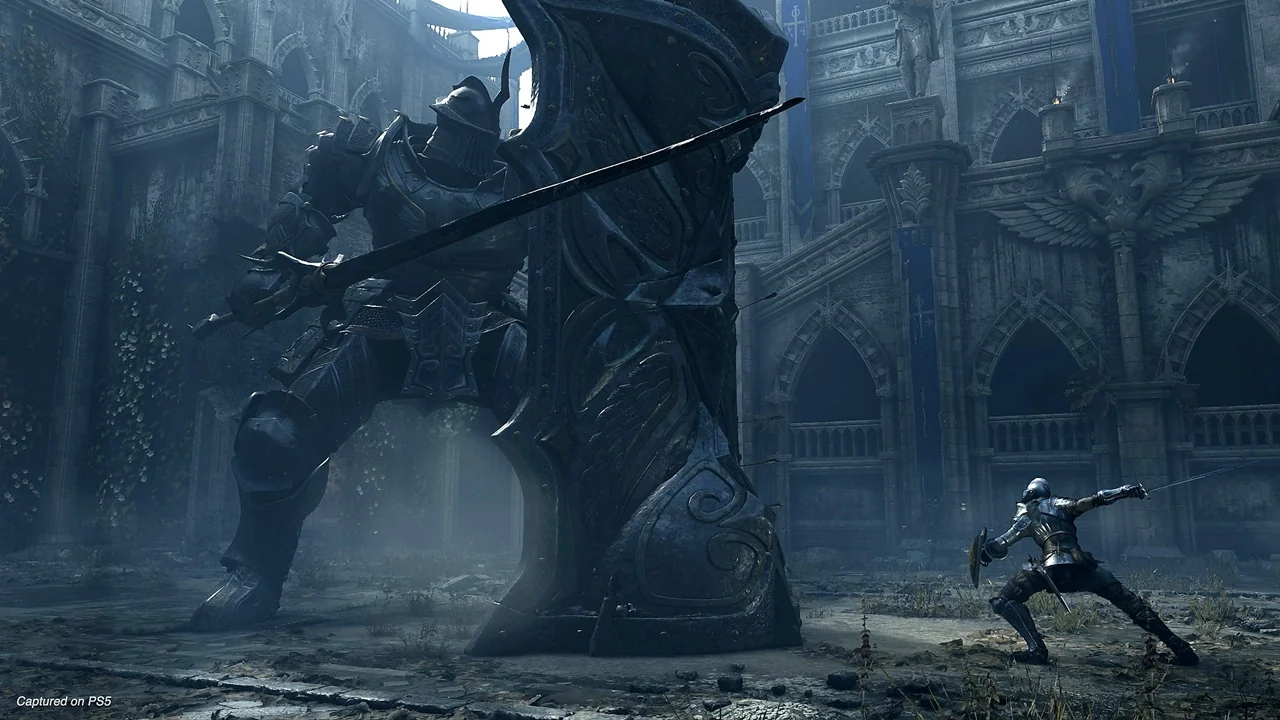
Game design, after all, is also a process of “imitation and selection.” When borrowing ideas from another game, designers select the elements that suit their own project, and in doing so, create a different gameplay experience. Even Sekiro didn’t suddenly emerge with a design centered on parrying out of nowhere. Director Hidetaka Miyazaki had already incorporated parrying into Demon’s Souls, the first entry in the Souls series.
It’s unclear exactly how the mechanic evolved from the Demon’s Souls style of parrying, which deflects an attack and renders the opponent vulnerable, to Sekiro’s approach, which involves repeatedly parrying attacks to deplete an enemy’s posture before eventually breaking it. One thing we can say, however, is that this evolution grew out of a concept Miyazaki has consistently championed – the sense of accomplishment that comes from confronting and overcoming adversity.
From Demon’s Souls to Elden Ring, Miyazaki has continued to emphasize this concept, or variations on it, as he once told Famitsu: “We have always placed value on the sense of accomplishment that comes from overcoming challenges, as you put it, and we often build out games around that theme.”
A “challenge” in this context means finding yourself in a seemingly hopeless situation. In a game, this can take the form of exploring a difficult area or fighting a formidable enemy. To portray a powerful enemy, developers need more than just high damage output. They can convey the enemy’s strength in various ways, including speed and sheer size. Overcoming such an enemy, in turn, requires the player to develop the necessary combat skills. Success requires not just improving stats through equipment, abilities, and leveling up, but improving one’s own proficiency. Within this context, parrying is introduced as a mechanic that facilitates an intense back-and-forth struggle between the player and enemy.
By continually revisiting ideas from his previous games through a process of imitation and selective adaptation, Miyazaki has continued to break new ground. His keen interest in combat is what helped give rise to games such as Sekiro and Bloodborne. That being said, games do ultimately begin with imitation. When Miyazaki asked himself how to best portray intense exchanges of attacks, there were presumably other games he could’ve looked to for inspiration.
There is no documentation confirming which games he actually referenced, so what follows is merely my speculation. Still, let’s take a closer look at some titles that may have influenced the parrying mechanics found in Soulsborne games. I’ll include each game’s release year so we can follow the chronology.
The first game worth examining is Metal Gear Rising: Revengeance (2013), which features a combat system resembling that of Sekiro (2019). Developed by PlatinumGames, it includes a defensive mechanic called Shinogi. The system allows players to deflect enemy blows with precise timing. Based on that description alone, it sounds like parrying, but what made Shinogi so remarkable was its use of clear visual cues to telegraph incoming attacks.
When an enemy is about to strike, a red flash signals the incoming attack, giving the player a chance to deflect it at the right moment. By repeatedly parrying the enemy’s attacks, the player can eventually throw the opponent off balance and follow up with a devastating finishing slash. In other words, the game already featured a combat loop resembling the back-and-forth exchanges later seen in Sekiro. Takahisa Taura, a game designer who worked at PlatinumGames at the time, explained the Shinogi mechanic on the game’s official website, and interviews with the development team also shed light on why and how the mechanic was introduced, including one published by Game*Spark.
We want players to keep attacking, and that was our approach for this game, too. Ninja Run is a system we designed to help players move forward, and we incorporated Shinogi as a mechanic that encourages a more aggressive playstyle.
The key phrase here is “a system designed to help players move forward.” I suspect the developers of Sekiro had a similar mindset. Perhaps they wanted players to keep attacking, and to create combat in which players could press forward without being intimidated by an opponent’s relentless assault. That could explain why Sekiro also features clearly telegraphed attacks and the kind of back-and-forth combat found in Metal Gear Rising: Revengeance.
Let’s go back even further. Prior to Metal Gear Rising: Revengeance, PlatinumGames’s early notable titles include Bayonetta (2009). Bayonetta features an evasive maneuver called Dodge. If the player dodges an enemy attack with precise timing, it triggers Witch Time, a brief window in which the player can counterattack while time slows down for their opponent. The game had already incorporated combat built around precisely timed inputs and the interplay between offense and defense.
Hideki Kamiya, who led the development of Bayonetta, had previously worked at Clover Studio before joining PlatinumGames. Before that, he had been a game designer at Capcom. Two of Capcom’s best-known games featuring sword-based combat are Devil May Cry (2001) and Onimusha (2001).
The development of Devil May Cry is discussed in detail in “The World of Hideki Kamiya: The Complete Works of Game Design That Creates Pleasure,” a collection of interviews with Hideki Kamiya. Several points there are particularly interesting.
Devil May Cry has no defense mechanic. When you’re defending, the action comes to a halt. I want players to keep fighting aggressively and fluidly.
This echoes the idea of a “system designed to help players move forward,” as discussed in the interview about Metal Gear Rising: Revengeance. This led me to believe that an action game philosophy shaped by Kamiya’s design sensibilities may have been passed down from Capcom to PlatinumGames and, eventually, to Takahisa Taura.
I went to visit a programmer friend from another department who was working on Onimusha, and he let me play a work-in-progress build of the game.
This is another quote from the same book. What makes it interesting is that, despite Devil May Cry and Onimusha both releasing in 2001, it suggests that their respective teams may not have shared ideas with each other during development. While Devil May Cry pursued fast-paced, stylish swordplay that never let up, Onimusha focused on repeatedly landing powerful, weighty blows while cutting down the Genma. Although both games featured sword-based combat, they took different approaches. Devil May Cry emphasized movement centered on evasion, whereas Onimusha introduced the counterattack mechanic called Issen.
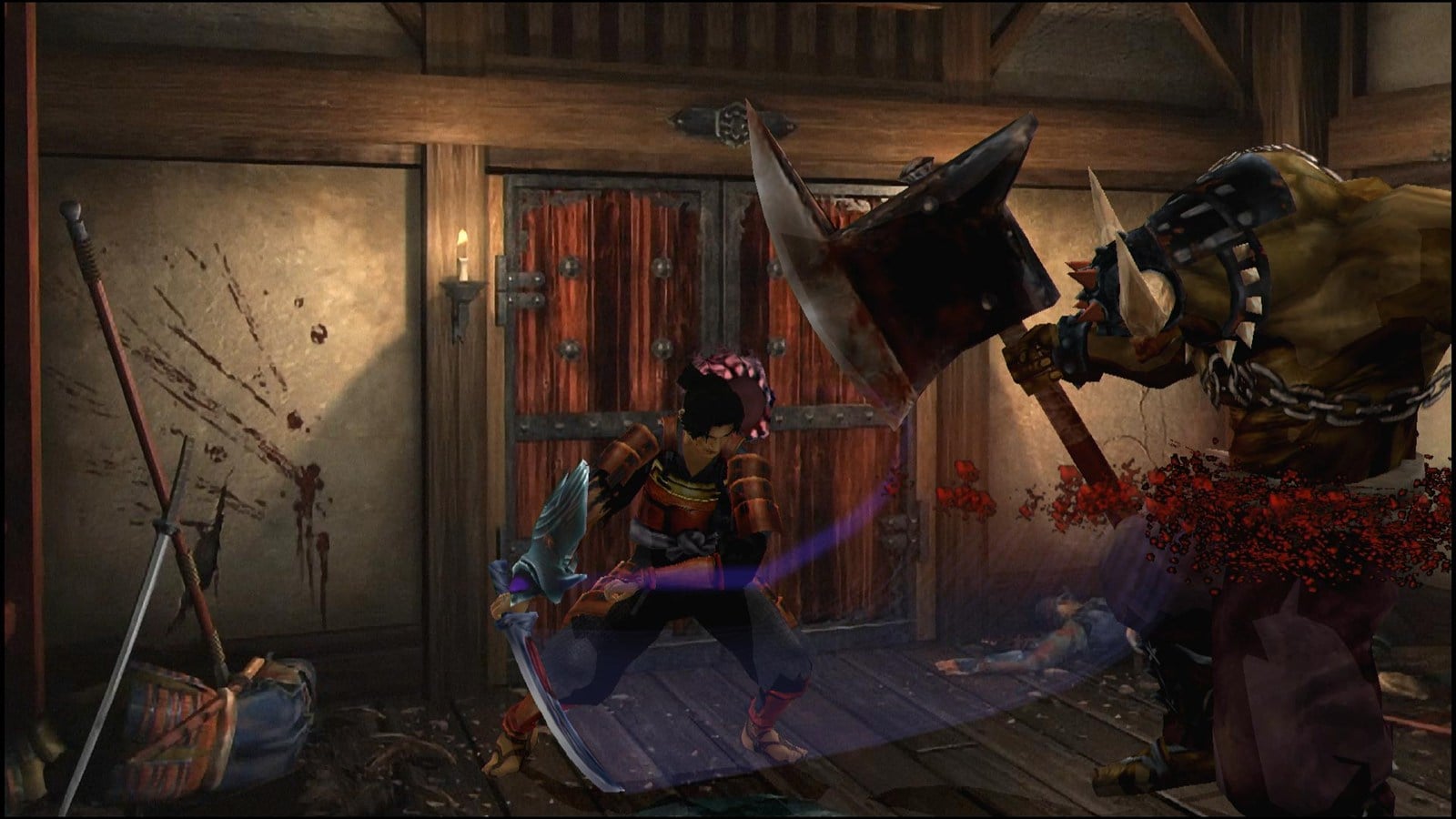
Issen is a deadly counterattack in which the player strikes at the moment an enemy attacks, killing the opponent in a single blow. Landing one feels incredibly satisfying and can turn the tide of battle instantly. Unlike Metal Gear Rising: Revengeance, however, Issen has no clear visual telegraph, meaning players must rely entirely on split-second reaction time and memorizing enemy attack patterns.
Could the weighty swordplay, careful observation of enemy movements, and devastating counterattacks found in Onimusha (2001) have been carried forward into Demon’s Souls (2009)? If we then combine those elements with Metal Gear Rising: Revengeance (2013)’s Shinogi mechanic, which uses telegraphed attacks and timed deflections, we arrive at Sekiro (2019), eventually leading to Clair Obscur: Expedition 33 (2025).
Thinking of it this way, it’s moving to see how the baton of game design has been passed down from the past to the present.
Going even further into the history of parrying might be a bit excessive, but one of Capcom’s most notable examples is the Blocking mechanic in Street Fighter III (1997). Within Capcom, the idea of timing a deflection to an opponent’s attack and nullifying its damage must already have been standardized. Fighting games were also a genre in which developers constantly competed to outdo one another. At the time, one of Capcom’s biggest rivals in the fighting game market was SNK. Among SNK’s major hits was Samurai Shodown II (1994), which featured a counter mechanic called Uke-gaeshi.
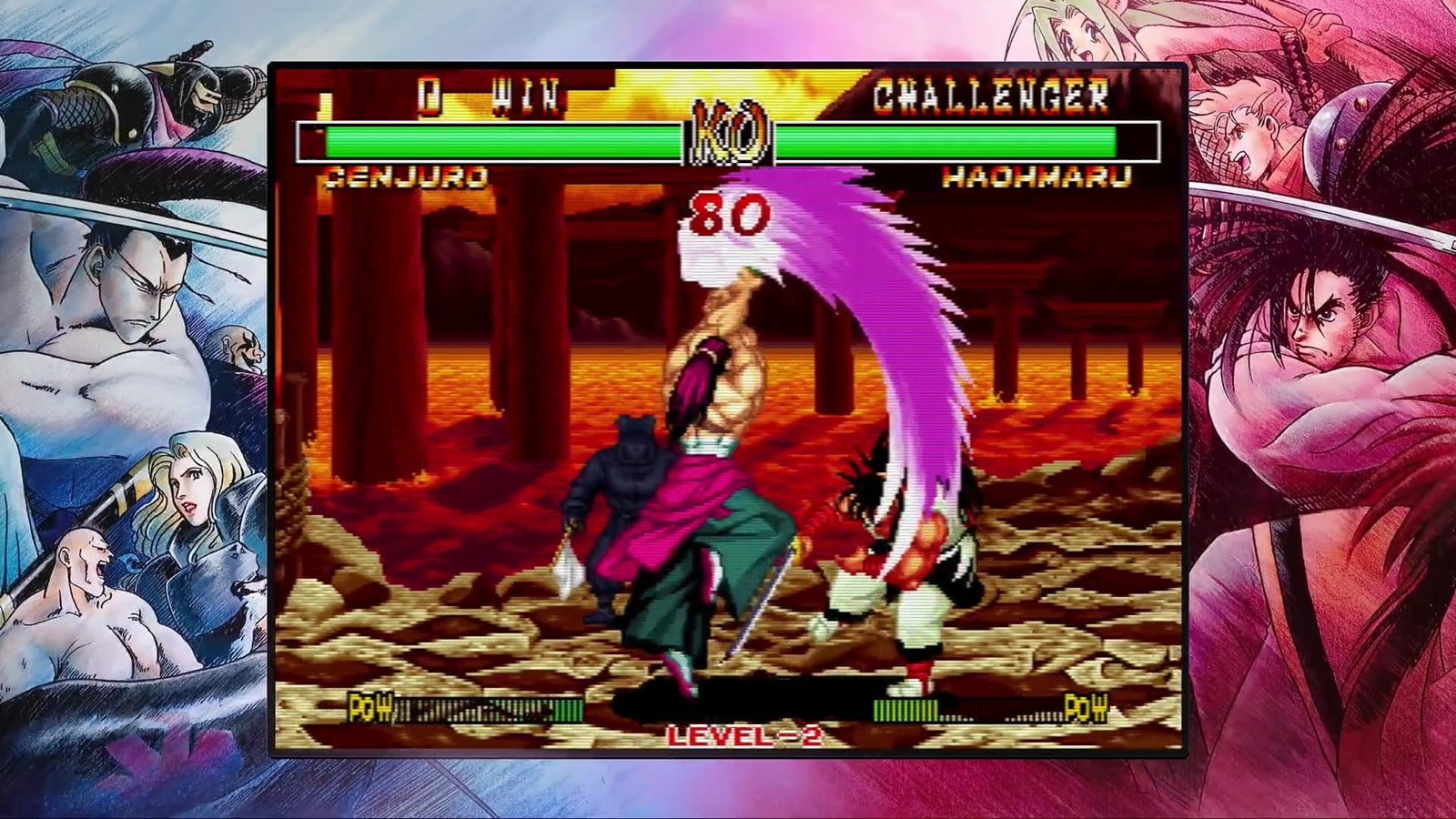
It was a relatively rudimentary mechanic that could be considered a precursor to parrying. It activated when the player guarded at the exact moment an opponent’s attack connected. A successful execution could leave the opponent defenseless for a set period, creating an opportunity for a dramatic reversal. However, pulling it off required even stricter timing than Onimusha’s Issen.
The limited-use Uke-gaeshi evolved into the similarly demanding but more broadly applicable Blocking mechanic, which in turn connects to Issen. I find this history also has a certain romantic appeal, as it lets us imagine fighting game developers of the time constantly pushing each other to improve, crossing swords in their efforts to outdo one another. Older games may seem dated, but their spirit has continued to live on in modern titles. (It is also worth noting that Nintendo’s Punch-Out!! (1984) might even be considered the true origin point, as it centered entirely on telegraphed attacks and counterattacks).
Why are more and more games adopting parrying in recent years? What makes it so satisfying?
Having looked at the recent popularity of parrying, broken down its constituent mechanics, and traced its history, it’s finally time to get to the main question: why has parrying gained so much momentum?
Parrying is a combat mechanic. In other words, games that adopt it are pursuing a style of combat presentation and balance in which parrying can shine. But why have developers increasingly sought out this kind of combat? Games are, in one sense, a medium that pursues pleasure and gratification. As I mentioned earlier, game design involves imitation and selection, and these processes are largely directed toward creating pleasure and satisfaction. Developers repeatedly borrow and refine ideas in pursuit of a more gratifying experience.
What, then, is the source of pleasure in games? Violence and destruction. Games that incorporate parrying therefore tend to place combat at the center of the experience, using the mechanic to maximize the satisfaction players derive from it. Put simply, the growing number of combat systems built around parrying is a result of developers seeking even more intense combat experiences than those offered by previous games. So what exactly makes parrying feel so good? As mentioned earlier, parrying belongs to the defensive category of combat actions. However, it is not merely defensive, it is also an offensive form of counterattack. In short, it offers the possibility of “turning the tables in a single move.” Still, why is that so gratifying?
In combat, the initiative constantly shifts between the player and the enemy. Whether it’s a turn-based RPG or a real-time battle system, the exchange of offense and defense continues in one form or another.
Enemies are obstacles to the player’s progress, so they are generally designed to be stronger than the player. Overcoming an obstacle is necessary to create the tension and release that make victory satisfying. An enemy’s strength is conveyed not only through its attack power and skills, but also through its attack frequency.
Powerful enemies often unleash multihit attacks that force players onto the defensive. The enemy essentially gets to say, “It’s my turn forever!” For the player, this is a stressful period in which they lose their agency. The one way to regain that agency is through parrying. Dodge rolls and other evasive maneuvers are primarily ways to reposition oneself and prepare for the next exchange. They do not stop the enemy’s attack sequence or combo. Parrying, on the other hand, can interrupt that sequence. The player intervenes and takes back control. This, I believe, is the greatest effect parrying has on the experience. It gives the player their freedom back. Against the stress of a high-difficulty battle, the release offered by parrying can be immensely satisfying. That, I believe, is one of the main reasons it has become so popular in recent years.
The downsides of adopting parrying
Parrying can produce intense combat and an overwhelming sense of release, but if implemented poorly, it can distort the design of the game as a whole. That’s because the essence of parrying is defense, and defense is fundamentally a reactive, wait-and-see action. Personally, I think there is still room for improvement in the way the Metroid series handles parrying through its Melee Counter mechanic. It allows Samus to deflect or repel charging enemies and projectiles, but it also introduces an element of waiting.
In a combat-focused game, players can look for opportunities to counterattack amid the back-and-forth of offense and defense. The Metroid series, however, places greater emphasis on exploration. As a result, the inherent “waiting” involved in the Melee Counter can interrupt the flow of exploration, making it a somewhat awkward fit.
Furthermore, since most entries in the series are 2D action games, avoiding encounters with enemies along the way can be difficult. Players therefore end up repeatedly alternating between moving, fighting, and waiting. Boss battles and encounters with powerful enemies can provide a satisfying sense of catharsis, so I’d like to see the mechanic become more useful against ordinary enemies as well.
As this example illustrates, it’s important to remember that parrying is fundamentally a reactive action. Failing to account for this can muddy the strengths of a game’s original design.
What’s next for parrying?
By “what’s next,” I mean the period following Clair Obscur: Expedition 33. Since the game was released in 2025, however, it’s probably too early to expect a dramatic shift across the industry so soon. Still, there are a couple of titles that could be considered a kind of “next wave” of parry-focused games.
Those are Homura Hime, BAKUDO, and Witch the Showdown.
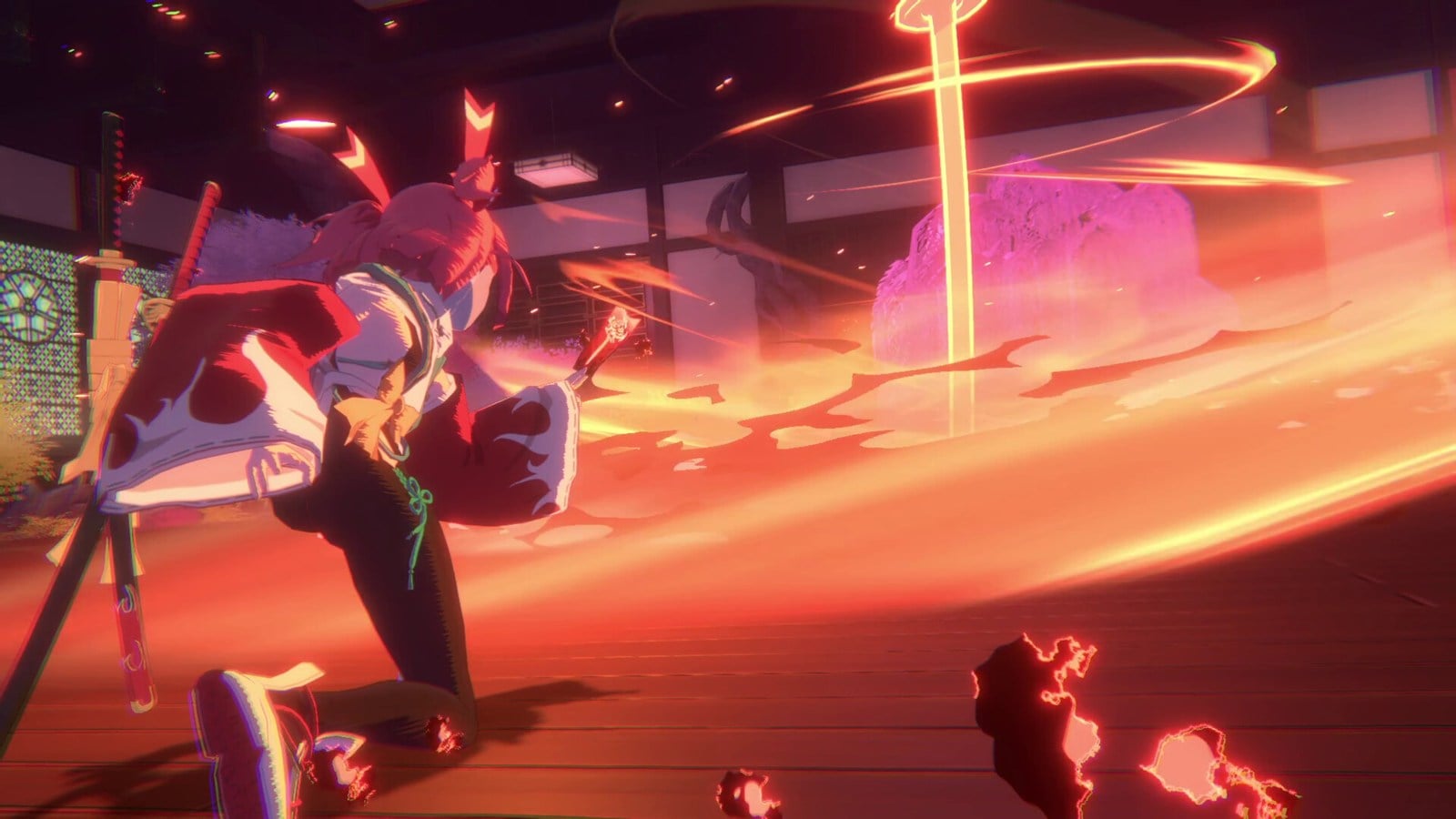
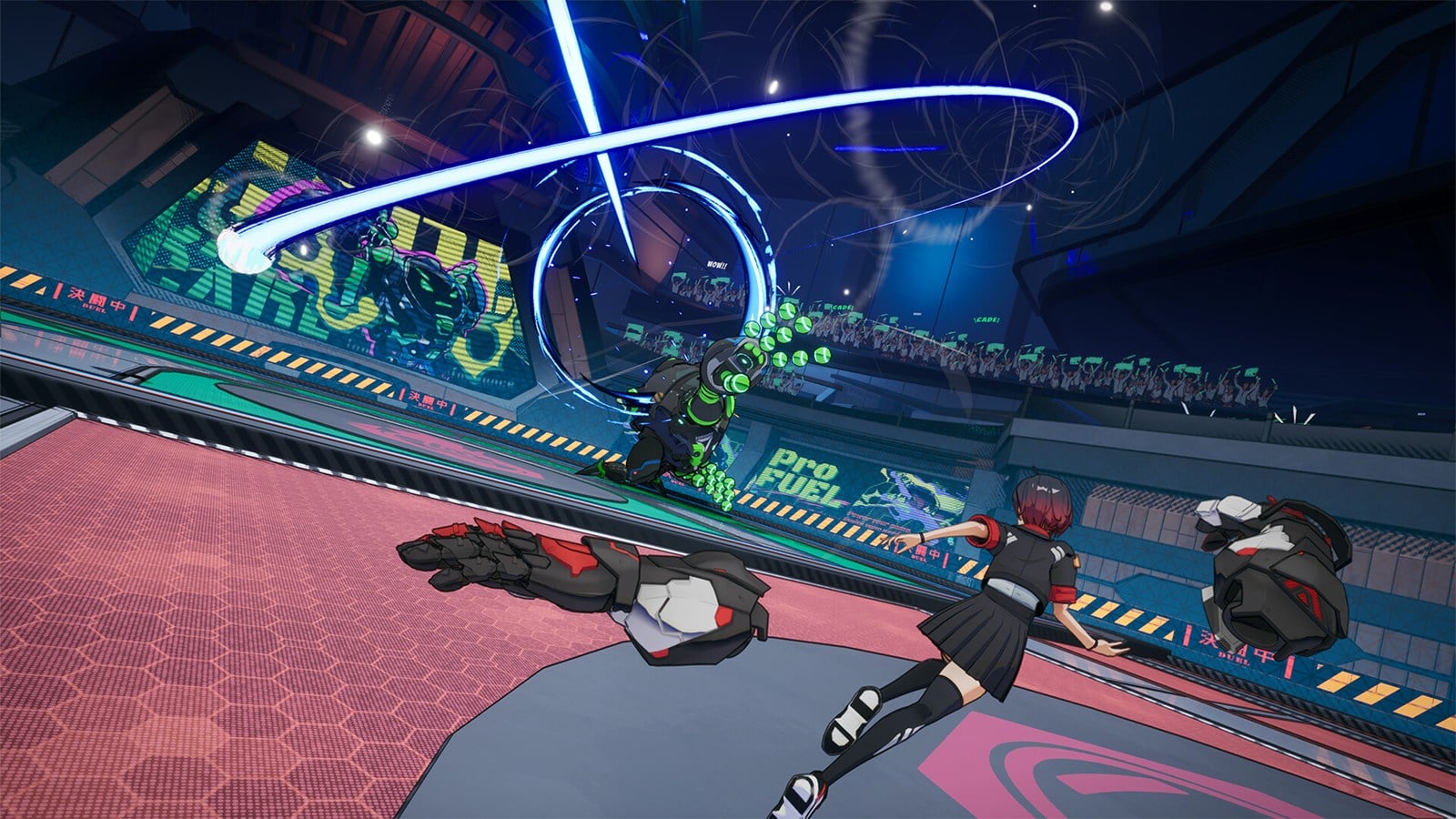
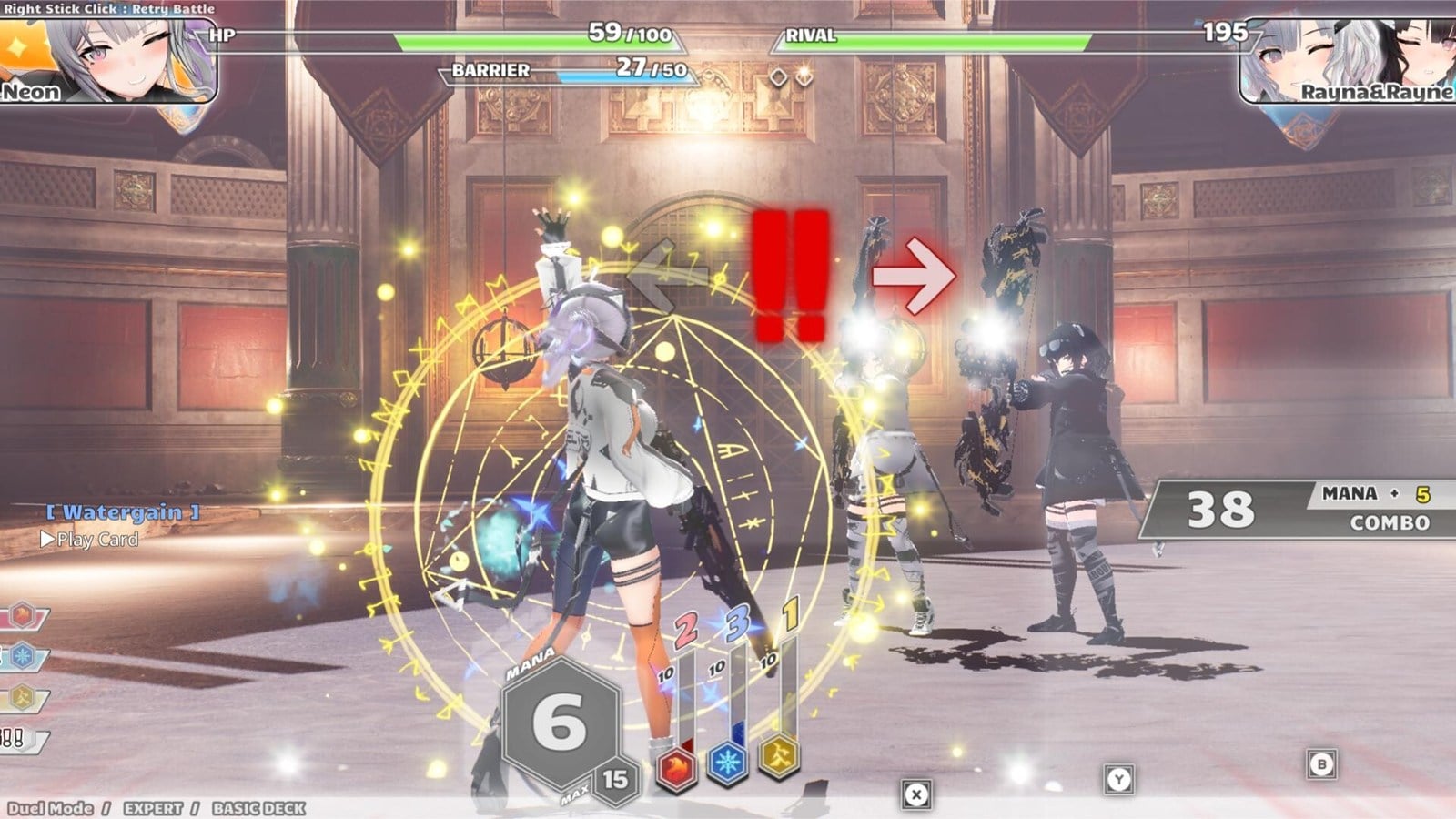
All three place parrying at the heart of their combat systems. You could call them Sekiro-likes, but they take a more casual, almost sports-like approach to the mechanic. Rather than treating parrying as an opportunity for a dramatic comeback, they make it a fundamental part of how the game progresses, focusing on making each successful parry feel good. And a parry that feels good is also one that anyone can successfully pull off. The key to achieving this is to provide clear, unmistakable telegraphs.
These telegraphs are presented as overt visual signals, almost like exaggerated laser beams. An anime-inspired art style is well suited to this approach because it can accommodate such obvious visual cues. A sudden, intense flash of light might feel somewhat out of place in a photorealistic game, but it fits naturally into an anime-style world.
It’s a bit of a chicken-and-egg question, but it’s interesting that all three of these games, which refine parrying into something more accessible and enjoyable, use anime-inspired visuals.
I’ll leave this topic for another time, but many Chinese games, beginning with Honkai Impact 3rd, have drawn inspiration from PlatinumGames’ combat systems. By combining combos like those in Devil May Cry (or, more specifically, Bayonetta), parrying like that in Sekiro, and the exaggerated attack telegraphs seen in the three games mentioned above, developers have created combat that delivers both exhilaration and catharsis.
These games are worth keeping an eye on. That said, there is a tendency for combat systems to converge on what appears to be the “optimal solution.” In that respect, offline single-player games like the three mentioned above may be better positioned to pursue more experimental and ambitious combat designs.
And with that, I’ve covered the adoption of parrying in games, its history, what makes it appealing, and where it might be headed.
There were a lot of elements to cover, and I apologize for glossing over some of them. Still, I hope this article encourages you to think about the appeal and challenges of parrying, as well as how future games might differentiate their combat systems.
Game Designer Nununu
Articles: 2Related Posts