
Why can’t Japan make an open-world anime game of NTE’s scale? Japanese developers weigh in amid title’s domestic success
Japanese game developers discuss the success of Neverness to Everness (NTE) and why a game of the same scale would be hard to pull of in Japan.

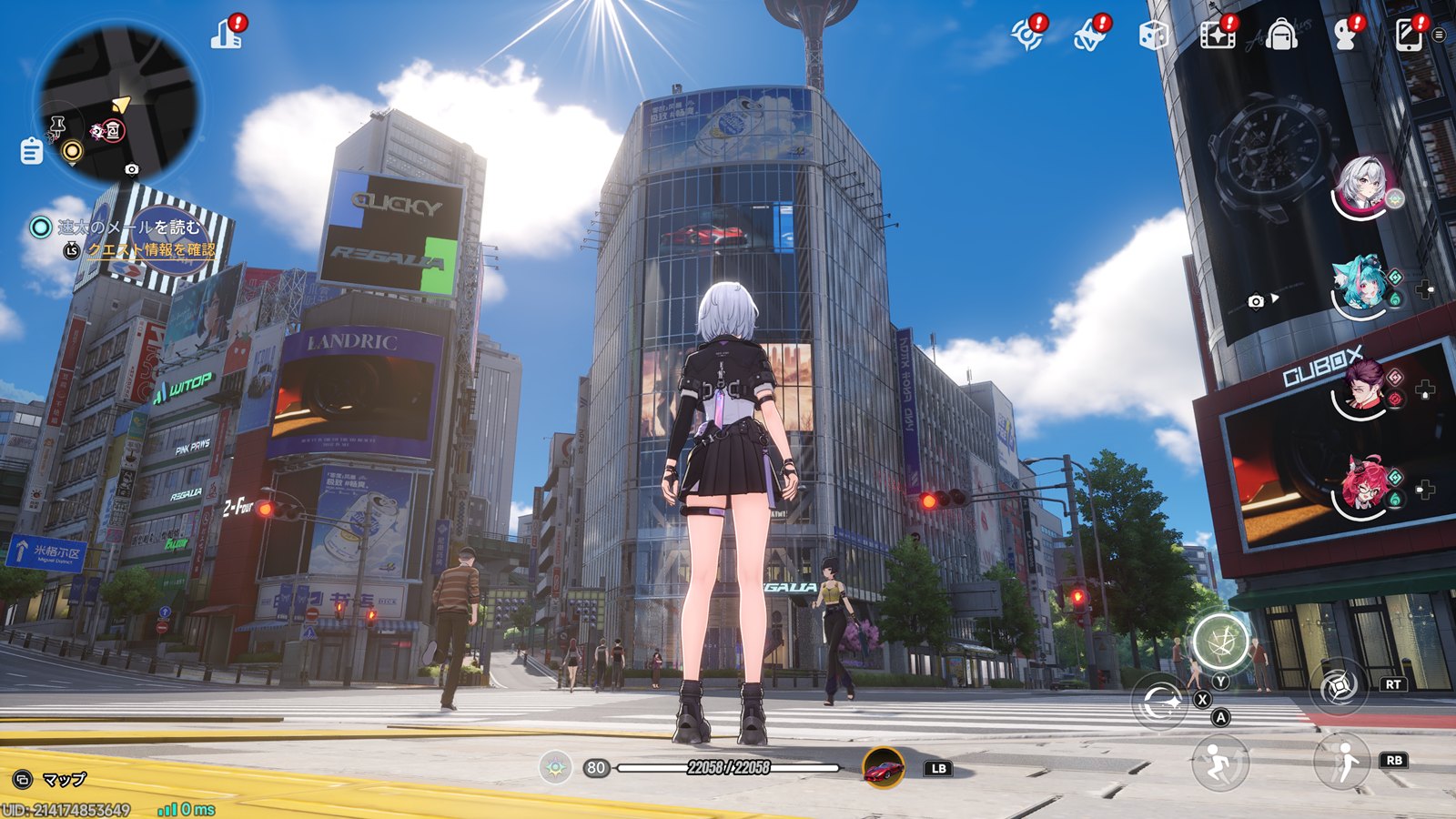
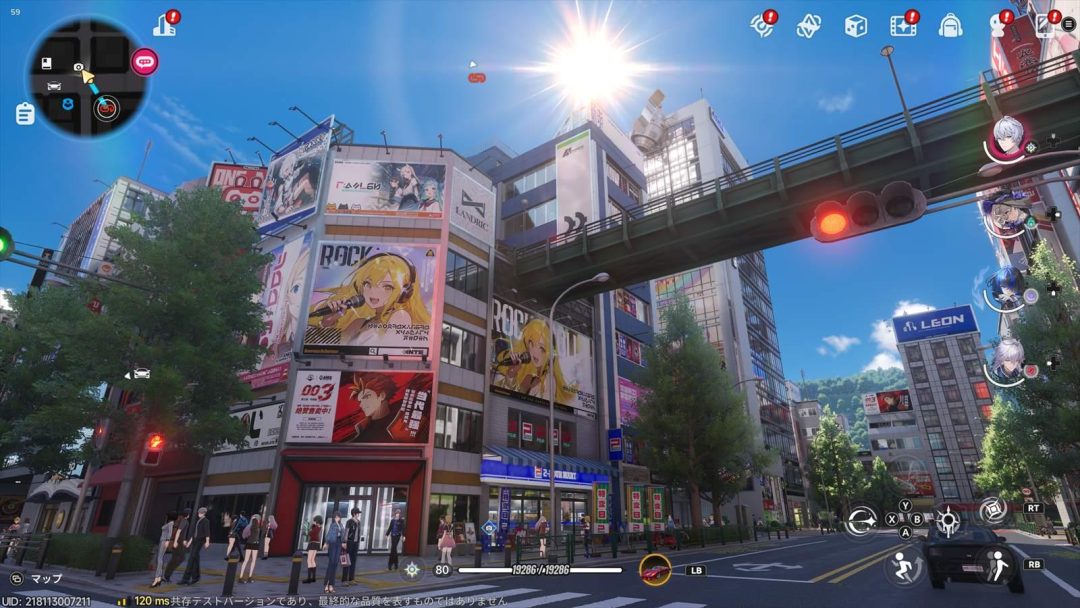
Developed by Hotta Studio under Perfect World Games, the urban open-world anime RPG Neverness to Everness (NTE) launched globally on April 29, immediately becoming a hit among Japanese players. Not only does Japan account for the biggest share of NTE’s revenue alongside the US, but its overtly Japanese and otaku-catered content has given it much social media virality, with users discovering meticulous recreations of real-life places like Akihabara and Shibuya, and even homages to famous anime landmarks.
Consequently, many Japanese users have expressed surprise that a game so polished and so steeped in anime culture was created by a Chinese studio, while a title of a similarly grand scale has yet to be developed domestically. The discussion was also joined by Japanese game developers, who tackled the question, “Why can’t Japan make a game like NTE?”
Alwei, representative of Indie-Us Games, a Japanese company specializing in Unreal Engine development, garnered attention in the gaming community with a series of posts discussing the technical strengths of NTE and what makes it, in some ways, unattainable for Japanese game developers.
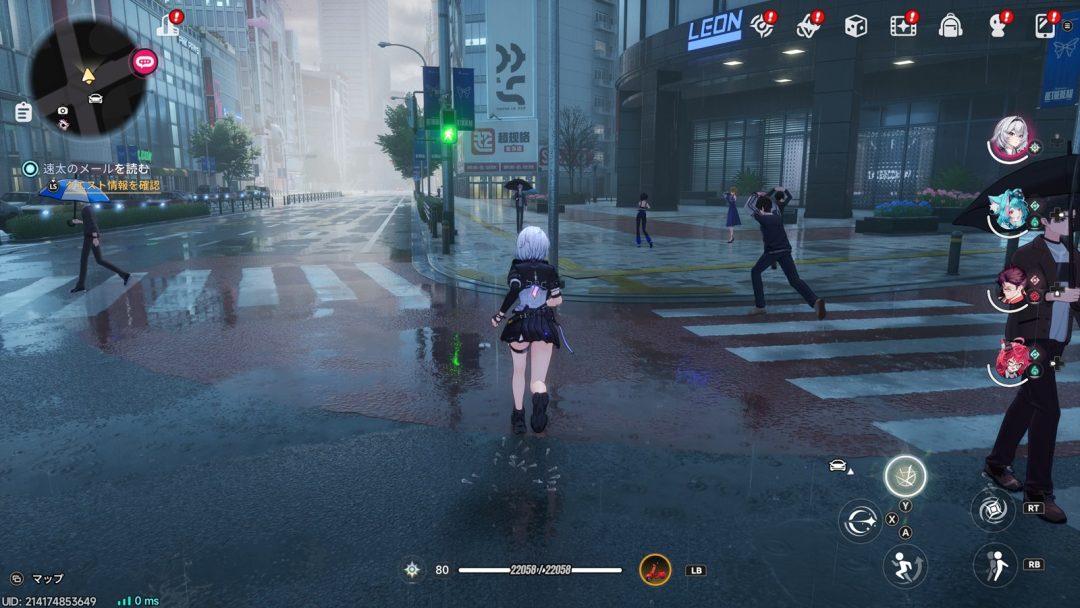
“Anyone in the Japanese game industry who’s actually played NTE will probably get what I mean, but the level of detail and polish in this game is on another level. I climbed to the highest point in Hethereau and took comparison shots on both the PC and iOS versions, and both ran smoothly without any stress. If you understand what that implies, it’s honestly kind of terrifying.” He goes on to explain that, given that NTE’s urban environment is not a static one, but a constantly changing “live city” where things move in real time, the sheer amount of volume and level of optimization in the game are absurdly high from a developer’s perspective.
“If you asked me if we could create something like this in Japan, I’d say it’s impossible. You’d need highly specialized engineers in every field, talented artists, and the ability to manage an overwhelming volume of content, all on a massive scale. Furthermore, with stricter labor and overtime regulations in Japan, we simply don’t have enough time. That’s the challenge of making games here,” Alwei comments.
The comparative shortage of skilled workers in Japan has been a recurring topic in discussions like these (ever since the release of Genshin Impact), especially when it comes to animation, which is a big part of the high visual appeal of Chinese games. Japanese game producer Ukyo notes in a blog entry responding to the discussion about NTE that there is also a “difference in management decisions” regarding how much domestic companies are willing to invest in aspects of development like animation.
“I was personally astonished when collaborating with a top Chinese studio to discover that, for a single title, as many as 200 people were constantly mobilized just for character-related tasks, including character production, motion design, and animation design. This was not unique to China either, with top titles in South Korea operating on a similar scale. On the other hand, in Japanese game development, I personally believe that budget requests for expanding animation (motion) resources are among the hardest to get approved, and I also get the sense that hiring for these roles is extremely difficult.”
While they caution that these observations are merely a reflection of their own experience in the industry, Ukyo comments that, “This overwhelming gap in manpower and difference in corporate financial capacity are likely the decisive factors driving the current disparity in game development capabilities between Japan and China.”
Other industry voices echoed similar views, like EA Japan’s GM Sean Noguchi, who recalled that a Japanese company recently asked him whether a “Japanese version of GTA” could be made with a budget of 500 million yen (that’s around $3.16 million USD). He said the question made him practically fall out of his chair laughing, as developing a GTA-scale game would require at least 20 billion yen. This only goes to highlight how difficult it is for Japanese game companies to commit the kind of budget and development time needed for a truly large-scale project.
While some may wonder why Japan would feel any pressure to compete, especially given its long-standing global prestige in game design and track record of major hits, titles like NTE are clearly reshaping domestic gamers’ expectations, particularly in the live-service genre, putting pressure on developers. As Indie-Us Games’ Alwei puts it, “It’s not that I’m trying to ‘beat’ them or anything, but I keep finding myself thinking that game development has become increasingly difficult when it comes to meeting expectations. So I often wonder, surely there must be a Japanese way of approaching this?”

Amber V
Articles: 1619Related Posts

This kinda explains why Square Enix can’t make their own Genshin Impact tier Gacha Game. It’d may stupid money, but they don’t have the funds or people structure to make that happen.
In the first place, the main limitation is not the technical ability but the budget.
The game industry in most countries has been slowing down since the pandemic, but the Chinese game industry is the only one that truly grew in scale, and very fast at that.
Genshin did play a role, but it’s a general trend. It’s impressive that after Tower of Fantasy, the devs had the balls to start an even bigger, more ambitious project like NTE. By the looks of it, they spent 4 years on it, with a sizeable team. That’s a budget few companies are willing to spend on a single high risk project.
I do think it’d be possible for gacha developers if they set their mind to it, but Japanese companies are more about stability than risk.