
“I’ve seen many colleagues die in their 50s” Black Lagoon director Sunao Katabuchi reflects on anime industry working conditions as Japan gets new dedicated insurance program
Sunao Katabuchi recently gave his thoughts on the health of anime production staff and whether AI could help relieve the burden.


A new labor insurance program dedicated specifically to people working in anime production in Japan was recently launched, aiming to provide freelancers with protection against workplace injuries and illness while improving health standards across the notoriously grueling anime industry. During a press conference held on July 22 at Japan’s Ministry of Health, Labor and Welfare, veteran anime director Sunao Katabuchi talked about the significance of this project and the risks anime production staff is faced with (source: Eiga Natalie).
The new insurance program, established by domestic freelancer association “Arts Workers Japan,” is intended to offer a “safety net” for freelance animators, directors, and other production staff who are not formally employed by a company by providing compensation from any ailments sustained while working.
Katabuchi, who has over 45 years of experience in the industry, commented, “I’ve seen many senior colleagues die in their 50s. While not necessarily a result of direct workplace accidents, I believe the work certainly created an accumulation of both physical and mental fatigue.” While noting that working conditions in the anime industry have improved at production companies, Katabuchi says the increasing number of freelancers in the sector has created a blind spot when it comes to workers’ health.
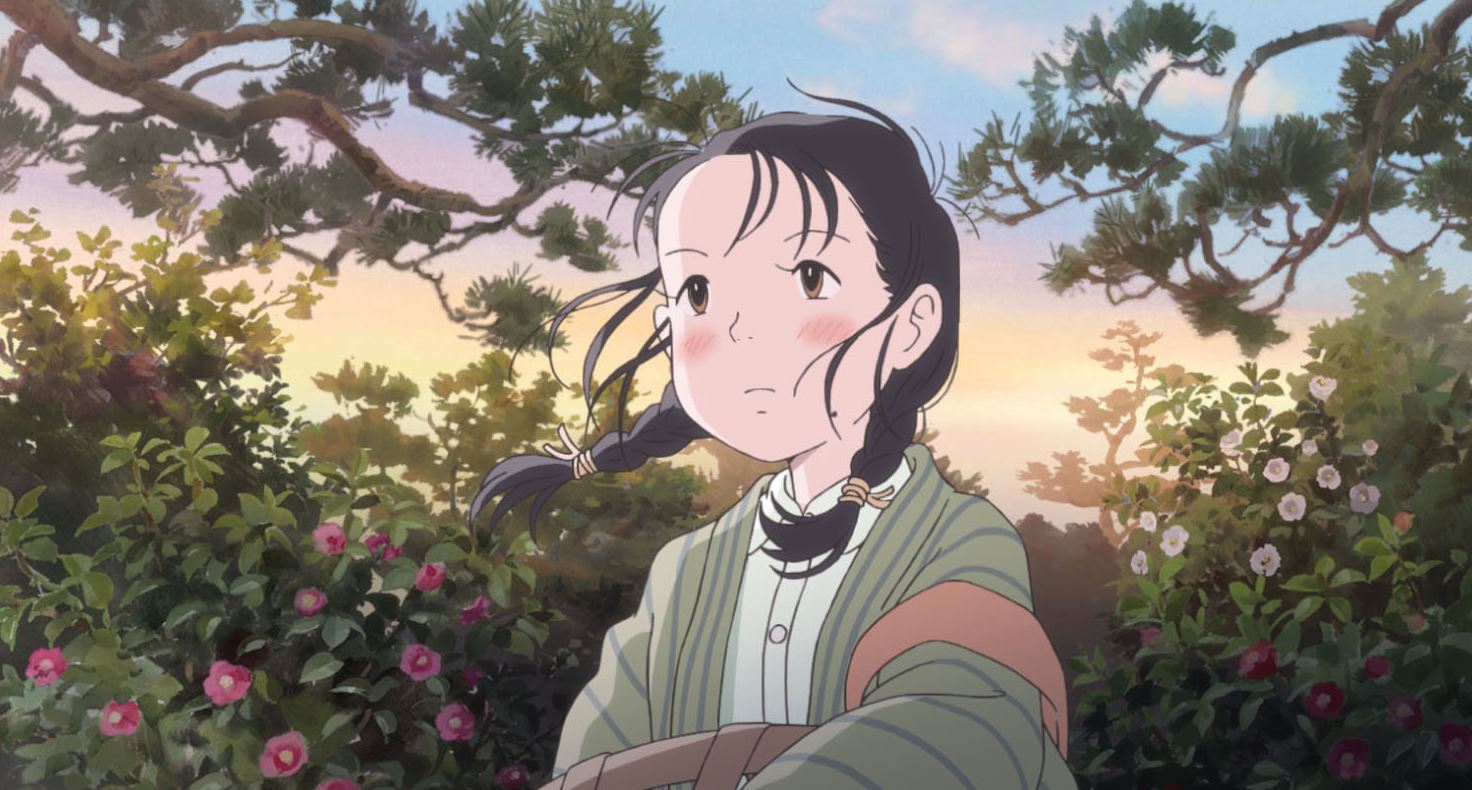
He also suggests that this is an important matter when it comes to preserving the future sustainability of anime. Given that veterans in their 50s and 60s make up the core of the current workforce, their eventual retirements will be followed by a further rise in freelancers, thus the need to provide such workers with the same improvements and sense of security enjoyed by salaried employees.
When asked about the potential of AI in relieving the burden carried by anime staff, Katabuchi said it would be ideal if AI could somehow contribute, but expressed the fear that its use could create the false belief that sophisticated content can be produced with minimal effort, thus causing production budgets to plummet. “We must continue to create works that demonstrate the enduring value of hand-drawn animation,” he says.

Amber V
Articles: 1619Related Posts
I am in 100% support of this. Work is work whether that is Freelance, Part Time or Full Time, as it stands Animators or usually the most underpaid and overworked in the industry, but the benefits and compensation need to catch up to the current reality of where things are at right now due to the rise of Studios taking on too many licenses.
Health and Wellness need to be looked into to create sustainability for the future rather than stagnation of a workforce that suffers worse conditions than full time employees do. Besides AI is a Force Multiplier to help enable creativity by getting rid of the repetitive workflows that take days or months to do into hours so workers can focus more on that end. It’s not meant to replace human creativity.
Well said and I completely agree. Japan’s such a power house for international entertainment and that no doubt brings in a ludicrous amount of money for the industries there, with the notoriously aging workforce of Japan the workers need a safety net now more than ever. Their hard work is so appreciated.
It’s good to hear an actual good and improvement news from anime industry, not just doom and gloom like most media are spreading about. If this is about new protection for freelancers, it means that fulltime artists have already been fully covered by their respective companies, which are 2 steps forward. I hope improved work conditions in the industry leads to better quality output of the anime itself and improved skill from their workers
All developers deserve better working conditions + pay and benefits, the creative industry but especially the Japanese creative sector whether that be anime or the game industry need to do better.
If an industry wide governing body/Union were created that overseas workers rights and industry practices, they could have a quality assurance mark placed on all works which align themselves to this endeavor.
If this was successfully implemented it could allow us general public to purchase/support works which guarantees workers rights and those that do not feature the quality seal, we could potentially boycott.