

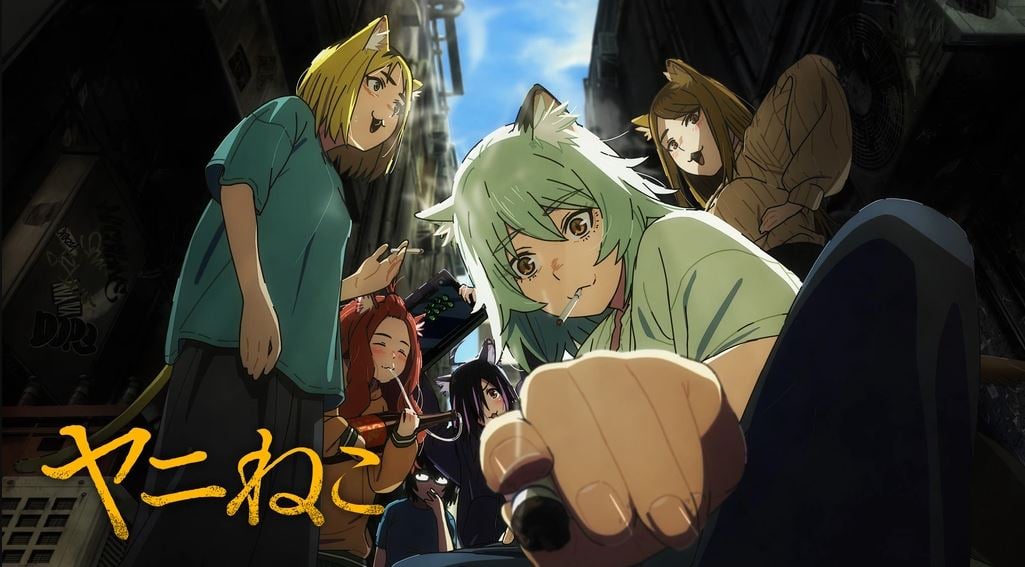
Japan’s BPO (Broadcasting Ethics & Program Improvement Organization) recently deliberated on a certain late-night comedy anime “depicting the coexistence of humans and beastfolk” after depictions of smoking and presumed drug use drew complaints from viewers. Based on the description – which explicitly mentions a female cat-eared protagonist who smokes heavily – the anime in question is widely presumed to be Bibury Animation Studio’s Chainsmoker Cat (Yani Neko), which has been drawing attention for its somewhat shocking content ever since it started airing on national television and Netflix in early July.
The BPO is an independent third-party organization that acts like a watchdog for Japanese broadcasters, handling public complaints and inspecting ethical compliance and the quality of TV programs, radio, and the like. On July 28, the organization’s youth committee held a meeting during which it addressed complaints surrounding Chainsmoker Cat’s content – primarily depictions of smoking and the “self-injection of drug-like substances.”
According to the published summary of the meeting, viewers questioned whether it was problematic for a TV show to include repeated depictions of such scenes. While the committee’s opinions were somewhat divided, the overall consensus appeared to be in favor of respecting the show’s freedom of expression. The committee member in charge noted that by scheduling the anime in a late-night slot, when children are unlikely to be watching, the producers demonstrated ample consideration.
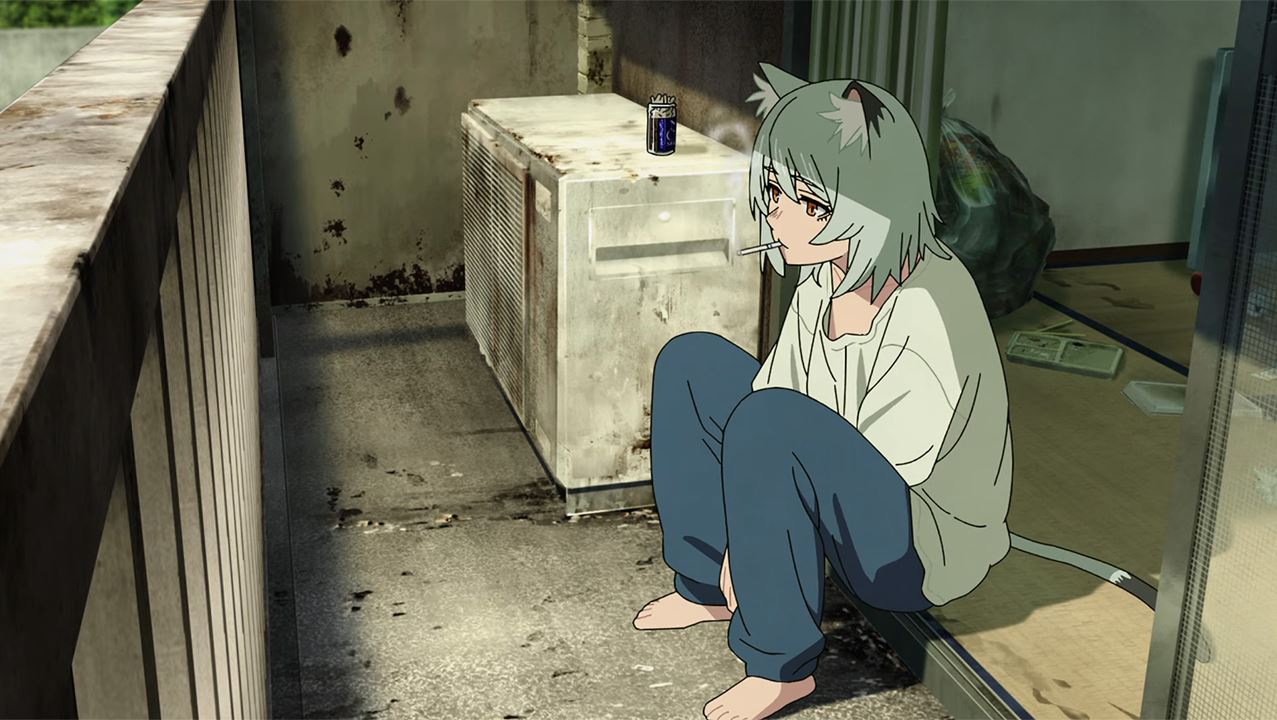
Additionally, they commented that, “Since [the anime] does not explicitly state that illegal drugs are being used, I believe it falls within the acceptable range in terms of freedom of expression.” Another argument cited that, being an animated work, Chainsmoker Cat could not be expected to have the kind of impact on young people that live-action shows can. Its content was deemed to fall within the range of creative expression.
On the other hand, it was also argued that a scene involving a self-administered injection “can hardly be interpreted as anything besides stimulant use,” and that “at a time when illegal drug use is a major social issue, it is better to avoid broadcasting ambiguous content.”
Ultimately, however, it doesn’t look like the anime will be subject to further scrutiny, as the committee decided not to proceed with the next deliberation phase on the topic.


I feel like that committee seems to think that animated works are meant to be strictly for children and teens, and doesn’t even try and regard the fact that a lot of adults watch anime too.