Astrae Oratio mixes the thrill of fighting games and gal games in a Heisei era-inspired “retro but modern” urban fantasy. We talk to the director
AUTOMATON interview with Astrae Oratio director Jong-gyu Lim.
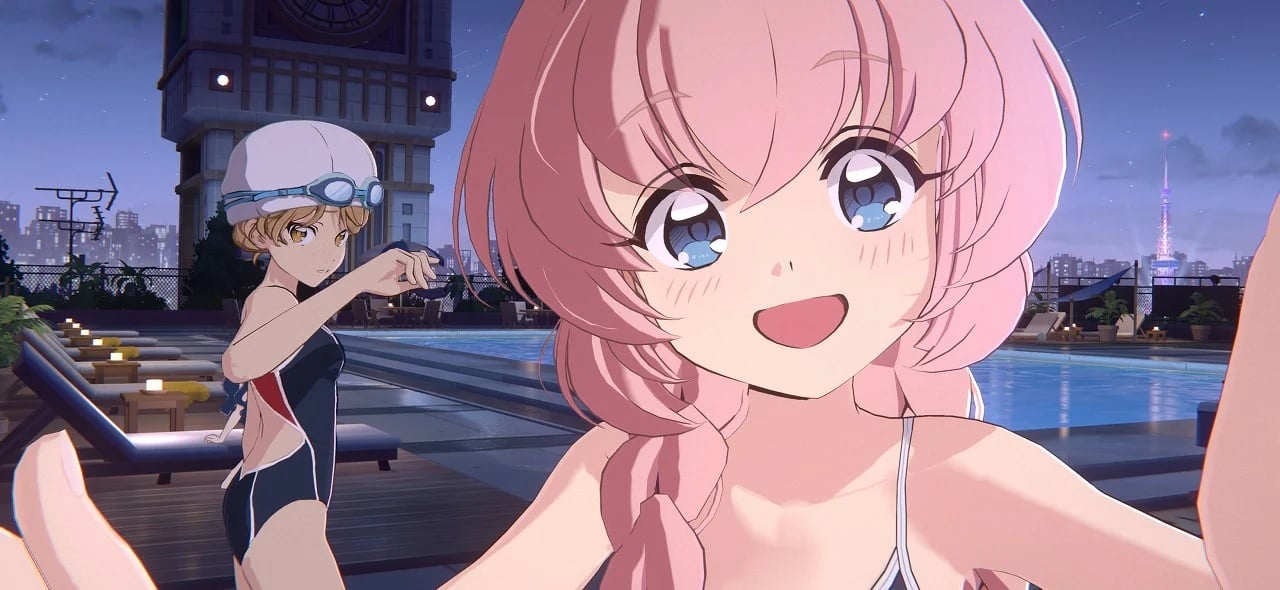
With its Heisei-retro visual style, “magic x administration” concept, and a story set in a fictional Tokyo, Dynamis One’s upcoming RPG Astrae Oratio has recently been gaining a lot of attention among gamers. Currently in development for mobile platforms, the game is scheduled to kick off its Closed Beta Test starting October 2.
At this year’s Tokyo Game Show, AUTOMATON had the opportunity to interview Astrae Oratio director Jong-gyu Lim about the game’s nostalgic design, underlying themes and gameplay elements which many fans have been curious about since the official announcement.
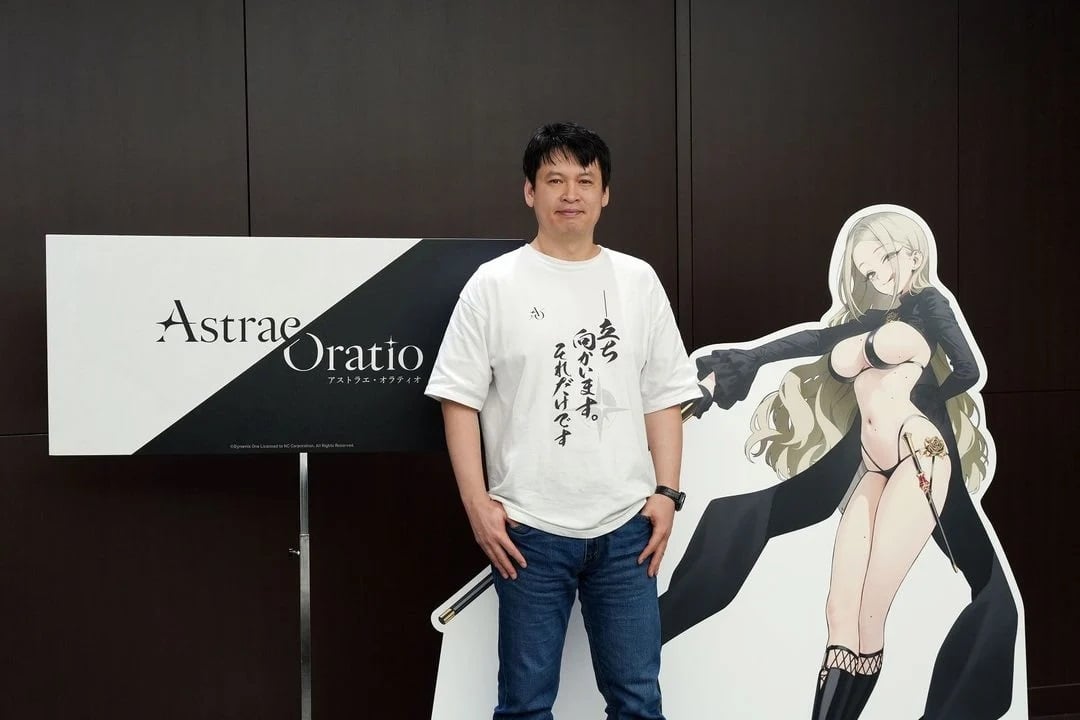
–Could you please introduce yourself?
Jong-gyu Lim (hereafter, Lim):
My name is Jong-gyu Lim, and I am the director of Astrae Oratio at Dynamis One. I oversee the overall game design and development workflow. I see my role in development as taking the world envisioned through the story and art, shaping it into an actual “playable game” and expanding it into a live service. Thank you for having me today.
–To cut to the chase, could you tell us what your favorite games are?
Lim:
I love all kinds of games regardless of genre, and I play a wide variety of titles on a regular basis. However, if I had to name my favorites, those would be JRPGs and action games. In terms of JRPGs, I like the Dragon Quest and The Legend of Heroes: Trails series. As for action games, I like the Devil May Cry and Monster Hunter series.
–Capcom’s booth (at Tokyo Game Show) is right next to the Astrae Oratio booth. Did you have the time to check it out?
Lim:
I really want to go, but I’m unfortunately so busy that I still haven’t had the chance to check it out.
–In one of our previous interviews, you mentioned that Astrae Oratio aims to portray a “shindenki” theme. “Shindenki” (urban fantasy) is a genre deeply familiar to Japanese audiences, but are there any differences or unique elements when comparing Astrae Oratio with the “shindenki” depicted in Japanese works.
Lim:
There is actually a specific reason and a clear objective behind why our scenario director decided to choose “shindenki” as the keyword.
However, I’ll refrain from going into the specifics for the time being since it would be a bit difficult to explain this without showing you a certain portion of the story, and that would be a spoiler. One thing I can say for sure is that we want to deliver a brand-new “shindenki,” fitting for the modern era.
–Astrae Oratio features Heisei-retro inspired visuals and worldbuilding. How did you balance the qualities of the retro style with modern sensibilities?
Lim:
Our main focus was on reinterpreting the fun we experienced playing games back in the day into a form that players nowadays could also naturally enjoy. For example, when it came to combat, we tried analyzing the elements that make fighting games like Street Fighter II or Tekken so entertaining. Then, we attempted to incorporate that excitement of trying to read your opponent’s moves, making counter-decisions, and the tension of playing offense and defense in a way that matched Astrae Oratio.
Additionally, when it comes to “free time content,” we wanted to implement the fun of agonizing over questions like “who should I spend time with” and “what kind of relationship should I pursue” in 90s romance simulators. But instead of simply copying the gameplay and presentation of that era, we’ve focused on balancing the experience so that modern players can enjoy it casually, and naturally identify with the relationships they’ve built with the girls. We want those familiar with the era to feel a sense of nostalgia, and we want newcomers to the game to enjoy it as a fresh experience. That’s the kind of direction we’re aiming for.
–I’m in my 30s right now, and I think that people in their 30s will find Astrae Oratio quite engaging. On the other hand, I’m curious to see if the visual appeal also lands the same with people in their 20s and teens, as well as young adults in South Korea.
Lim:
To us, Astrae Oratio is also the manifestation of our desire to “pass on something we consider great to the next generation.” Needless to say, in the past, stories were a text-based medium that was meant to be “read.” However, as times have changed, the main focus is now on “listening,” or in other words, enjoying a story through audio. That’s why we’ve decided to make the game fully voice acted and actively utilize 3D graphics. To further express the appeal of retro visuals, we’ve also incorporated hand-drawn-style effects in certain parts of the game.
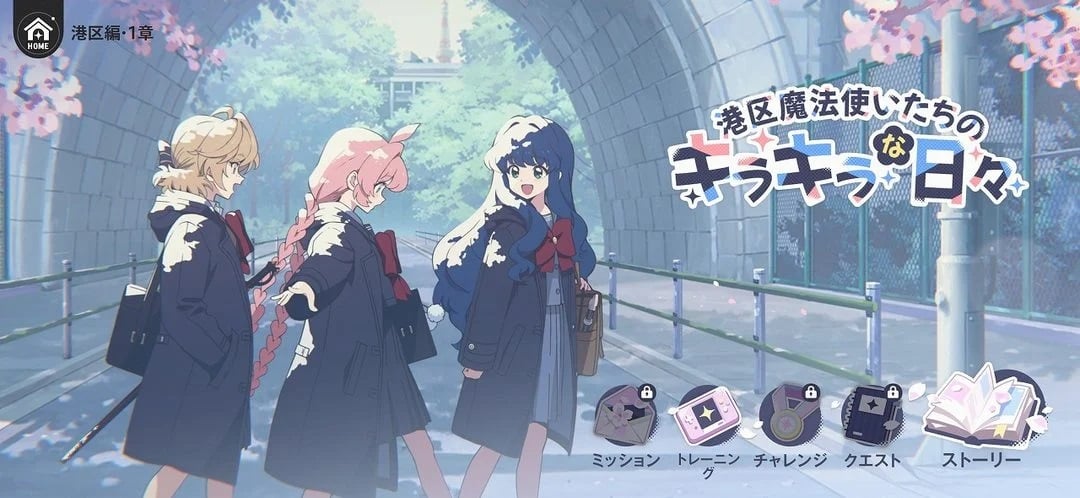
–Most of the promotional posters for Astrae Oratio feature nighttime scenes. Will the game have any daytime scenes?
Lim:
Of course, we’ve prepared them too. The reason why most of the visuals we’ve released so far lean heavily into nighttime scenes is because, first and foremost, we wanted to convey the mysterious atmosphere of the city. But actually, the players will spend a significant amount of in-game time during the day. They’ll be working at the Special District Office, meeting magicians, and after dealing with the day’s incidents, they’ll be able to walk around town and interact with various characters during “free time.”
– Does the game follow a cycle between day and night? Or is there separate progression happening during day segments and night segments?
Lim:
Day and night are expressed through passage of time throughout the day, as well as the concepts of the respective content they’re assigned to. For content belonging to the “mundane world,” we convey the atmosphere of daytime, while for content belonging to the “hidden world” we create an atmosphere of night and magic.
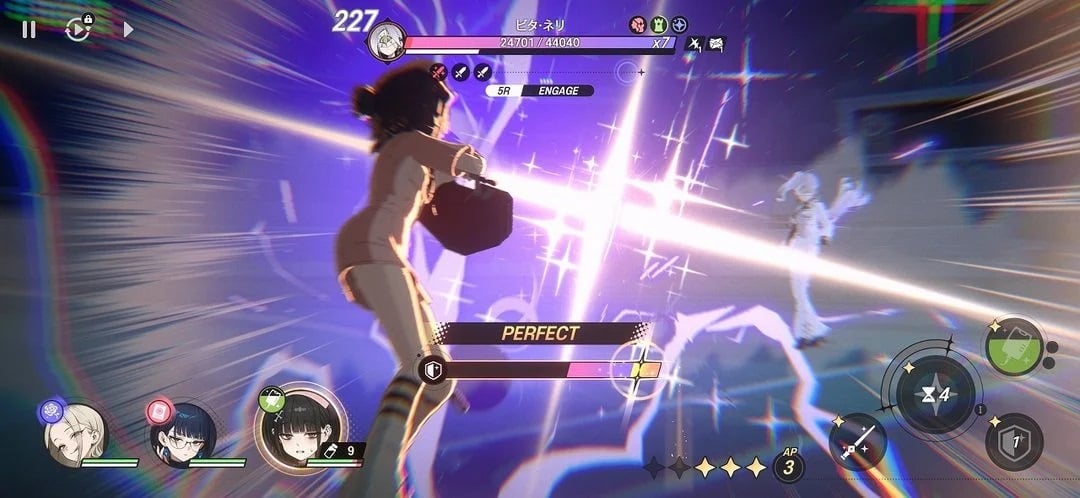
–How do you incorporate the themes of “magic” and “administration” into the game?
Lim:
Astrae Oratio’s starting point was the idea of “how to combine the element of magic with the excitement of a character-based game’s competitive action.” While simultaneously developing the visuals drawn by our art director and the lore written by our scenario writer, we created a world unique to “Asora,” in which “administration” and “duel trials” give meaning to the battles between magicians.
When it comes to magic, I think we’ve succeeded in expressing it through combat. As for administration, we plan to introduce it how it works a bit later, through long-term simulation-style content.
– Will players be able to experience the “administration” elements in the CBT?
Lim:
We do plan to put some of the administration elements in the CBT. But like I’ve just said, “administration” is imagined as content meant to be enjoyed over the long term. Since the CBT period won’t be that long, I hope you’ll look forward to fully experiencing it once the game is officially out. Of course, you’ll still be able to get a sense of administration elements through the art and story.
– Astrae Oratio is a turn-based RPG, which means it has many rivals. What did you do to set the game apart from other titles in the genre? Was there anything you particularly focused on when creating the game’s presentation and controls?
Lim:
Astrae Oratio is based on fighting games. So, what makes it stand out among other games is the fact that players won’t just have to admire the game’s ready-made “cool visuals” – they can actually “create their own sense of cool” through combat. At any given point in the game, players will be able to switch their characters, and by chaining together combos, they will be able to piece together their own “cool.” I believe that’s what makes the game unique.
– Being a mobile game, Astrae Oratio’s visuals are optimized to look good on smartphones, but will players be able to enjoy it comfortably on foldable smartphones too?
Lim:
Well, just look at my phone (pulls out a foldable smartphone). I made the game so that I can enjoy it even on my own smartphone. This is where I used my authority as director (laughs).
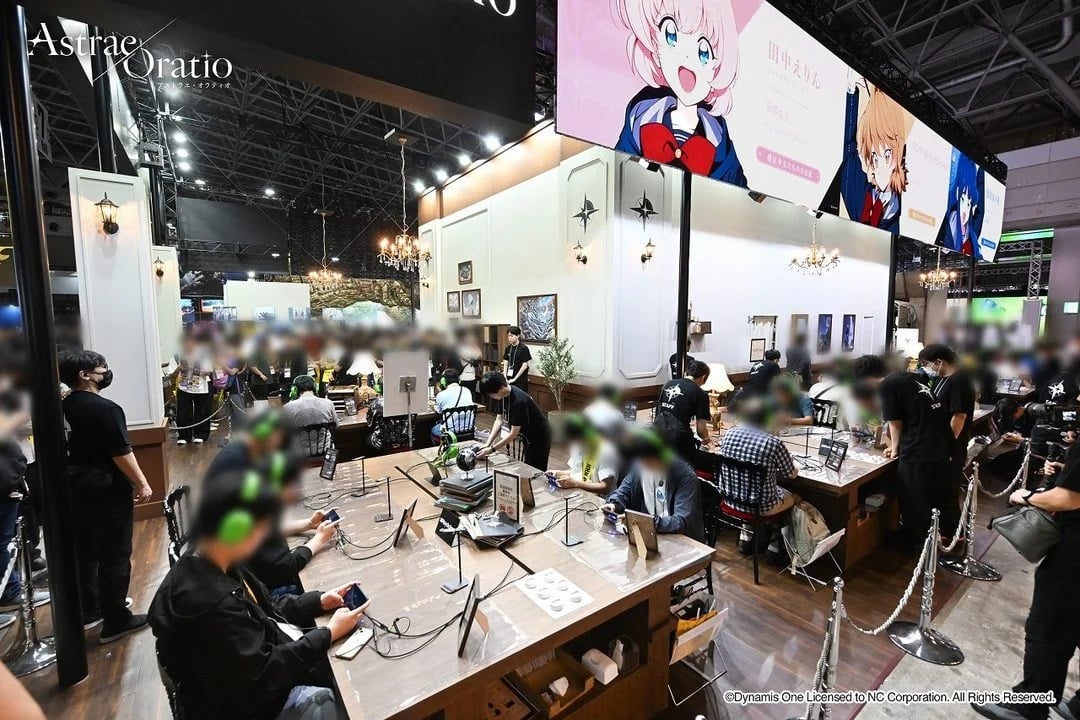
–You’ve just exhibited at the Tokyo Game Show 2026, but do you have plans to continue participating in offline events and sharing news for Japanese fans going forward?
Lim:
Astrae Oratio is set in Tokyo, so I’m truly happy that we’ve been able to unveil the game for the first time at Tokyo Game Show, held in Tokyo. While we don’t have anything specific scheduled for now, we plan to actively host offline events and live streams in Japan and Tokyo going forward.
–Lastly, could you share a message the fans looking forward to play the game?
Lim:
Astrae Oratio has only taken its first step so far. We have so many stories we want to show our fans, and there are many more characters we want to introduce. We hope you will look forward to the game, and we’re waiting for you at the CBT, which is just around the corner.
– Thank you very much!
Related:
Takayuki Sawahata
Articles: 15Related Posts