Use of Japanese anime and manga for AI training is a “serious issue that undermines creators’ rights,” CODA warns tech companies
CODA issues a new statement addressing recent copyright-related issues concerning AI models trained on Japanese content.
The Content Overseas Distribution Association (CODA), a major trade and anti-piracy organization in Japan that protects IPs from international copyright infringement and illegal distribution, issued a statement on May 27, addressing the issue of AI copyright infringement.
As reported by ITMedia, CODA stated that it “has identified significant problems concerning the current-day AI services that should not be ignored,” calling on AI developers and service providers to take measures to protect IP rights.
The group argues that current AI services’ activities may constitute infringement of copyrights by producing imagery and video that is “identical or strikingly similar” to existing Japanese content, even when no specific copyrighted work is mentioned in the prompt. “The essence of the problem,” according to CODA, “lies in the fact that hugely influential generative AI companies are widely providing its services to the general public.”
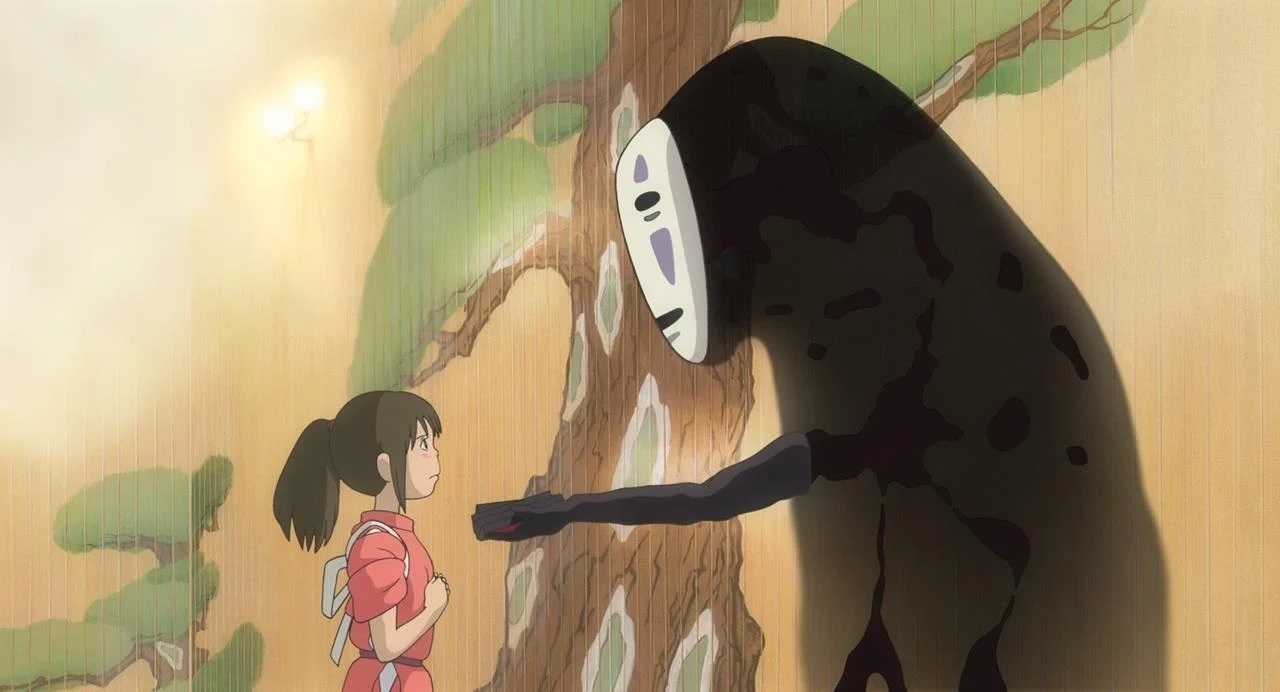
To address this, CODA made three core demands for AI developers and service providers: proactive investigation to prevent outputs that are identical or strikingly similar to copyrighted works, a cessation of using CODA members’ (Studio Ghibli, Kodansha, Shueisha, etc) content for training without permission if investigations or rights-holder complaints reveal that similar outputs are occurring, and a sincere commitment to consulting with rights holders.
When it comes to the issue of AI training specifically, CODA acknowledges that Japanese copyright law (specifically, Article 30-4) provides some leeway for conducting it for “non-enjoyment purposes.” However, the group argues that, while the act of copying materials during the training process may have some aspects unrelated to enjoying the original work, it still falls under “use for enjoyment purposes,” thus constituting copyright infringement.
Furthermore, the organization noted that cases where there are unintended similarities to existing copyrighted works are “recognized as a risk associated with the use of generative AI and are consequently becoming a factor that discourages its use,” emphasizing that generative AI is a technology “that should be used to respect and support human creativity”.
“The unauthorized use of existing copyrighted works to generate footage that closely resembles them is a serious issue that undermines the rights of creators and the very foundation of creativity,” CODA writes.
Related:
Japan’s major cosmetics brand faces backlash for AI-generated ad following Sailor Moon comparisons

Mohamed Hassan
Articles: 32Related Posts