
The Super Mario Galaxy Movie’s reception is a result of Nintendo fully prioritizing audiences over critics and accolades, Japanese film studies professor says
While The Super Mario Galaxy Movie received harsh reviews from critics, the film has been far more successful among regular audiences.

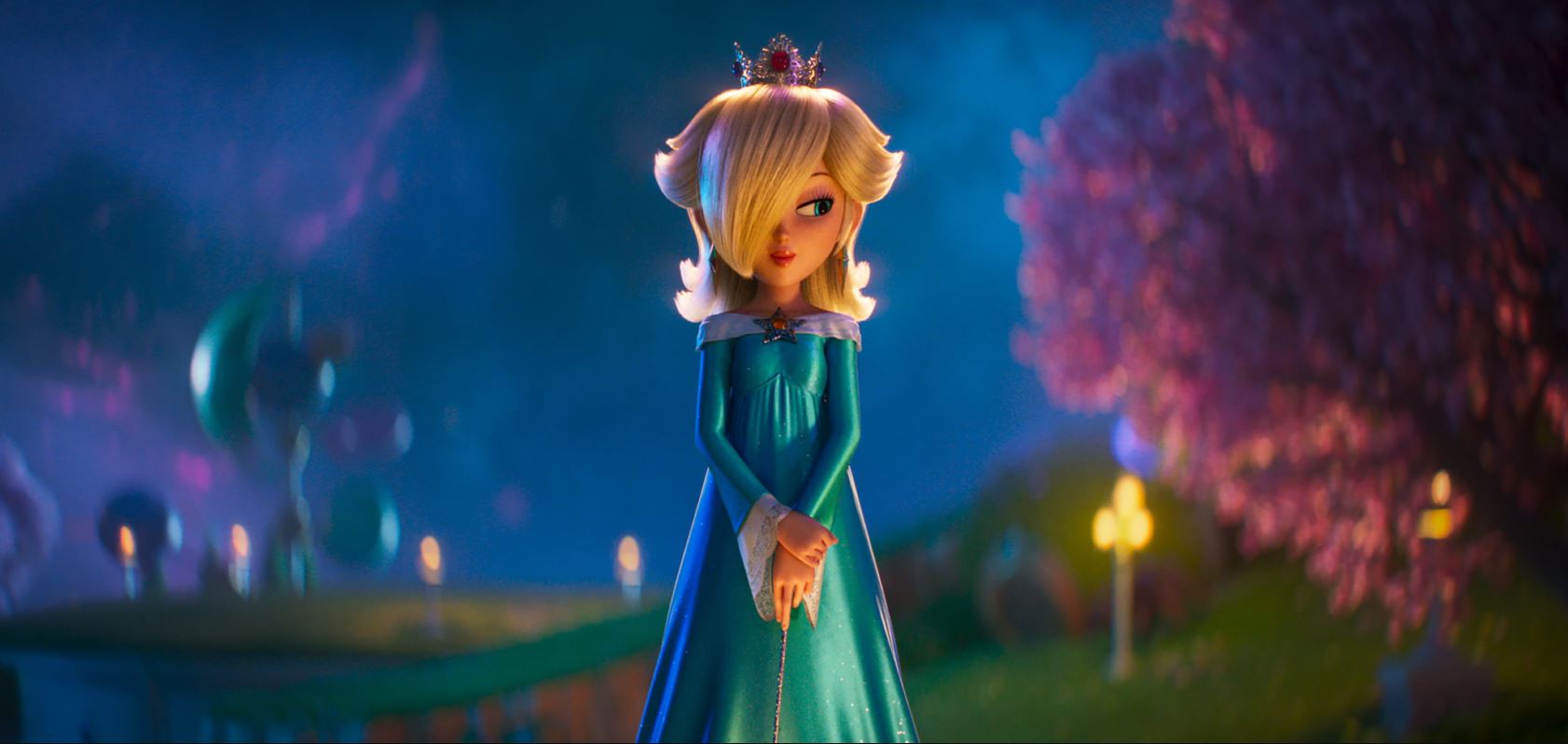
With a Rotten Tomatoes critic score of 42% and an audience score of 88%, The Super Mario Galaxy Movie shows a noticeable divide between film critics and the general public. The film has also become the highest-grossing title of 2026, making it an undeniable success for Nintendo. In an interview with The Sankei News, Kumamoto University Film Studies associate professor Hiroaki Ito states that, in addition to differences in evaluation criteria, the disparity in reception may result from the very nature of the film’s production, and is likely a deliberate strategy by Nintendo.
According to Ito, both The Super Mario Bros. Movie and its sequel give the impression of being “crafted with meticulous care to avoid damaging the image of Mario,” resulting in a narrative that feels “safe” or innocuous. While going for riskier storytelling and character development arcs might have made the movies appeal more to critics who value artistic expression, Nintendo would have risked alienating fans by doing so, he argues.
Ito cites the 1993 Super Mario Bros. live-action film as an example (albeit a rather extreme one), as the movie was heavily criticized for straying too far from the source material.
During the production of the film, Nintendo famously gave the producers nearly full creative liberty, but Ito thinks the company has since “learned from this failure,” coming to prioritize audience satisfaction above all else.
Instead of trying something artistic and potentially putting the Mario IP at risk, Nintendo appears to have focused solely on appeasing fans. From the colorful and whimsical tone to the various Easter eggs and guest character appearances, the two animated movies are cute enough to appeal to children and newcomers while remaining true to the games so that adults who played them feel represented.
“Rather than focusing on film award accolades, Nintendo’s primary objective seems to be enhancing brand value as part of an intellectual property (IP) strategy and rekindling interest in its core business of games and merchandise,” Ito says.

Carlos "Zoto" Zotomayor
Articles: 1318Related Posts
I feel this is accurate and the audience is Right screw the Rotten Tomatoes they’ve given 100% to movies that could not and didn’t even come close to deserving it and they’ve bombed some movies that were awesome like the whole DC franchise they are biased and bought off and I don’t trust their opinion!
Yeah, that’s a pretty fair take.
Critics gatekeeping what gets “allowed” to be seen as good has always seemed extremely arbitrary and CEO-brained to me. Things can be good in different ways, and one way shouldn’t be considered universally better than the other.
But the movie was actually really bad. The attempted bowser reconciliation back to “Oh yeah, kill them all” after barely any time.
Rosalina was meant to be a big part. But of course she gets captured and barely does anything outside of change peaches backstory. This film was mostly just about getting names like ROB, pikmin and fox back into people’s minds (they have stated they aren’t aiming for smash, so why bother, could have had any pilot from the mario series) next film daisy will be captured and they will have to fight bowser to save her. Just like the first 2
I feel like thats the point. Its not supposed to be. A cohesive storyline, just like the mario games arent really sequels as they are adventures
The critics were right this time, the whole movie was slop to appeal to gen alpha. The story went no where, they created lore that never previously existed and all they did was use it to setup up other game movies. If you enjoyed this you have no taste and no braincells and you just wanted to watch pretty colours and mario. Would have preferred an actual story to a movie for tism
Great! Now if only Nintendo could prioritize it’s consumers when it comes to ownership of games and the way it runs its game systems.
The fact you used both “slop” and “tism” tells me that not much would ever appeal to you in the first place. Not sure I want anything that appeals to you anyway.
It’s just as well, critics and the academy awards are meaningless now. They both have become checklists that must be met, not honest critiques of art. The fools in Hollywood no longer care about the artwork, they care about “correcting” society through it. Here’s the rub though, they can’t. You can change the reflection of something by altering the mirror, all you get is a warped image no one wants to look at.
what’s that professor smoking, because Galaxy Movie a mess, it doesn’t even satisfy the basic tenant of storytelling, it’s just, References with a Nintendo spice, except for anyone that wants an actual Galaxy movie, heck, it should’ve been called Peach’s Galaxy or the Princess Peach Movie because of how background Mario n co are, even the ideas they present aren’t satisfying, it’s just nothing
Bowser’s Redemption, nothing, if it was meant to be Bowser playing the Bros, they did it wrong and it seemed like a genuine redemption arc
Peach and Rosalina, for sisters, they didn’t really didn’t show it too much, even the first movie setup Mario n Luigi better than this, this is just, “we’re sisters, for reasons”, if anything, Daisy would’ve suited that sister role better since Movie Peach is so similar to Daisy, their practically gonna be twins
and yes, even the final battle was unsatisfying, why, Mario literally fighting Bowser because “my son’s dream” despite Bowser also being oppose to it, it was literally Peach’s Fight that she handed over to Mario to feel important instead of doing it for himself, and I mean like in the first movie, where Mario came back to fight to show the doubters wrong, even Luigi got a moment blocking Bowser’s fire with a Sewer Circle, Galaxy’s fight had no meaning other than having one, showing off Dry Bowser, a Smash Bros. character, and the Odyssey Dragon
and even then, the Sonic movies exist, and they set the Gold Standard for Video Game Movies, they may not make as much Minecraft, FNAF, or Mario, but certainly has a better quality to ’em than them that’ll last a life time and still make even
so no, that professor is wrong, and it’s literally just Nintendo being control freaks over their stuff, which is both good and bad
Critics and accolades don’t pay the bills, the audience does. Always prioritize the people that pay money for your product over the ones that expect it for free just so they can give their opinion on it.
When it’s all said and done, this movie is going to be behind the first movie in box office grosses by around 25 percent. No one stays critic proof forever.
But they did alienate fans by making a movie that’s nothing like Mario. Stop giving excuses for their incompetence.
If they didn’t want to alienate the fans, they failed. The Galaxy games had enough potential to make a story on par with Puss in Boots 2, but the movie was more concerned with having hype moments and aura. I’m sure that not caring about the quality of the movies might end up costing Illumination and Nintendo hundreds of millions of dollars, since the Galaxy movie is tracking to make much less money than the first one did, and I imagine the sequels and spinoffs will do even worse since the brand has been damaged. Yes, the movies will still be massively profitable, but Inside Out 2 and Zootopia 2 both made over $1.6 billion, and the Mario movies could have reached those heights had they not arbitrarily held themselves back. Maybe it was a bad idea to get the creators of Teen Titans Go to direct these movies