After Final Fantasy VII Revelation’s reveal, the trilogy has been “selling extremely well.” Director Naoki Hamaguchi on player feedback, the blessing of a heated fandom, and physical games
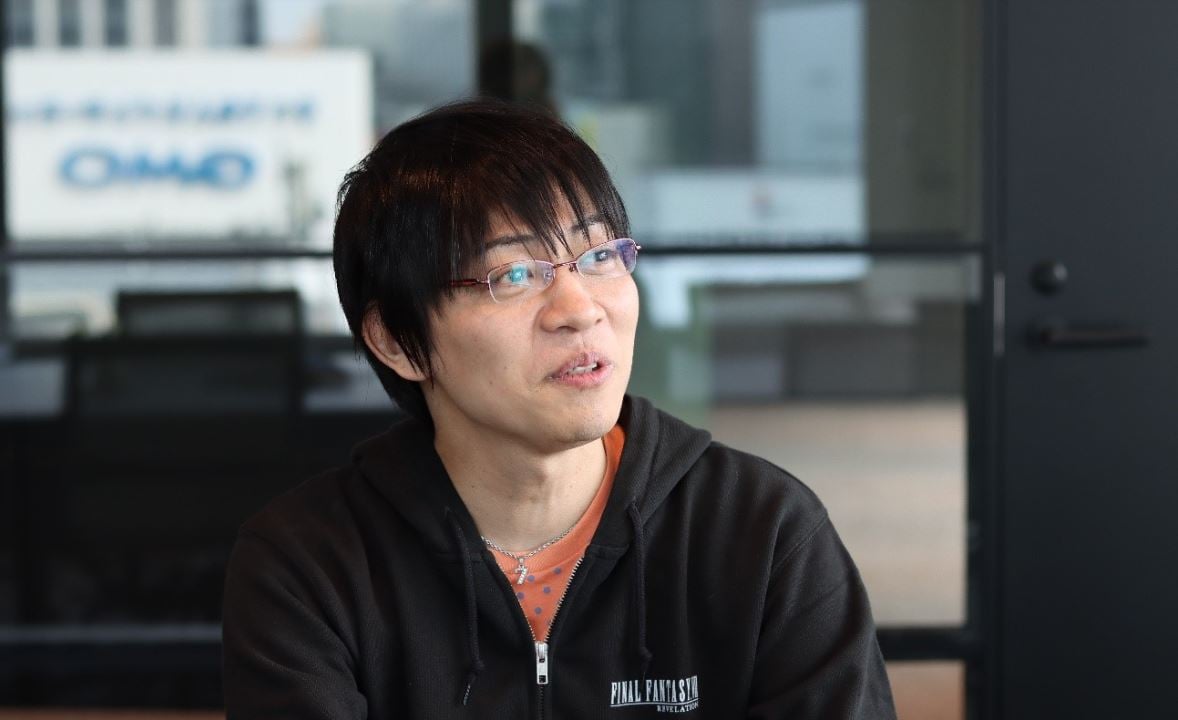
Interview with Naoki Hamaguchi, director of the Final Fantasy VII Remake trilogy.

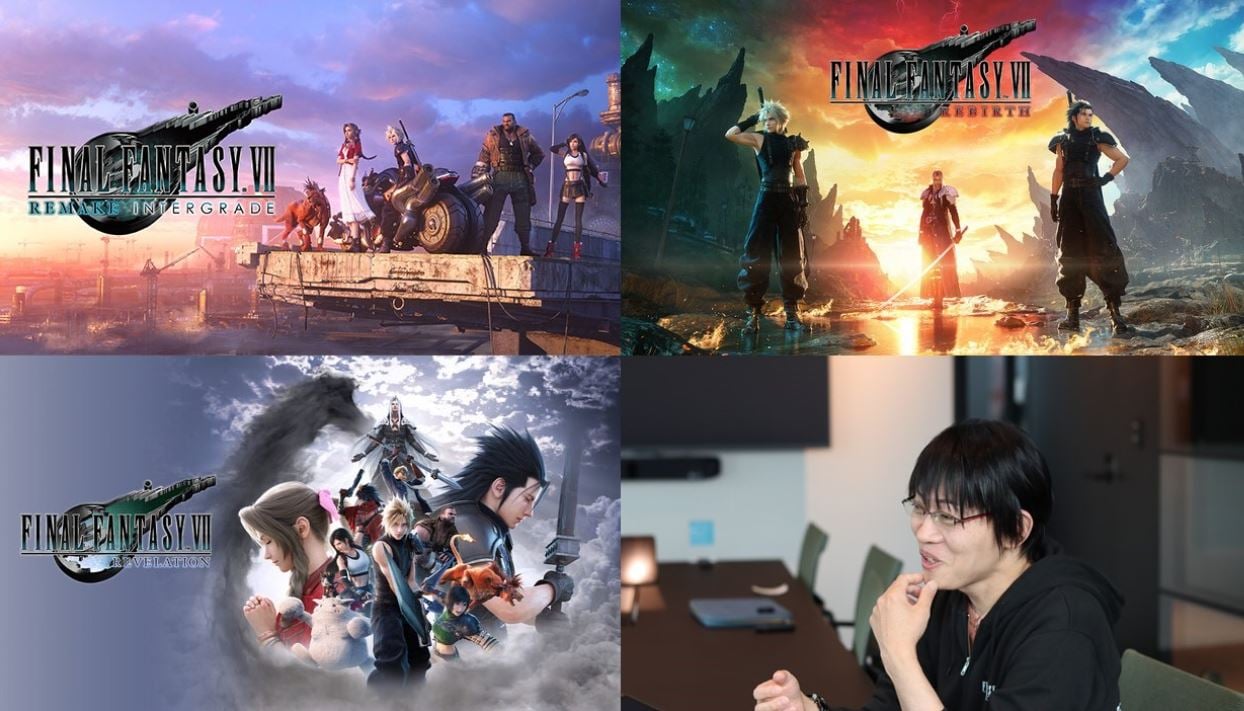
Square Enix’s Final Fantasy VII Revelation, which concludes the Final Fantasy VII remake trilogy, is set to launch in the Spring of 2027 for PC (Steam/Epic Games Store/XBOX on PC), Nintendo Switch 2, PS5, and XBOX Series X|S.
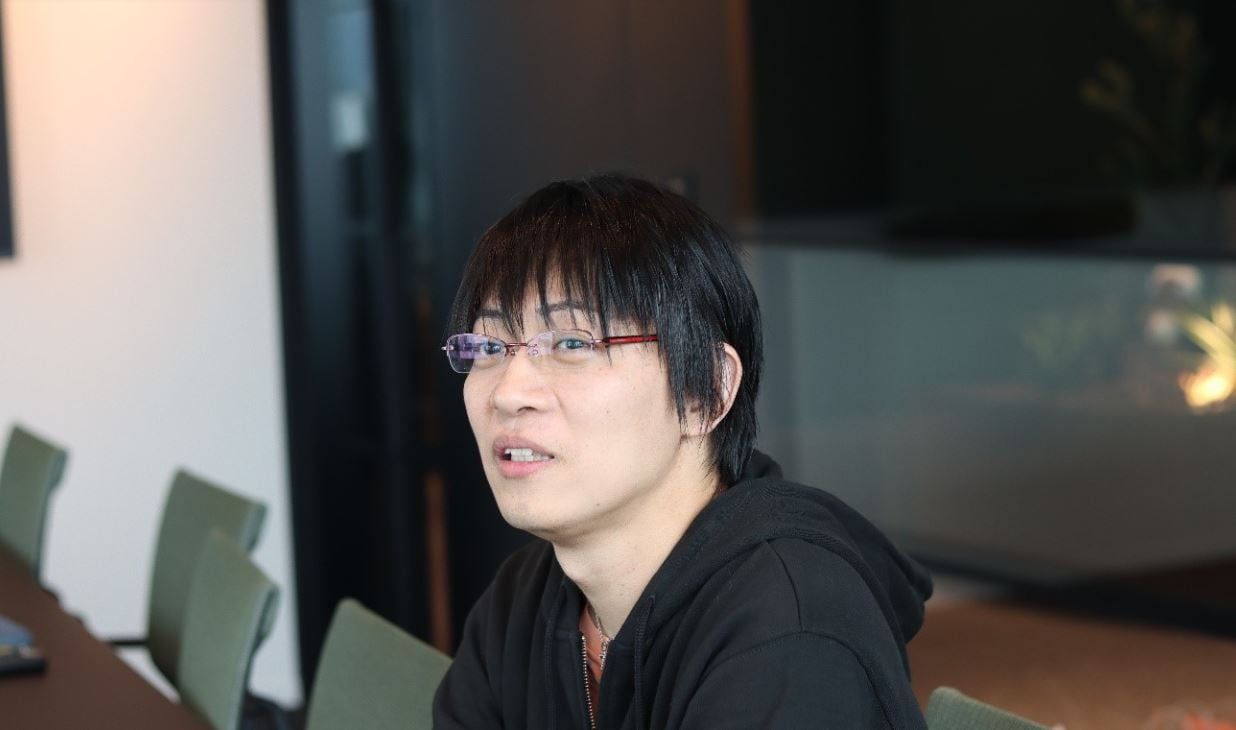
It’s been a little under two months since the initial announcement, so AUTOMATON sat down with Naoki Hamaguchi – director of FFVII Revelation and the entire remake series – to talk to him about the response to Revelation’s reveal and how his team is approaching player feedback. We also got to hear about how previous entries in the trilogy have been performing commercially since the new announcement, as well as Hamaguchi’s feelings on physical games.
Fans noticed everything we hoped they would
—First of all, congratulations on announcing FFVII Revelation in the finale of Summer Game Fest 2026. How has the response been so far?
Naoki Hamaguchi (hereafter Hamaguchi):
Thank you. The response has been extremely positive. After the event, I probably did interviews with more than 30 media outlets across North America and Europe, as well as interviews with Chinese media. I think I spent about a week doing interviews nonstop.
Even with the previous game, I don’t think we received this much attention or this many requests for interviews, so it really made me feel that a huge number of people are paying attention to this last chapter of the trilogy. I’m incredibly grateful.
—Was there any particular fan reaction to the FFVII Revelation announcement that surprised you or left an impression on you?
Hamaguchi:
What pleased me the most was that the exact things we were aiming to convey came across to fans very directly. While the characters are obviously important, our goal with Revelation’s reveal was to create a trailer that would draw attention to the gameplay experience.
Whether it’s flying freely around the world aboard the Highwind, battling the Weapons, or the FITS system and the way it adds depth to combat – I felt like people really noticed those aspects of the game. There was also a lot of focus on how much player agency the gameplay offers, so I felt that our message landed.
At the same time, people also talked about the characters’ costumes and animations, so I think our trailer managed to accomplish everything we were going for. I was a little surprised, though happy, with the amount of attention Vincent’s crossed belts received.
—I think the trailer certainly showcased those elements very clearly.
Hamaguchi:
From the very first announcement, we wanted to clearly communicate the features and key characteristics that define the appeal of FFVII Revelation. In that sense, I feel we’ve managed to get off to a very strong start this time.
The heated fandom discourse tells us that people care about what we’re making
—Has there been any player feedback that made you think, “Maybe we should incorporate this”? Obviously, a project of this scale won’t change based on one person’s opinion, but I’m curious.
Hamaguchi:
After this announcement specifically, there wasn’t much that made me think, “We’ve got to add this.” However, I’ve always closely monitored players’ responses throughout the FFVII remake series, and based on feedback from those who’ve played FFVII Rebirth, we’re making changes in this new game, such as making minigames skippable and adjusting rewards.
When I spoke about these improvements in interviews, I was happy to see comments from players saying things like, “I personally don’t care for the minigames, but if that’s your reasoning, I’m willing to accept it.” It reminded me that if you truly listen to player feedback and try to strike the right balance based on it, people really recognize that.
When it comes to gameplay and game design, especially playability, I believe we absolutely have to keep listening to players and minimize points of frustration wherever we can.
The core story and message we want to tell through this remake are something we, as the creators, will remain firm on. But when it comes to gameplay, we’ll always be closely attuned to player feedback and keep looking for ways to make improvements and eliminate sources of frustration.
—The series tends to generate a tremendous amount of discussion, whether it’s about the number of minigames, the story, or even character shipping. How do you feel about that?
Hamaguchi:
I’m grateful for it. Games are a medium, a community, and a culture. While a culture has certain unchanging aspects, I believe it only truly shapes into a culture when people discuss it from many different perspectives. If everyone looked at something in exactly the same way, I think it might not leave a lasting impression and could fade into obscurity over time. The very fact that the community is so active, that conversations happen, and debates keep erupting, is a kind of entertainment in and of itself.
When people discuss and get heated about the minigames, the story, or the relationships between characters in FFVII, I think that only happens because they see value in those elements. I’m proud that this series has enough depth and capacity to inspire those kinds of discussions.
Previous entries are selling “several times better than expected”
—Since the announcement of FFVII Revelation, we’ve been seeing FFVII Remake and Rebirth appear in sales rankings across platforms like Steam. How are they performing?
Hamaguchi:
They are doing extremely well. Even before Summer Game Fest 2026, both FFVI Remake and Rebirth had been selling steadily. Back when Rebirth was announced, every time it became a hot topic, sales of Remake would rise. Similarly, I’m sure every time Revelation attracts attention, more people will become interested in Rebirth.
Following Summer Game Fest 2026, we saw an enormous response in terms of sales. I can’t share specific figures, but sales are several times better than we had expected.
I think fans and dedicated fan communities are very interested in how many copies the games have sold, but I can say they’re performing even better than most people probably imagine. That means more and more people are playing the previous entries, which gives me great confidence as we prepare to release FFVII Revelation to the world.
I know there are requests for us to disclose the numbers, but that’s something that falls under our investor relations policies, so I hope people understand.
—Are there any particular regions where the FFVII remake series has especially strong momentum?
Hamaguchi:
For starters, rather than a specific region, the numbers clearly show that PC gaming culture has become much stronger. Naturally, the English-speaking market remains very strong on PC, but the Simplified Chinese PC market has also grown to a comparable level, and we’re seeing that reflected in sales of both FFVII Remake and FFVII Rebirth.
—How do sales affect the development process?
Hamaguchi:
As creators, our biggest motivation comes from seeing so many people play what we’ve built and watching our content become a global topic of conversation.
—So generating buzz is also important for you.
Hamaguchi:
That’s right. Of course, if all the attention were negative, that would be a problem, but I think the fact that there are so many comments in general helps motivate everyone. After announcing FFVII Revelation, we received an incredible amount of feedback from players.
Throughout the FFVII remake series, both I personally and the team have felt tremendous support and encouragement from our fans. Especially when considering we’ve been developing the project over a whole decade, we really feel like we’ve been supported the entire time.
—I see, the voices of players are what keeps you going.
Hamaguchi:
Yes, it truly is. While a typical AAA game tends to take three or four years to make, we’ve spent more than ten years creating three games – FFVII Remake, FFVII Rebirth, and FFVII Revelation. From a personal standpoint, dedicating more than a decade of your creative career to a single project is a major life decision.
—Ten years… that’s a huge portion of a creator’s career.
Hamaguchi:
That’s why gaining a sense of fulfillment from the work we do is the most important factor. Knowing that people around the world are excited about what we’ve created is the greatest motivation we could ask for.
Of course, Final Fantasy VII is an incredibly powerful IP itself, but more than anything, I feel it was the players’ support that gave us a sense of purpose. Thanks to that, over 90% of the staff who worked on FFVII Remake stayed with us all the way through to FFVII Revelation. That actually surprised a lot of people overseas, which was an unexpected reaction for us.
—I read the Bloomberg piece about that. Despite being an AAA project, each installment was developed relatively quickly because more than 90% of the staff carried over from the previous game.
Hamaguchi:
That’s right. People were really surprised by that, so it generated quite a response.
—It did. I saw many people agree with the idea of keeping the same team together, instead of disbanding between projects, as a factor in shortening development time.
Hamaguchi:
I think the fact that so many people are working on this project with a firm commitment to seeing it through to the very end is certainly due in part to the strength of the FFVII IP, but also because we were able to create this project surrounded by fans who have tremendously high expectations for it.
Of course, those expectations are built upon the results of what we’ve delivered so far. If FFVII Remake and FFVII Rebirth hadn’t lived up to players’ expectations, then FFVII Revelation probably wouldn’t be generating this level of anticipation either.
Because we’ve been able to meet players’ expectations, they’ve continued to look forward to what’s next. In turn, the development team is motivated to live up to those new expectations, creating a positive synergy has kept everyone’s motivation high. It really feels like we’ve created a virtuous cycle.
—I certainly hope FFVII Revelation lives up to its expectations as well! Finally, I’d like to ask something a little different. With Sony Interactive Entertainment’s recent announcement regarding disc-less console gaming, there’s a possibility that physical game releases could eventually disappear. What’s your personal opinion on that, and can you tell us whether FFVII Revelation will receive a physical edition?
Hamaguchi:
Personally, I’m in favor of physical editions. Nothing makes me happier than those moments at community events when fans bring their games for me to sign. I’d be a little sad if the culture of keeping games physically and sharing those memories gradually faded away.
That said, looking at the industry as a whole, I do think digital sales will continue to grow, driven by changes in convenience and distribution. Rather than physical editions disappearing altogether, I think the format itself might change, whether that’s Nintendo’s Game-Key Card system or boxes that simply include a download code. Traditional releases where everything is contained entirely on the physical disc or cartridge may gradually become less common.
As for FFVII Revelation, I’m aware that, following SIE’s announcement, some fans have become concerned that the game might end up being a digital-only release.
While this is all I’m able to share at this time, given the current stage of FFVII Revelation’s development, a complete change in direction would be difficult for us, therefore, we are actively exploring the possibility of releasing a physical retail version.
That said, every platform has its own regulations, whether that’s support for Game-Key Cards or media capacity limitations. Right now, we’re discussing internally how to best preserve the game’s quality while also meeting fans’ expectations.
Personally, I’d like to continue working toward making a physical edition happen.
—I’d love to buy a physical copy of FFVII Revelation myself, so I’m rooting for that outcome!
Final Fantasy VII Revelation is set to launch in the Spring of 2027 for PC (Steam/Epic Games Store/XBOX on PC), Nintendo Switch 2, PS5, and XBOX Series X|S.
© SQUARE ENIX

AUTOMATON WEST
Articles: 208Related Posts