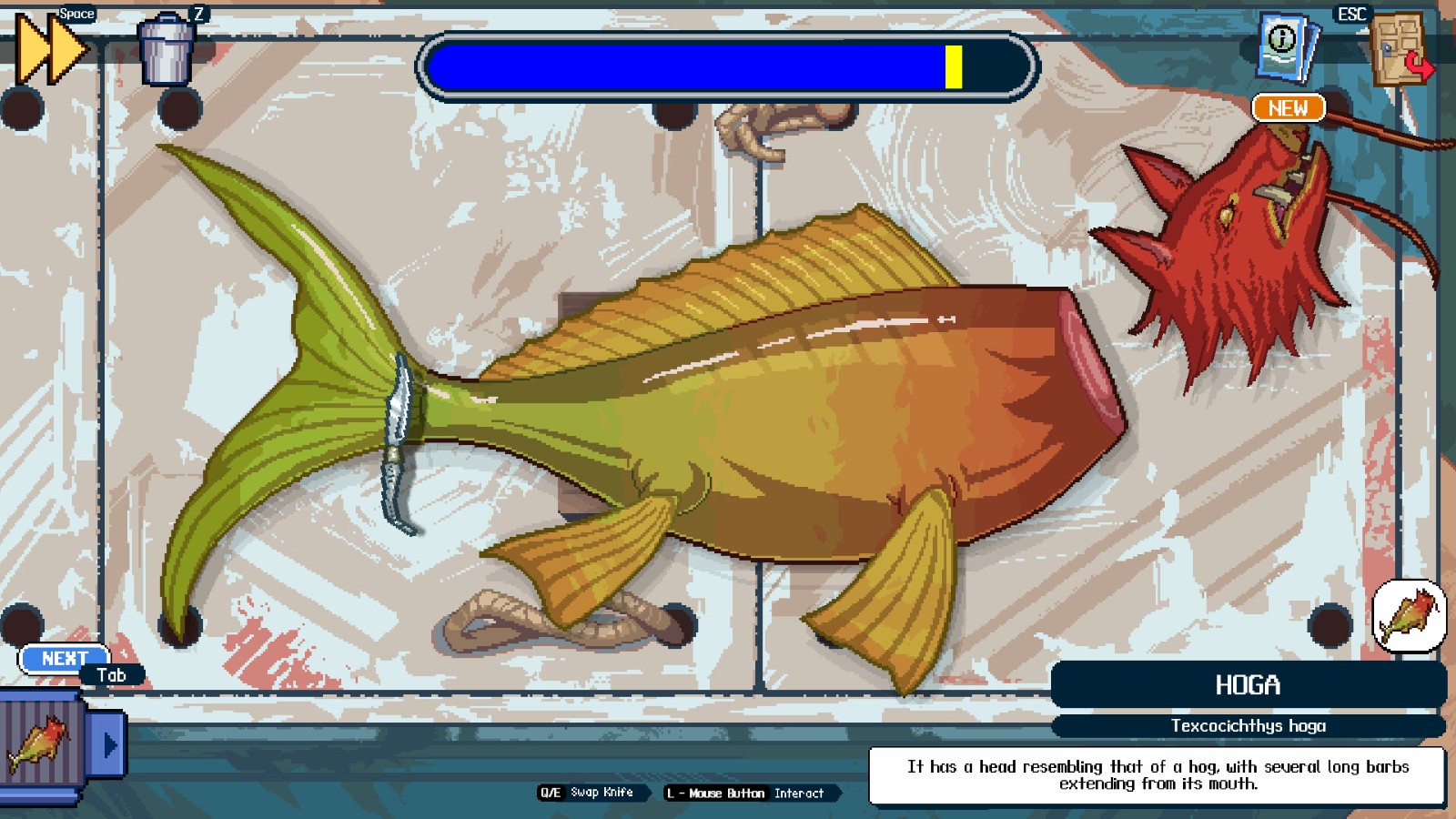
Released May 28, Scale the Depths by developer Glass Gecko Games came to Steam after first being shown off as a game jam project on Itch.io. As a casual fishing game with an addictive concept, Scale the Depths quickly garnered virality, but it also fell victim to rip-offs, which somehow ended up contributing to the game’s visibility, according to the developers.
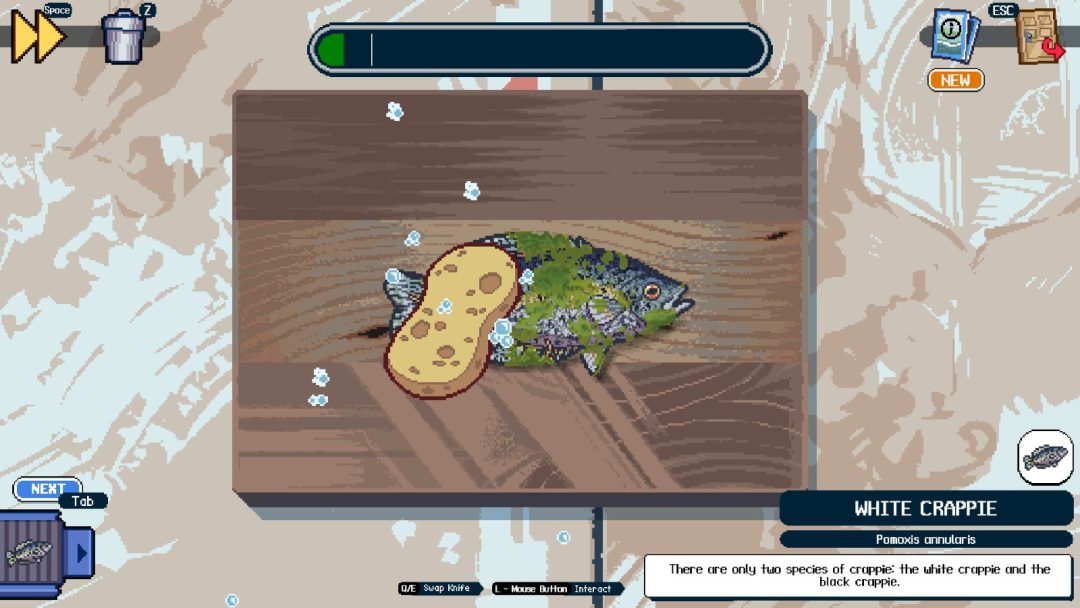
Scale the Depths is a simple game in which the player must make a living as a fisherman. By making a profit, players can upgrade their rod, lure, and bucket to tackle even deeper quarry. You also get to prepare your catch and serve it to hungry, non-human customers, contributing to a simple yet addictive loop, much to the enjoyment of players.
Amid glowing reviews, however, Glass Gecko Games’ lead artist and developer, recently Serpexnessie took to Reddit to explain how the title’s success could, in part, be attributed to the AI bootlegs that preyed on it.
Serpexnessie explained that Glass Gecko Games was formed from a friend group in their university days. Scale the Depths was their second title and was showcased at the GMTK Game Jam 2024, where the itch.io version of the game would go on to not only be among the top 100 games in the competition, but also the most popular fishing game on the platform at the time. The game’s success soon drew the attention of YouTubers, who released videos that totaled several million views, with many fellow content creators following suit and contributing to the game’s snowballing popularity. By the end of February 2025, Scale the Depths was racking up over 15,000 Wishlists on Steam.
On the other hand, the game’s surge in popularity also marked the beginning of numerous copycat games being released on digital storefronts. As early as March 2025, a straight mobile rip off of the game was discovered, published by a Chinese company unrelated to Glass Gecko Games. The bootleg versions of Scale the Depths not only lifted code and assets as-is, but were also brazen enough to add microtransactions and ads not present in the original game. Glass Gecko Games would rightfully file for the game to be taken down, only for the bootleg devs to alter their assets with AI filters and change minute details to evade, ultimately elluding the claim, to the frustration of Serpexnessie and their team. In the end, the game could only be taken down from the Google Play store, but not the App Store.
Clones of similar caliber began cropping up all over the shop, eventually overwhelming and preventing the developers from taking down everything. Serpexnessie commented that, in retrospect, the game was relatively easy to rip and edit, which was proving to be the root problem. Even before the Steam release, the dev team noticed that fans were editing and uploading unofficial versions of the game for other platforms , as well as Chinese fan translations. The saving grace was that, because the copycats were out to make quick bucks by plastering ads everywhere, none of them were rated favorably.
Poor quality bootlegs turned out to be a net positive
Glass Gecko Games would eventually turn its head to more attainable goals, as the studio took to refining Scale the Depths, instead of pursuing plagiarism claims. The developers would sign on with their publisher, Pretty Soon, who provided support in the previously strained marketing and localization of the game. Around the same time, the game’s demo received an update in the form of a facelift to its visuals, as well as freshening up the gameplay by adding more types of obstacles to the scaling part of the game. These refinements served the team well, as Steam was conveniently also having a fishing genre-related sale, which saw yet another spike in Wishlists. Serpexnessie added that content creators who previously covered the game jam version were coming back for a revisit.
While Serpexnessie credits the remainder of the game’s growth to the publisher’s marketing efforts and word-of-mouth from influencers, their post also remarked how a significant number of people discovered the game through exposure to knockoffs. Players would try the AI slop bootlegs, dislike them, then seek out the original. This came in large part because many of the copycats were using the original Scale the Depths’ promotional footage and screenshots as ads, where their sloppy work paradoxically gave the original work exposure.
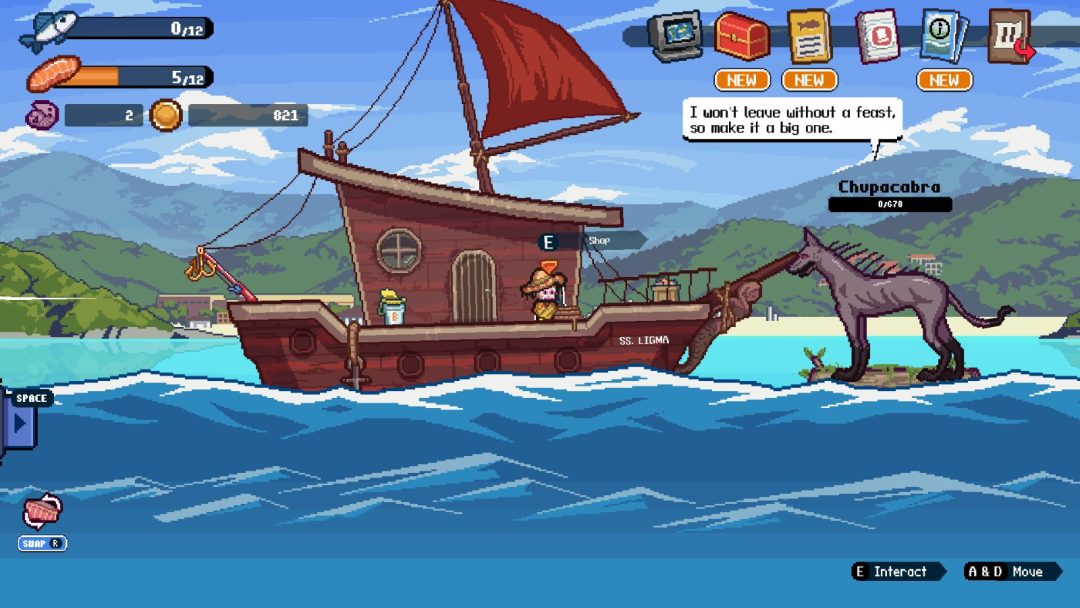
Serpexnessie concluded that when it comes to selling a game, the quality speaks louder than words. They added that while their team was grateful for the work the publishers and content creators had done along the way, they were ultimately a force amplifier in the equation, explaining how hastily made slop can be trumped by simply delivering a better product. Perhaps the developer’s conviction rings true, as Scale the Depths currently sits at a “Very Positive” rating on Steam, with 84% of the 433 user reviews recommending the title.
Scale the Depths is currently available for PC via Steam.