
Third-party investigation deems Shogakukan’s rehiring of convicted manga author as “complicity in a human rights violation.” Editor-in-charge draws criticism with new apology
Several months after the Shogakukan Manga One scandal, a 106-page investigation report on the case has been published by a third-party committee.

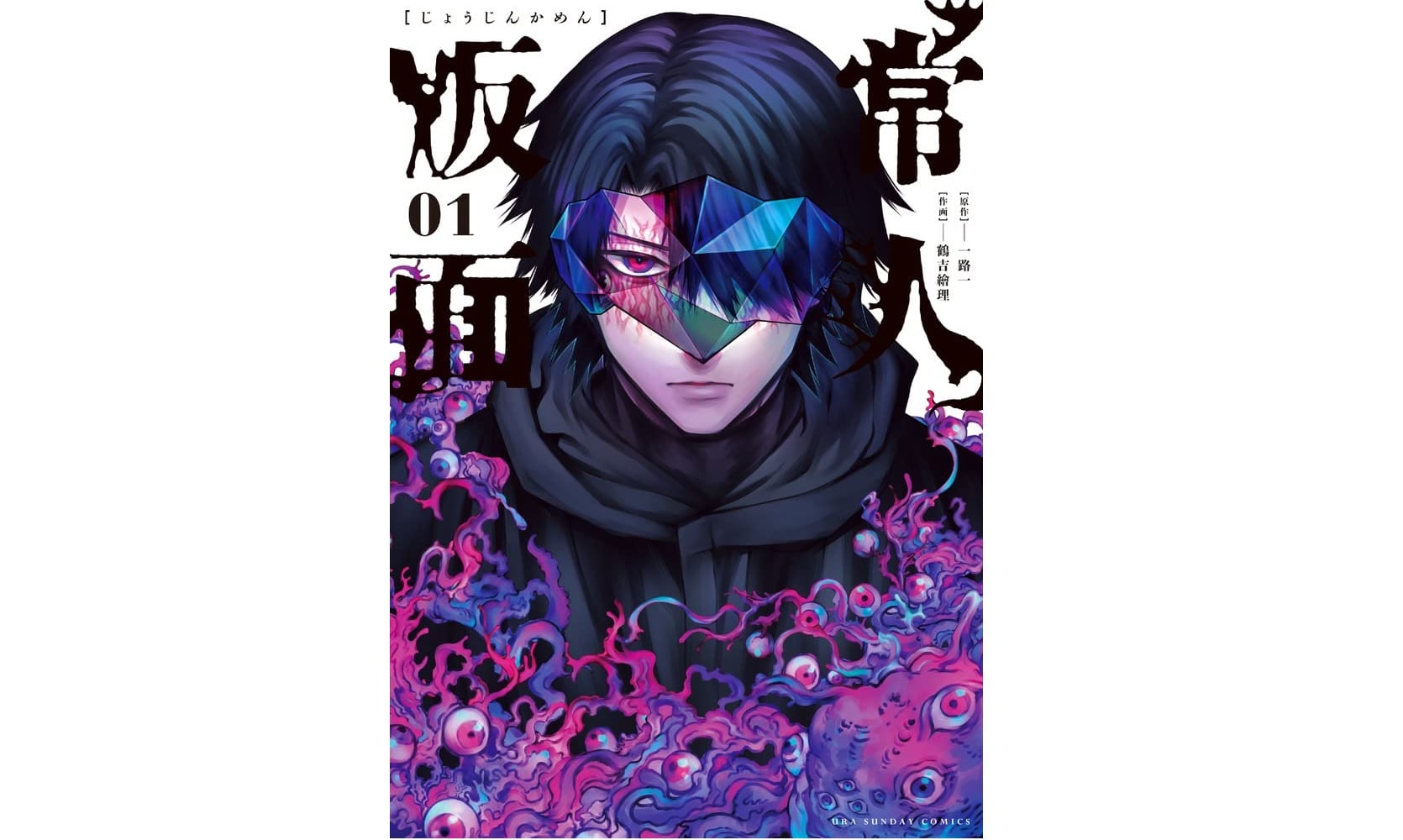
Earlier this year, major Japanese publisher Shogakukan was embroiled in controversy when it surfaced that its Manga One editorial department had secretly rehired a male author who had been fined for sexually assaulting a minor and allowed him to work under a new pseudonym. The author’s editor-in-charge had also been directly involved in settlement talks with the female victim and proposed a confidentiality agreement to her, further fueling public outrage. A few months later, the results of an investigation by a third-party committee into the case have been reported. In response, Shogakukan has announced changes it plans to make, and the editor-in-charge has issued a somewhat controversial apology.
According to the 106-pages-long investigation report, Shogakukan’s decision to allow Shoichi Yamamoto to continue commercial activities “can justifiably be regarded as complicity in a human rights violation.” The decision was made after the editorial department had learned that Yamamoto was fined for violating child prostitution and child pornography laws, and after the female victim had already explicitly protested against Manga One resuming the publication of Yamamoto’s previous manga (which ultimately got cancelled following a civil lawsuit filed by the victim).
Additionally, the report notes that Manga One’s decision to bring back Yamamoto as only an author (with his new manga’s artwork handled by another artist), “appears, when viewed objectively, to have been aimed at preventing readers, including the female victim, from identifying the individual based on their name or art style,” though the editor-in-charge has denied such intent.
The committee also found that the decision to rehire the creator was driven by the editorial division, without the knowledge of Shogakukan’s administrative departments. From the initial conceptualization through to the start of Yamamoto’s new series, management was never informed that he had been the original author, nor were there any consultations regarding whether it was appropriate to proceed with the series. The report also criticized Shogakukan’s corporate culture, saying that its emphasis on respecting editorial independence had created a tendency to leave problematic decisions solely to editors-in-chief. As a result, executives above the editor-in-chief level had not developed a culture of proactively involving themselves in such decisions.
In response to the report, Shogakukan has issued another apology and announced measures it plans to implement to prevent recurrence of such issues. This includes formulating a new internal Human Rights Policy and establishing a committee with external members to enforce it. Also of note, Shogakukan says that if a serious human rights violation against a victim occurs among its authors and continuing to maintain a work relationship is deemed ethically unacceptable, it will not continue to work with them.
Meanwhile, the editor-in-charge at the center of the Shoichi Yamamoto case, referred to as “Mr. G” in the investigation report, has come forward on X as Takuya Narita, posting an apology of his own. While Narita acknowledged that his actions led to secondary victimization, he has garnered much criticism for relying on the explanation that he had not been fully aware of the details and extent of what happened between Yamamoto and the victim, despite his heavy involvement in the case.

Amber V
Articles: 1619Related Posts

From what I have seen, the manga the guy created (Daten Sakusen) genuinely looks interesting. After the shit he did, he will never get a second chance, and he can blame himself for it)