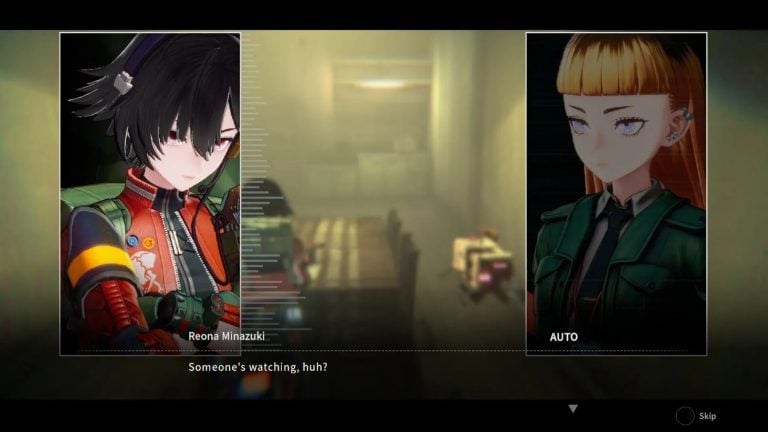
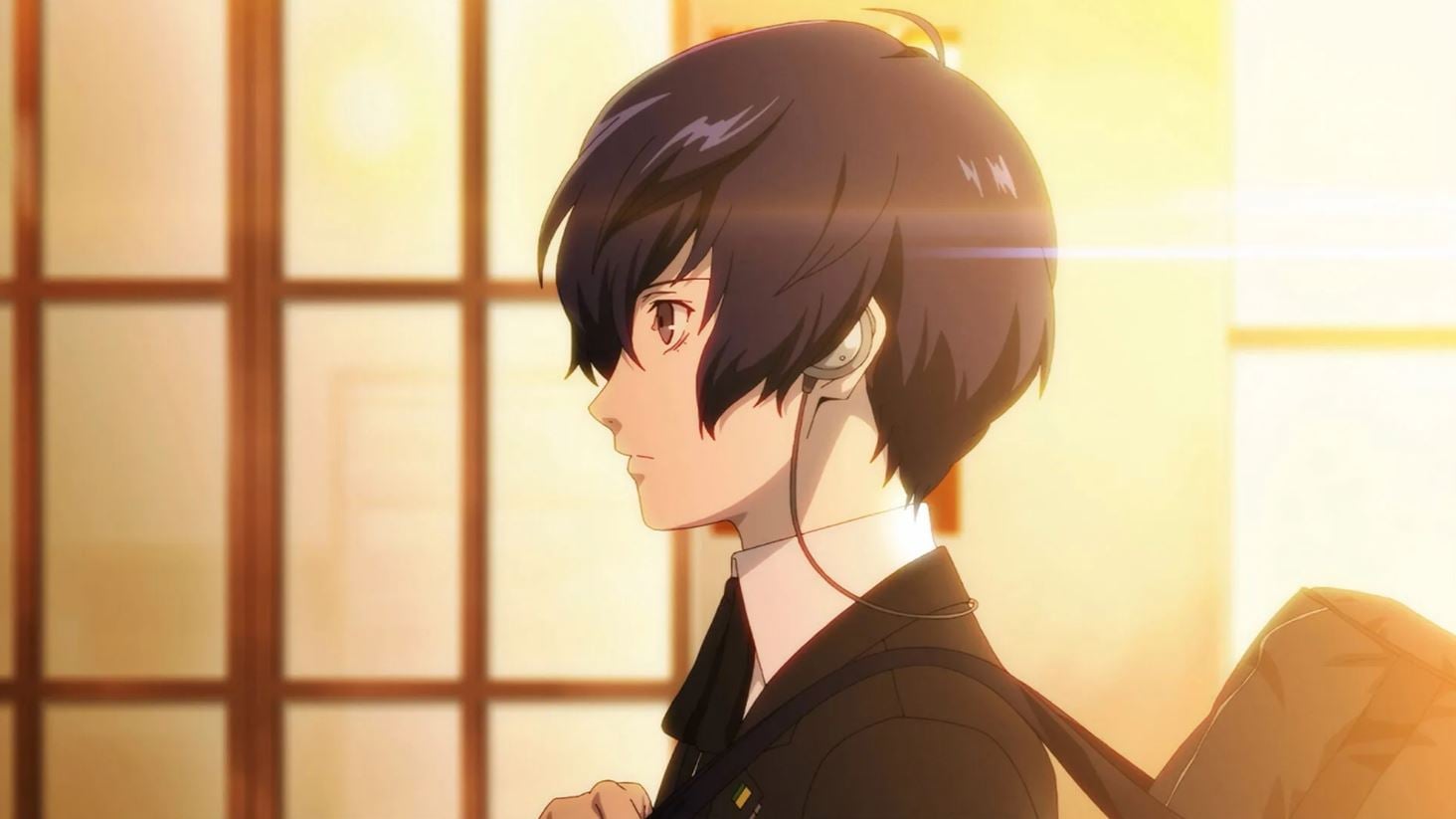
At a roundtable discussion held on September 22 at the game culture and arts festival The Tenth Mosaic, Persona 3, 4 and 5 director Katsura Hashino, character designer Shigenori Soejima, and composer Shoji Meguro discussed their work on the series and their ideas about what defines Persona’s identity.
As reported by 4Gamer, after reflecting on the core three titles of the series’ modern era which they spearheaded, the trio were asked what makes Persona games feel like “Persona.” Hashino prefaced his answer by admitting that he had never given it much thought before, but ultimately used the word “chaos” to describe the series’ core. The reason, he explained, was that when depicting adolescence, he deliberately avoids being too selective about which elements to include.
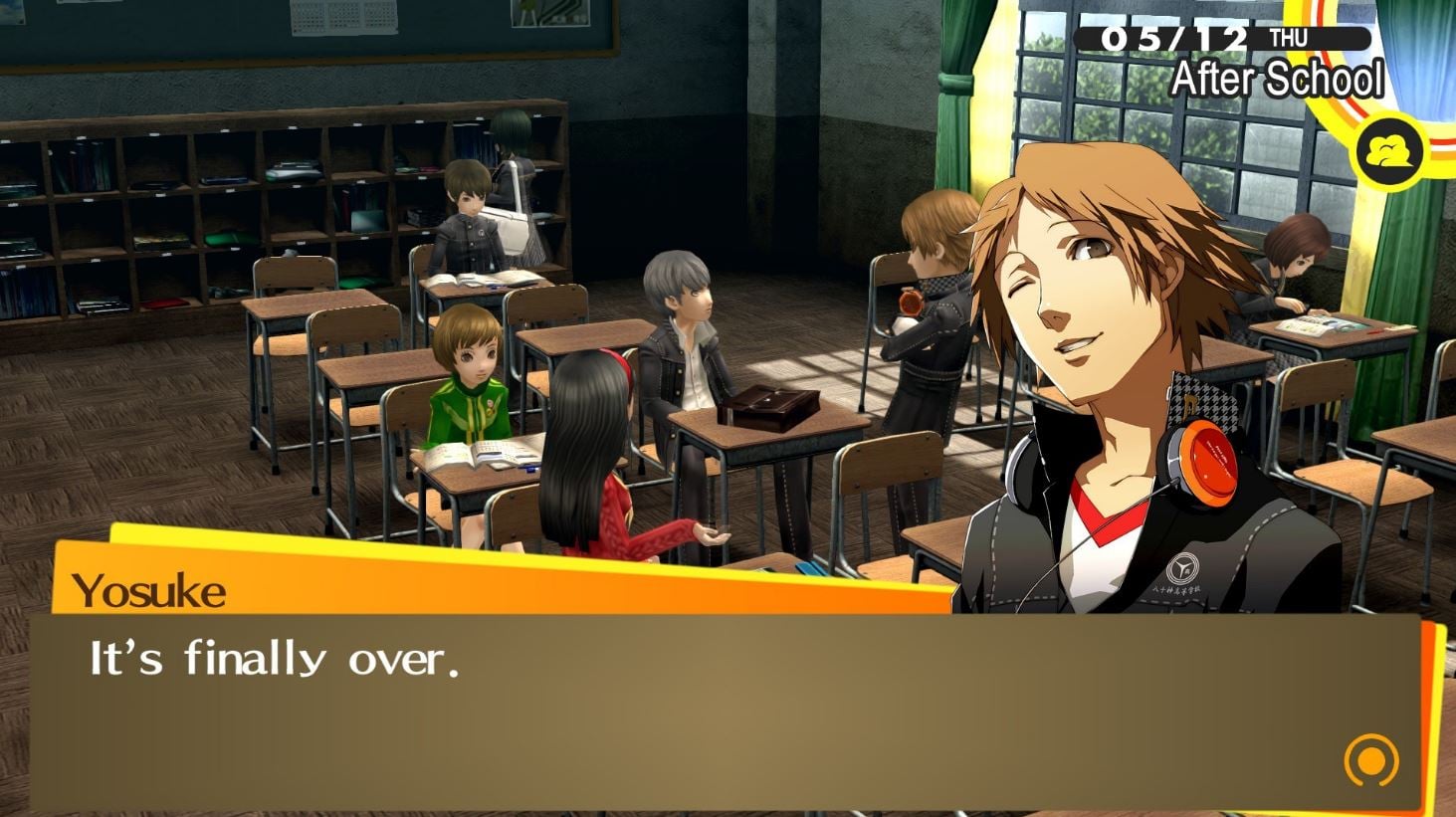
Similar to the confused jumble of emotions, changes, mistakes, and failures that come with adolescence, the Persona games incorporate a wide variety of elements that coexist in a chaotic manner, rather than being neatly refined in a single direction. Hashino suggested this could be what defines the series as a whole.
Soejima added that the settings and storylines of each entry “changing to reflect the times” is another core tenant of the franchise. Rather than risking stagnation through adherence to a predetermined identity, the Persona games each strive to resonate with their contemporary audiences by taking influence from modern society and culture, naturally enabling that “Persona-esque” nature to take shape.
As far as the music is concerned, Meguro noted that he does not consciously pursue a “Persona-esque” sound when composing the soundtracks. Rather, he discusses with Hashino what the concepts and themes behind each title are, and tailors the score to align with what each individual title calls for. His sentiments echoed Soejima’s, remarking that the “Persona-ness” behind his music is something that naturally formed over time rather than being an intentionally crafted identity.

As the roundtable came to a close, Hashino discussed his personal vision for what an RPG should be in the modern era. With such a wide variety of media available at consumers’ fingertips, developing RPGs that can sometimes demand dozens of hours of play time involves careful consideration of how to ensure a memorable experience. What matters to Hashino is that the experience does not “end up being something fleeting” that could easily be replaced by watching a movie or TV drama. Rather, the experience should stay with players after they finish the game, giving them “something to draw on as they go on to live their lives”, and in some way, encouraging them to keep moving forward.
While this has been a long held ideal for Hashino, he doesn’t believe this team has fully realized it yet, and intends to keep exploring and refining in in their future work.Taking all of this into account, perhaps it can be said that the true nature of the Persona series lies in its unrelenting evolution in tandem with the growth of its audience and changes of society at large.
Hashino’s latest title featuring contributions from Soejima and Meguro, Metaphor: ReFantazio, is available now on PlayStation 4, Playstation 5, Xbox Series X|S, and Windows (Steam). A Nintendo Switch 2 release is planned for November 12.