

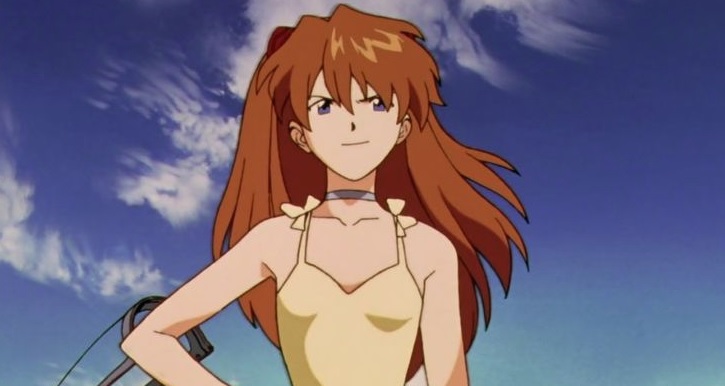
Voice actress Yuko Miyamura, best known for her role as Asuka Langley Soryu in Neon Genesis Evangelion, recently published a column in Japanese online magazine Hanasone, in which she discussed the harsh reality of being an otaku in Japan before the subculture had become more mainstream. She also touched on some of the traumatic experiences he had appearing publicly in media as a seiyuu.
Back in the 80s, when Miyamura was still a teenager, anime finally started expanding from being a “kids-only” medium to targeting a wide range of audiences and demographics. In a way, it was an extension of the booming manga culture of the day, and the two helped spread the “otaku” movement throughout Japan. However, otaku were still viewed as outcasts, and being a proud superfan of anime and manga “out in the open” was generally looked down on.
Miyamura recalled that, for example, anime merch shops like Animate were located out of sight, in old buildings, instead of the main streets. However, even if she did get to buy merch like bromide prints and sakuga cels (by her favorite artist Shingo Araki), Miyamura suggests that she felt pressured to keep her “otaku side” hidden.

Miyamura’s career as a voice actress started in the mid-90s, which is when anime culture started shifting towards the mainstream. Studio Ghibli films drew new fans to the subculture, and Neon Genesis Evangelion, which she also worked on, was very much a hit among otaku. However, the notion that otaku were these strange, tech-obsessed outcasts still remained, and mainstream media often mocked that kind of behavior. This put voice actors, who were gaining popularity, in a tough position.
“Whenever we were invited to appear on popular TV variety shows, us voice actors were treated like some kind of rare creatures. We were viewed as a novelty and spoken down upon. They made fun of our otaku fans and treated us discriminatorily,” Miyamura confessed.
As one personal example, she brought up an “incident” which occurred when the media came to cover her public radio show at the time. Apparently, she was told that they were working on a feature about the “current boom in the anime radio culture.” However, the actual coverage turned out to be about “techno addiction,” and it painted otaku in a rather negative light, treating them as a socio-pathological phenomenon.
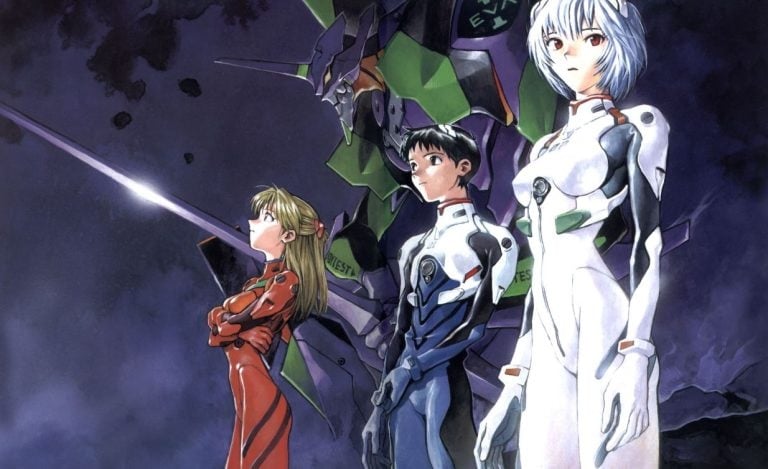
Miyamura recalled another unpleasant situation she experienced around the same time. During a kickoff meeting for a certain famous TV show, the director proposed a program outline whose content was clearly making fun of her otaku fans and the anime community, calling it “something that will be entertaining to see on TV.” “I remember I was taken aback, thinking – Wow, does everyone in the TV industry have such a bully mentality?, ” she wrote.
She rejected the original offer, but agreed to appear in the show only if the production team changed its concept entirely. However, they ended up not keeping their promise, and the voice actress was forced to play along with the initial outline of the program. “I felt like I was tricked. It was so horrendous I actually asked them to shelve the recording. Back then, appearing on TV was a constant trauma for me.”
However, Miyamura says that she is happy and grateful for the fact that anime culture has become more widely accepted in recent years. “Recently, there have been many celebrities and TV production staff who openly talk about their love for anime. Thanks to them, voice actors have established their status, and I’ve been fortunate enough to work in places where I’m actually treated with respect,” Miyamura wrote.
Related articles:
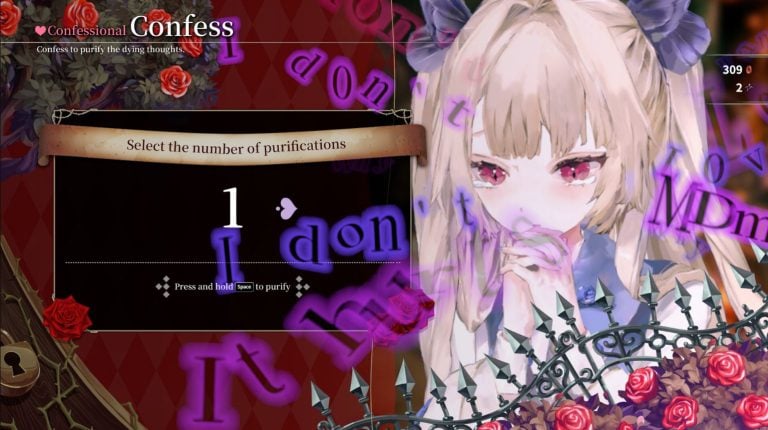
Its wild to know how things have change from then to now. Now its the Vtuber culture thats weird. It especially was seen as weird online on both YouTube and Twitch having people complaining why theres an “anime girl” on their screen. Nowadays its gotten much better but there are still those haters who don’t know who or what vtubers are or they wanna assume the worst of it and wonder why they dont “show their face.”
Meeting her was one of the joys of my life, really there for her fans
Was? otaku culture is still look down on.