
Level-5 CEO says Megaton Musashi served as “emotional rehab,” helping the studio rediscover its development philosophy and make Inazuma Eleven: Victory Road work
Level-5 CEO Akihiro Hino recently talked to Famitsu about how the development of Megaton Musashi helped him complete Inazuma Eleven: Victory Road.


Level-5 CEO Akihiro Hino recently talked to Famitsu about the studio’s newest releases like Inazuma Eleven: Victory Road – which ended a decade-long gap in the series – and the Japan-only mobile game Inazuma Eleven Cross. Discussing the difficulty he faced in making sure Inazuma Eleven’s latest mainline entry would be appealing to a now much older fandom, Hino mentioned the development of Megaton Musashi as having an incredibly positive effect on him, and as a result, Victory Road itself.
The mecha hack-and-slash action RPG Megaton Musashi first released in 2021 in Japan, with the definitive worldwide version, Megaton Musashi W: Wired, following in 2024. Looking back on its development, Hino jokes about the project feeling like “emotional rehabilitation.” While working on the game, he says he was able to rediscover his answer to the question of “what it means to connect with your audience.”
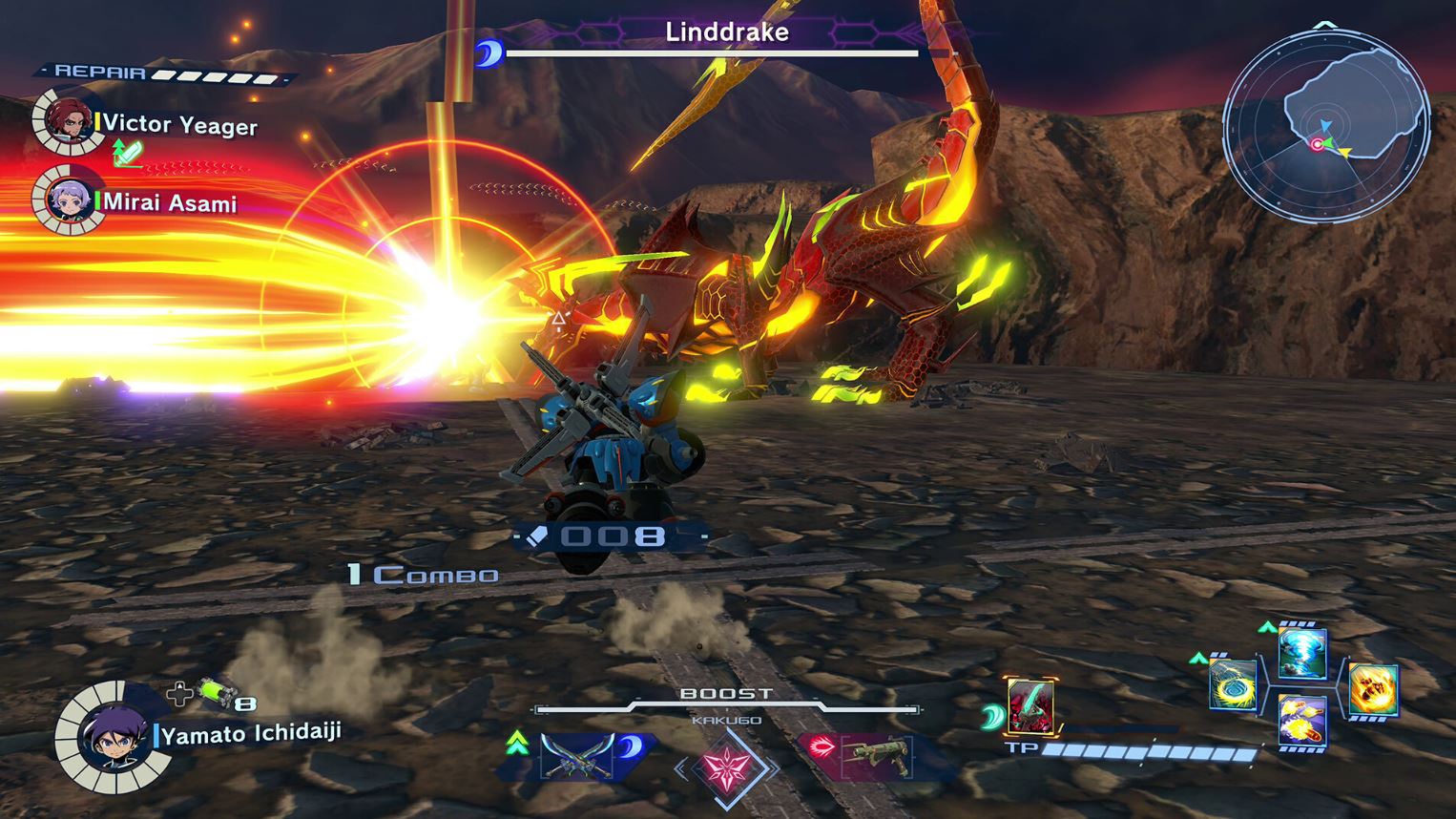
“It’s not about working hard because we expect big sales, it’s about giving it our all if there’s even a single person out there genuinely waiting for it. I realized that’s the only way it should be,” he says. “At the time, there were some people on YouTube regularly making videos about Level-5 games, and it wouldn’t be an exaggeration to say I was making the game for them. I believe that’s the foundation of entertainment: if you’re not creating something for someone, you won’t make anything truly good.
Putting things into more specific terms, Hino mentions the origin of the Professor Layton series, which Level-5 created around the idea of “making a game mothers would enjoy.” In this sense, he considers projects created with a specific person in mind to be the secret to achieving hits. While this is a mindset he has always held, Hino says Megaton Musashi helped him realize he needed to visualize his target much more clearly. “I constantly imagined the people who had been waiting for the game and thought as deeply as possible about what would make them happy or move them emotionally. After release, seeing how positively they responded made me think, “We can make Victory Road work too.”
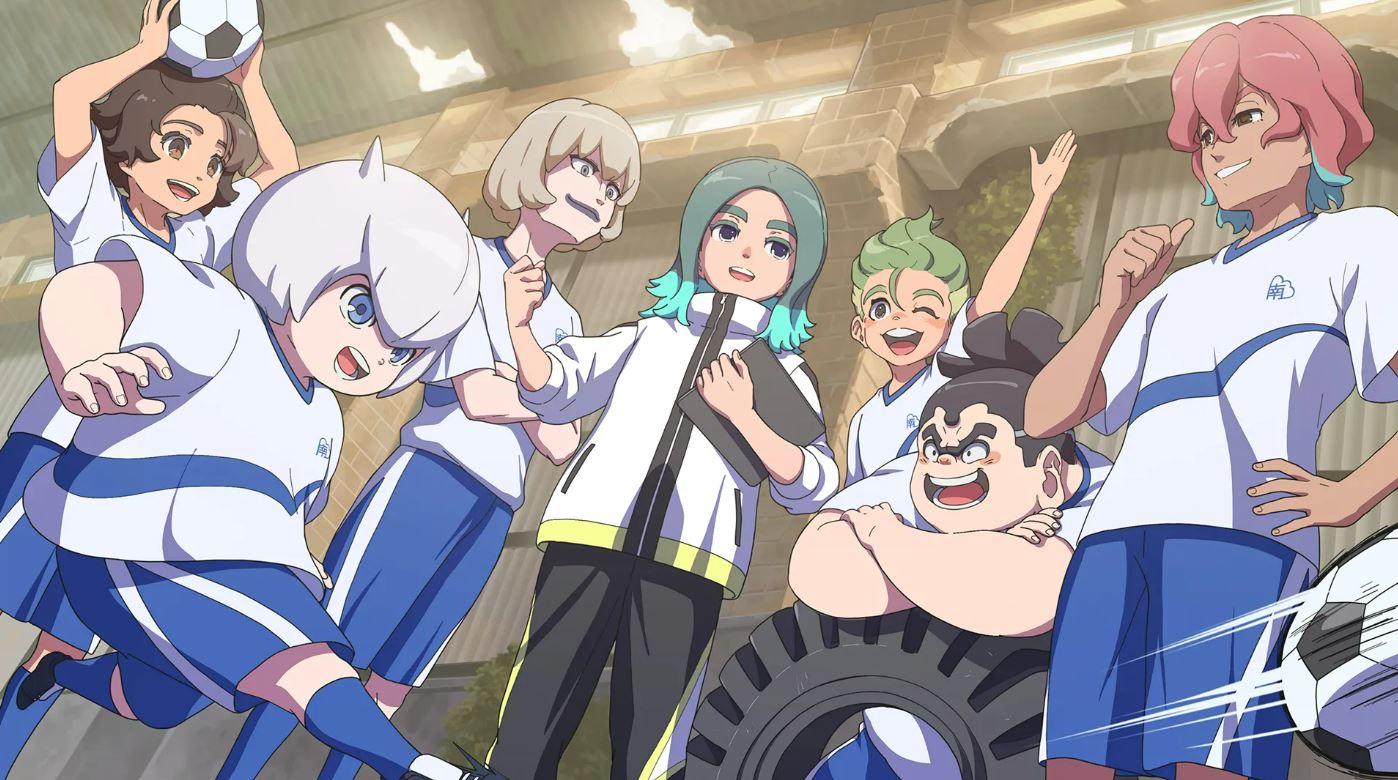
Interestingly, Hino mentions that despite its ups and downs, the actual development period for Inazuma Eleven Victory Road was much shorter than its numerous delays suggest, and the reason why Level-5 succeeded was because by then, they were able to form a very clear idea of “who” they were making it for.

Amber V
Articles: 1618Related Posts


Now it would have been nice if they would finish the Megaton Musashi Wired story.