A verdict was recently passed in a copyright infringement lawsuit between anime production company Studio Comet and Sanrio, the company behind famous mascots like Hello Kitty. Studio Comet had sued Sanrio over the character Kuromi, seeking an injunction against its use and a public apology acknowledging Studio Comet as the character’s creator. The court ultimately ruled against Studio Comet, dismissing all of its claims (source: Yahoo Japan).
Sanrio’s mascot characters are well known around the world for their cute charm, adorning everything from bags and keychains to guitars, and appearing in various collaborations and media. Sanrio has a roster of over 400 mascot characters, and in addition to its in-house creations like Hello Kitty, it also owns the global rights to Mr. Men and the distribution rights to Snoopy in Japan.
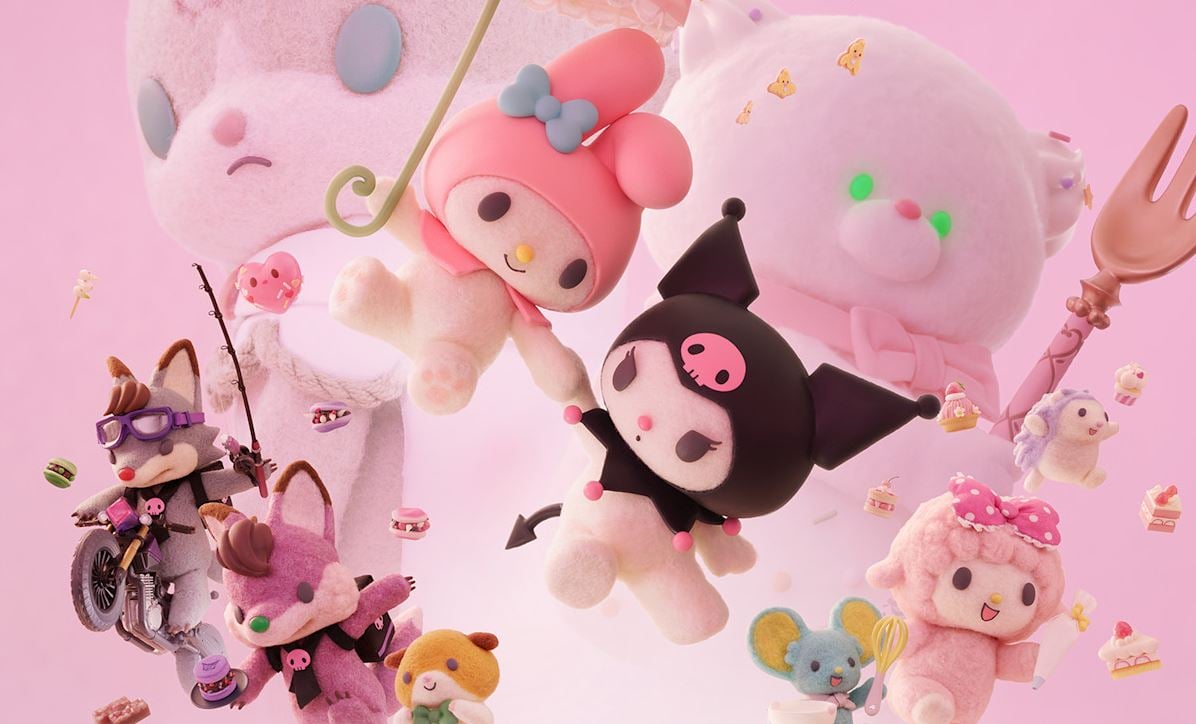
The dispute came to light in February 2025, when reports emerged that Studio Comet had filed a lawsuit against Sanrio over Kuromi’s copyright. Sporting a slightly “edgier” personality, Kuromi debuted in 2005 as the punky goth counterpart to Sanrio’s sweet and fluffy rabbit character My Melody.
According to Studio Comet, its employees created Kuromi while working on Onegai My Melody, an anime featuring My Melody that the studio was commissioned to produce. The series aired from 2005 to 2008. Studio Comet claimed that although Sanrio provided the original sketches for My Melody’s design, the studio’s animation staff created the show’s other characters, including My Melody’s rival, Kuromi. The dispute arose because Kuromi was subsequently treated solely as a Sanrio creation, rather than one created by Studio Comet.
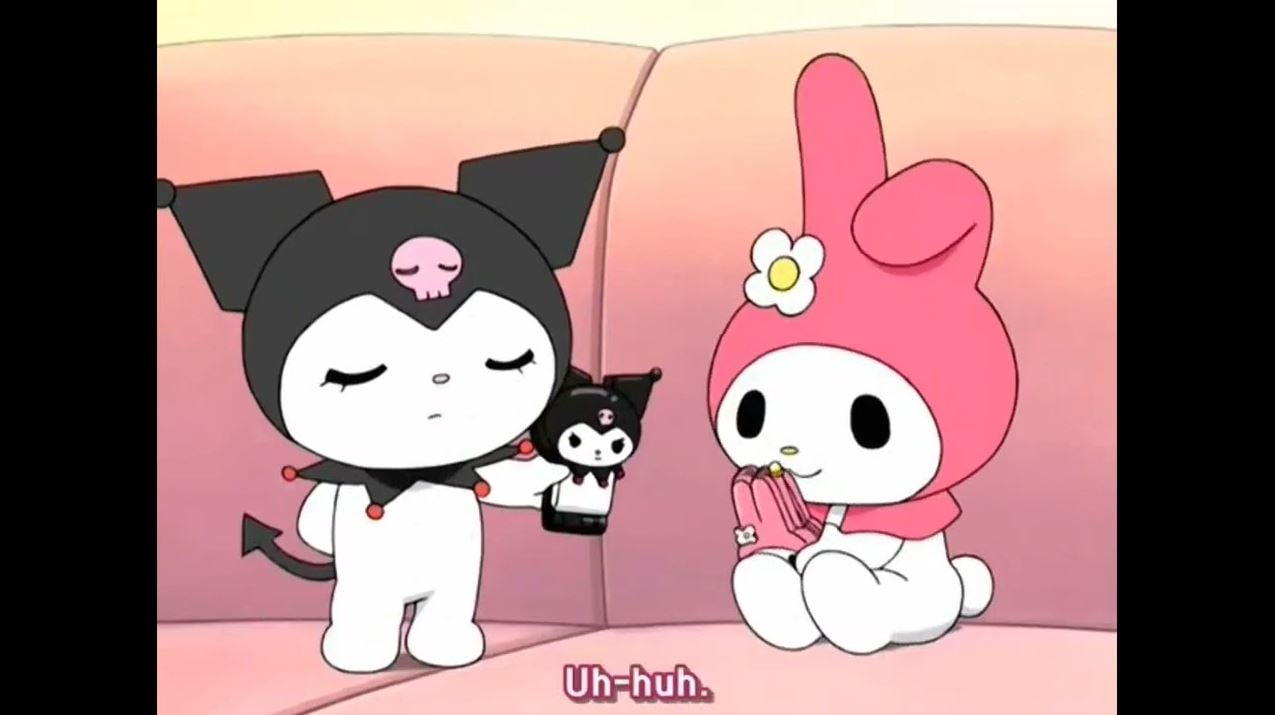
The court recognized Studio Comet as the author of Kuromi, but nevertheless dismissed the studio’s claims after finding that the copyright had been transferred to Sanrio, drawing a line between authorship and copyright ownership. Notably, there was no written agreement directly stipulating the transfer of Kuromi’s copyright when the character was created in March 2005. However, the court concluded that an implied agreement to transfer the copyright had been reached between the two parties nonetheless, taking into account subsequent documents, as well as the fact that Sanrio had commercially developed and sold products featuring Kuromi for 17 years without Studio Comet raising objections.
The court ruling means that while Studio Comet was recognized as Kuromi’s creator, the copyright had been transferred to Sanrio, leaving Studio Comet unable to exercise those rights.
Commenting on the case, Kiyoshi Kurihara, a Japanese patent attorney and IP consultant neutral to the lawsuit, wrote that it was “hard to imagine Sanrio handling the rights to its characters so carelessly.” The absence of a direct written copyright transfer agreement at the time of Kuromi’s creation was, in his view, surprising. He concluded that if Studio Comet’s goal was to establish that Kuromi was created by Studio Comet rather than Sanrio, it had effectively achieved that objective through the ruling, but whether that outcome will succeed in conveying the distinction to the public is another matter.