
Gen Urobuchi’s original ending for Madoka Magica Walpurgisnacht Rising was adjusted to tone down the cruelty and “offer a sense of salvation”
Gen Urobuchi talks about how the Puella Magi Madoka Magica The Movie: Walpurgisnacht Rising ending was changed to offer a "sense of salvation."
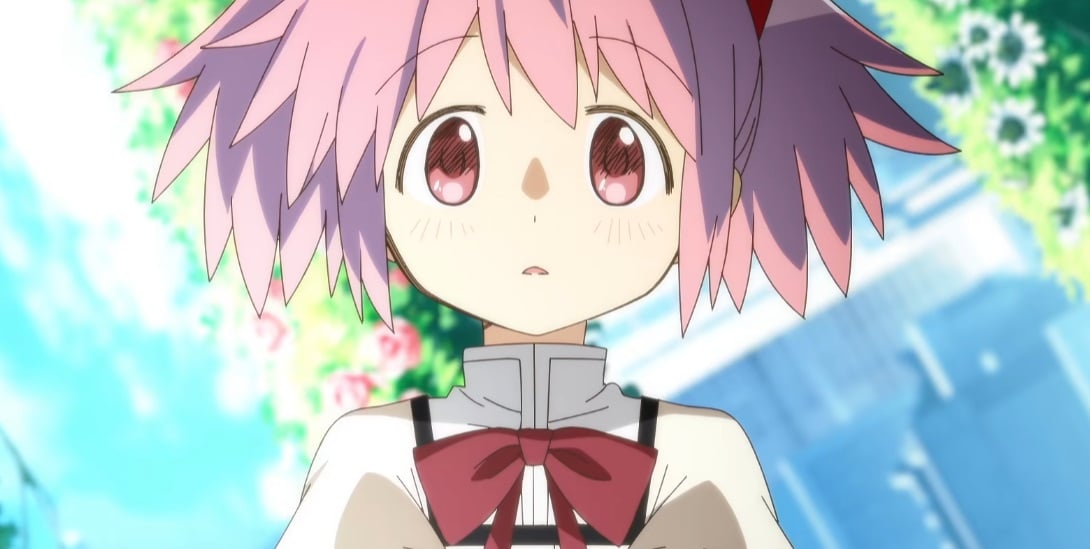
After a series of delays, Puella Magi Madoka Magica The Movie: Walpurgisnacht Rising finally made its long-anticipated premiere on August 28 in Japan. Coming to theaters almost 13 years later, the film is a direct sequel to 2013’s Puella Magi Madoka Magica the Movie Part III: Rebellion, and the first new entry in the “mainline” story of the anime. The film has also premiered in Taiwan, with theatrical releases confirmed for Argentina, Hong Kong, and Germany. Information regarding the North American/English theatrical release is still TBA.
In a recent interview with Kyodo News, Gen Urobuchi of Nitroplus, the main writer of the original Puella Magi Madoka Magica series, talked about the film’s lengthy production period, how the story has evolved over the past decade, and why the movie’s ending feels less “cruel” compared to what one would expect from his writing.
Please note that this article contains minor spoilers for Puella Magi Madoka Magica The Movie: Walpurgisnacht Rising.
Urobuchi admits that, about 10 years ago, he decided to take a break from anime and work on tokusatsu projects for a while, because, as he puts it, he didn’t have any ideas of his own. The reason why he decided to accept the offer to work on Walpurgisnacht Rising was because Gekidan Inu Curry (the animation team behind the Madoka Magica series’ production design) came to him with a thick idea notebook packed with pitches for the new movie. “Personally, I never even dreamed I’d be able to work on a sequel, so it felt like I could cook up a meal now that I’d been given all the ingredients,” Urobuchi says.
The offer was made after he had finished working on Kamen Rider Gaim (which aired from 2013 to 2014), and according to Urobuchi, 90% of the material for the film was already set in place thanks to Gekidan Inu Curry’s idea book: “Nazuka Sokotsune, Walpurgisnacht’s model, and other major elements were all pretty much sets, and I was the one who needed to come up with the ending.”
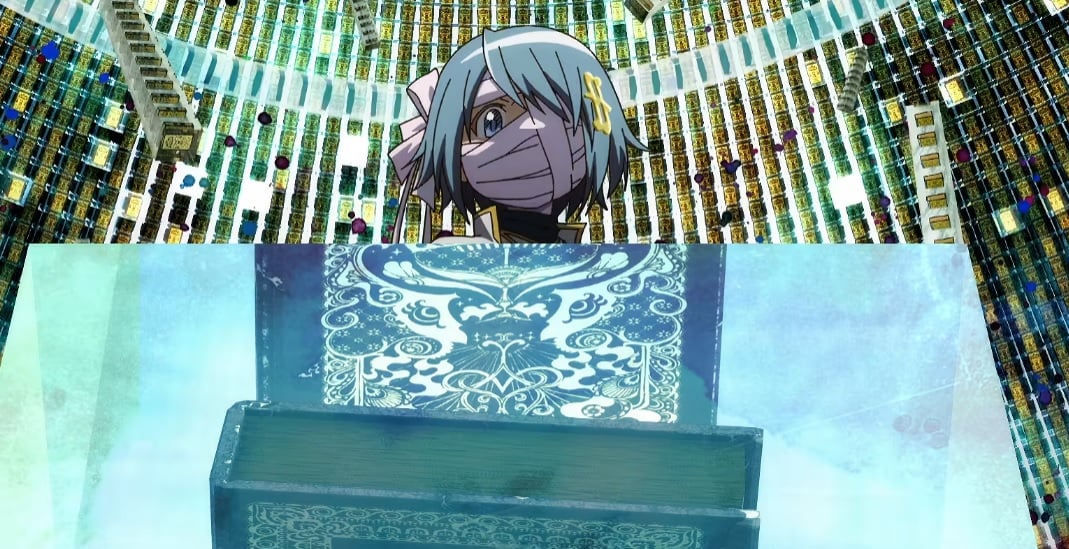
However, after he finished drafting the first ending, things didn’t go quite as smoothly. The film’s director Akiyuki Shinbo wanted to “change the ending after all,” and apparently, there were several discussions about having someone else rewrite the ending from scratch. Ultimately, the team informed Urobuchi that they would be going back to his original plan and start over, but with some tweaks to the ending that he’d originally written (according to Urobuchi, this was about 4 to 5 years ago).
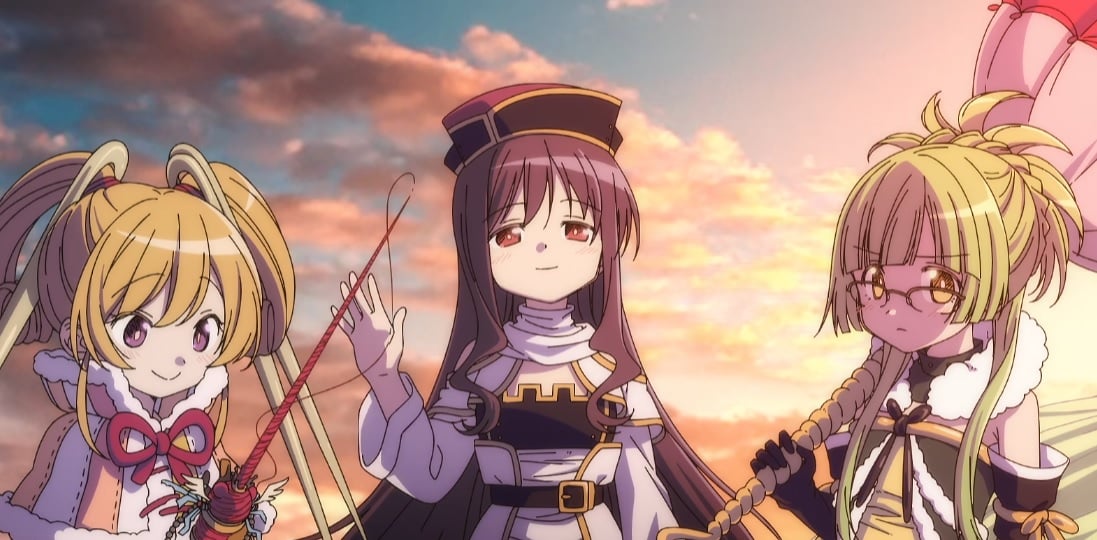
While the overall story he had written for the ending wasn’t changed, the way it’s presented to the viewer has been slightly tweaked. As Urobuchi puts it, “The flow is pretty much the same up until the midway point, and I got the impression that they reworked and adjusted it so that it offers a sense of salvation.”
“My usual habit is to kill off characters, removing them from the story. But this time around, there were no shocking parts that would make the viewers gasp, which was a good decision, on the contrary. Thanks to them toning down the cruelty, I think the film became a much lighter watch,” Urobuchi explains.

Đorđe P
Articles: 508Related Posts
Sure would be nice if any of us could actually WATCH the damn thing to know what he meant by that.
I watched the movie yesterday. It’s a good enough experience for watching it at the theater… but the story is the weakest and most bloated of all the mainline MadoMagi productions, with no conclusions and only the setting up of more sequels. It has become yet another stale franchise with no stakes, no growth, and no end.