

A 39-year-old website administrator located in Tokyo, Japan was recently charged with violating the Copyright Act for posting “spoiler articles” containing written summaries of movie and anime plots. As reported by Asahi Shimbun, on April 16, the Tokyo District Court sentenced the man to one year and six months of prison with a suspended sentence of 4 years, and a penalty of 1 million yen (approximately $6.3k USD). The criminal complaint against the website administrator was filed back in late 2024 by Kadokawa Corporation and TOHO, the copyright holders of the works summarized on the website (source: Content Overseas Distribution Association, hereafter CODA)
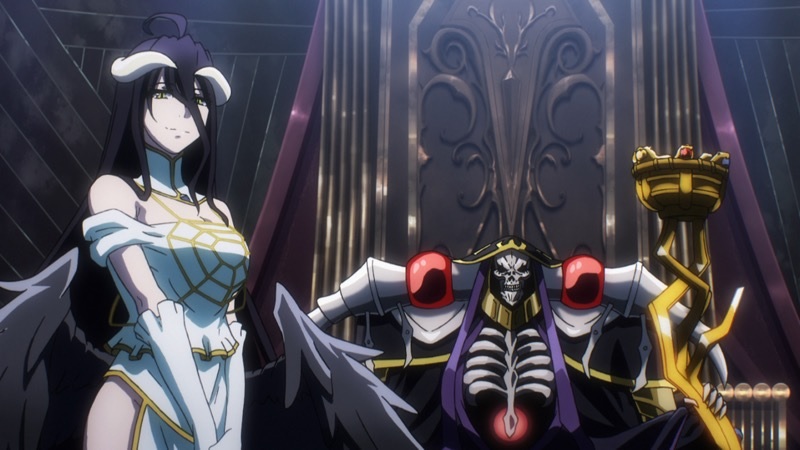
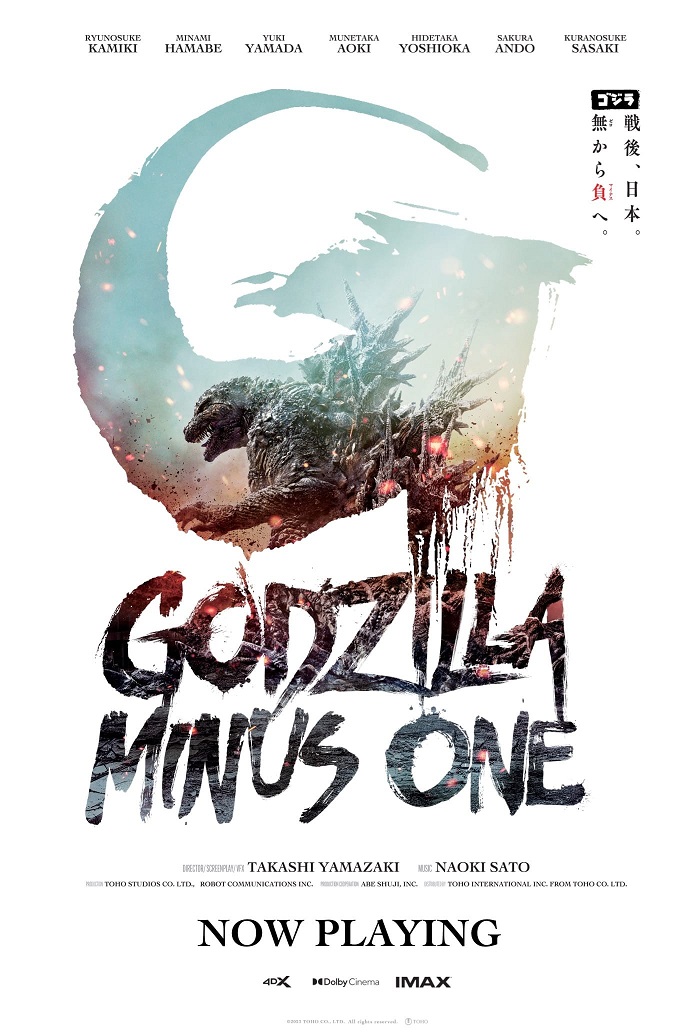
The problematic articles in question include a full summary of 2023 film Godzilla Minus One (owned by Toho) and the third season of the Overlord anime (owned by Kadokawa), which aired back in 2018. According to the prosecution, the Godzilla article was over 3,000 characters in length, explaining the plot of the film in detail from beginning to end, while the Overlord summary piece also included character names, transcribed dialogue, action, scenes, plot twists and several screenshots from the anime. Consequently, Kadokawa and Toho argued that this style of article constituted an “adaptation” of the original works, and could thus be considered copyright infringement.
To give some context, under Japanese copyright law, “adaptation” refers to the act of “creating a new work by making creative modifications to the original while preserving its essential characteristics.” Consequently, creating adaptations requires official permission from the author of the original work.
Despite the website-owner’s defense arguing that the summary articles could not be considered adaptations, since the essential characteristics of the original works (presented through footage, music, acting etc.) “cannot be conveyed simply by summarizing it via text,” the court ultimately ruled against them. Another “problematic point” brought up by the prosecution that played a part in this ruling was the fact that the website was monetized, meaning its owner “unfairly” earned ad revenue by disseminating copyrighted works.
While CODA considers “spoiler sites” to be less severe instances of infringement compared to piracy websites or illegal uploads of the content itself, it argues that the creation and distribution of such content “still clearly constitutes copyright infringement that goes beyond just fair use or quotation, and is a serious crime.” According to the association, the core problem with such websites is that they lower the consumers’ desire to fairly pay for the content, causing significant damage to the rightsholders.
Related articles:

You cant argue that a summary is copyright. That is just ridiculously greedy of Kadokawa and Toho. It is unheard of anywhere but japan having a winning case against a fan making harmless reviews or summaries. These greedy corporations should get a grip with reality. Imagine actually going after some poor guy for telling you the plot of Spongebob episodes online. The antics they get up to is more realistic than crying about people reading a spoiler or summary account, that is breaking the good faith laws. Oh no! Come get this man he’s making money talking about the Wiggles kids show! You get my point. Fill in whatever show you want. This garbage still smells.
Japanese copyright laws are so dystopic and draconian.