Dragon Quest’s iconic weakest weapon exists because the Famicom couldn’t display kanji, according to Yuji Horii
According to Dragon Quest series creator Yuji Horii, the humble Cypress Stick emerged from technical limitations of the Famicom.

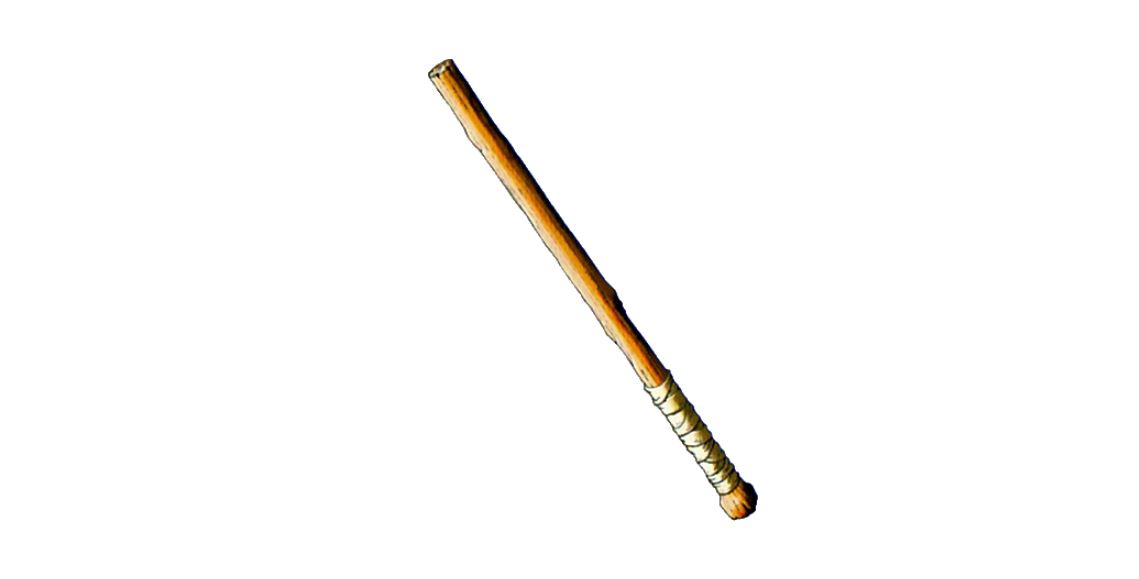
First introduced in Dragon Quest II, the humble Cypress Stick is known as a recurring weapon in the series and is usually the weakest option available. It has become quite iconic over the years, even making a guest appearance in NieR: Automata as an item that “can hardly be called a weapon, but somehow grants courage to its user.” As pointed out by Japanese outlet MagMix, since the real life Japanese cypress (hinoki) is known as a luxurious timber that doesn’t typically convey weakness, the phenomenon of the Cypress Stick is somewhat unusual. However, series creator Yuji Horii revealed it has more to do with technical limitations and the workings of the Japanese language.
In an interview quoted by MagMix, Horii explains that the limited storage capacity of Dragon Quest II’s Famicom cartridge forced the developers to adapt. Since kanji characters (which convey both meaning and sound) were not yet supported at the time, all of the game’s text, including the names of monsters, weapons, and items, had to be written in hiragana, which only conveys sound.
Japanese wooden swords are typically made of white oak or red oak, generally known as “kashi” (樫). But since Famicom cartridges did not support kanji, Horii said that simply writing “kashi no bo” (かしのぼ, “oak stick”) in hiragana would have make it sound too much like the Japanese word for snack (“okashi”). Shortening the word to its base hiragana form “かし” (kashi) wouldn’t have worked either, as people wouldn’t know what it stood for.
To this end, the word “hinoki” (ひのき, meaning “Japanese cypress”) was chosen. While Japanese cypress is more often used in the construction of shrines and temples, the word can easily be understood when written in hiragana as it’s distinct in sound and doesn’t have any homonyms that can potentially create confusion. The original Japanese Dragon Quest games use the term “hinoki no bo”/ひのきのぼう, which prevents confusion and has since become an iconic recurring weapon in the franchise.

Carlos "Zoto" Zotomayor
Articles: 1329Related Posts