Final Fantasy and Mana veterans weigh in on how AI will change game development and why “turning zero into one” should always be a human’s job
Yoshinori Kitase, Hiromichi Tanaka, and Koichi Ishii – known for their work on the Final Fantasy and Mana series – recently shared their thoughts on how generative AI will change game development.

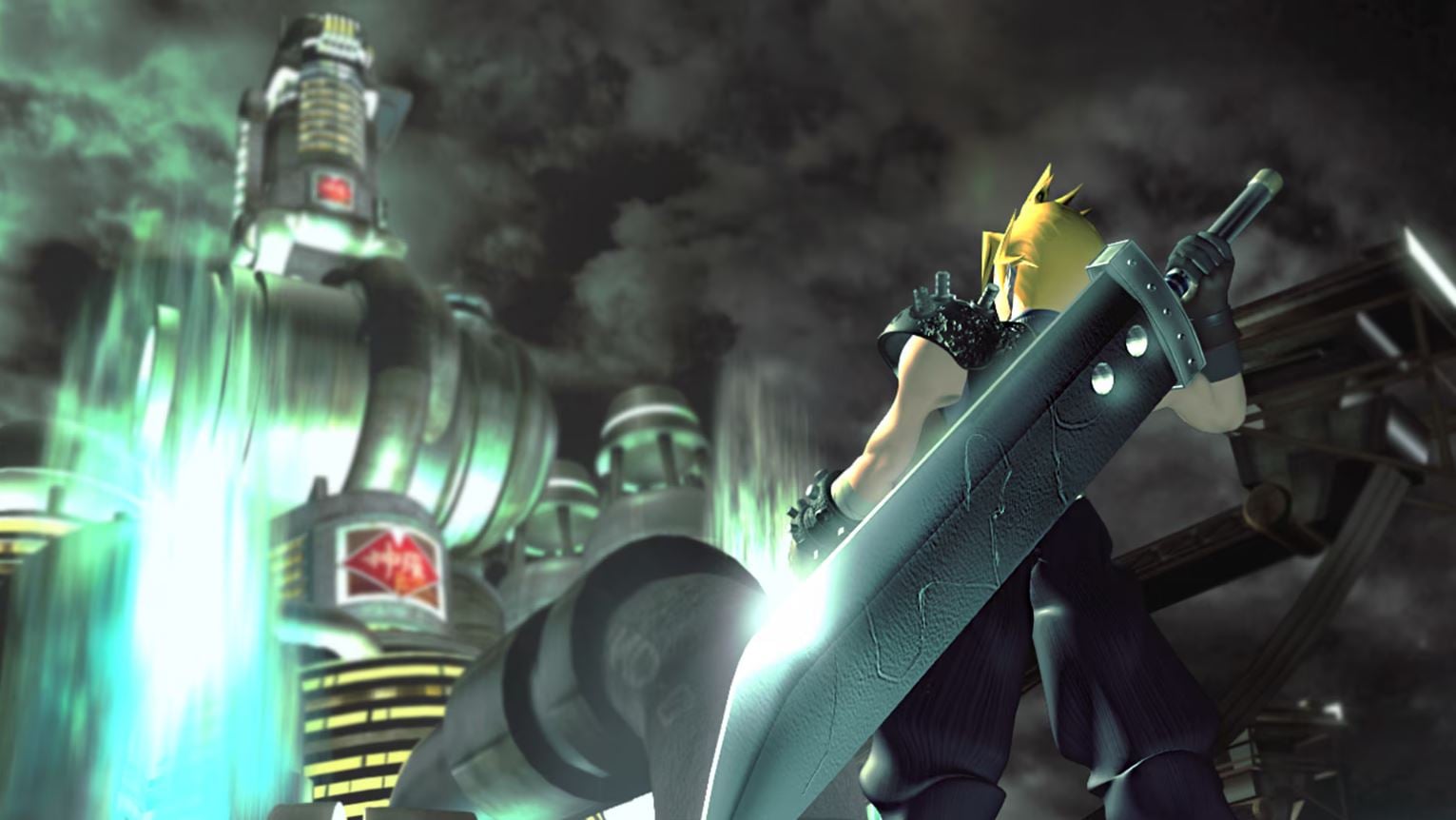
Veteran game developers Yoshinori Kitase, Hiromichi Tanaka, and Koichi Ishii – known for their work on Square Enix’s Final Fantasy and Mana series – recently shared their thoughts on how generative AI will change game development, proposing that while the technology is undeniably making it far easier to create games, human creativity will remain an essential part of the process.
In an interview with Famitsu commemorating the 35th anniversary of the Mana series, the three devs talked at length about what making games used to look like back in the day. When asked how modern-day creators should go about cultivating their skills, Tanaka said that in the near future, “It will definitely come down to how well people can master the use of AI.”
Kitase agreed that AI will become an increasingly common part of game development, but stressed that developers will need to think carefully about how they use it. Tanaka pointed to copyright concerns as a particular consideration when using AI to generate graphics. Programming, however, is already seeing substantial changes, he said, with indie developers making effective use of the technology. He expects the number of indie games to increase, adding that “major game companies will need to rethink their development methods to avoid being swept away by this wave.”
Kitase noted that game development has already become a lot more accessible thanks to established game engines such as Unreal Engine and Unity, which allow small creators to make games without first having to build their own engines. “And when you add support from new tools and technologies on top of that, even people with limited experience can more easily make games,” he said. He described the increased accessibility as a major change, particularly because it allows inexperienced developers to gain hands-on experience making a game and seeing it through to completion.
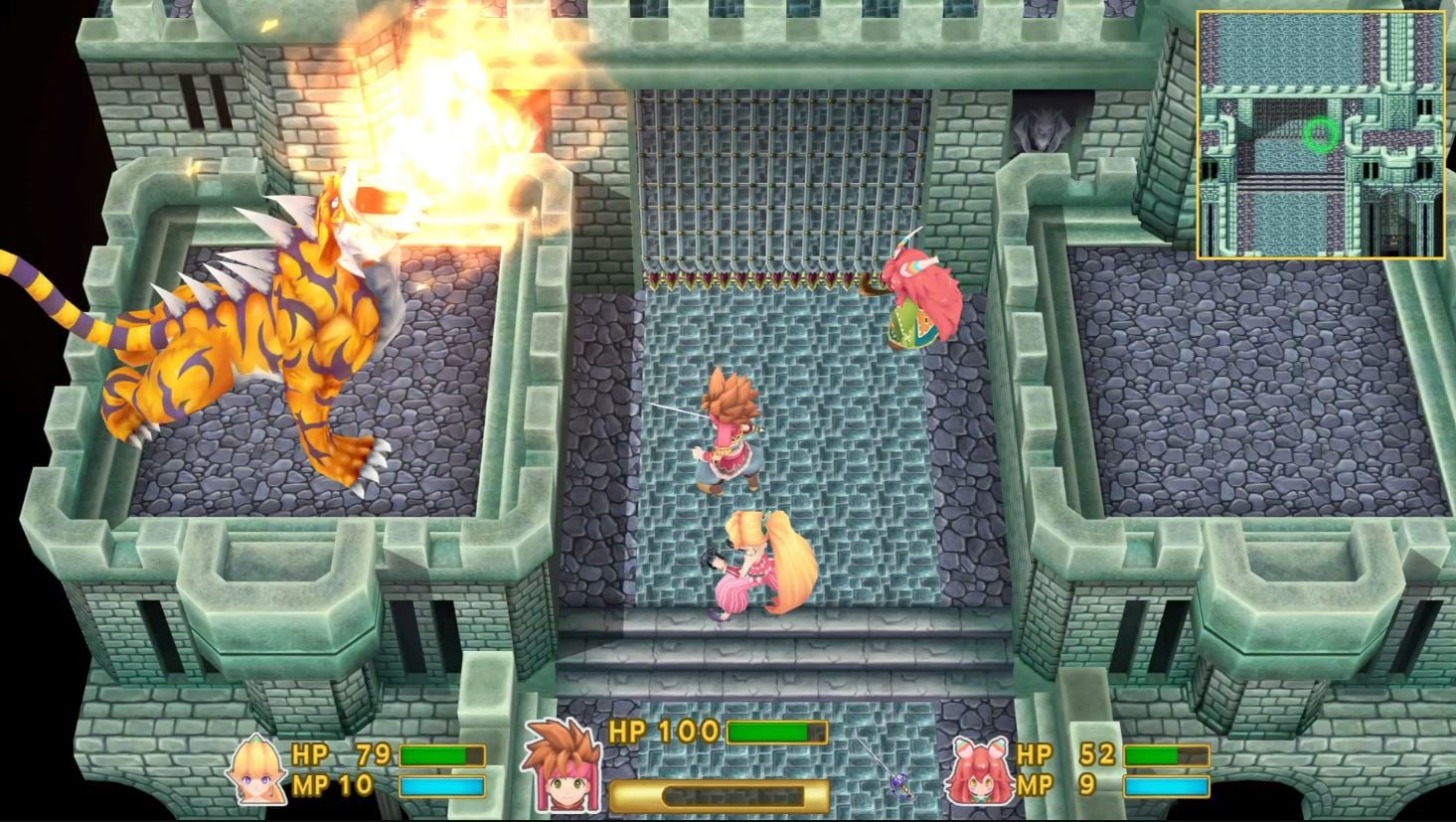
On the other hand, Kitase also emphasized that human creativity will remain indispensable, particularly at the beginning of the development process. “Humans need to be involved in the initial step of turning zero into one. That will never change. The next generation of creators absolutely needs the ability to turn zero into one,” he said. (Earlier in the interview, Kitase praised Ishii’s ability to “turn zero into one” when creating the Mana games, describing it as a time-consuming process that requires genuine inspiration and original ideas. He compared it to the more labor-intensive process of “turning one into one hundred”).
Tanaka agreed with this sentiment, suggesting that the industry will become even more of a “competition of ideas” going forward.
Kitase went on to argue that “During the process of turning one into a hundred, if we can improve efficiency by supplementing traditional human work with support from AI and game engines, I think people will be able to focus more on that initial stage of turning zero into one.”
Ishii, meanwhile, expressed enthusiasm about AI’s potential to speed up prototyping and allow developers to spend more time testing and refining their ideas. However, he also cautioned against relying on AI to handle the entire creative process. He believes humans still need to be responsible for both the beginning and the end of development: “If AI does everything on its own, the result might be polished, but it could end up feeling like it’s missing human warmth.”

Amber V
Articles: 1625Related Posts