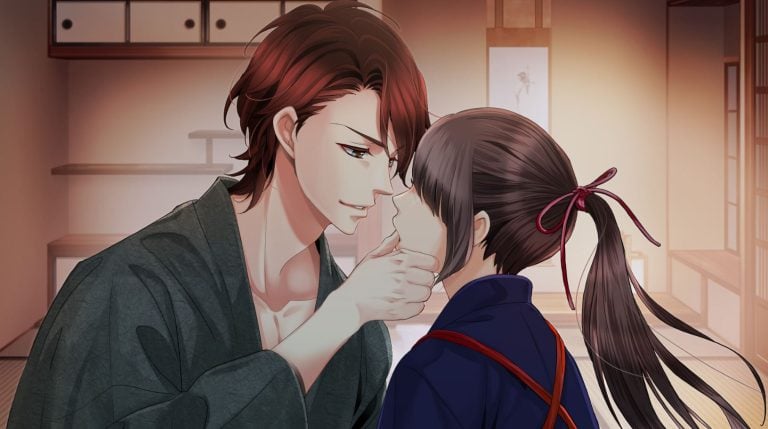
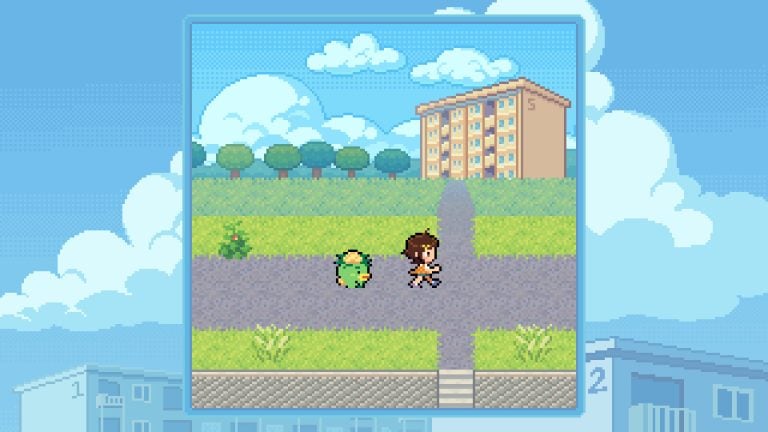
“No beds on the tatami, please.” Game developer seeking advice on authentic Japanese interiors attracts over 100 responses from Japanese gamers
From unusual flooring colors to too spacious floor plans, users have pointed out various areas to improve.
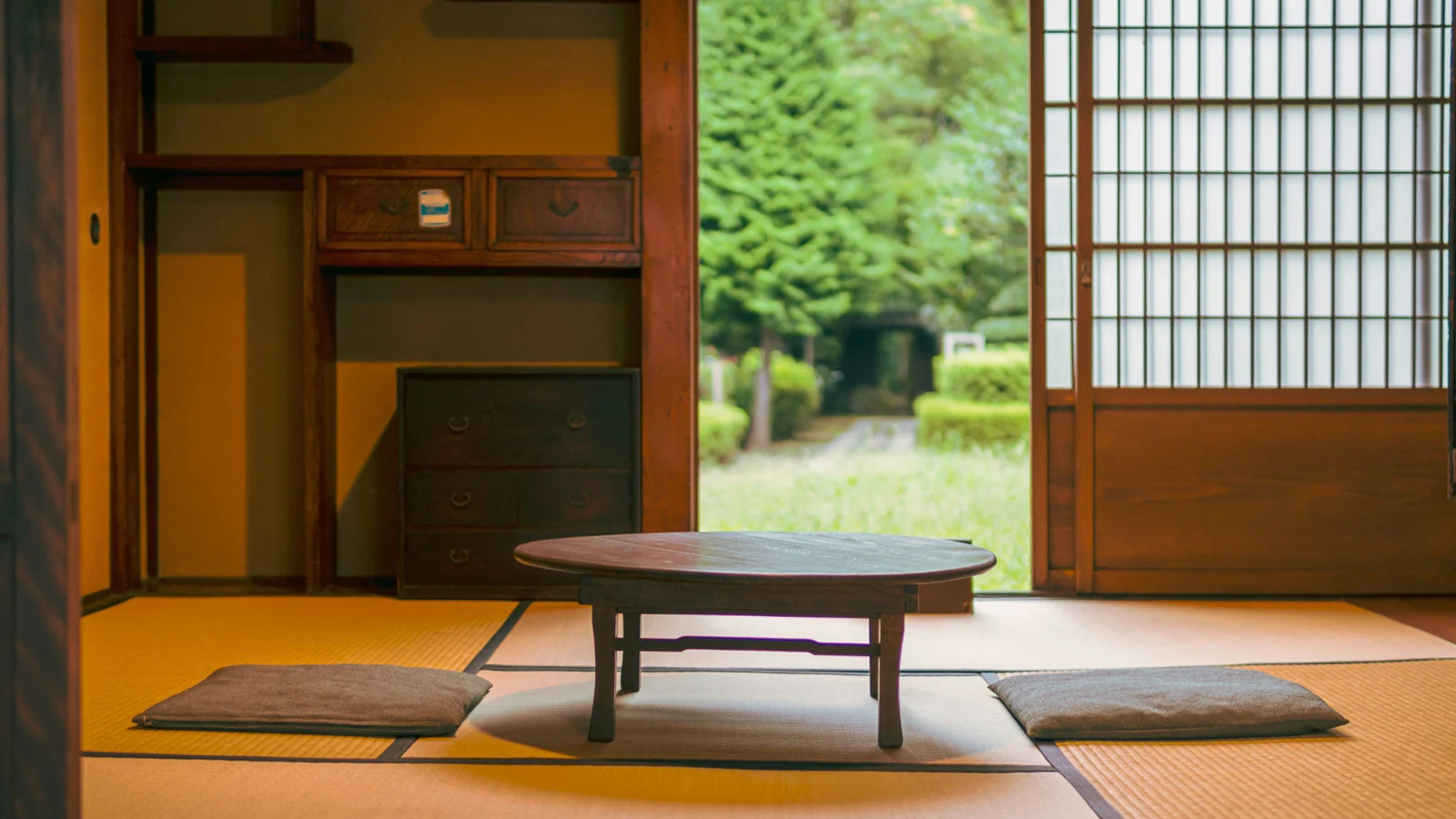
Indie game developer bleachmama, creator of the upcoming extraction survival roguelite Dead Extraction, recently took to X to ask for advice on making the Japanese interiors in their game look more believable. The post has since attracted over 100 replies, with gamers offering a range of suggestions and insights on what typical Japanese homes actually look like.
Dead Extraction is a zombie game set in a Tokyo that’s been placed under lockdown following a pandemic. Players take on the role of 25-year-old Leona Shiraishi, a woman who was traveling with a friend when the lockdown began, and must survive in a devastated world overrun by zombies. Given the setting, the game’s full launch is planned to support Japanese, and developer bleachmama has turned to Japanese users for feedback on more than one occasion.
Back in September, they asked users on X for suggestions on how to make the game’s cityscapes look more authentically Japanese, which likewise attracted considerable attention. At the time, Japanese users suggested making buildings more densely packed and adding more signs, overhead wires, and utility poles. bleachmama followed up in October by sharing in-game screenshots that demonstrated how the feedback had helped improve the game’s environments.
More recently, bleachmama has posted another plea for help on X, this time asking how to make the game’s interiors feel like actual lived-in Japanese homes, rather than the stereotypical Japanese rooms often seen in Western media. The developer explained that reference for Japanese interiors is harder to come by than those for cityscapes, and that their searches for traditional Japanese houses, modern homes, and apartments had not yielded many useful results.
From the perspective of a Japanese person, the interiors currently seen in the game have some rather unusual design choices. The walls have wooden paneling on their lower halves and plaster on top, while the floors are covered in dark-colored wooden flooring. Western-style beds are placed on tatami-floored areas, and kitchens and bedrooms are arranged with little to no separation between them.
In response, several users have pointed out that walls like those shown in Dead Extraction’s screenshots are rarely found in modern Japanese homes, and that light-colored wooden flooring is much more common. Also, given that the game is set in an urban environment – implying an apartment setting – many also suggested making the floor plan smaller. Such apartments typically have separate bathrooms and toilets, with individual rooms being relatively small. If tatami flooring is present, it’s generally found in a separate Japanese-style room (washitsu) rather than integrated into the main living space.
People also offered more detailed advice on the layouts of traditional Japanese houses. For instance, corridors are generally located along the outer edge of the house rather than running through the interior, while rooms are separated by sliding fusuma or shoji doors. In addition to these suggestions, many users recommended looking at photographs on Japanese real estate websites for reference, as well as anime and movies.
Funnily, some users suggested a full-on stereotypical approach could also get the job done, suggesting that the developer simply add props like samurai armor, swords, and maneki-neko figurines. While hardly subtle, this would at least make it immediately clear that the setting is intended to look Japanese. Others pointed out that overly complicated interiors could also make the game cumbersome to navigate, which makes it tricky to reproduce the feel of real Japanese homes in a playable format. In response, bleachmama said that they’d try to make sure the interiors were simple enough while retaining their overall atmosphere.
Traditional detached Japanese houses are becoming increasingly uncommon not only in major cities like Tokyo, but even in suburban areas. For non-Japanese developers who may be unfamiliar with this fact, it might come as a surprise that there is no single, definitive image of what a Japanese home looks like.
While it doesn’t specifically track the number of traditional wooden houses, a nationwide survey conducted by Japan’s Ministry of Internal Affairs and Communications in 2023 offers some insight into what domestic housing looks like. Of the approximately 55.67 million occupied homes nationwide, 44.9% were apartments and other forms of multi-unit dwellings, while detached houses accounted for a slightly larger 52.7%. Looking at individual prefectures, Akita had the highest proportion of detached homes at 79.4%, followed by Yamagata at 76.1% and Aomori at 75.3%. The figures were considerably different in Tokyo, Okinawa, and Osaka, however, where multi-unit housing was more prevalent. Such dwellings accounted for 71.6% of homes in Tokyo, 60.9% in Okinawa, and 57.4% in Osaka. The survey also noted a growing trend toward taller residential buildings, particularly those with six or more floors.
As for wooden construction, the nationwide figures, which include both detached houses and multi-unit dwellings, show a gradual decline since the survey began. Wooden homes accounted for 68.1% of the housing stock in 1993, but that figure had fallen to 54% by 2023. Meaning, in a game set in an urban Japanese environment, modern apartments and contemporary Western-style homes may feel much more appropriate than traditional Japanese houses.
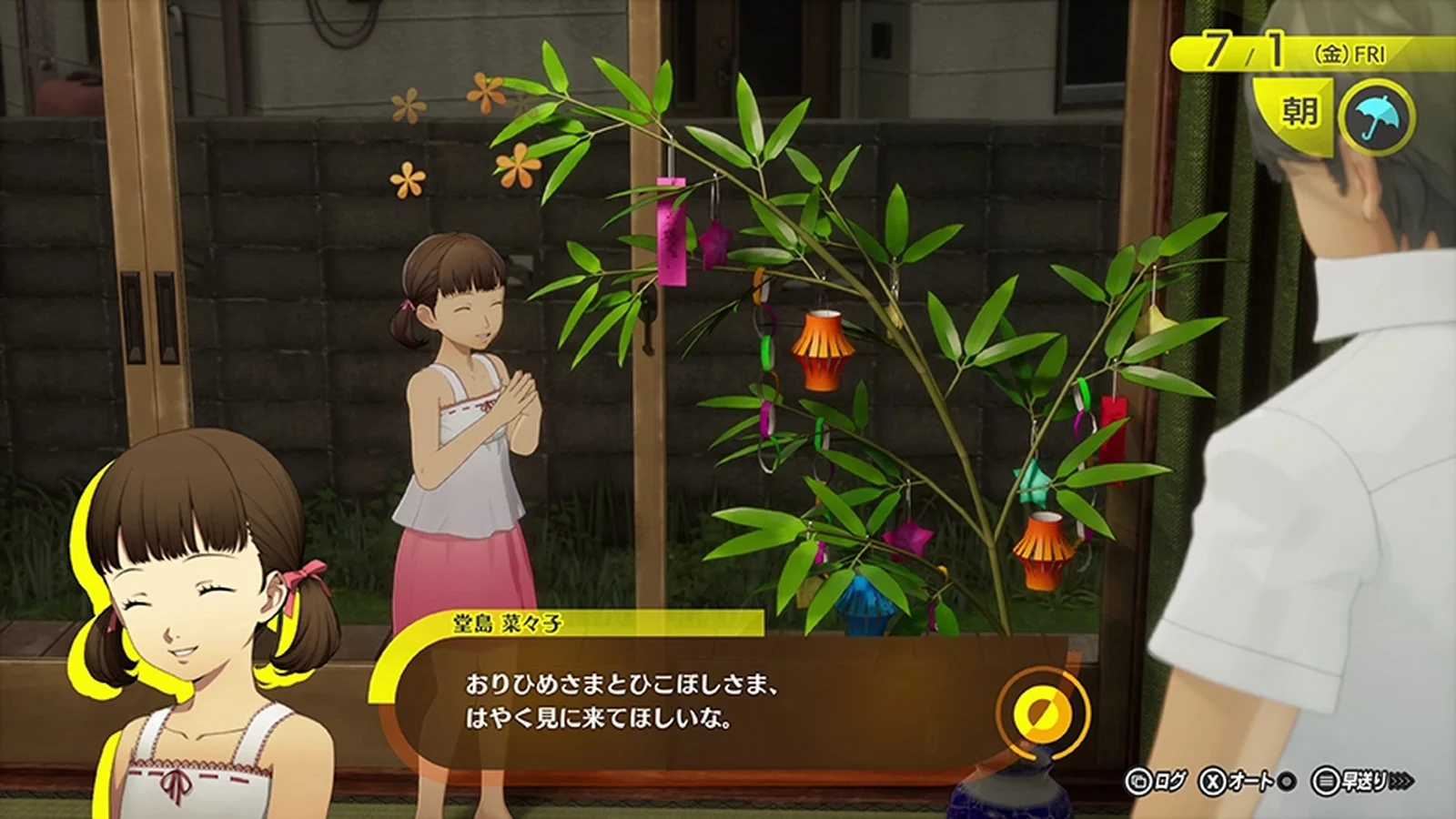
That said, although traditional Japanese houses have become relatively rare in urban areas, Japanese-developed games featuring nostalgic, single-story wooden homes are still fairly common, like the Boku no Natsuyasumi series among other examples.
While outdoor areas currently make up the bulk of Dead Extraction’s exploration, it will be interesting to see whether future updates incorporate the feedback from Japanese users to make indoor exploration feel more authentic.
Dead Extraction is scheduled to launch in Early Access for PC (Steam) in Q4 2026.
Related: Everyone hates inaccurate depictions of Japan, right? Wrong – a lot of Japanese people want more

Kei Kano
Articles: 2Related Posts