“We absolutely don’t view our eroge titles as a shameful past.” Laplacian explains why it had to remove adult games from its official website
Wasabi Ono, the CEO of Laplacian, has provided a lengthy explanation of the company's recent restructuring and reasons for removing adult games from its website.


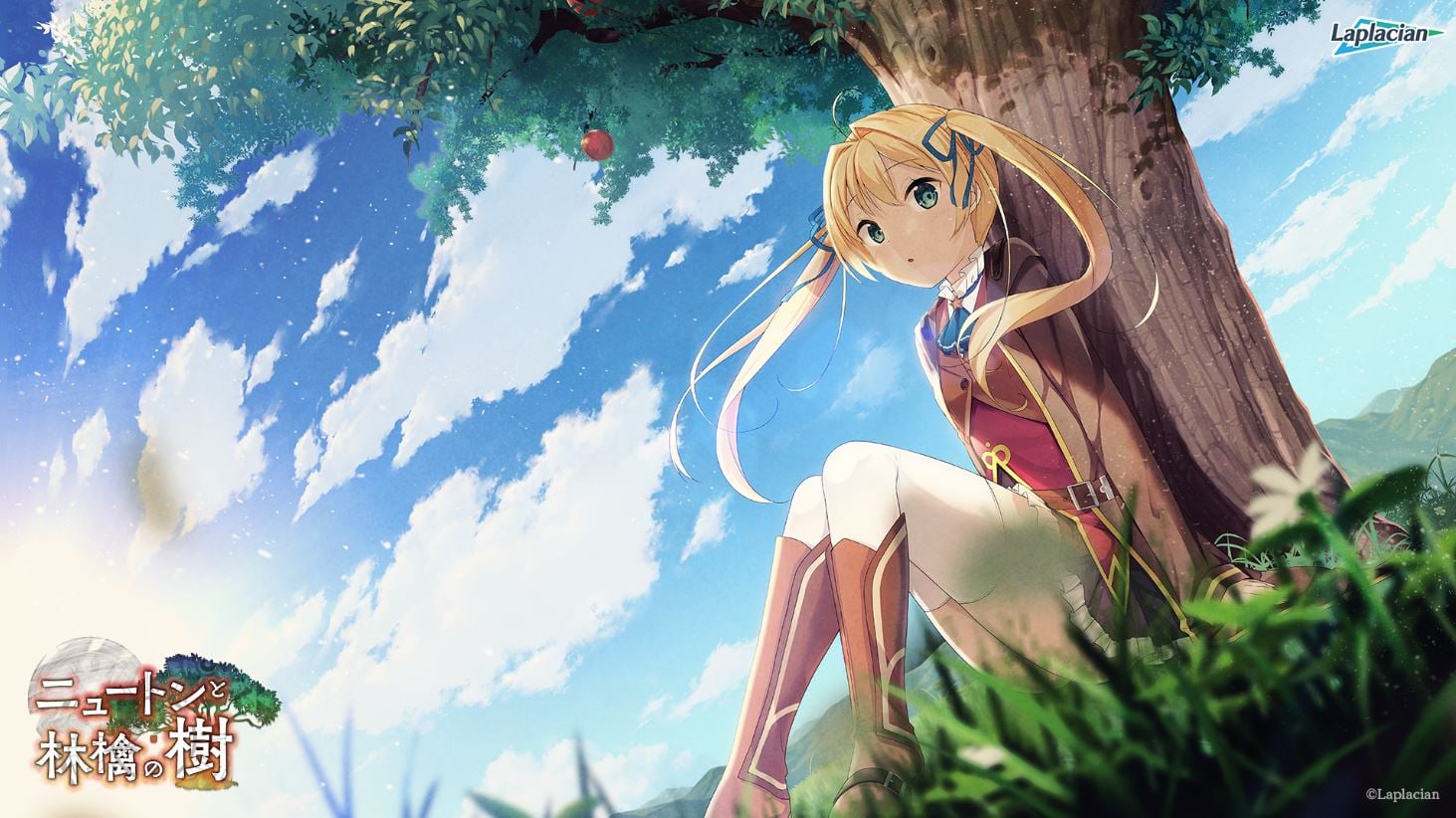
Laplacian, a Japanese visual novel developer which has in recent years pivoted from developing eroge (adult games) to all-ages titles, has been facing some backlash from its playerbase these days. Following the release of the studio’s new occult comedy visual novel Kugayama Shiori’s Death Diary (which is currently rated “Overwhelmingly Positive” on Steam), Japanese fans of Laplacian noticed that the company no longer lists its past eroge titles on its website. This led to harsh criticism over on X, as users interpreted the move as Laplacian treating its eroge history as something shameful or attempting to scrub its image “clean.”
As it turns out, however, the situation is much more complicated than that, and the update to the site wasn’t even recent (it happened two years ago). On July 30, Laplacian’s CEO Wasabi Ono published a lengthy statement addressing fans’ concerns and the maze-like corporate restructuring the studio underwent in the past few years in order to be able to develop all-ages games. Incidentally, his explanation gives some interesting insights into the obstacles eroge companies face in securing financing.
Ono prefaces everything by saying that Laplacian “absolutely does not view its eroge titles as a shameful past.” He believes that the passionate energy of the eroge community is the “single most compelling aspect left in the industry” and says Laplacian remains indebted for the love its games have received.
The change to the company’s website was made entirely for practical reasons. Ono explains that Laplacian was originally a game brand (not a corporate entity) owned by Chikanikai, a company established to publish adult games. On the other hand – and this is where things get a bit confusing – the developers themselves, the core people referred to as “team Laplacian,” belonged to another company, called HitoMemori.
When “Laplacian” became its own company in 2022, it was not Chikanikai that became Laplacian, but HitoMemori. The website from back when it was a game brand was thus rebuilt into a corporate website representing the new company.
According to Ono, the restructuring was necessary because of Laplacian’s shift toward all-ages games. Unlike adult game developers, which typically receive development funding by pitching game ideas to distributors, all-ages developers generally secure financing from banks. However, small-to-medium-size companies need to receive a guarantee from third parties in order to have bank loans approved. The problem is, Japanese credit guarantee organizations have a strict “no adult content” policy, making it virtually impossible for eroge companies to obtain bank loans.
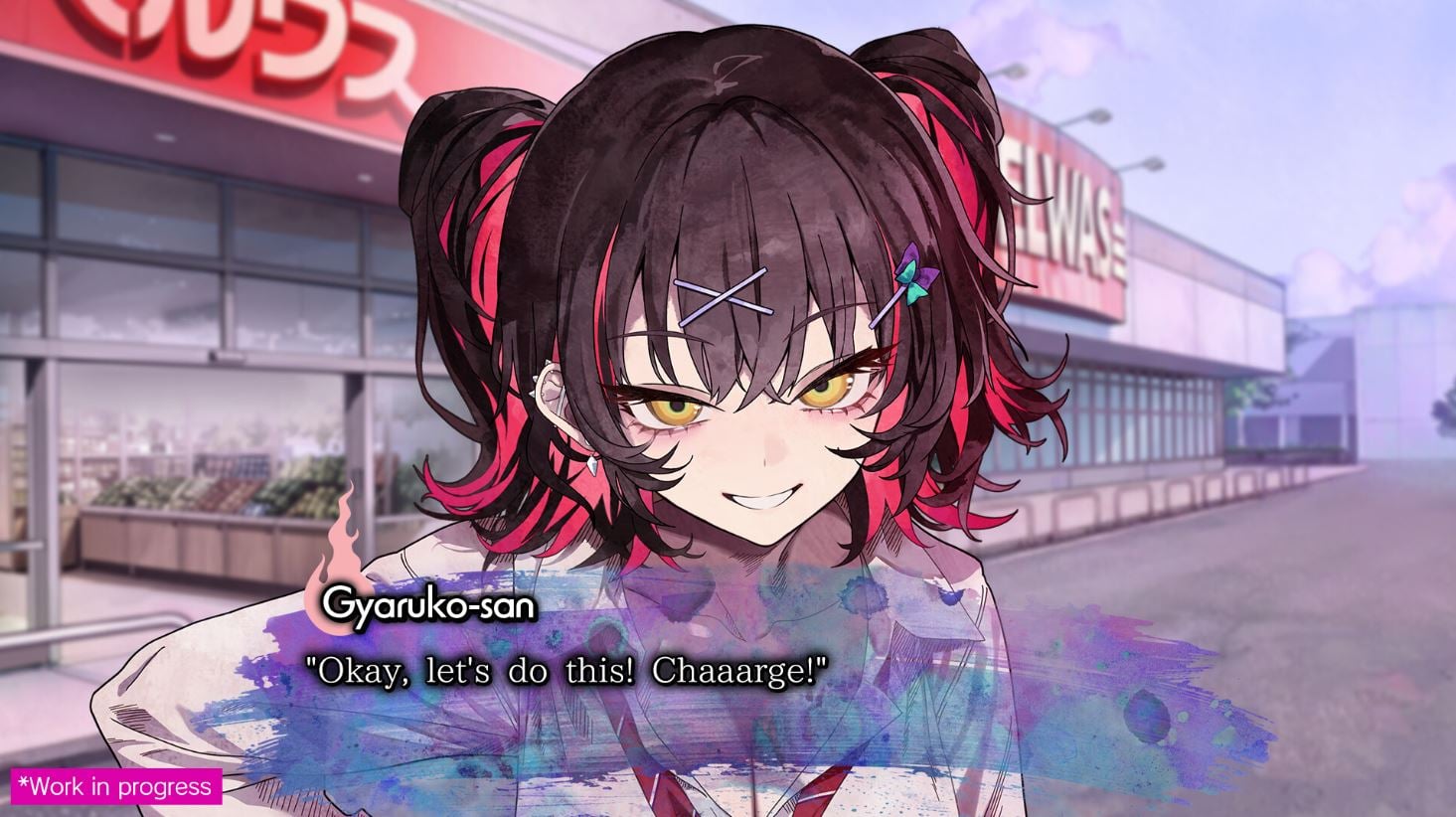
This is part of the reason why the developers didn’t simply turn Chikanikai (which is an adult game publisher and continues to earn revenue from Laplacian’s past eroge titles) into Laplacian. In this sense, HitoMemori, which worked on the games in the capacity of a contractor, had a history of successfully securing bank loans and a higher level of corporate credibility.
Therefore, to make sure their new company would have access to bank financing, the developers left the rights to all their past games under the jurisdiction of Chikanikai (save for Cyanotype Daydream), and naturally, removed all adult games from their website, given that it would serve as a point of reference for banks and business partners.
Ono acknowledges that Laplacian’s older titles are still sold under the “Laplacian” name, even though they technically belong to a different company, because changing the branding now could confuse fans. He adds that the team had considered moving those games under a separate brand, but ultimately decided against it for the time being. He admits they’d avoided publicly explaining the situation because they hoped not to draw attention to the issue.
Likely also in response to backlash from fans, Ono also states that his team’s decision to pursue other genres was not motivated by a desire to make more money. “Personally, I feel that in terms of business stability, we would have been better off just continuing to make eroge. The idea that we abandoned eroge for the sake of money, or switched to all-ages titles just to cash in, is far removed from the actual situation. Perhaps people are too strongly influenced by the image of major companies scoring big hits with gacha games.”

Amber V
Articles: 1623Related Posts