

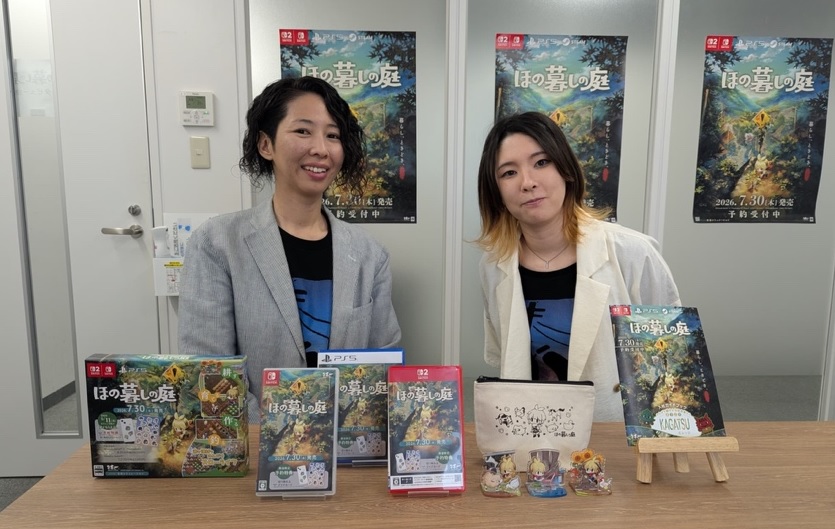
The Japanese release of Nippon Ichi Software (NIS)’s new farming simulator Village in the Shade is scheduled to release on July 30, with a global release planned for Fall 2026. While the title was originally promoted as a lighthearted cozy game, it’s actually being worked on by none other than the staff behind the studio’s flagship horror series Yomawari.
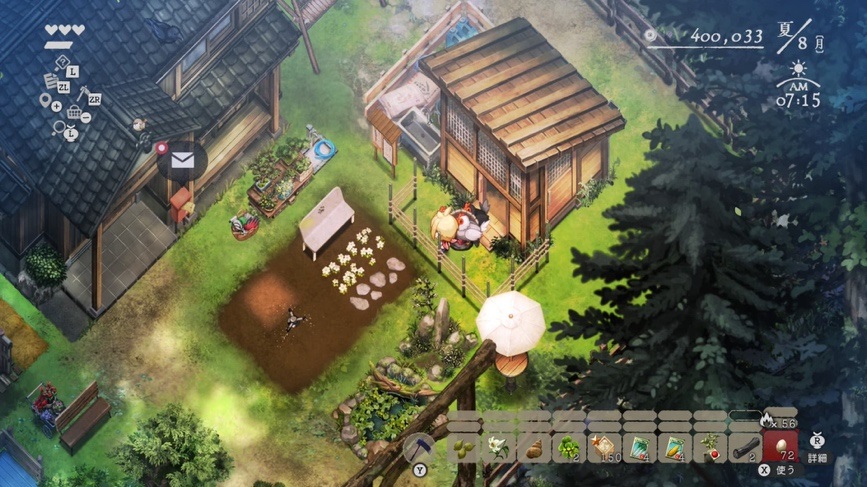
Set in the remote village of Kagatsu, the game lets you lead a peaceful rural life growing vegetables in your garden, caring for livestock, hunting and fishing, and socializing with locals. However, there are certain rules you must follow, and certain traditions to abide by – one such example being that going out at night is absolutely forbidden. Considering all the creepy trailers and the ominous 15+ rating, one can conclude that the game shares a lot of its DNA with the Yomawari series.
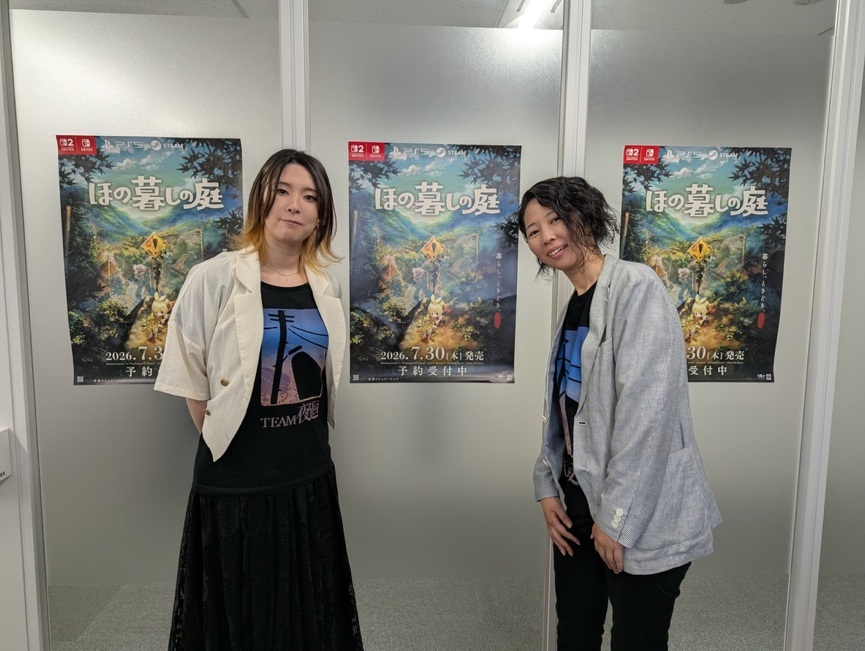
With the game’s release just around the corner, AUTOMATON got the opportunity to chat with game designer Yu Mizokami and development manager Mio Katsumata, who told us more about the unique concept of Village in the Shade, its balance between “farming” and “horror,” and what they actually meant with the infamous “no dogs or cats die” post.
– Village in the Shade is a life simulator, but at the same time, it’s been drawing a lot of attention for its creepy elements. What role do the horror aspects play within the game?
Mio Katsumata (hereafter Katsumata):
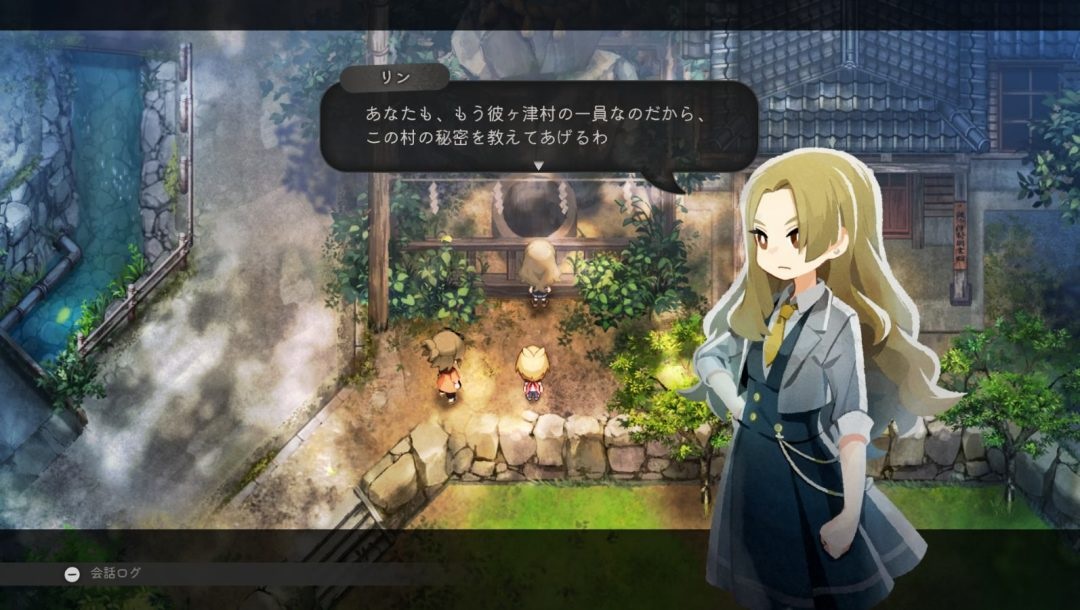
In terms of playtime, about 80% of the game is a farming simulator. The “horror” genre tends to emphasize fear factor, but what we actually focused on was the “uncanniness” of the Kagatsu Village and the story revolving it. I think a key part of the game is the sense of unease you get after overhearing the villagers’ conversations as you pass by – the kind that makes you think, “What did that even mean?,” or “Was I supposed to hear that?”
Yu Mizokami (hereafter Mizokami):
Even within the broad “horror” umbrella, there are all kinds of different works. Our game offers a slightly different kind of scary, compared to, for example, the types of horror which feature jump scares or blood gushing all over. Instead, it focuses on the fear of humans, and the fear of secrets, so I hope you will look forward to those aspects.
– The parts where you explore the village at midnight shares some similarities with the Yomawari series. Compared to your previous horror titles, how is the “night” in Village in the Shade different?
Katsumata:
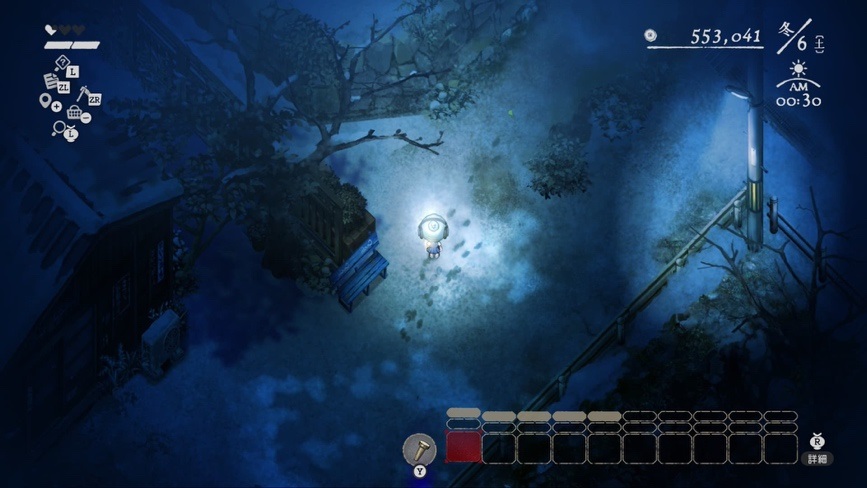
The late-night exploration sections feel quite similar to Yomawari, in a sense, and we created them in a way that fans of the series will find familiar. However, one significant difference is that each night, different spirits appear in the village. So, even if it’s the same map, completely different spirits will appear depending on the day. That’s a feature unique to Village in the Shade.
Mizokami:
We were really conscious of creating a sense of contrast throughout the game. The game consists of farming simulation segments and Yomawari-like exploration segments. So, while the player is enjoying the cozy slow-life in the village, events that remind them that “this is not just a farming simulator, this is Village in the Shade” will be popping up unexpectedly every now and then. I believe what makes this game unique is that we managed to strike a great balance between “tension and relief,” where a tense atmosphere catches you off your guard just when you’ve started relaxing.
– Village in The Shade also offers a Peaceful Life Mode where “scary stuff doesn’t happen.” Were you anticipating that there would be players who would prefer to play this mode without engaging with the horror elements?
Katsumata:
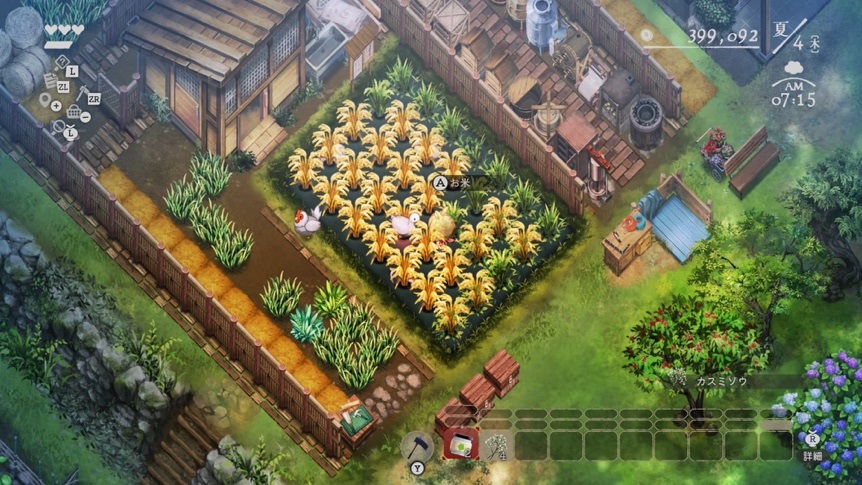
That’s right, the Peaceful Life Mode lets you enjoy the farming simulation segments to your heart’s content, at your own pace. So, this mode is definitely a great option for players who just want to “get immersed in the farming,” or “spend time crafting detailed layouts.”
Mizokami:
Even just the farming simulation bits of Village in The Shade offer a gameplay volume comparable to other titles in the genre. So, even if you play just the Peaceful Life Mode, I think you’ll be able to get at least 100 hours of gameplay from it.
– By the way, a few days ago you posted on your official X account that “no dogs and cats will die in-game,” and the post received a huge response from fans. What was your intention behind posting it in the first place?
Mizokami:
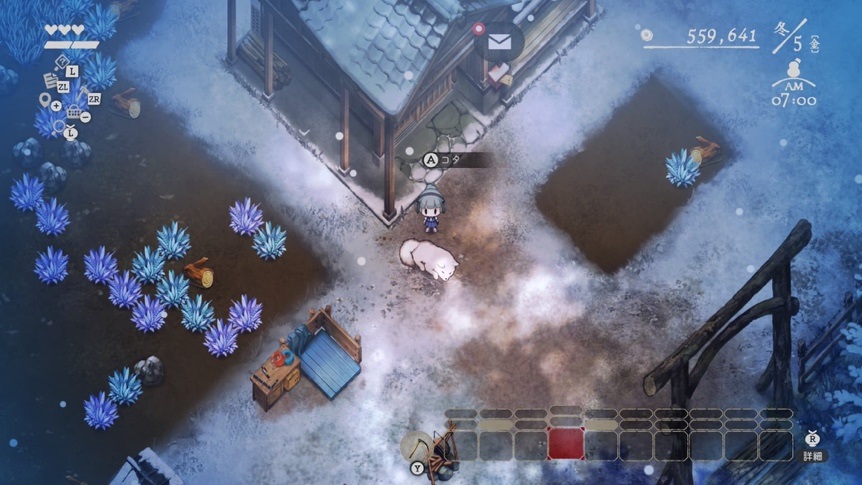
I wondered, “Maybe they’ll be happy to know?” (laughs). I think it’s quite shocking for people who usually play farming simulators to witness their cherished animals disappearing. So, we wanted to make sure they understood that no such things would happen in the game, and that they could play it with peace of mind.
Katsumata:
That’s right. Our previous games featured many tragic twists, so we wanted to let players know that with Village in the Shade, it would be different. So even those who enjoy life simulators will be able to have fun playing it and forming bonds with their animals. We were also hoping that it would hype up the Yomawari fans (laughs).
Mizokami:
We just can’t resist these kinds of antics (laughs). It’s a bit of playful mischief, to put it that way, but it’s also something we can only do precisely because we’ve earned the trust of Yomawari series fans. We’re not lying at all, so we would like everyone to play the game and see the truth for themselves.
– What kind of rural life do you want the users to experience playing Village in the Shade.
Mizokami:
The concept is pretty much: “Let’s live in an insular village!” Or rather, the game is themed around spending your days in a slightly unsettling rural village. Farming simulators are strongly associated with being super-focused on farm management elements, so in that sense, Village in the Shade could be simply called a “living” simulator. It lets you enjoy the village lifestyle and customs, or other activities typical for the countryside, like hunting. We really want players to experience the “slightly strange” rural life unique to the world of Village in the Shade, so please look forward to its release!
Katsumata:
I often play farming simulations, and I’m the type who gets really deep into farm layouts and efficiency. So, after actually playing Village in the Shade for several hours, I felt like it was really high in quality and an overall satisfactory experience in those aspects as well. It’s great that there’s a wide range of ways to enjoy it, and that everyone can tackle it in their own playstyle.
Furthermore, since the “slightly strange” rural life serves as the foundation of the story, weird topics pop up from time to time. You can focus and grind in any other farming simulator, but what makes this game so fun is that it allows you to do it in an extremely unique atmosphere.
Also, one of the biggest appeal points of Village in the Shade, aside from its setting, is the fact that you can experience a life simulator in the beautiful 2D graphic style of the Yomawari series. So, I really want the players who said they liked the Yomawari art style but couldn’t play it because it’s horror to get their hands on this game.
– Thank you for your time!
The global version of Village in the Shade is set to release in fall 2026 for PC (Steam), PS5 and Nintendo Switch systems. The PC version will support English, French, Spanish, Japanese, Traditional Chinese and Korean, while the console versions will support English, French and Spanish.


Nice to see a difference to the now copy and paste farming simulators, i will definitely be getting this day 1 👍