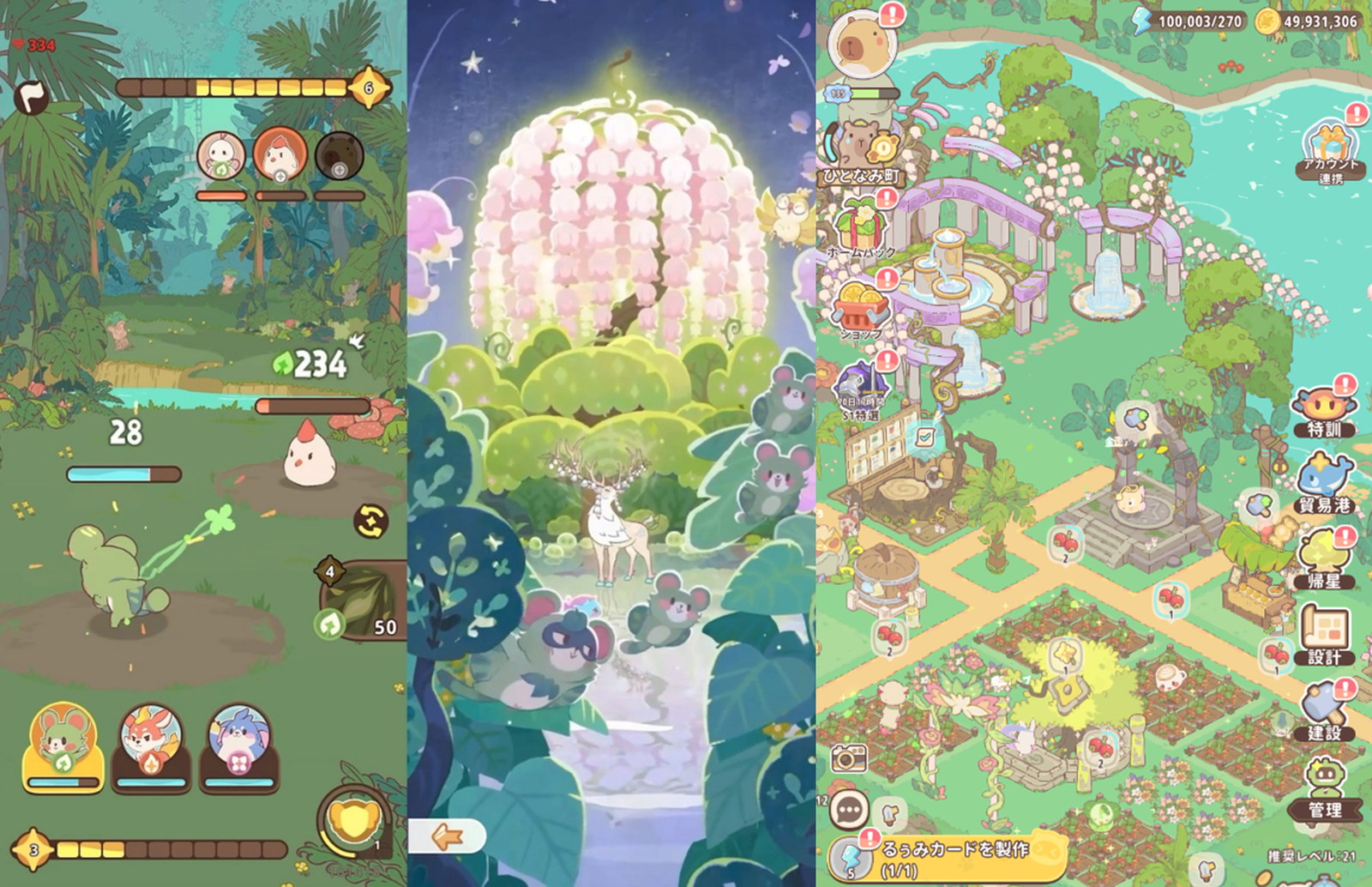
bilibili plans to release the monster-catching and training RPG Lumi Master for iOS and Android. Set in a world depicted with soft, hand-drawn-style visuals, the game allows players to collect, train, and adventure alongside monsters known as “Lumi.”
As players advance through their adventure by tapping the screen, various random events can occur, including capturing Lumi, engaging in battles, and gathering resources. Players can train the Lumi they capture, while also enjoying a variety of features such as card battles, PvP, ranked competitions, and home building. Although the game features an adorable art style, it promises a diverse experience centered around collecting, training, battling, and social interaction.
So how can a smartphone RPG about collecting cute monsters deliver an experience that is “simple yet meaningful”? In Lumi Master, nearly all core actions can be completed within two steps, while systems for training, battling, and customizing a home are included to help players make their collected Lumi shine. The developers have also continued refining the game based on feedback from testing, addressing concerns such as player fatigue and the challenges of creating a title that remains enjoyable over the long term.
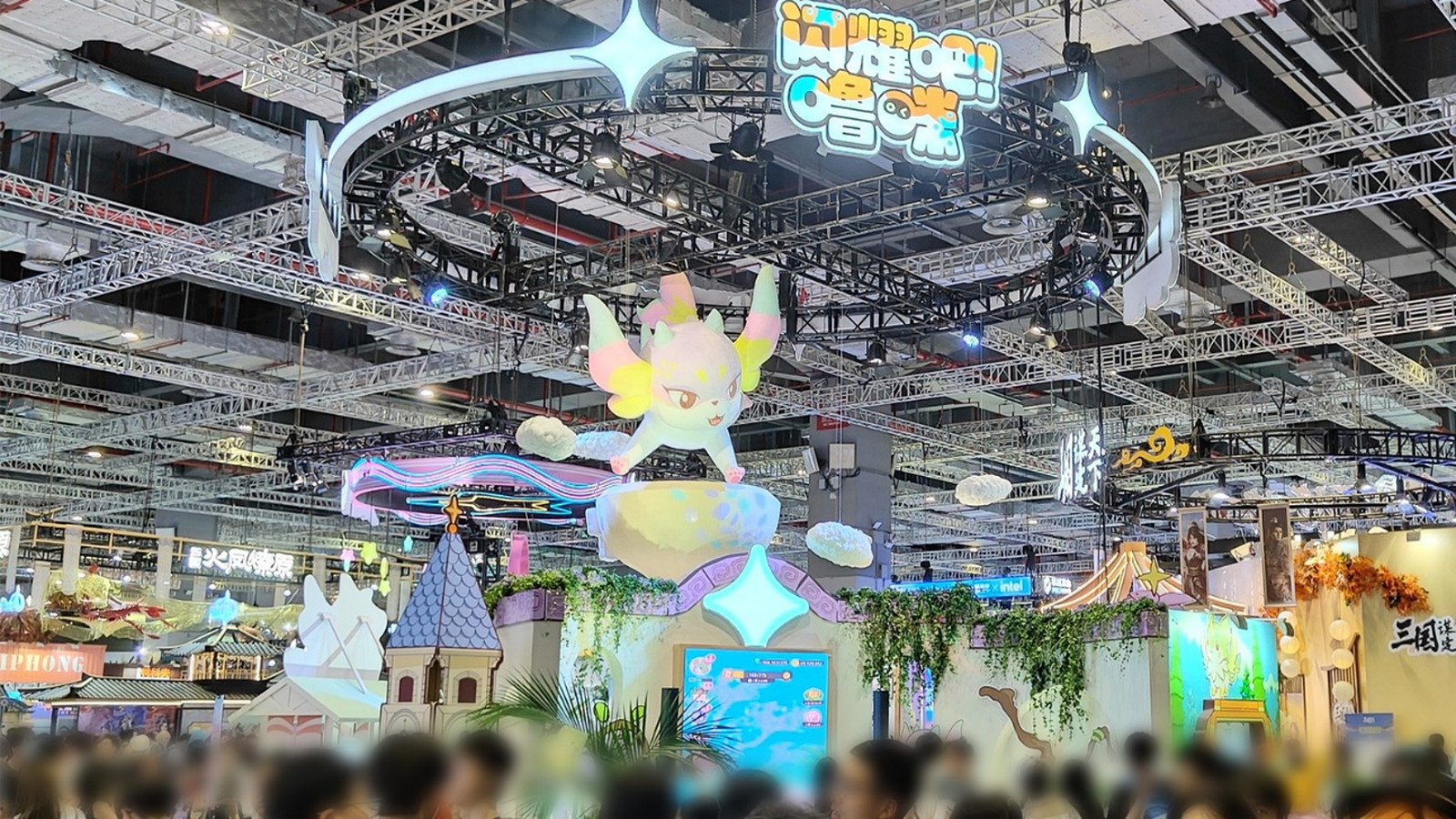
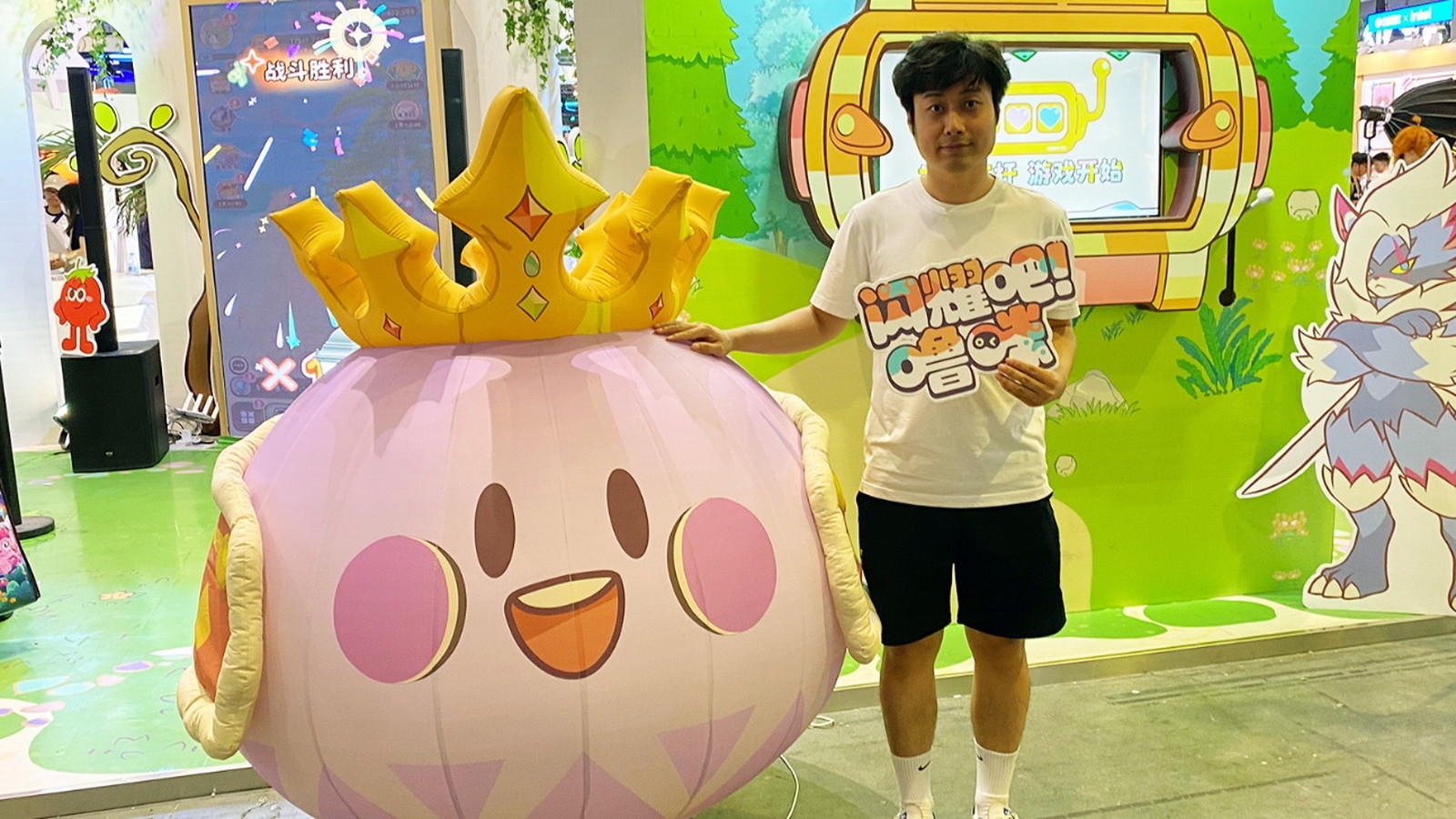
As part of our coverage of Bilibili World 2026, we spoke with Lumi Master producer Han. We explored what the game’s approach to “time-efficient monster collecting” means, discussing its development origins, design philosophy, and the mechanics that allow players to continue using and enjoying their “favorite Lumi” for the long term.
—To start, could you introduce yourself to our readers?
Han:
Hello everyone. I’m Han, the producer of Lumi Master. Over the past 11 years, I have mainly worked on developing casual games for players around the world. I’m also a passionate fan of monster-collecting games myself, having enjoyed them extensively as a player. I genuinely love the excitement and satisfaction that come from collecting, raising, and battling with monsters.
—How did the idea for Lumi Master come about?
Han:
The foundation of this project was our desire to provide players with a more accessible monster-collecting experience. Monster-collecting games are built around four core elements: “collecting, raising, battling, and trading.” We wanted to create a title that would allow players to enjoy these experiences more easily, and that vision became the starting point for Lumi Master. The project began in November 2024.
Since then, we have conducted multiple rounds of user testing, and the latest test received a great deal of positive feedback from players. These responses have given us confidence in the direction of the project, and we are continuing to dedicate ourselves to development so that we can bring the game to players as soon as possible.
—Monster-collecting and training games have been a beloved genre for many years. However, they are also a genre where new titles are often compared to established works. With Lumi Master, what new experiences or elements of fun did you hope to bring to the traditional monster-collecting and training formula?
Han:
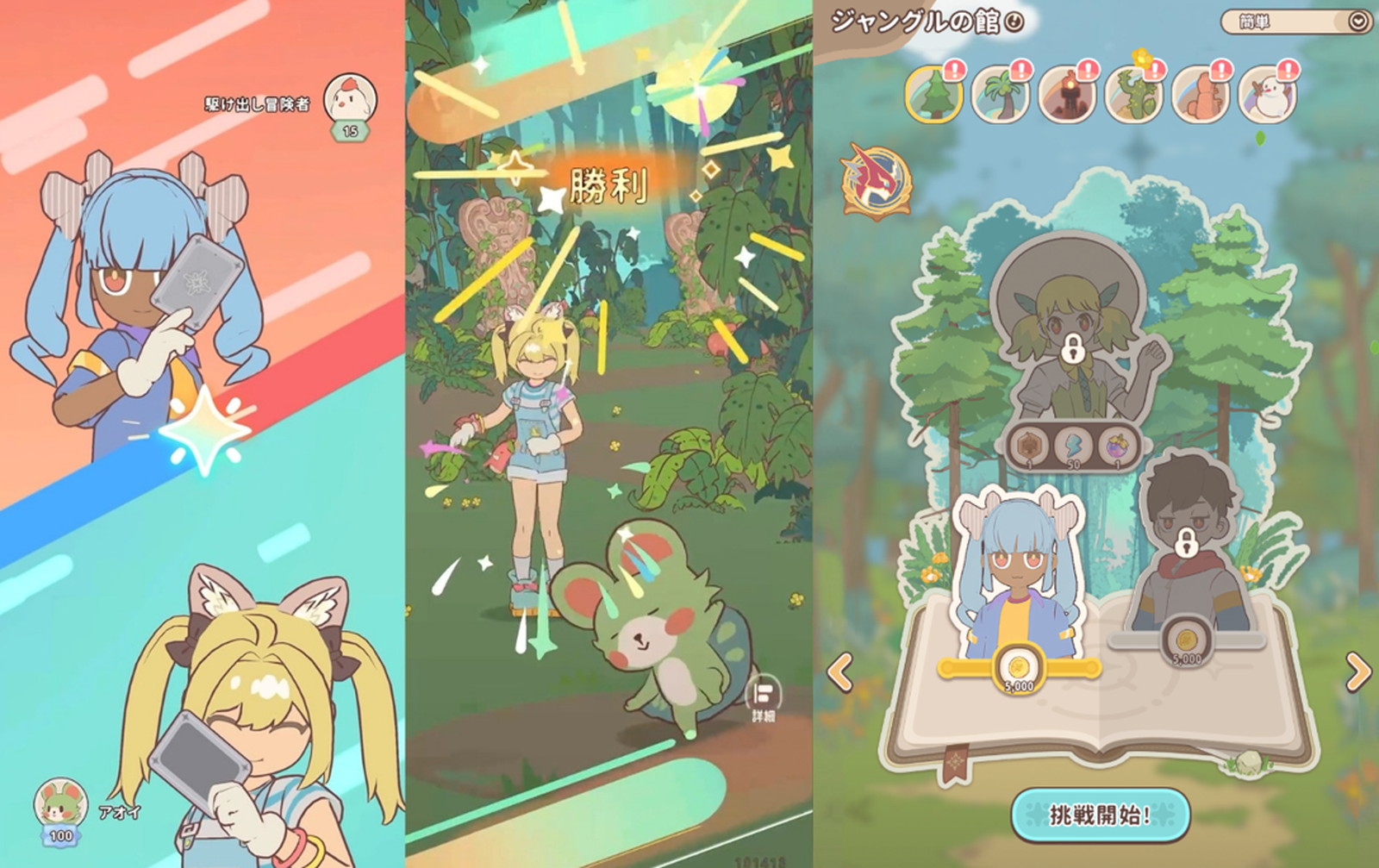
The key feature that sets Lumi Master apart from existing titles is its streamlined gameplay, where “nearly all major actions can be completed within two steps.” The game uses a system where players progress along a fixed route in a vertical-screen format. By tapping the screen to advance while consuming stamina, players will encounter various random events, including discovering Lumi, engaging in battles, and gathering resources. Capturing Lumi is equally straightforward — when players encounter one, they simply select the appropriate card and throw it to attempt a capture.
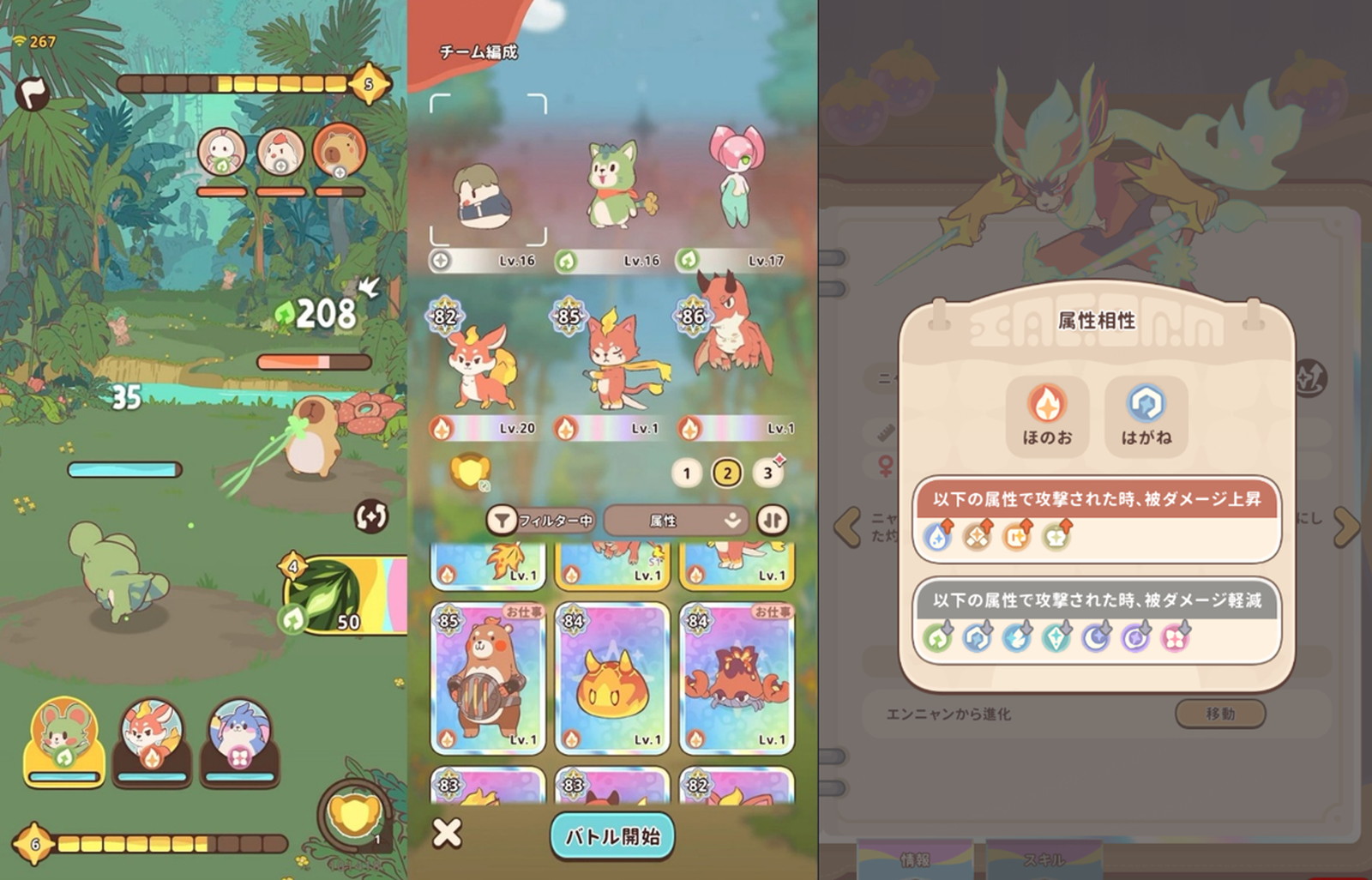
As developers, we also wanted to provide players with meaningful ways to make use of the Lumi they have befriended. That is why, in addition to the capture system and card battles, we created the home system as one of the game’s core features. Within the home, players can build their own base and passively obtain large amounts of resources needed for training. By assigning their Lumi to work before logging out, players can return later to collect resources that will support their future battles and adventures.
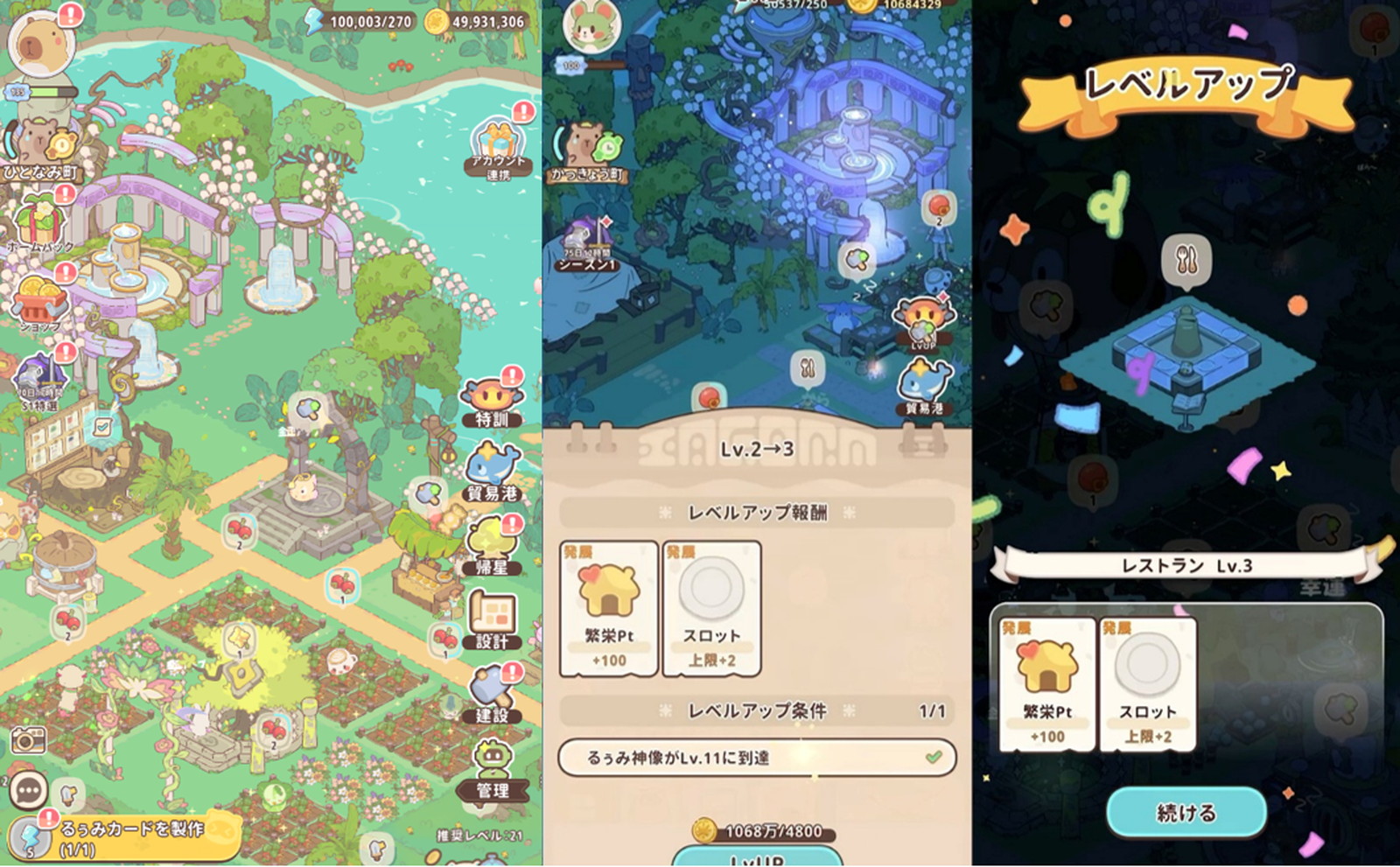
At the core of our design philosophy is the idea of removing as many barriers to play as possible while preserving the essential enjoyment of monster-collecting games. We wanted to create a balanced experience that anyone can jump into right away and enjoy without unnecessary effort or pressure.
Our motto is “time-efficient fun.” This means allowing players to experience the greatest amount of enjoyment while keeping the energy and effort required from them as low as possible. For instance, in open-world games, players get excited when they discover points of interest such as treasure chests, resource nodes, bosses, or rare monsters. In Lumi Master, we have transformed these exciting discoveries into individual random events. With just a single tap, players can quickly encounter these moments and enjoy the most rewarding parts of the game at a satisfying pace. In many ways, the experience can be described as a “high-tempo monster-catching roguelike.”
—While Lumi are technically monsters, they also have the feeling of pets or companions. How did the concept and personality of “Lumi” come to life? Are there any key ideas or principles you keep in mind when creating their designs and lore?
Han:
The name “Lumi” comes from the Latin concept of “light” and “brightness.” We hope that Lumi will become warm and comforting companions for players — creatures that bring a sense of relaxation and joy. We also wanted players to feel the thrill of discovering a “rainbow Lumi” during their adventures, creating the same excitement as hitting a rare jackpot.
When it came to designing their appearance and the world they inhabit, our greatest priority was simplicity and clarity. We wanted players to be able to instantly connect with a character at first glance, while avoiding overly complicated settings that could create unnecessary stress or barriers.
Our overall design philosophy is to remove as many obstacles to play as possible while preserving the essential appeal of monster-collecting games. We aimed to create an experience that anyone can pick up immediately and enjoy comfortably.
Our motto is “time-efficient fun” — delivering the greatest enjoyment while requiring as little effort from players as possible. For example, in open-world games, players feel a sense of excitement when they discover points of interest such as treasure chests, resource nodes, bosses, or rare monsters. In Lumi Master, we have condensed those moments into individual random events. With a single tap, players can quickly encounter these exciting discoveries and experience the most rewarding parts of the game at a satisfying pace. In other words, it offers an experience similar to a “high-tempo monster-catching roguelike.”
—While Lumi are technically monsters, they also have the qualities of pets or companions. How did the concept and identity of “Lumi” come about? Are there any particular ideas or principles you prioritize when creating their designs and lore?
Han:
The name “Lumi” originates from the Latin words for “light” and “radiance.” Through Lumi, we hope to create warm and comforting companions that bring joy and relaxation to players. We also wanted players to experience a sense of excitement and surprise when encountering a “Rainbow Lumi” during their adventures — similar to the thrill of hitting a rare jackpot.
When it came to designing their appearances and the world they inhabit, our highest priority was simplicity and clarity. We wanted players to instantly connect with a character the moment they saw them, while avoiding overly complex lore or settings that could create unnecessary stress or barriers.
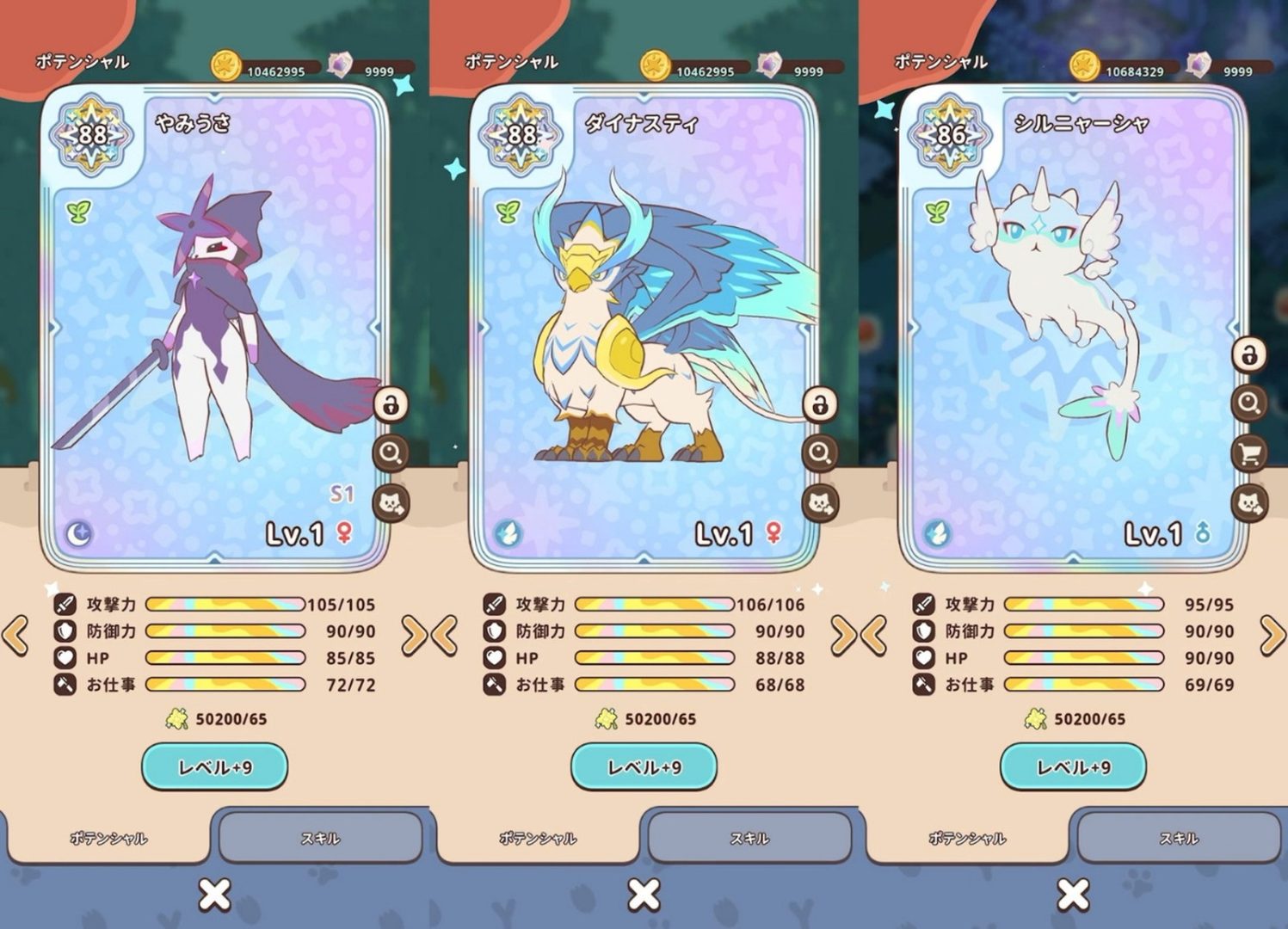
—As players, we would naturally want to find a “favorite Lumi” of our own. Does the game allow players to continue using the Lumi they love visually while also keeping them useful and effective in terms of gameplay performance?
Han:
Absolutely! Lumi Master features a “Special Training System” that allows Lumi whose stats may have fallen behind due to previous versions to be strengthened and brought back up to a competitive level through training. This system ensures that every player can continue using their own “favorite Lumi” and keep them performing at the forefront of gameplay.
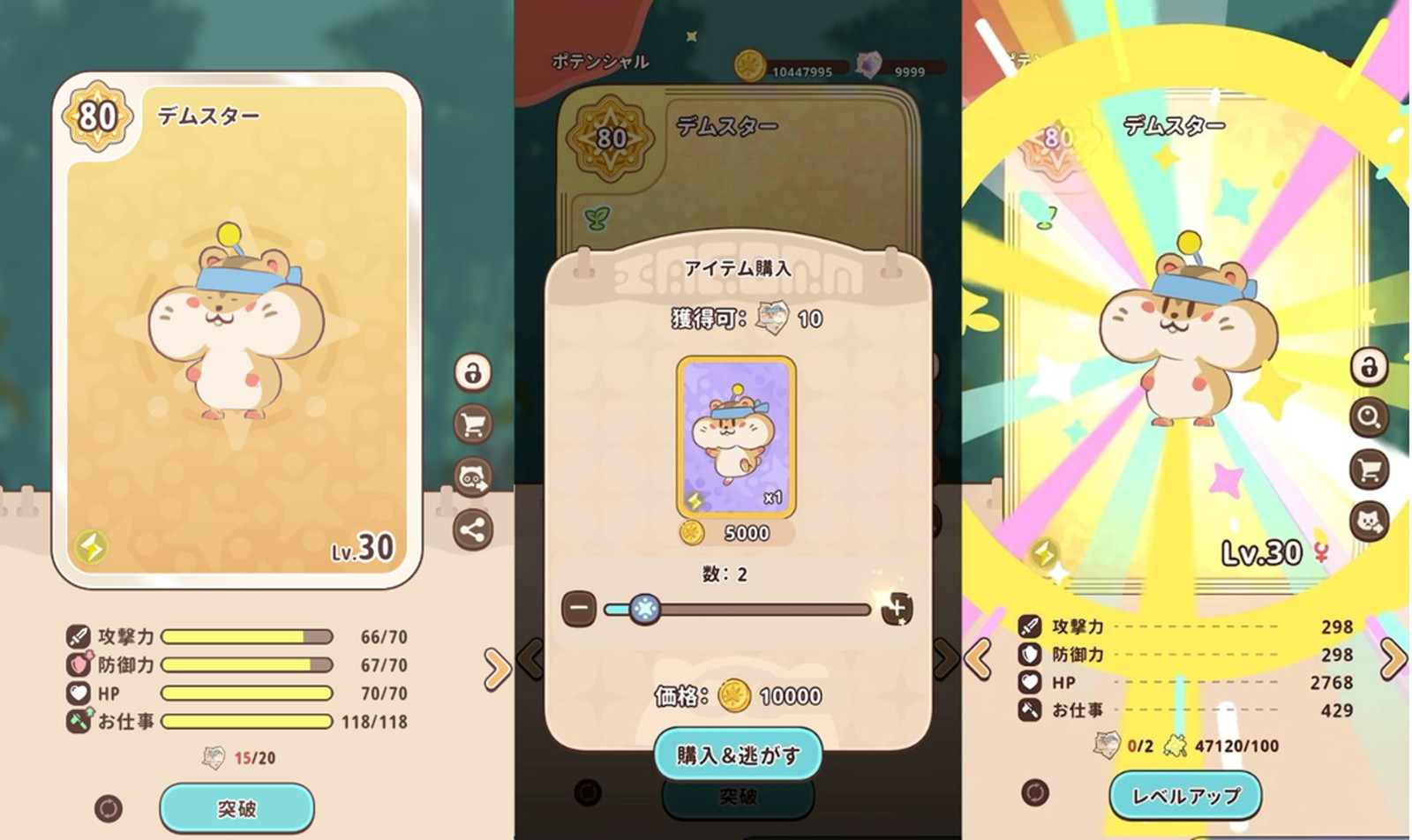
—The inclusion of PvP and ranked matches in a game with such a cute and charming atmosphere is an interesting combination. Was this something you had envisioned from the beginning of development? Furthermore, how do you plan to accommodate both players who prefer a casual experience and those who want to fully enjoy competitive battles?
Han:
We decided to include PvP and ranked matches from the very beginning of development, as competitive play is one of the most highly requested features among fans of monster-collecting games. However, we also wanted to ensure that these systems would not become a burden for players who prefer a more casual experience. For this reason, we do not require players to participate in battles through systems such as daily missions.
Instead, we have structured the game’s main rewards like a “mine” that is always available. Whether players choose to battle or not, the rewards remain there — they neither diminish nor increase. Casual players can simply visit the mine whenever they wish, while competitive players can dedicate themselves to PvP and strive for higher rankings and greater recognition.
—After the “Shining Start Test ” concluded, you announced several changes, including a significant increase in stamina recovery amounts and a simplified collection reward system. Through the testing process, what were the biggest insights you gained regarding how players interacted with the game and the issues they encountered?
Han:
The biggest areas we identified were player workload, monetization, and maintaining long-term engagement.
For player workload, we shortened many reward animations and content sequences considerably. We also added a 2x speed feature to Adventure Mode, making the overall experience feel faster and more satisfying. These adjustments were made to better reflect our original vision of delivering “time-efficient fun.”
For monetization, we refined the pricing structure while focusing on providing greater value to players. To increase the sense of attachment and value for each individual Lumi, we introduced additional elements that make each one feel unique, including Shiny visual variations, personality traits, badges, friendship levels, home interactions, and individual differences in height and weight. We also reduced stamina costs and introduced a seasonal map system that lowers the chance of encountering duplicate Lumi of the same color, making it easier for players to complete their collection.
Finally, to prevent the experience from becoming repetitive over time, we created rotating weekly events such as pinball, cake making, mealtime activities, and hunting battles. We are also developing guild events and new content, with plans to introduce a wide range of seasonal and collaboration events in the future.
—In smartphone training games, accessibility and avoiding excessive player burden are important factors. With features such as training, collecting, PvP, ranked matches, guilds, a marketplace, and home customization, Lumi Master offers a wide variety of systems. How have you approached balancing this amount of content while ensuring the overall game remains approachable and easy to understand?
Han:
Balancing a rich variety of content with simplicity is something we are constantly refining. Whenever we consider adding a new mode or feature, we carefully discuss and test whether it is truly something players want and need. We also place a strong emphasis on maintaining a clean UI design, prioritizing both efficient information presentation and ease of use. From a system design perspective, similar to the “mine” system mentioned earlier, we aim to avoid forcing players into specific activities and instead allow them to return and enjoy the game whenever they choose.
We have also designed the game so that players can obtain the major rewards even if they choose to focus solely on either solo or multiplayer content. For example, rewards from two-player battles and single-player battles are shared, as are tier rewards from tournaments and ranked ladders. While players may enjoy the game through different paths, they ultimately arrive at the same destinations, helping ensure that the overall experience does not become unnecessarily complicated.
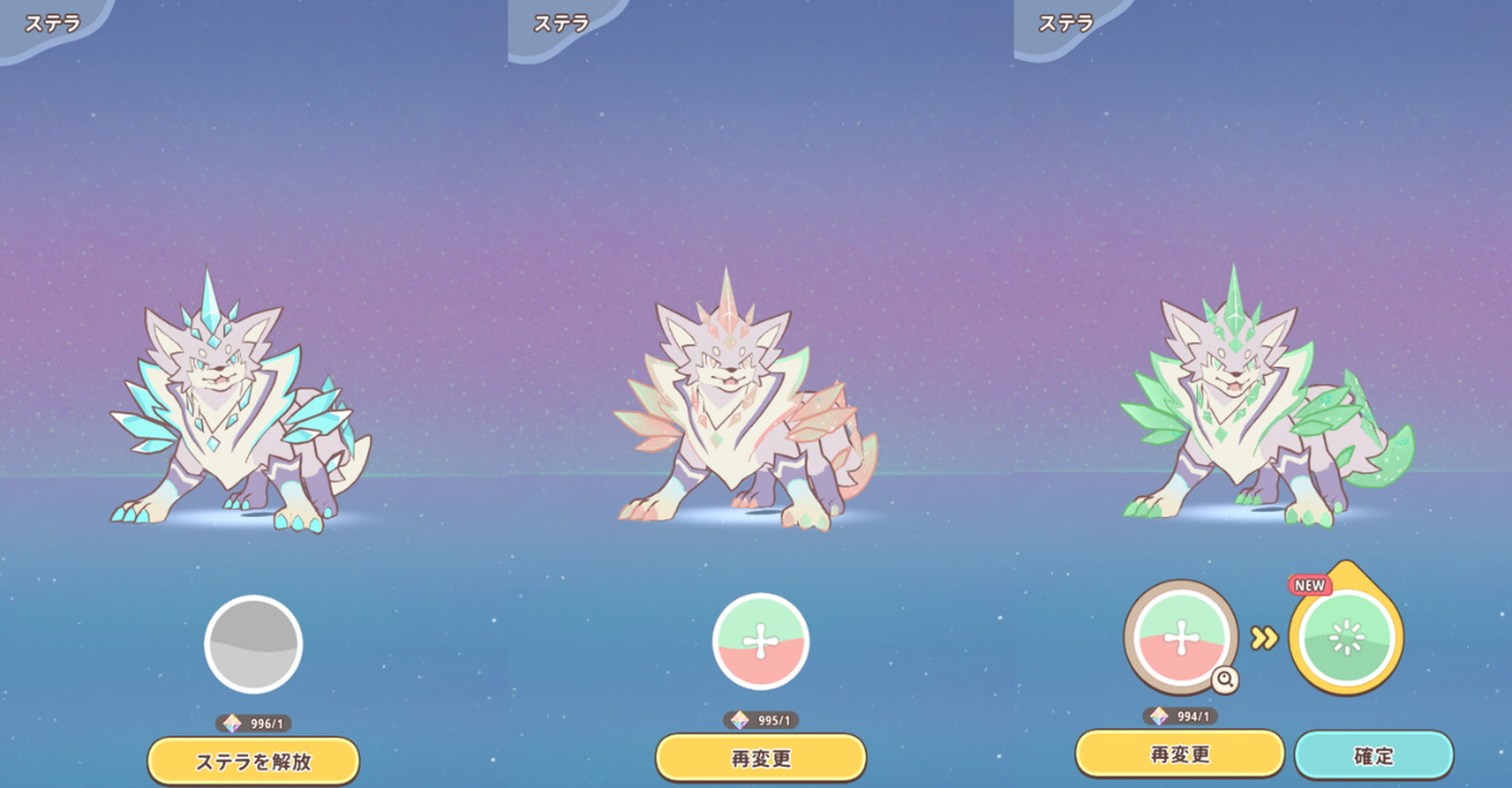
—New features such as the “Starcolor System,” which allows players to capture uniquely designed “Stella Lumi,” have been announced, along with updates to the Lumi friendship system and card presentation effects. Beyond collecting and raising them, what do you consider most important in helping players form an emotional connection with Lumi as companions that journey alongside them?
Han:
The Lumi themselves are the core purpose of this game. We have invested the largest portion of our development resources into making Lumi as appealing and memorable as possible. Our greatest hope is that every player will discover their own “one true favorite Lumi” and form a special bond with them throughout their journey.
—The new social area, “Explorer’s Plaza,” is planned to include features such as costume showcases, rare Lumi displays, friend interactions, and paired actions. What kind of environment do you hope to create where players can connect and interact with each other?
Han:
We hope to create a vibrant, welcoming, and fun space where players can connect with one another. In Explorer Plaza, players will be able to walk through the town hand-in-hand with other players, follow along with friends, and enjoy dancing together as a group. Our goal is to create a relaxed and enjoyable social space where players can interact naturally.
—Could you also tell us about your plans for the future?
Han:
Our goal is to have as many players as possible experience Lumi Master and continue enjoying it for years to come. Moving forward, we plan to release major updates every two months, along with seasonal collaborations featuring different IPs. In fact, five collaborations are already currently in development, so we hope players will look forward to what’s coming next!
—Finally, could you share a message for players in Japan?
Han:
“Collect effortlessly, raise joyfully.” We sincerely hope that players in Japan will come to explore the continent of Lumia and enjoy meeting the diverse and charming lumi that await them.
Lumi Master is planned for release on iOS and Android in 2026. Pre-registration is currently open, so interested players are encouraged to sign up.