Uta Macross offline revival crowdfunding blows past developers’ most optimistic expectations. We ask project lead Kei Hirono what the funding will make possible
Interview with AUGUST representative Kei Hirono on the Uta Macross revival project and its crowdfunding campaign.

The crowdfunding campaign for Uta Macross officially started on September 10, achieving its 30-million-yen goal within only an hour. Over the past month, the project has garnered over 150 million yen in support (roughly $948 thousand USD).
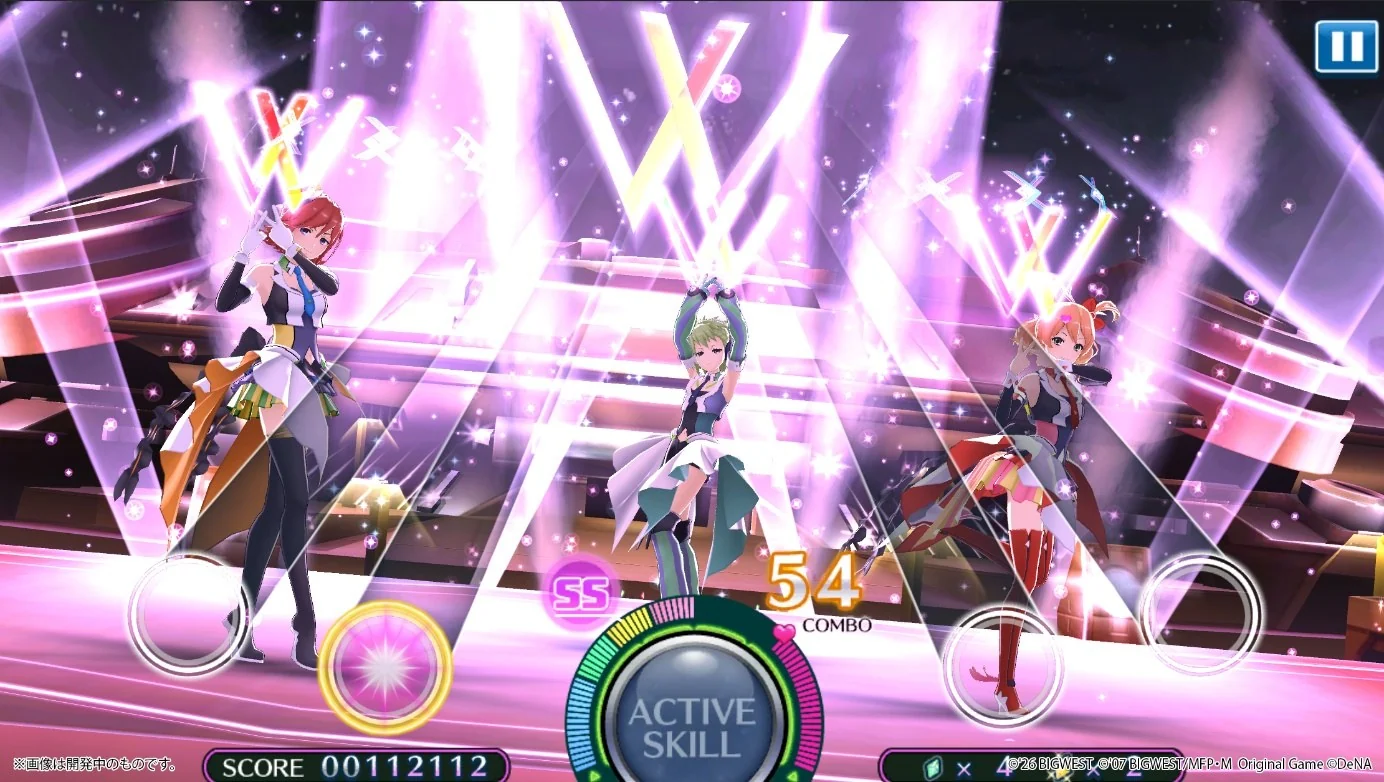
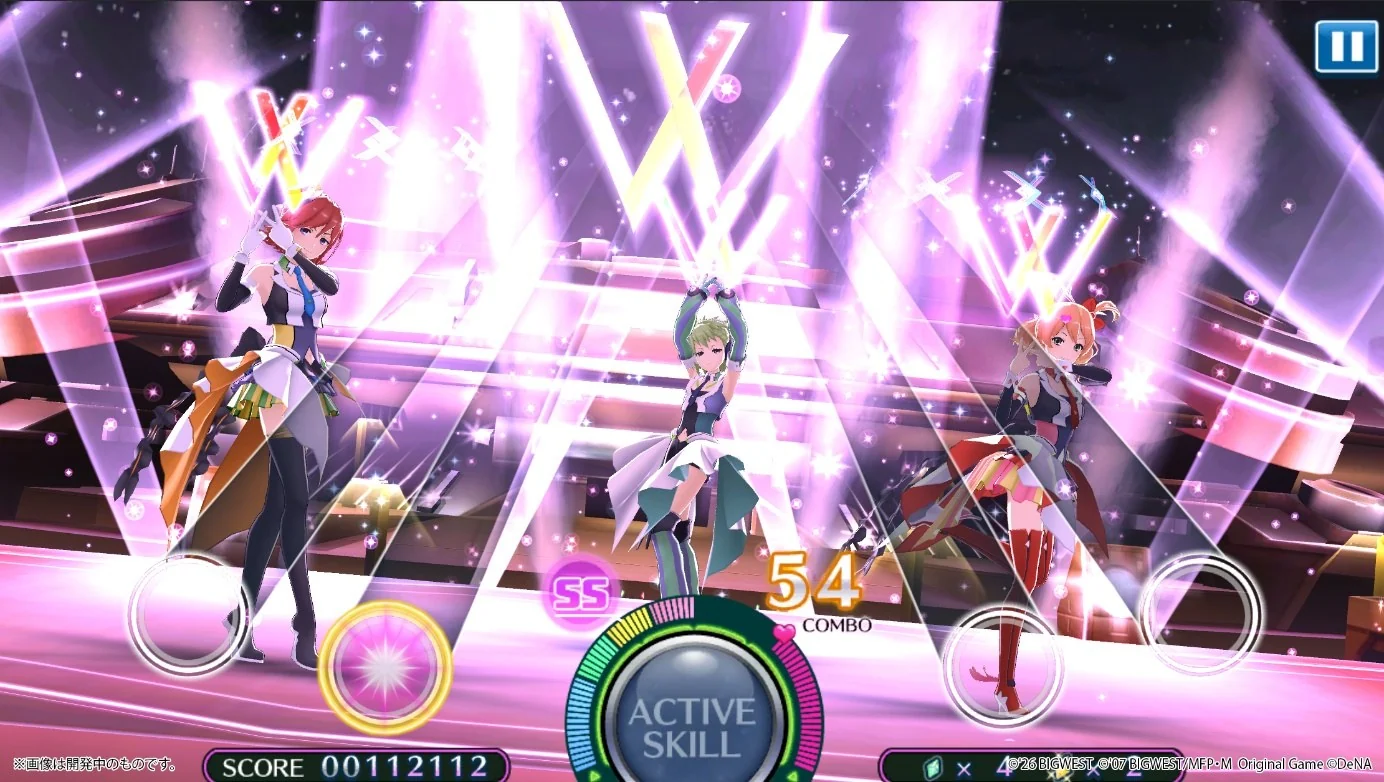
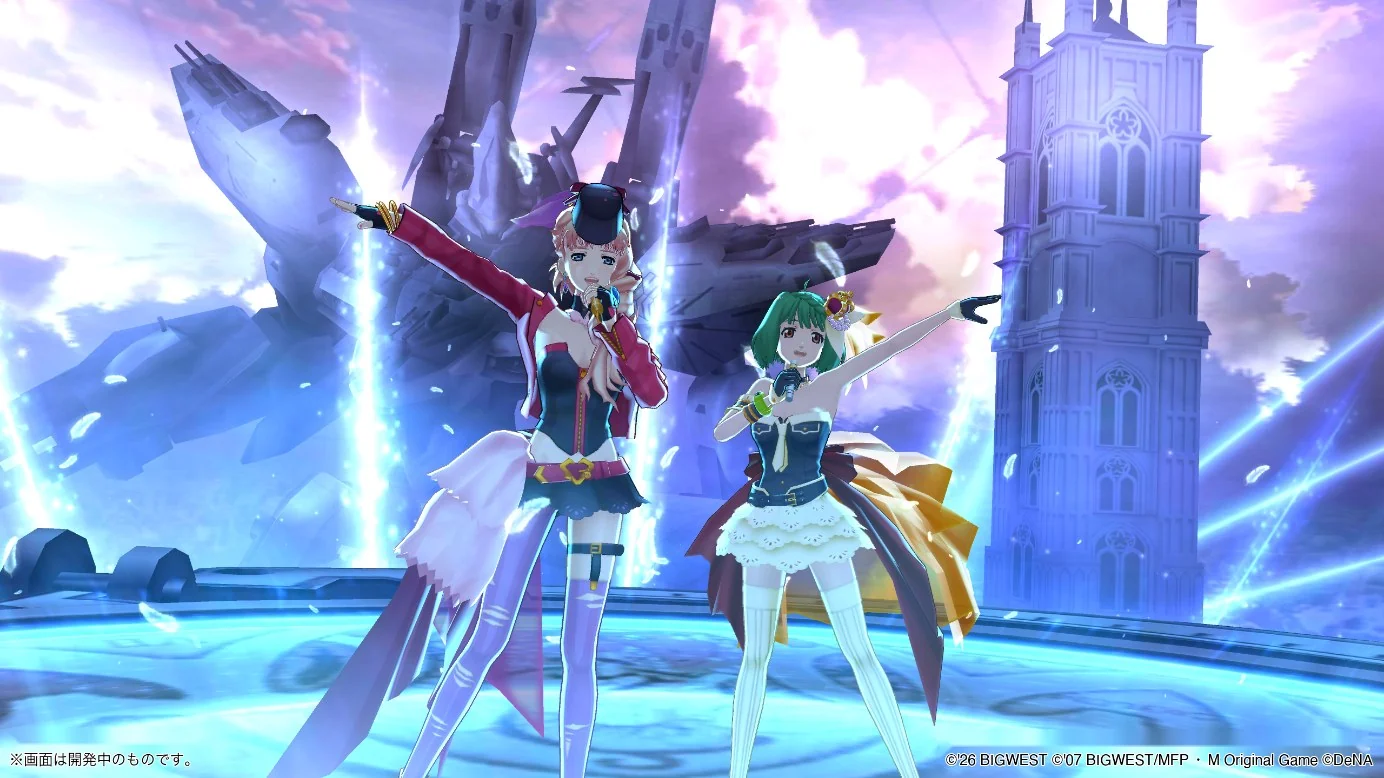
Uta Macross is a revival of Uta Macross: Smartphone De-Culture, a mobile game run by DeNA between 2017 and 2022. The new project aims to bring the original live-service title back as an offline, one-time-purchase game. It retains the original title’s elaborate live performances and high-quality 3D models while doing away with mechanics related to microtransactions, like stamina and gacha. The game systems are also being rebuilt, with the UI and controls optimized for mouse and keyboard play.
The base game is planned to include 50 songs, focusing on the series’ most popular tracks. Players will also start with more than 1,000 Plates (collectible equipment cards) rated four stars or higher, along with at least 20 outfits for each character. The developers also plan to release future DLC that will include additional songs, Plates, and costumes not included in the base game.
AUTOMATON recently interviewed Kei Hirono, president of AUGUST and representative of the Uta Macross revival project. We discussed the global response to the announcement, the campaign’s stretch goals, and the latest developments regarding the game’s localization. This is a follow-up to our previous interview with Hirono, where we learned more about his career and how the Uta Macross revival project came to be in the first place.
The announcement was met with enthusiasm from Macross fans around the world
—How did you feel about the response to the announcement of Uta Macross and its crowdfunding campaign?
Kei Hirono (hereafter, Hirono):
When we announced the revival project on Macross ga Tomaranai (Macross Won’t Stop), the bi-weekly livestream that shares the latest Macross news, we received a tremendous response both on X and from commenters on the broadcast. Then, as soon as the crowdfunding campaign launched, we started receiving a huge amount of support. I was surprised and overjoyed all at once, and I felt incredibly grateful. It also made me realize just how many people had been looking forward to this. We received many comments from fans saying how happy they were to see a title that had been discontinued finally make a comeback.
We also received comments from fans overseas, not just Japan. The announcement made it clear to us that the Uta Macross revival project was drawing attention and bringing joy to fans all around the world.
In addition to the strength of the Macross IP, I believe this project gained so much momentum because people who played Uta Macross Smartphone De Culture back in the day continue to love the game even now. I also think the positive response was helped by the fact that we were able to deliver something we had spent a long time preparing at just the right moment.
—You reached your initial 30-million-yen goal in about an hour. What was that like?
Hirono:
We had prepared several stretch goals for the campaign, but the pledges came in much faster than we had anticipated. We were scrambling and going “What do we do?! What do we do?!” (laughs). That said, 100 million yen was also a figure we wanted to aim for, and we had considered it one of our major milestones. But since we managed to hit that figure in just about three days, things were really hectic.
What will the project’s stretch goals make possible?
—Could you walk us through each stretch goal?
Hirono:
The initial goal was 30 million yen, which would guarantee the release of Uta Macross on PC (Steam), iOS, and Android. The next milestone was 75 million yen, at which point we would begin development of a console version. We plan to release the console version after the PC (Steam), iOS, and Android versions have been released.
The next stretch goal was 90 million. One of the campaign rewards is a digital ticket that lets backers watch the “Uta Macross Super Dimension 3D miniLIVE” ahead of the game’s completion. This is a special video featuring gameplay footage and live performance scenes carefully selected and edited by the development team. At this milestone, we plan to upgrade the video by increasing the number of songs included.
The next major milestone was 100 million. At that point, we would add songs that were not included in the original Uta Macross Smartphone De Culture. These will be sold separately as DLC. Those were the features we had originally planned to deliver upon reaching the 100-million-yen mark.
After reaching that milestone, we set two additional goals. First, at 135 million, we would substantially increase the page count of the physical edition of the Uta Macross Special Super Dimension Art Book, one of the campaign rewards. We had originally announced that it would contain around 300 pages, but honestly, we’d wanted to find a way to make it even bigger from the beginning. There are well over 2,000 illustrations in total, so our initial plan was to carefully select some of them and reproduce them at a big size. However, given the tremendous support we have received, we decided to aim for an expanded art book that includes every illustration.
The 150 million stretch goal will expand the number of supported platforms for the console release. We will announce the specific platforms at a later date. (Note: The campaign reached 150 million yen as of October 20.)
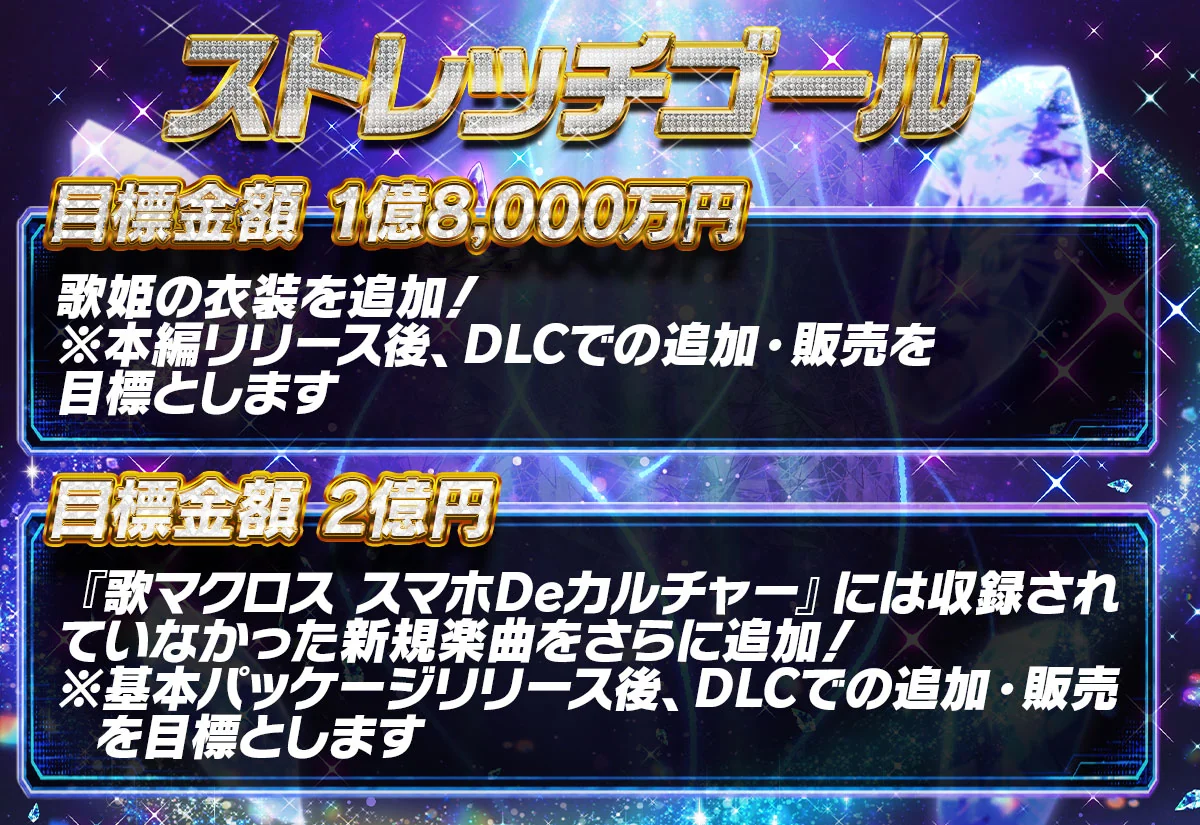
We have also announced further stretch goals beyond that. At 180 million yen, we aim to add more outfits for the songstresses, which will be released as DLC after the base game launches.
At 200 million, we aim to add even more new songs that were not included in the original Uta Macross Smartphone De Culture. These, too, are planned for release as post-launch DLC.
The most popular reward tier is the 27,000-yen (~$170 USD) package
—At the time of writing, the 27,000-yen “E” tier appears to be the most popular reward option in the campaign. Why do you think that is?
Hirono:
We received a lot of comments from supporters saying they wanted the Special Super Dimension Art Book, which is included in tiers D and above. We had anticipated beforehand that many supporters would be interested in the art book. However, we thought that if people primarily wanted the art book, the 18,000-yen D tier would attract more supporters.
Looking at the two tiers again, the 27,000 E tier includes a Deluxe Package that lets players experience everything Uta Macross has to offer. I suspect that many backers want to spend plenty of time playing the game and experiencing an extensive selection of songs.
—The Special Super Dimension Art Book seems like a major undertaking, especially given that one of the stretch goals involves substantially increasing its page count.
Hirono:
Producing the Special Super Dimension Art Book is taking a great deal of time and effort, particularly because we want to include such a vast number of illustrations. I hope we can increase the page count significantly, too.
The cost of producing a single book is completely different from the cost of producing 1,000 copies. Printing in color also costs more than printing in black and white. And the more copies you produce at once, the lower the unit cost becomes. That made setting the reward tier prices extremely difficult, since we had no way of knowing how many people would support the campaign.
We also recognized that the original page count might not be enough to include every illustration, so we spent quite a bit of time struggling with how to organize the book.
In the end, we received a tremendous amount of support, so we established the art book “expansion” as a new stretch goal to give something back to our supporters.
When we first announced the Uta Macross revival project, there was a lot we simply couldn’t predict about how things would turn out. To see the campaign achieve such a happy outcome, and to see the enthusiasm exceed even our most optimistic expectations, is incredibly gratifying. We’re really grateful.
—Would you say crowdfunding has also improved the project’s long-term viability and stability?
Hirono:
Absolutely! We intend to enrich the game as much as we can, even in areas that aren’t explicitly listed as stretch goals. That said, just because we’ve received a large amount of support doesn’t mean we should keep adding features or relentlessly polishing things to the point that the release date gets pushed back. Our priority is to maximize quality without delaying the launch. Above all, I believe the most important thing is to get the game into players’ hands.
—Why is sticking to the release schedule such a high priority for you?
Hirono:
Next year marks the 45th anniversary of the Macross franchise, so I don’t think it would be good to miss such an important milestone. We’ve also been able to set the release timing to coincide with what we believe is the right moment. Various Macross-related projects are currently underway, and we don’t want to change our release schedule solely for our own convenience, either.
Completing the game is already a given for us
—There have been cases in recent years where crowdfunding projects have fallen through partway through development. Is there anything you can tell supporters to reassure them about that risk?
Hirono:
This project isn’t being developed on the assumption that we’ll rely solely on crowdfunding to finance it. We drew up a budget and moved forward with the project on the premise that we would see it through to completion regardless, so please rest assured. We’ll use the funding we’ve received to improve the game’s quality and expand its content, ensuring that we can give something meaningful back to our supporters.
For example, expanding the number of supported platforms for the console release was something we hadn’t originally planned. We added that as a new stretch goal, and, along with other additions, we’ll use the funds we’ve raised to deliver these “extras” on top of what we had already committed to making.
We also took great care when selecting the platform on which to run the crowdfunding campaign alongside various other considerations.
—The Macross franchise originated in Japan, but it has a devoted fanbase overseas as well. What kind of response have you received internationally?
Hirono:
We haven’t yet been able to investigate exactly how much of a response we’ve received, but from what we can see, Macross fans around the world have been noticing the announcement and responding to it. We’ve also set up reward tiers specifically for overseas supporters, so people outside Japan can contribute to the campaign as well.
These overseas-only tiers come with some restrictions, however. For example, the game itself may only be playable in Japan, and certain physical rewards cannot be shipped to some countries. Even so, overseas fans have gone out of their way to visit the Japanese crowdfunding site and show their support, which we’re truly grateful for.
Simplified and Traditional Chinese localization confirmed
—In our previous interview about Uta Macross, you mentioned that you were considering adding support for additional languages. Has the situation regarding localization changed as a result of the crowdfunding campaign?
Hirono:
This is the first time we’re announcing this, but in addition to Japanese and English, we’ve decided to add support for Simplified and Traditional Chinese. Macross is loved by fans around the world, and we want as many people as possible to experience the game. That said, supporting additional languages involves an ever-expanding amount of work, including translation and proofreading, so we have to be careful about how many languages we can realistically support.
As I mentioned earlier, we don’t want to delay the release date, so we’re aiming to support as many languages as we can while ensuring we can get everything done in time. That said, support for Simplified and Traditional Chinese has been confirmed, so even if we can’t include them in the base game at launch, we plan to add them in a post-launch update.
—What’s the most effective way for users to make their voices heard regarding Uta Macross?
Hirono:
Since the crowdfunding campaign is still ongoing, we’d be most grateful if people could leave comments along with their pledges. We read all the individual messages, too, so I think that’s the best way to reach us. We’d also be happy if people Wishlisted the game on Steam.
—Following the 150 million milestone, you announced additional stretch goals at 180 million and 200 million. What do you have in mind for future development?
Hirono:
We want to add as many things as possible that users are requesting. With the newly announced stretch goals, I think we’ll be able to prepare additions that fans are looking for, such as more outfits for the songstresses and new songs. Both are planned to be added and sold as DLC after the base game’s launch. We want to first deliver the game as scheduled , then expand it with more content for people to enjoy.
We’ve also added new pledge tiers featuring additional rewards. We have plenty of ideas for things we’d like to make, and we’ve now been able to select some of the best ones and announce them as additional rewards. One of the main attractions is a scenario book that aims to compile all character dialogues from the limited-time events that appeared in Uta Macross Smartphone De Culture. We’re planning to publish it as a physical book containing more than 500,000 Japanese characters’ worth of text.
—It’s striking that some of the higher-priced reward tiers have already sold out.
Hirono:
That made us very happy, too. We wanted to make sure supporters fully understood the project’s purpose and what each reward included, and we thought we would be nothing but grateful if they chose to support us after learning about them. With that in mind, setting the contribution amounts was very difficult. It was incredibly gratifying to see even the more expensive tiers reach their limits so quickly. We also received many comments asking us to increase the number of slots available for those tiers.
However, adding more slots after the fact could feel like a betrayal to people who had reluctantly chosen a different tier because their preferred one had already sold out. That makes me think perhaps we should have made more slots available from the beginning.
We’ve also arranged the newly announced additional rewards so that people who have already supported the previously announced tiers can feel satisfied with their contributions as well. To those interested, be sure to check them out.

—Finally, could you share a message for existing backers and anyone considering supporting the campaign?
Hirono:
The crowdfunding campaign will run until 11:59 PM on October 31 (JST). There’s still time left, so receiving support from even more people would be a tremendous help to us. I believe the more support we receive, the better the content we can deliver. We hope that Uta Macross will serve as an opportunity for people to experience the Macross franchise, learn more about it, and come to love it. The Uta Macross revival project is progressing steadily, and we’d be very happy if you continued to support us.
—Thank you for your time.
Uta Macross is scheduled to launch in the Spring of 2027 for PC (Steam), iOS and Android. The crowdfunding campaign will be open until October 31 at 11:59 PM, JST.
[Writer, editor: Misako Murayama]
[Interviewer, editor: Ayuo Kawase]

AUTOMATON WEST
Articles: 212Related Posts