Many giant mech games have you live out your power fantasy by blasting foes without a care in the world. The Last Salvage Squad is no such game, at least not when it comes to resource management. With humanity only barely having created enough weapons to fend off an alien invasion, you must carefully manage your autonomous humanoid mech’s ammo and health to win the fight and take the planet back.
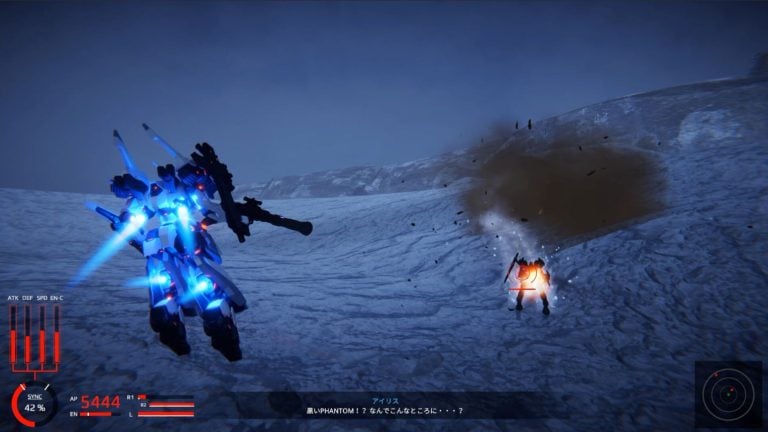
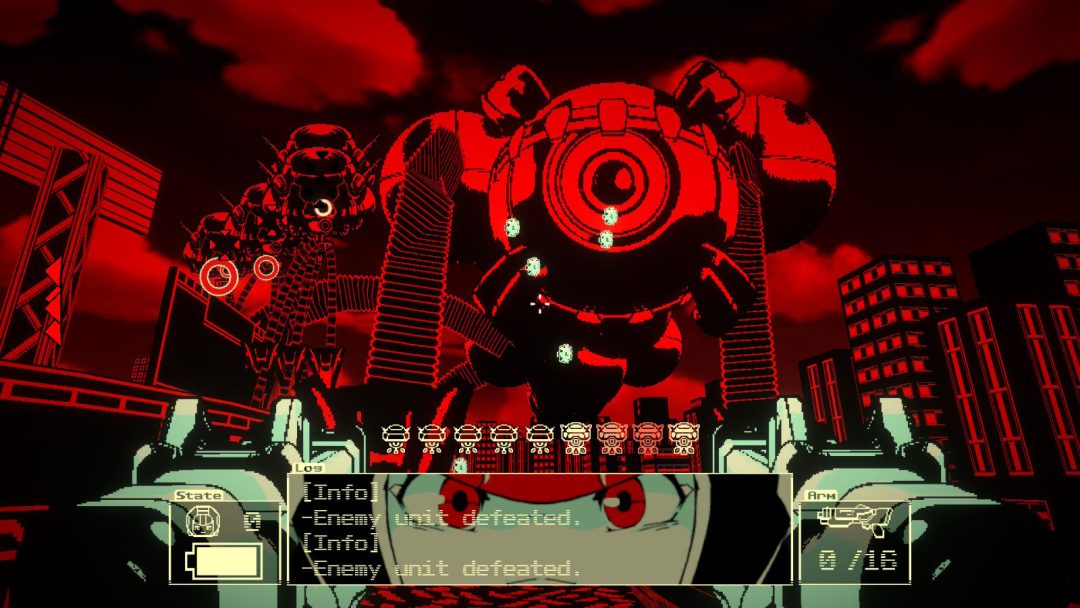
Dubbed a “2.5D FPS,” The Last Salvage Squad puts you in control of 12-meter-tall (roughly 39-foot) mechs called CogrinaUnits. These mechs are the only things that can operate the few massive weapons scattered across the world, making them and the weapons they wield very valuable.
Depending on the stage, you might begin without a weapon and be forced to procure one on-site. While rocket launchers and swords provide a strong offense, you must use the level’s terrain to avoid oncoming fire and gain the advantage.
Should your CogrinaUnit be defeated, a new one will immediately take its place. Given the scarcity of resources within the context of the game’s world, you’ll have to return to your previous body and pick up your gear before you can fight again. As you defeat more aliens, you’ll be able to collect resources that allow you to upgrade your existing equipment.
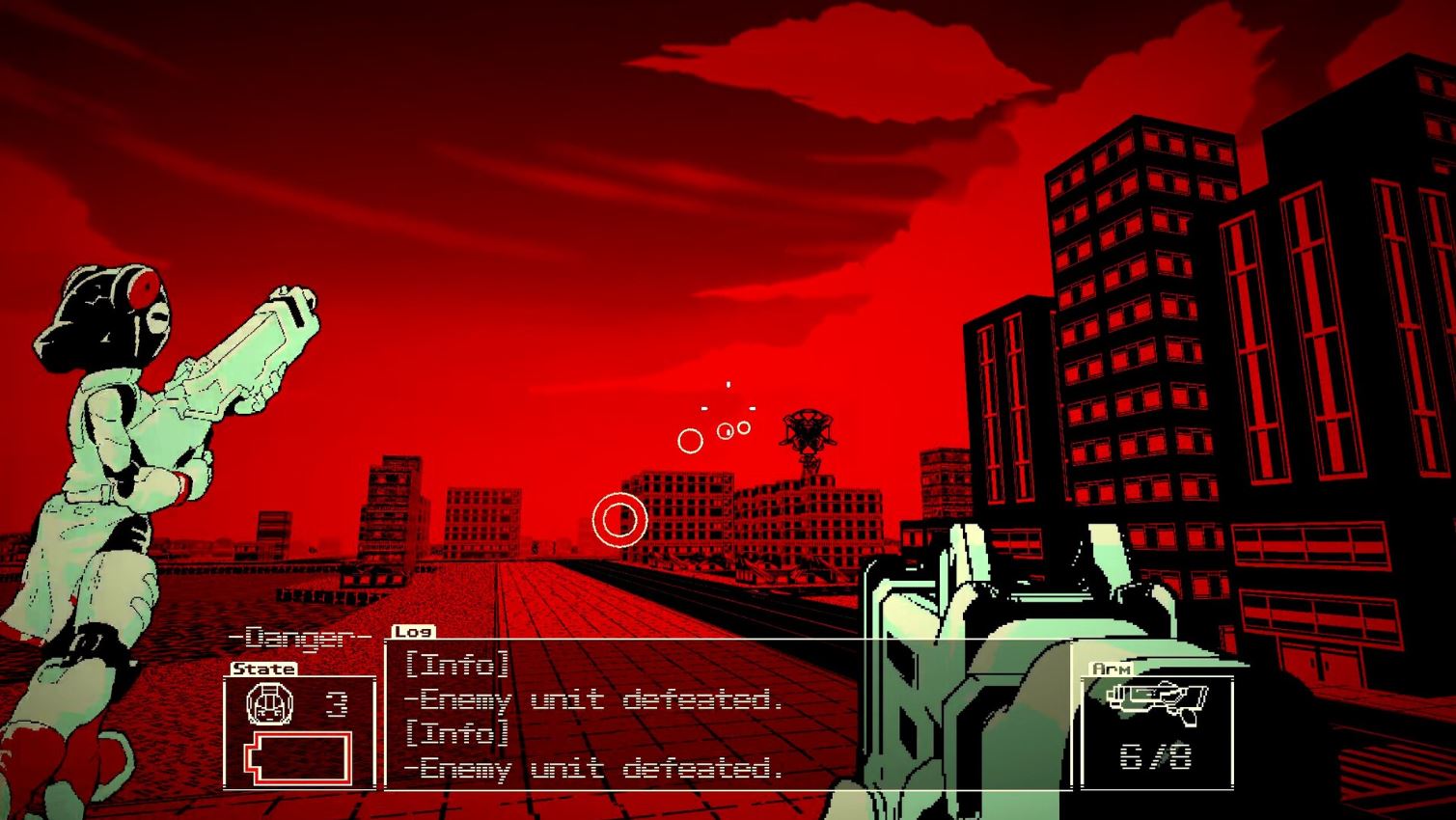
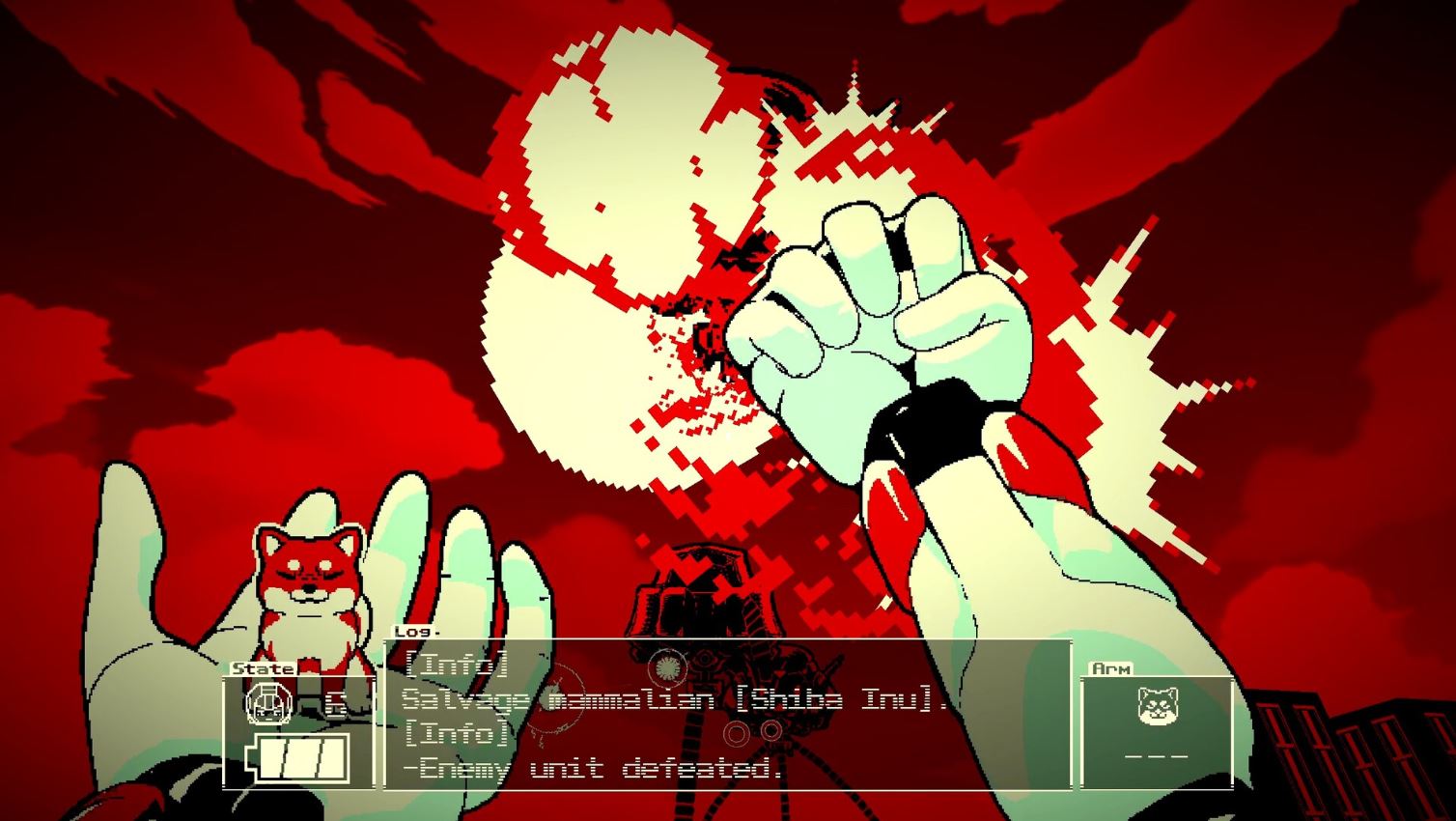
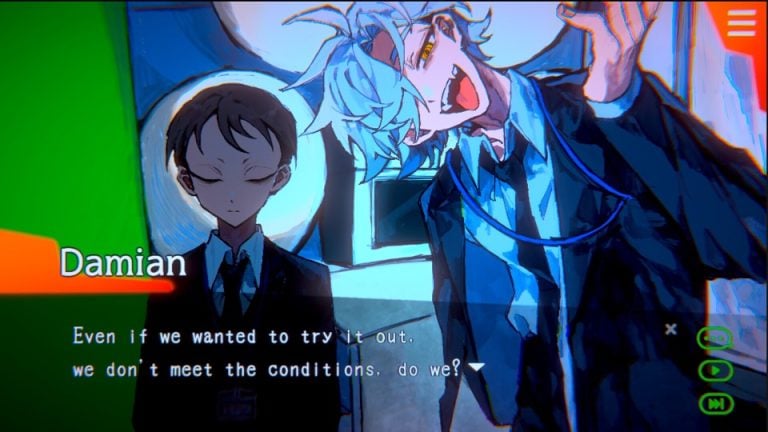
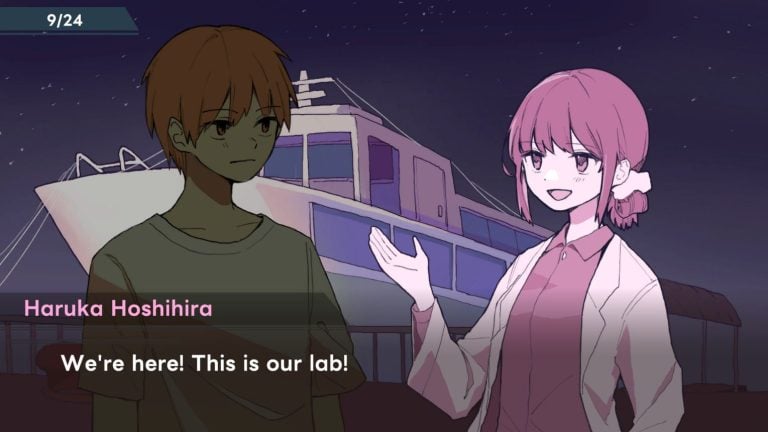
As bleak as The Last Salvage Squad may seem, it isn’t devoid of light-hearted moments. You’ll engage in conversations with your comrades between missions, one of whom is a cute Shiba Inu.
Developed by Sunfish Kumano, The Last Salvage Squad began as a game jam entry titled Hand-Me-Down for a competition that challenged devs to create games that only featured the colors black, white, and red. While the base gameplay and aesthetic remain largely unchanged, Sunfish Kumano has made a few big upgrades, such as fleshing out the narrative, updating the graphics, and including more weapons and enhancement systems.
The Last Salvage Squad is set to release on June 17 for Windows (Steam), as well as Nintendo Switch and Switch 2. While the Nintendo Switch version is capped at 60 FPS, the Switch 2 version plays at 120 FPS and supports gyro and mouse controls (the latter of which can be used with a second Joy-Con controller). A free demo is currently available on Steam.