Hands-on preview: Palworld’s official card game turns battles and Pal labor into a surprisingly faithful TCG
An early look at Bushiroad and Pocketpair's upcoming "Palworld Official Card Game."

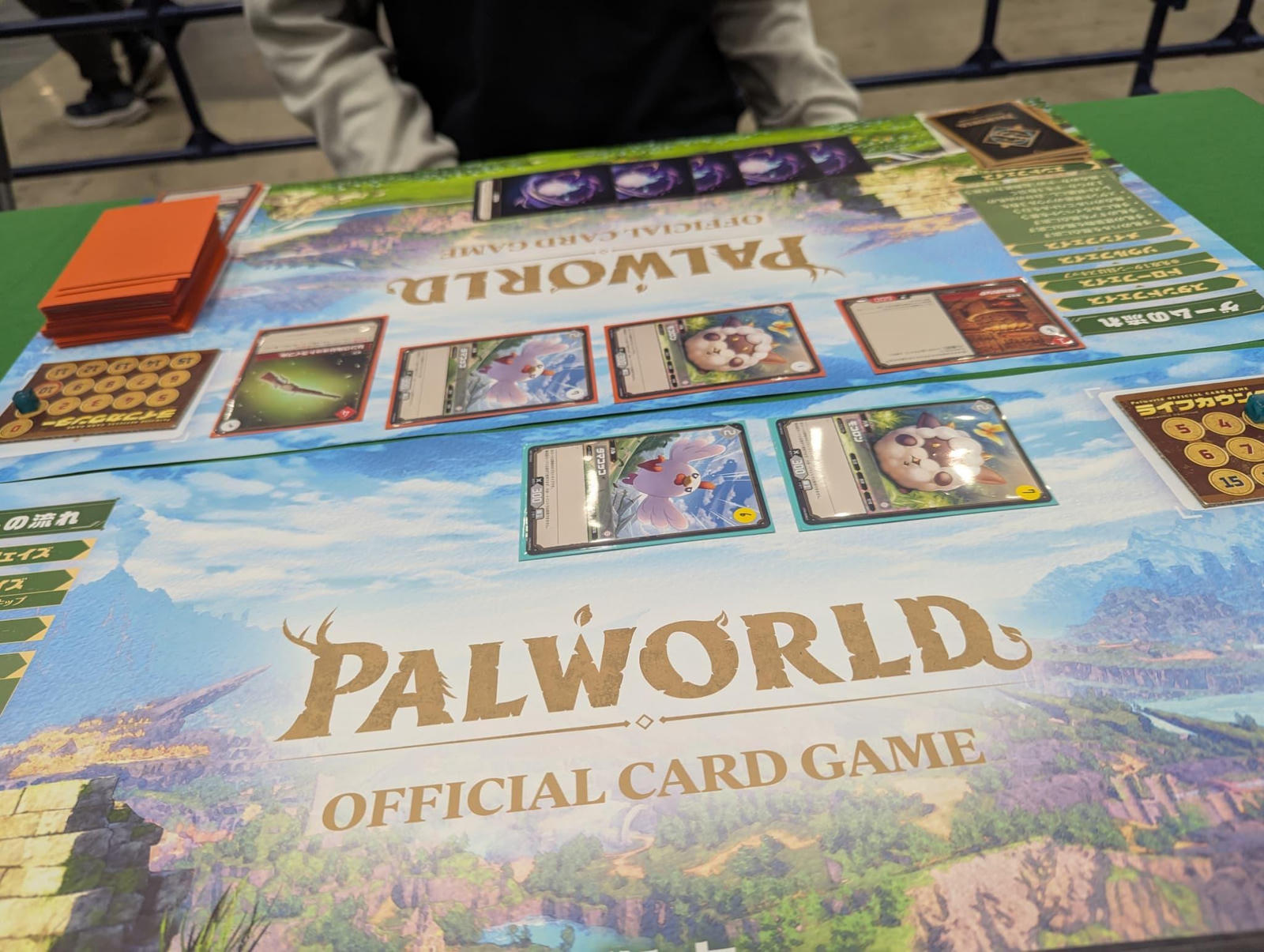
Bushiroad is set to launch the Palworld Official Card Game on July 30. As the first release, the “Dawn of Palpagos” booster pack and two Trial decks (“Red · Blue” and “Geen · Purple” respectively”) are scheduled to launch.
Palworld Official Card Game is a trading card game based on Pocketpair’s hit title Palworld. The original game is a monster-collecting, open-world survival game set in a world inhabited by mysterious creatures known as Pals. Pals come in all shapes and sizes, and by capturing them, you can have them assist you in battle, or assign them to take care of various tasks at your base.
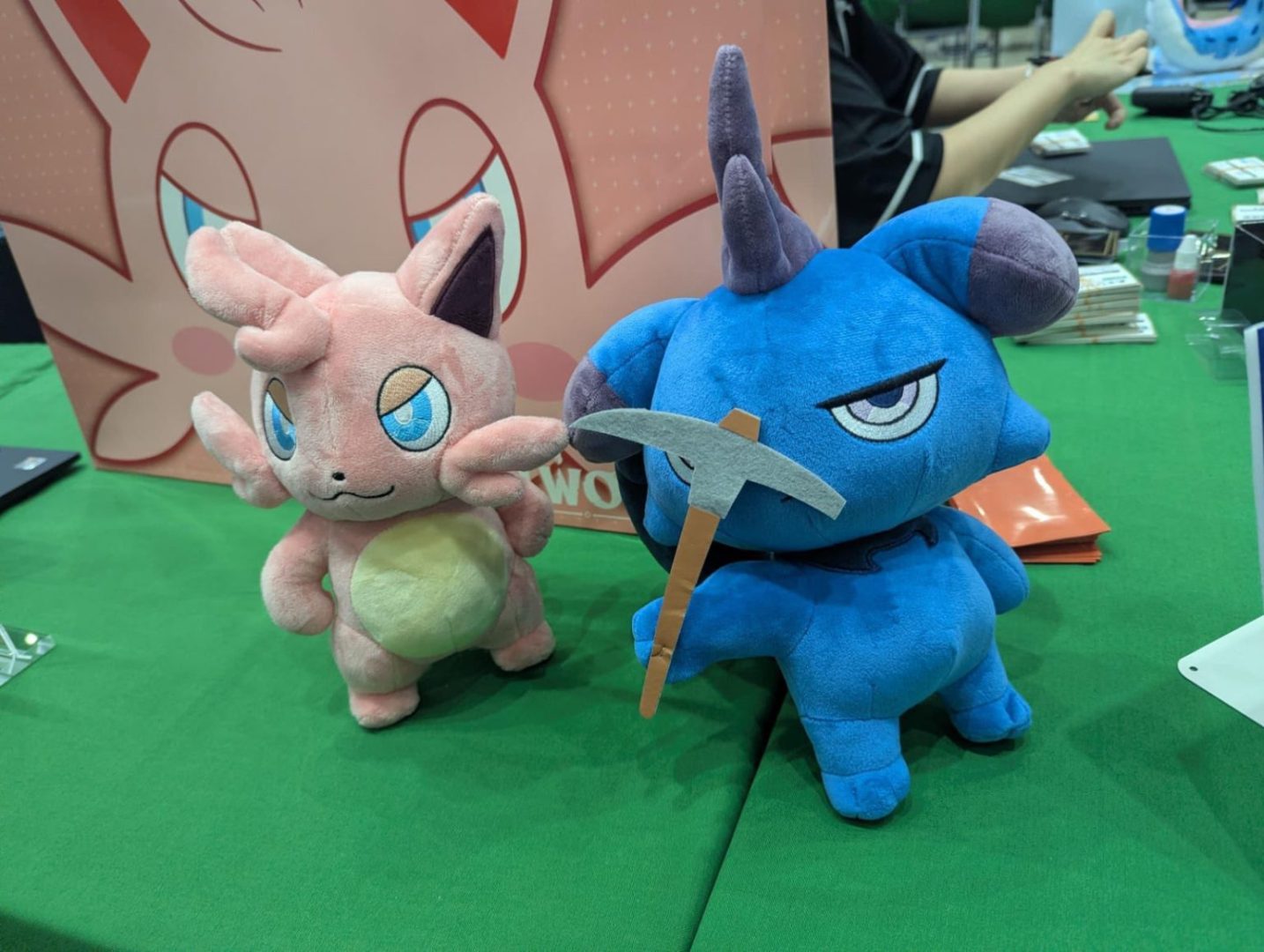
The upcoming card game will allow players to enjoy Palworld’s survival elements – such as fighting alongside Pals and managing a base – in a two-player competitive card game format. Players aim for victory by utilizing the unique characteristics of Pals with various abilities, sending them into battle, and putting them to work.
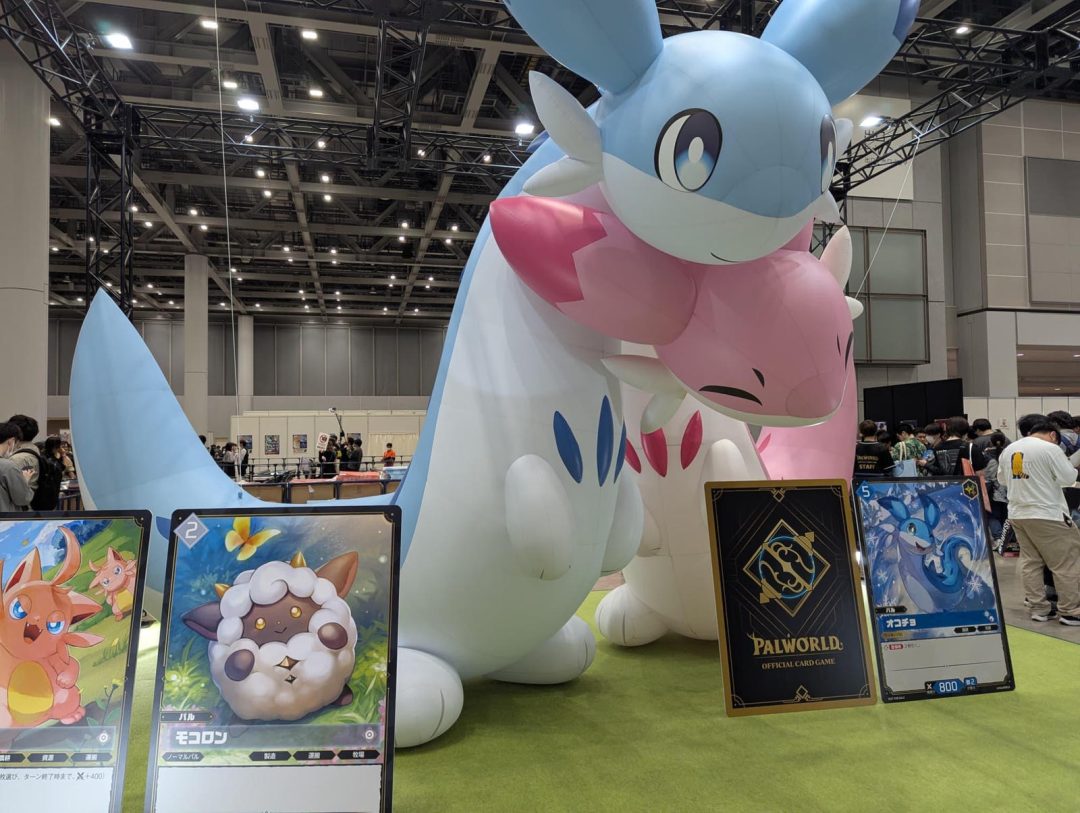
Ahead of the official release, Bushiroad hosted a demo event for the game on May 3 and May 4 at the “GENDA GiGO Entertainment presents Card Game Festival 2026” held at Tokyo Big Sight. In this article, I’ll share what I learned about the game during the demo. Note that I played with a work-in-progress prototype deck, so there may be some differences compared to the final retail version.
Card battles with familiar Pals
First, let me outline the general rules of the game. The cards in this title are divided into a “Main Deck” and a “Soul Deck.” The “Souls” belonging to the Soul Deck serve as the cost/energy required to play the various cards from the Main Deck. Players execute actions within the limits of their available Souls, and victory is achieved by reducing the opponent’s life points to zero.
Players determine who goes first through means of rock-paper-scissors or the like, then draw five cards from their respective decks to begin the match. The player going second starts the game with one additional Soul. The number of Souls increases as turns progress, and a maximum of 10 can be placed on the field. Consequently, the system is designed so that high-cost, powerful cards become more effective toward the later stages of a match.
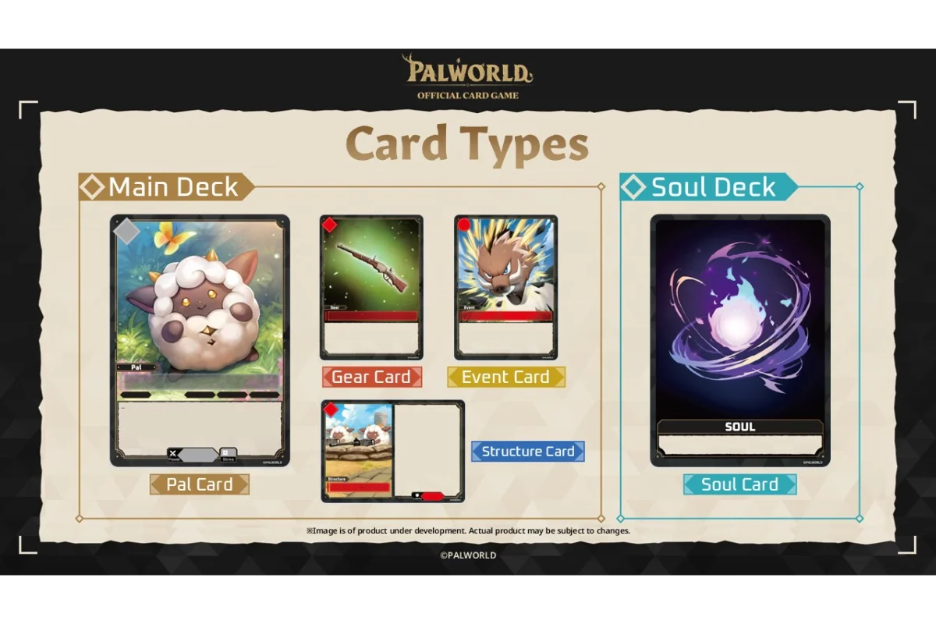
Having secured the first turn via rock-paper-scissors, I placed a “Pal Card” from my hand onto my field, which serves as the base. In this card game, Pal Cards function as the core element, handling both combat and tasks at the base. Each card is assigned specific stats, such as “Cost,” “Power,” and “Strike.” The Cattiva card in my hand had a cost of 2. Therefore, I expended two Souls to place it in my base. I then proceeded to initiate a direct attack against my opponent. At this time, the card is rotated from a vertical “Stand state” to a horizontal “Rest state” to indicate that its action has been completed.
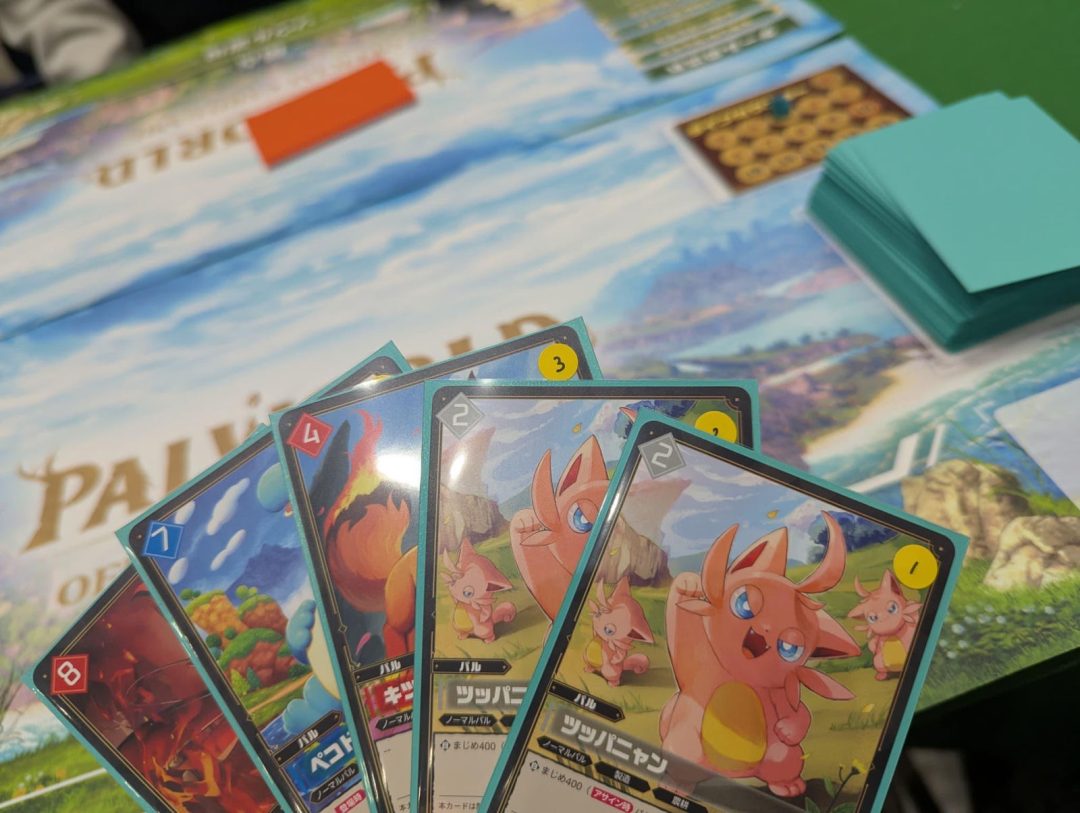
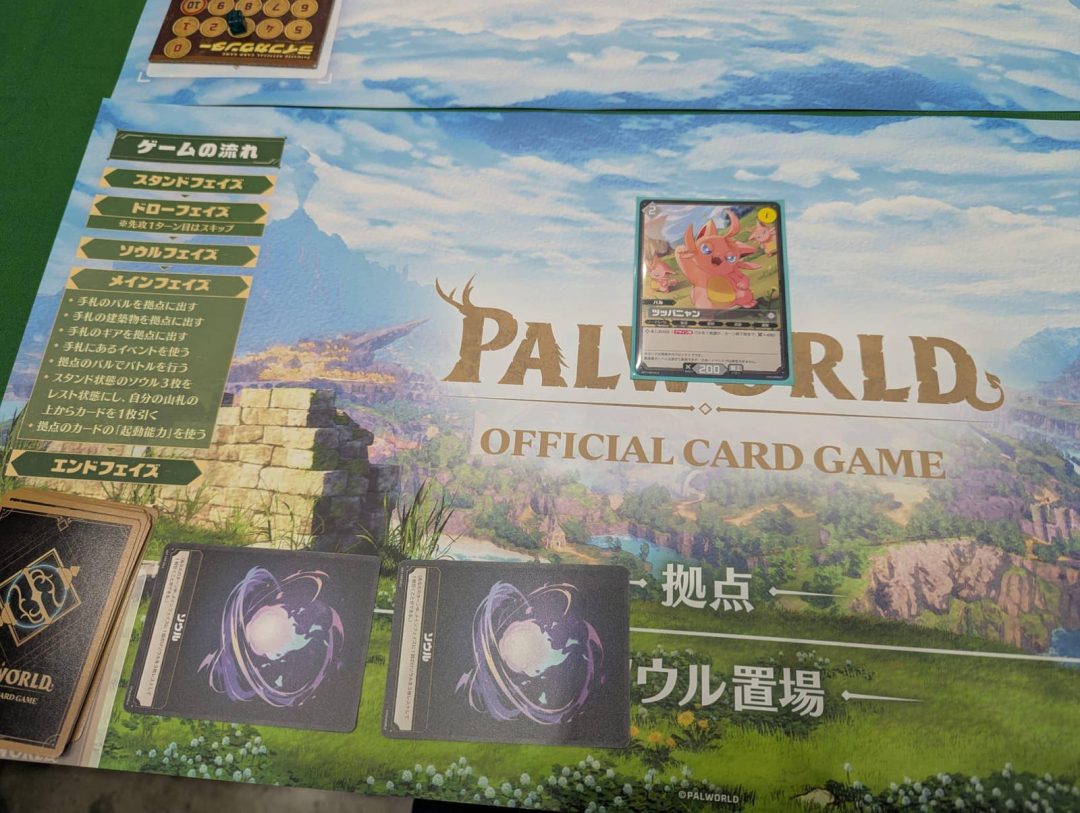
The attacked player performs a damage check by revealing cards from their deck one by one, numerically equal to the Cattiva’s “Strike” value. During this process, if a card appears with a sparkling “Lucky Icon” in its upper-right corner, that damage is canceled. In other words, the greater the damage one attempts to inflict at once, the higher the probability that the opponent will prevent it.
Because Cattiva has a Strike stat of 1, the opponent revealed one card from their deck to perform the damage check. As no card with a Lucky Icon appeared during this turn, my attack reduced the opponent’s life points by one. As you can see, the advantage of taking the first turn lies in the opportunity to initiate an attack before the opposing player has deployed any cards to their base.
On the other hand, the player going second can begin their turn with three Souls, allowing them to use higher-cost cards at an earlier stage than the player going first. With distinct advantages for both the first and second turns, I felt that the game was quite carefully balanced.
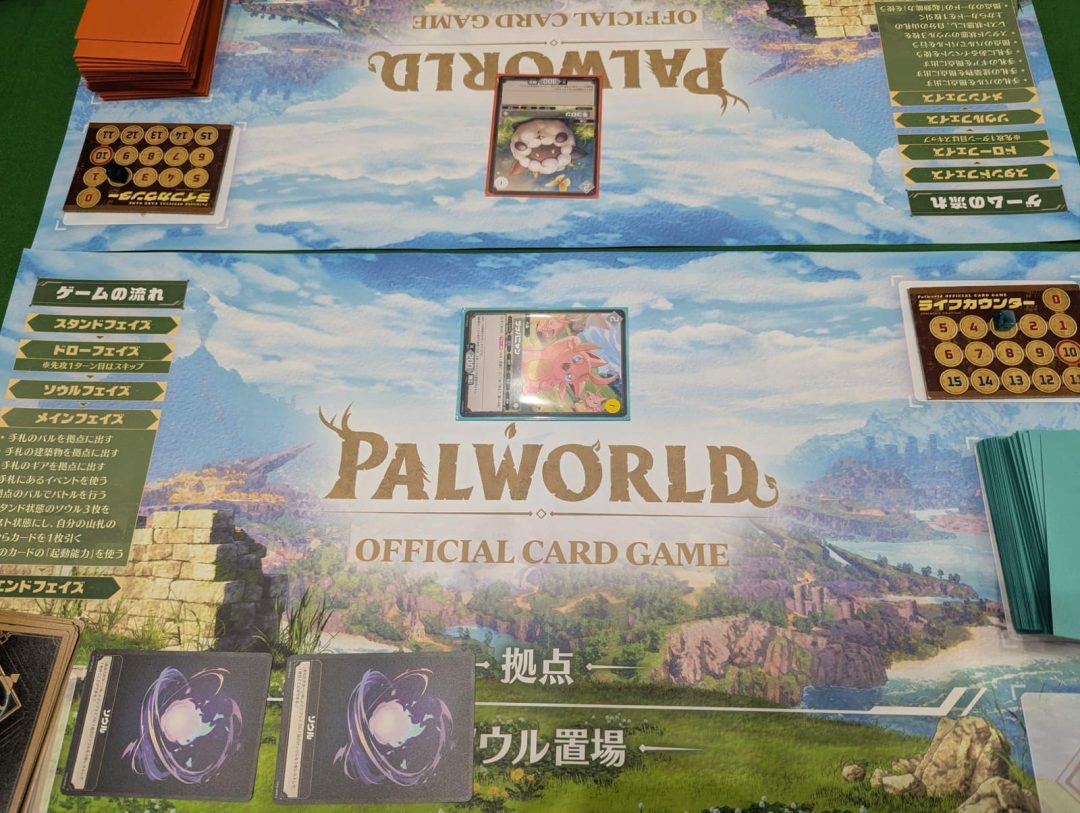
Next is the second player’s turn. My opponent deployed the Pal Card “Lamball” to their base and attacked my Cattiva, which was in the Rest state following its previous attack. When Pals battle one another, they deal damage equal to their respective “Power” stat. If the damage taken meets or exceeds a card’s own Power, that card is sent to the graveyard. Since Lamball has a Power of 300, my Cattiva, which had a Power of 200, was defeated. Of note, damage taken by Pal Cards is reset at the end of the turn, eliminating the need for complex calculations.
When my turn came around again, my available Souls increased to 4. This allowed me to play the Pal Card Foxparks, which I was unable to use previously. In this way, the number of usable cards increases as turns progress, expanding the strategic possibilities as the game advances.
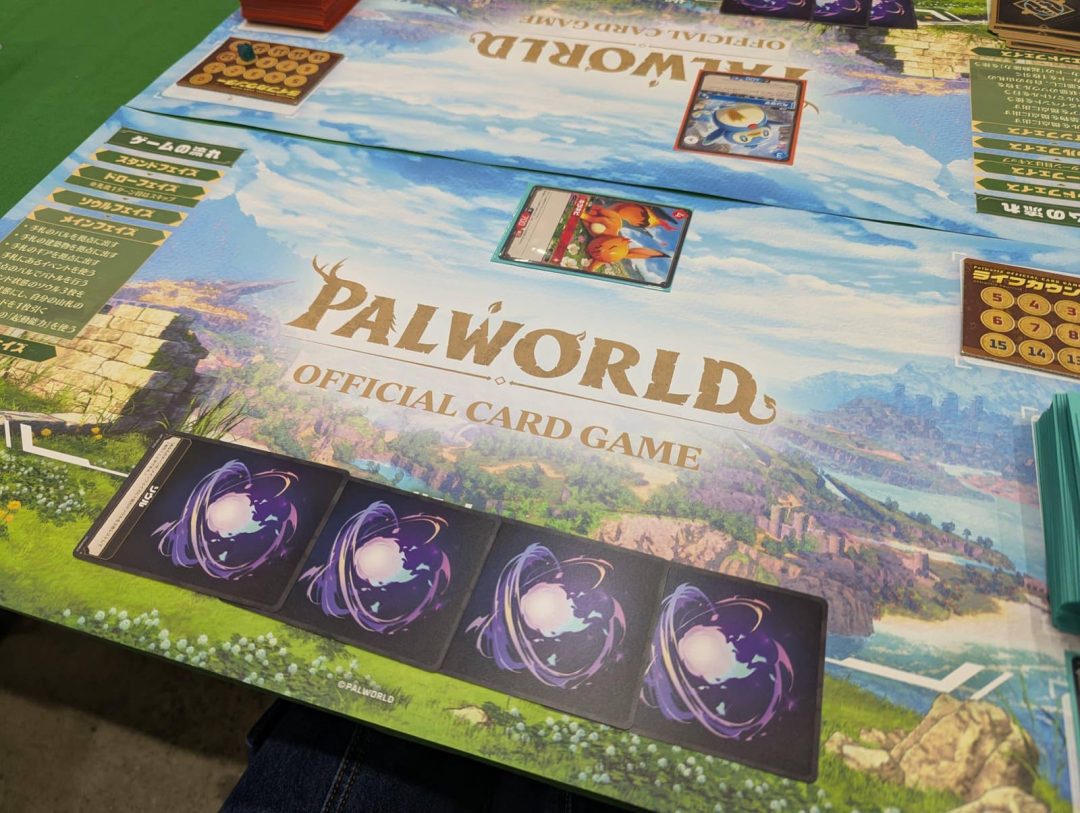
Putting Pals to work at your base works even simpler in the card game
Having four Souls enables also actions other than deploying Pals. For example, you can use “Structure Cards.” The Cost 1 Structure Card “Primitive Furnace” possesses a continuous effect that reduces the cost of cards in your hand while it remains on the field. Furthermore, by placing a Pal in the Rest state to have it work there, it also activates an effect that allows you to draw one card from the deck. In other words, if you deploy a low-cost Pal and put it to work at the furnace, you can simultaneously strengthen your base and replenish your hand within a single turn.
In the original Palworld, Pals not only engage in combat but also handle various tasks within the base. In this card game adaptation, you can enhance your overall combat capabilities by assigning Pals to work at structures. Rather than simply lining up Pals to fight, I felt that the original game’s concept of cooperating with Pals to develop your base has been successfully integrated into the card game format.
By the way, when putting a Pal to work at the Primitive Furnace in the card game, there is no restriction requiring the Pal to possess the Kindling aptitude as there is in the original game. Since any Pal can be assigned to work in a flexible way, this contributes to the card game’s accessibility and pacing.
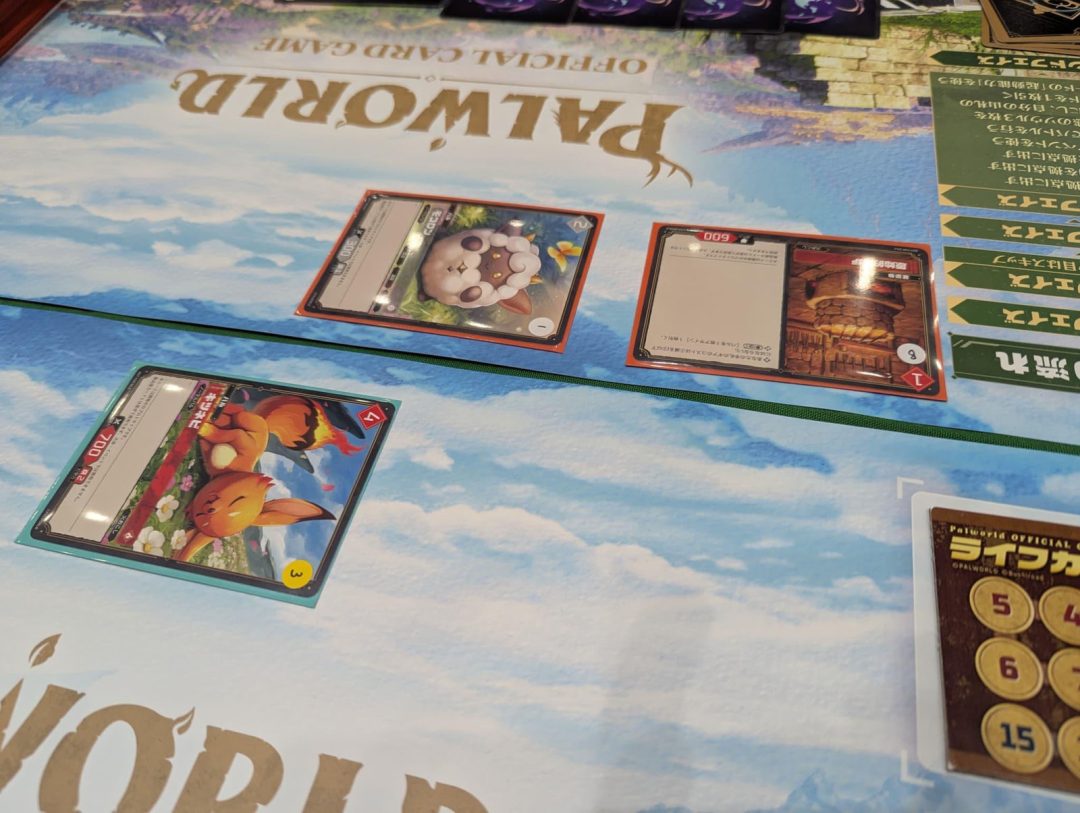
When my turn ended, the opponent brought a Primitive Furnace onto the field. The cards that benefit from this cost reduction are “Gear Cards.” Gear Cards represent weapons and tools, and they have effects such as dealing damage to an opponent’s Pals or strengthening your own. At this point, the opponent played a “Single-shot Rifle,” its cost reduced to 2 thanks to the effect of the Primitive Furnace. Furthermore, they deployed one Pal Card to the field using their remaining Souls. By utilizing cost-reduction, players can execute multiple actions within a single turn.
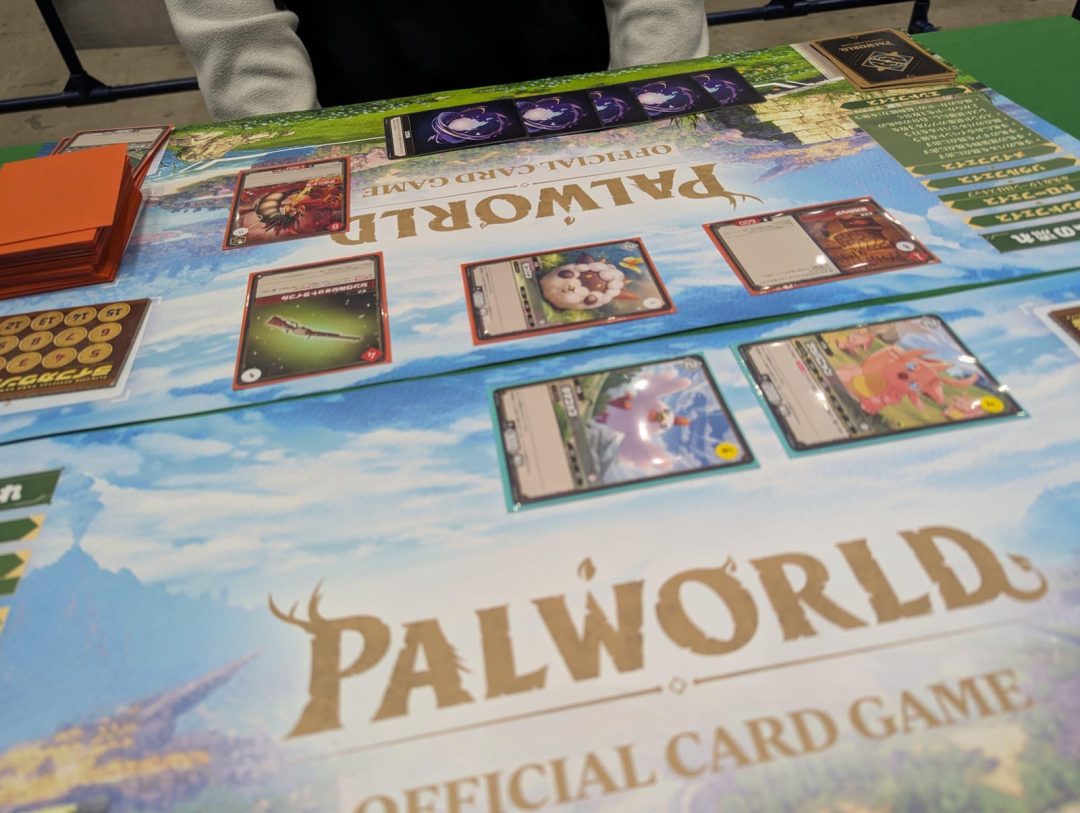
However, my opponent intentionally chose not to have their Pal take action during this turn. Because Pals can only attack cards that are in the Rest state, they maintained the Stand state to avoid the risk of me attacking them on my subsequent turn. Additionally, a Pal in the Stand state can block attacks from opposing Pals. Since some cards can disrupt the opponent’s actions by being held in the hand, carefully choosing which cards to use and which to keep in reserve becomes crucial.
Plenty of strategic depth without battles dragging
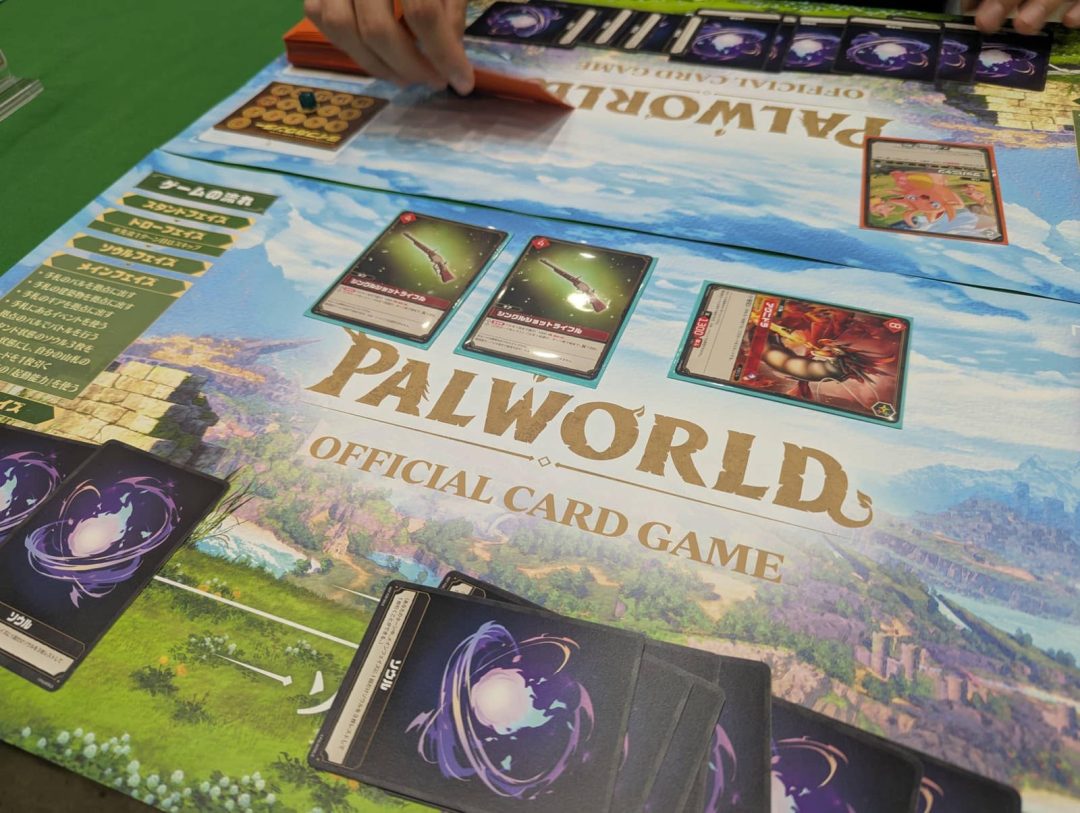
As turns progress, the number of Souls will eventually reach the maximum of 10. At this stage, the range of available combat strategies broadens significantly, allowing players to use more powerful Pals and Gear Cards without hesitation. Deploying high-cost, large Pals substantially increases both base security and combat advantage. On the other hand, tactics such as deploying multiple low-cost Pals to sustain an offensive, or assigning them to work at Structure Cards to provide support, can also prove highly effective. Amidst these diverse strategies, carefully structuring one’s hand is directly tied to achieving victory.
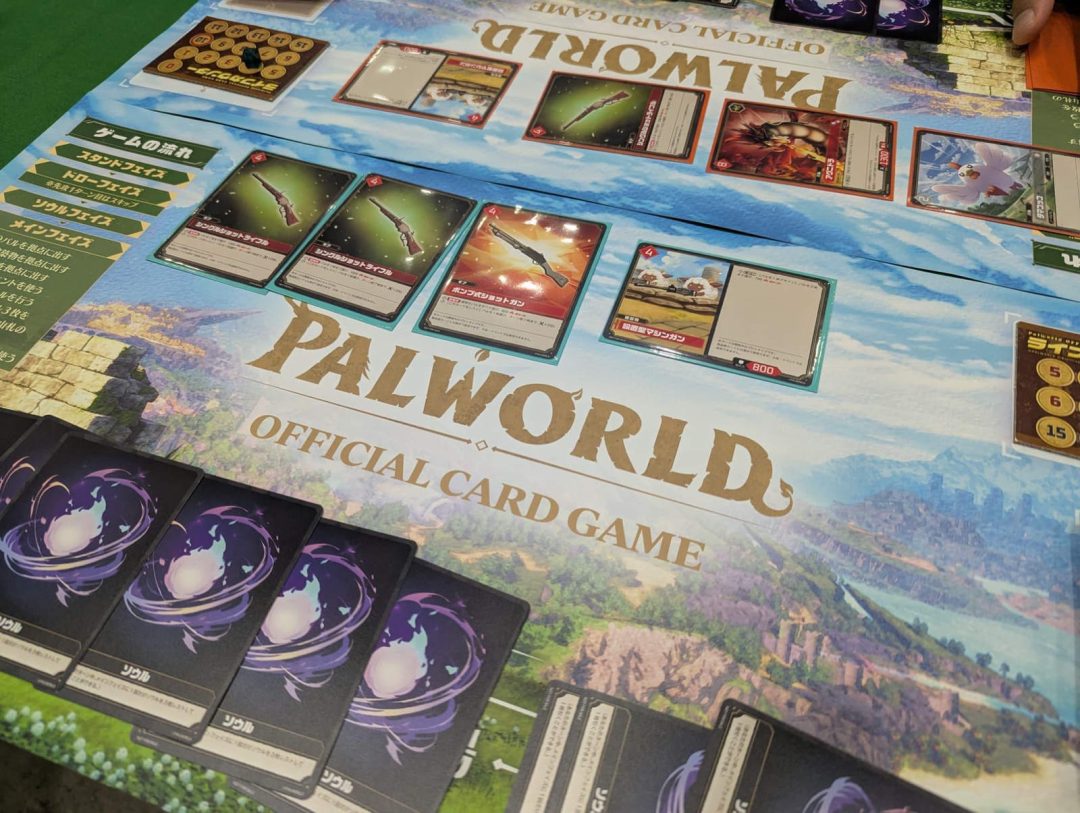
During the hands-on preview, there was an instance where a Chillet with a Power of 500 was buffed by Structure and Gear Cards, enabling it to defeat a Jormuntide Ignis with a Power of 1300. It’s interesting that simply deploying high-cost cards does not guarantee a win; by effectively leveraging card combinations and base management, players can counter objectively stronger opponents. It’s fun to figure out your own way to win, and that makes experimenting with deck building and playstyles very rewarding.
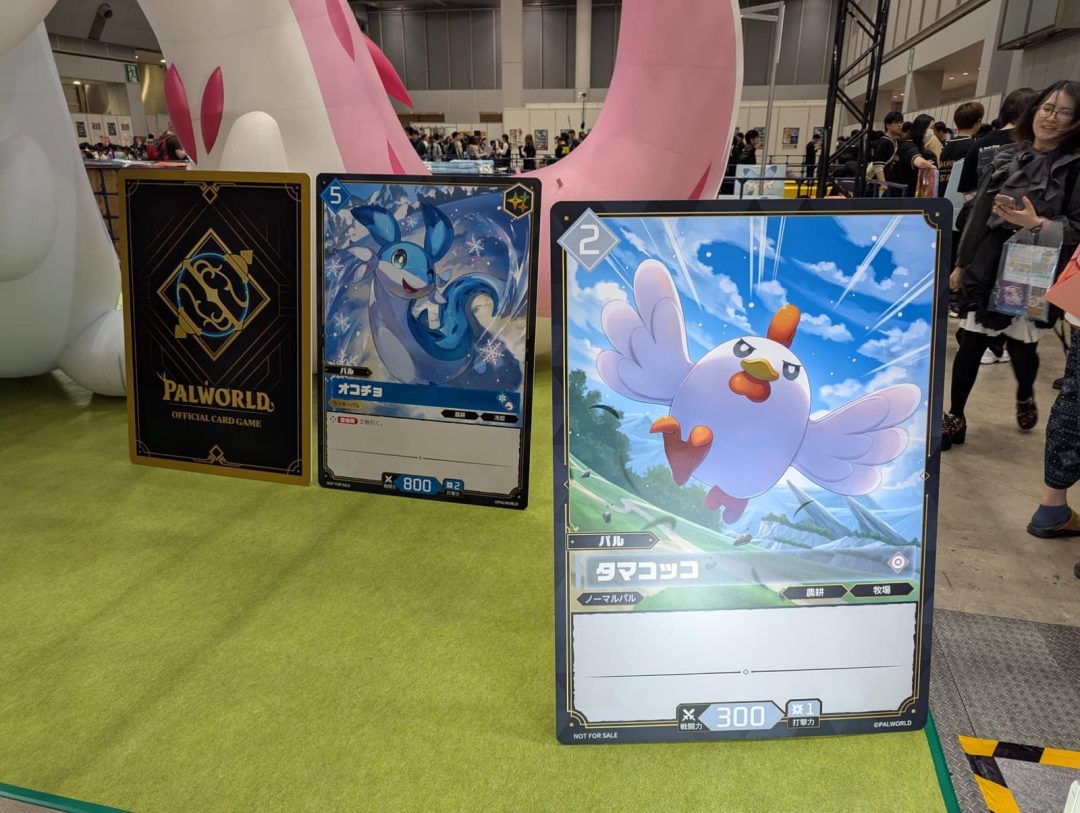
In this game, the order of actions during your turn isn’t strictly set, allowing you to play in whatever order you prefer. This means you can flexibly decide whether to attack with a Pal at your base first or use a Gear Card first, depending on the current situation. You don’t have to plan out all your moves at the start of the turn, giving you time to organize your thoughts while looking at the board, which makes the game very accessible for card game beginners. While there is a lot of strategic depth, the individual card effects are kept pretty simple, which is great because you don’t get bogged down resolving complex mechanics.
After the explanation, we played a free match that wrapped up in about 20 minutes. Even though we were playing while stopping to read what each card did, the overall pacing felt quite brisk. Once you get the hang of the rules, you can probably expect even smoother and more strategic battles.
In this game, battles progress by making use of the diverse combat and working abilities unique to Pals. It’s genuinely fun to figure out how to make your Pals fight and work, and it feels like the appeal of Palworld has been successfully translated into a card game.
During the demo event, we weren’t able to check out deeper mechanics like elemental matchups or unique traits. However, based just on what we played, it looks like there will be many different ways to fight, whether you prefer swarming with low-cost cards or building a deck around massive Pals. I’m already looking forward to seeing what kinds of decks and tactics players will come up with once the game is officially out.
Palworld Official Card Game is scheduled to launch on July 30, 2026.
[Reviewer, writer: Niki Jinnouchi]

AUTOMATON WEST
Articles: 210Related Posts