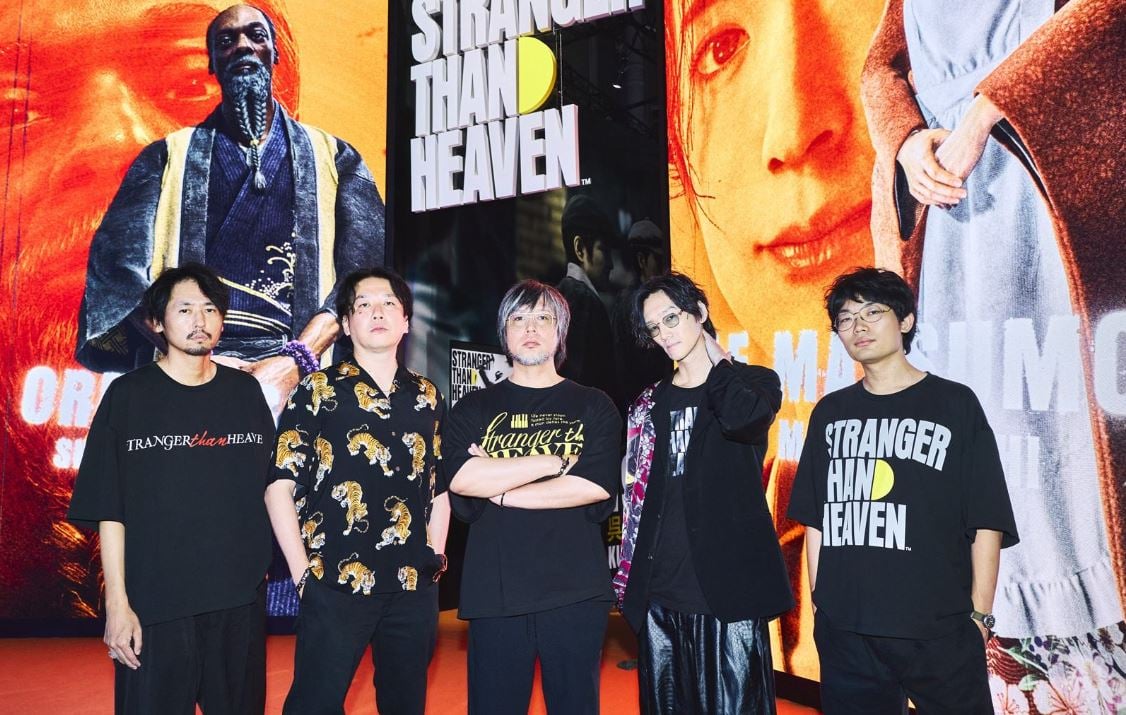
During Tokyo Game Show 2026, Sega and RGG Studio exhibited an updated playable demo of Stranger Than Heaven alongside a special stage program dedicated to the new title. AUTOMATON had the opportunity to try out the demo and talk to the developers about the game’s distinctive features and the philosophy behind its development.
Stranger Than Heaven is a brand-new historical action-adventure title from Like a Dragon developer RGG Studio. The game is set across five eras and five cities in Japan, spanning the period from 1915 to 1965. It depicts the 50-year lives of two men of mixed Japanese and Western heritage, Makoto Daito (played by Yu Shirota) and Yu Mashiro (played by Dean Fujioka), whose personal stories will eventually lead to the founding of the Tojo Clan. The title has also attracted attention for its somewhat unique combat system, in which players control the protagonist’s left and right sides independently.
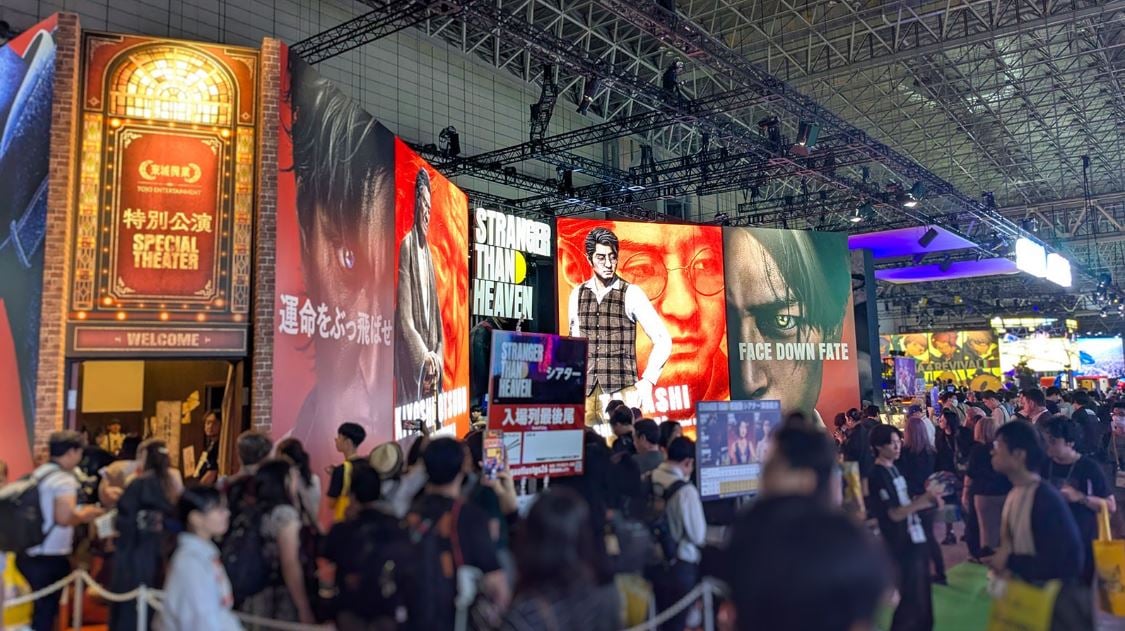
I was also able to try the demo and get a taste of Stranger Than Heaven, particularly its combat, and I got the impression that the game places greater emphasis on “rawness” and immersion than previous RGG Studio titles. For example, when shopping, which had previously been handled through list-based menus, you now seamlessly select products displayed outside shops. Encounters with enemies also develop into fights in a natural way – at least during the ordinary street fights I experienced, there were no character name displays or cut-ins, which made it feel a lot more like getting into an actual street brawl.
The most striking feature, however, was undoubtedly the combat system’s left/right body-split controls. The buttons and triggers on the upper left and right sides of the controller correspond to the respective halves of the protagonist’s body. Depending on the weapons you have equipped, you can strike with the weapon held in your right hand or punch with your left hand. When an enemy is knocked down, you can pull both triggers to mount them and pummel them.
As for guarding, in PS-style controls, you can press Circle to guard with both hands, while combining it with the upper-left or upper-right button allows a one-handed guard. Successfully timing this action results in a parry, greatly throwing off the enemy’s stance.
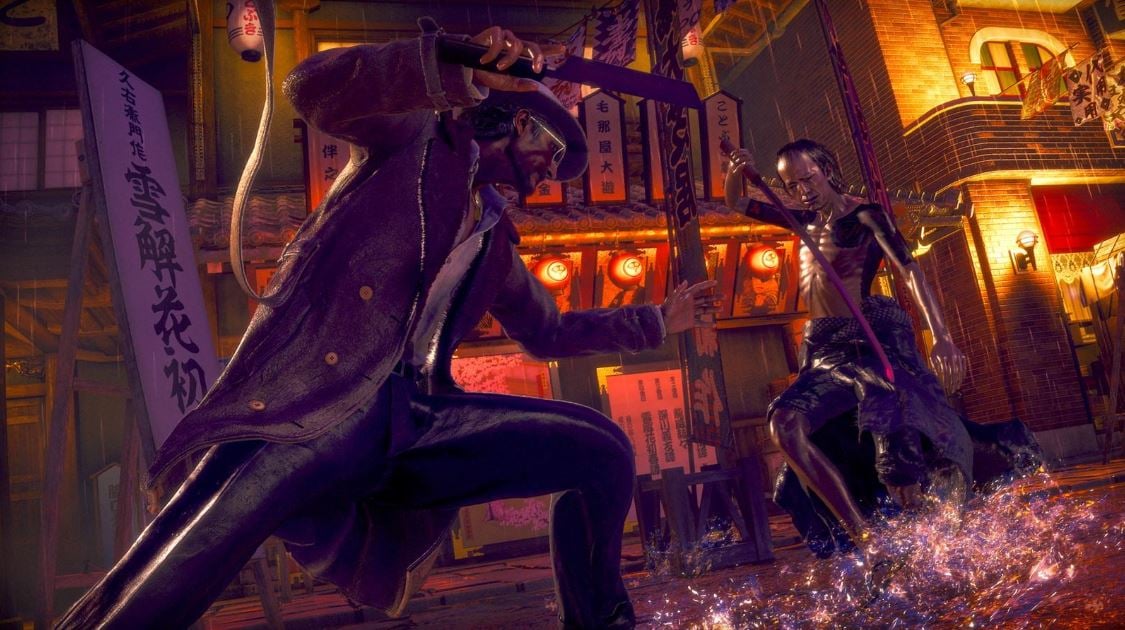
I found that these controls contributed significantly to a kind of visceral sense of immersion in the game. The animations also give the impression that the player is physically carrying out each movement. Rather than the protagonist simply snapping into action at the press of a button, there is a tangible sense of winding up and throwing each punch. This makes it feel very different from the snappy violence of simply pressing Square for a light attack or Triangle for a heavy attack. Instead, it can be almost guilt-inducting, as though you’re choosing how to attack someone and deliberately hurting another human being with your own hands.
Unlike previous games from RGG Studio, the combat also lacks the kind of flashiness seen in attacks that emit auras or unleash acrobatic moves. I did not find this to be dull, however, as the blood splatters and brutal animations created a vivid sense of a “desperate fight for survival.”
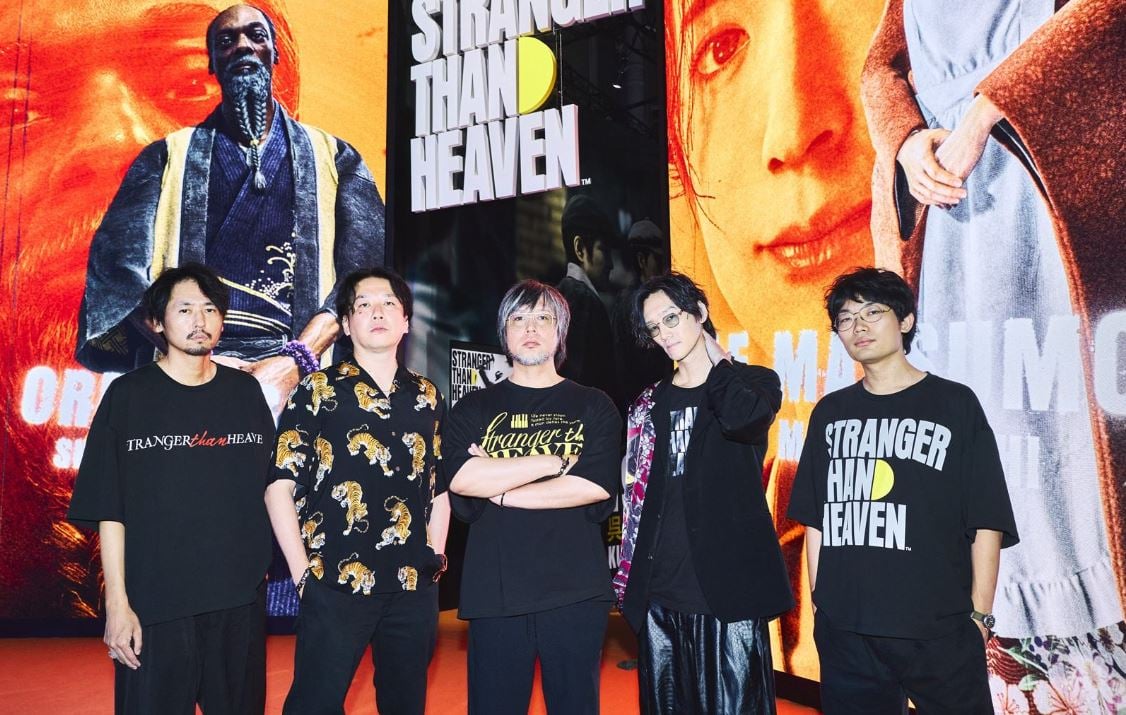
Below follows the interview with five key figures from Stranger Than Heaven’s dev team. I spoke with: Masayoshi Yokoyama (director of RGG Studio, executive producer, and executive director of Stranger Than Heaven), Ryosuke Horii (chief director of the game), Hiroyuki Sakamoto (producer), Taishi Kanaya (art director), and Mikinobu Abe (director).
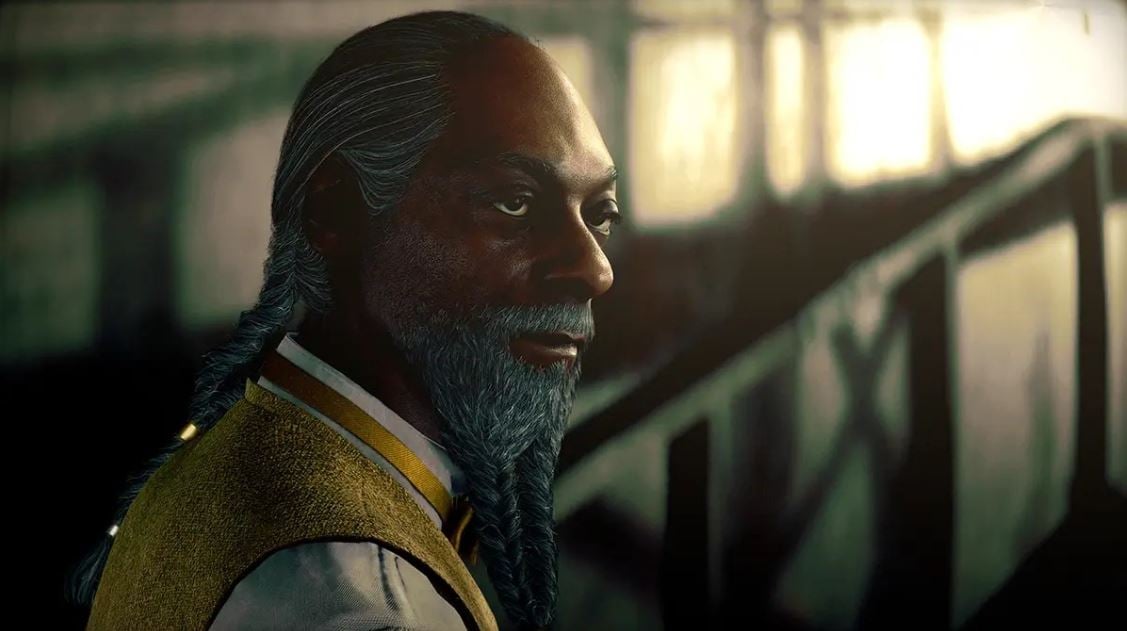
—Your casting of two global artists, Snoop Dogg (as Orpheus) and Tupac (as Amaru), have generated a strong response overseas. How did you feel about the reactions?
Masayoshi Yokoyama (hereafter Yokoyama):
We were simply amazed at first. Rather than focusing on the response to each individual cast announcement, we’re more interested in how Stranger Than Heaven as a whole is being received. That’s why we announced Tupac at Summer Game Fest, because of how recognized he is overseas. If we’d made the announcement at a Japanese show, I think the reaction would have been different. The buzz in the venue when we announced it was incredible, and it became a major topic of conversation. It reminded us once again just how influential an artist he is. If that gets people interested in the game as well, we’re very happy about that.
That said, we aren’t casting people simply to generate buzz. That’s something people often assume, but there’s actually a very important reason why we cast Snoop Dogg, for example. His character’s role is to “discover the protagonist’s talent,” meaning he’s someone who influences the protagonist’s way of life and ultimately plays a role in determining his future. And the talent in question is the musical talent for “sound,” so I think there are very few people in the world who could portray such a character convincingly.
We decided to cast Snoop Dogg because we felt there was no one else who could both act and bring that level of credibility to the role. When someone says, “It’s just for publicity,” I think to myself “That’s not really the case,” and we’re now at the stage where we’re gradually proving that through the game itself.
—Kiryu and Kasuga are portrayed as protagonists who generally don’t kill, with lines like Kiryu’s “I swear to you that I didn’t kill that man” becoming fan-favorites. I’m wondering if this will be the case for Daito too, given how intense the action is in Stranger Than Heaven?
Yokoyama:
Setting aside whether Daito explicitly kills anyone, we’re aware that there are moments in the battles where you’d think, “There’s no way he didn’t kill that guy!” Even for Kiryu, looking at how the battles are depicted sometimes, I’d say there are certainly moments where you’d think he killed someone, too (laughs). However, there are no cutscenes in which he’s actually depicted killing someone. In that sense, there aren’t any explicit depictions involving Daito either. He’s not acting with the purpose of killing people, after all.
That being said, the battles are definitely depicted at a level where you might think, “He definitely killed that guy.” The biggest reason for that is the historical context. For example, if you get into a fight in modern society, you’re aware that crossing a certain line can mean committing a particular crime. Taking someone’s life is therefore a very significant line to cross. But the era we’re depicting this time is one where, “if you don’t kill them, they’ll kill you in retaliation.” We wanted to portray that and let players experience what it feels like to live in an era where “if you don’t do it, you’ll be the one who gets done in.” That’s a major reason why the battles are designed in such a rough and brutal way.
—The game depicts Daito at various stages of his life, from a fresh-faced young man to an older man who has lost his youthful vigor and gained plenty of character. Which age was the most difficult to portray in terms of changes brought about by aging?
Taishi Kanaya (hereafter Kanaya):
The youngest version of Daito. We prepared artwork of Daito at each age and developed the designs through discussions with Yokoyama-san. The process took a lot of time.
Yokoyama:
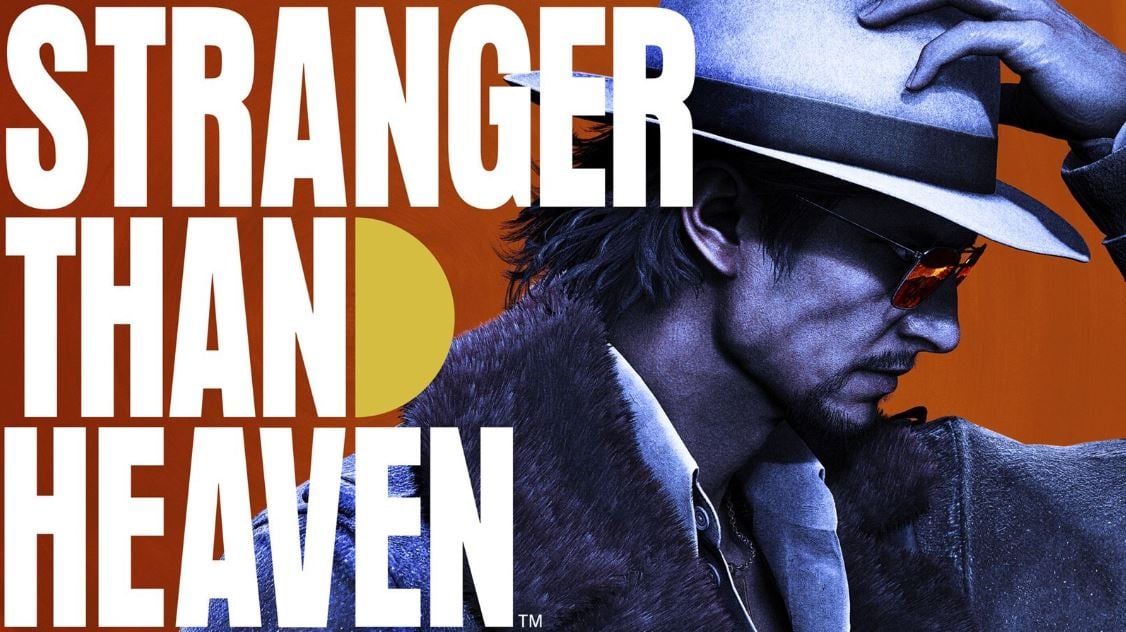
The basic image we have of Daito is probably the Daito from his Minami, Osaka period (1943). He’s middle-aged at that point, and that’s also the version used in the key visual, so that was our baseline. Looking back, what gave you the most trouble?
Kanaya:
Making him look younger was difficult. On top of that, there’s the fact that he’s of mixed Japanese and American heritage.
Yokoyama:
To be honest, I found Dean Fujioka (who plays Yu Mashiro) the most difficult to portray. The general image people have of Dean-san today is roughly the age of the character during his Minami, Osaka period, too. When depicting his younger self, we can look at his past acting roles and find reference material that tells us what he looked like when he was younger. But we don’t know what he’ll look like in the future.
As we developed his older appearance, he started looking more and more like a different actor. When we told Dean-san that, he responded along the lines of, “People tell me that all the time” (laughs). Daito, on the other hand. is an original character, so we have more freedom to design him, at least.
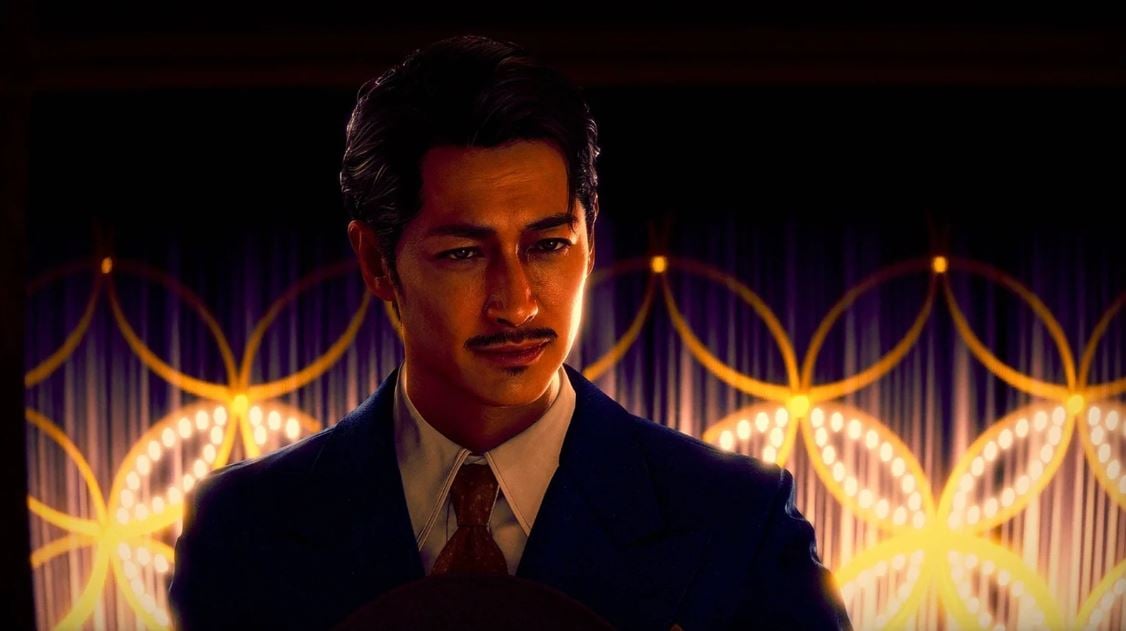
The same applies to Tupac. He appears in a role at an age older than he was when he passed away. We discussed it with Tupac’s family, talking about how we thought he might have looked as he aged, and developed the character under their supervision.
On the flip side, when it comes to Bunta Sugawara, we had reference material covering every age his character appears at. So, looking back, the most difficult part for me was creating characters who are older than the real person, because we don’t have any way of knowing what they would look like in the future.
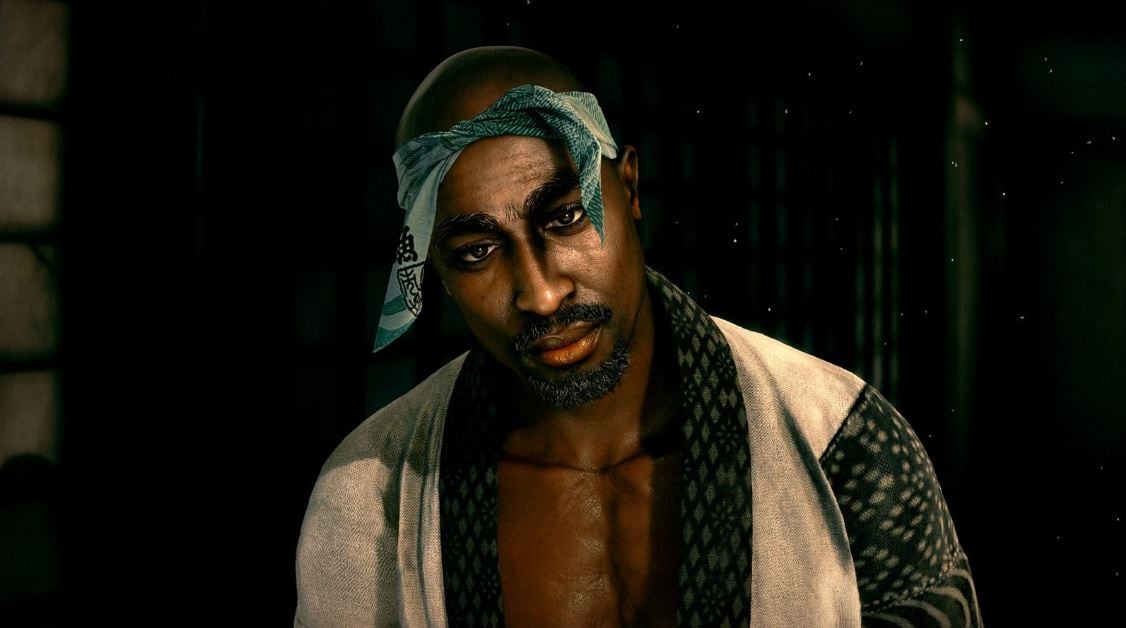
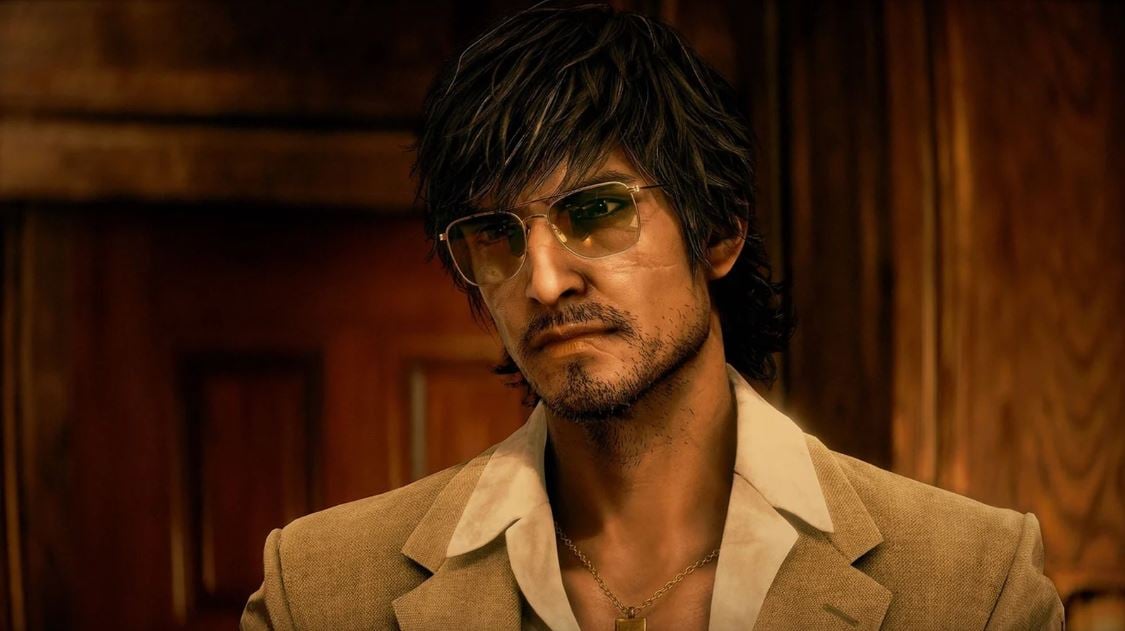
Kanaya:
Maybe it’s just me, but doesn’t Daito during his Atami period (1951) kind of remind you of someone?
Yokoyama:
…Recently, people have been telling me he looks like me. No, he does not. It’s just the hairstyle and glasses. We didn’t make the character look like me, I started making myself look like the character.
Everyone:
(Laughs)
—Given the game’s historical setting, I imagine the series’ familiar activities and minigames have also taken on a very different flavor. Were there any particular challenges involved in creating all these new forms of content?
Ryosuke Horii (hereafter Horii):
As with previous RGG Studio titles, the fundamental idea of offering a high-density range of activities to enjoy remains the same. At the same time, this game depicts different cities and eras. For example, in Kokura in 1915, the power grid and household appliances were not yet widespread, and so-called Western culture had not really permeated society. We started from the premise that we needed to properly portray that historical context.
So, while researching the kinds of activities that would fit naturally into each era and the forms of entertainment people enjoyed at the time, we also incorporated our own imagination and looked for ideas that would be fun in terms of gameplay while still feeling convincing within their respective periods. We also wanted to avoid things that may have been popular at the time, but modern people would have absolutely no idea about. It’s easier to design a game around elements that we, as modern players, can visualize as we walk through the game’s streets, things that feel accessible and make you think, “Oh, I get this.” We built each city while balancing those considerations and selecting the content accordingly.
Mikinobu Abe (hereafter Abe):
We also did a lot of research using materials such as magazines from the Taisho era. We ran around secondhand bookstores all over Tokyo, buying them up so we could look into things like, “What kinds of advertisements were there?” and “If something appeared in all these different magazines, does that mean it was popular at the time?” We researched all sorts of things that actually existed back then. We even had an incident where some of the reference materials were infested with bugs…
Hiroyuki Sakamoto (hereafter Sakamoto):
Things like gambling houses existed at the time, so minigames such as Hanafuda and mahjong naturally appear in this game as well. But many of the other minigames are new, so I think players will have fresh things to experience.
Yokoyama:
There are also minigames that “carry across eras” and ones that don’t. There are minigames that you can only play during the Kokura period, while others continue to exist long after that. For example, beigoma would have continued across several generations, so we took that kind of historical context into consideration.
That said, we do take a few liberties with the truth. For example, during the Atami period (1951), one of the locations is based on the real-life Hotel New Akao. But, in reality, Hotel New Akao wasn’t completed until about two years after 1951. So, in the real world, at that point it would probably have been under construction. There are plenty of other fictional elements like that, where something appears in the game despite not yet being completed in reality.
Ultimately, what we’re making isn’t a work of historical nonfiction, but entertainment. We’re incorporating things that we think will make for an interesting game.
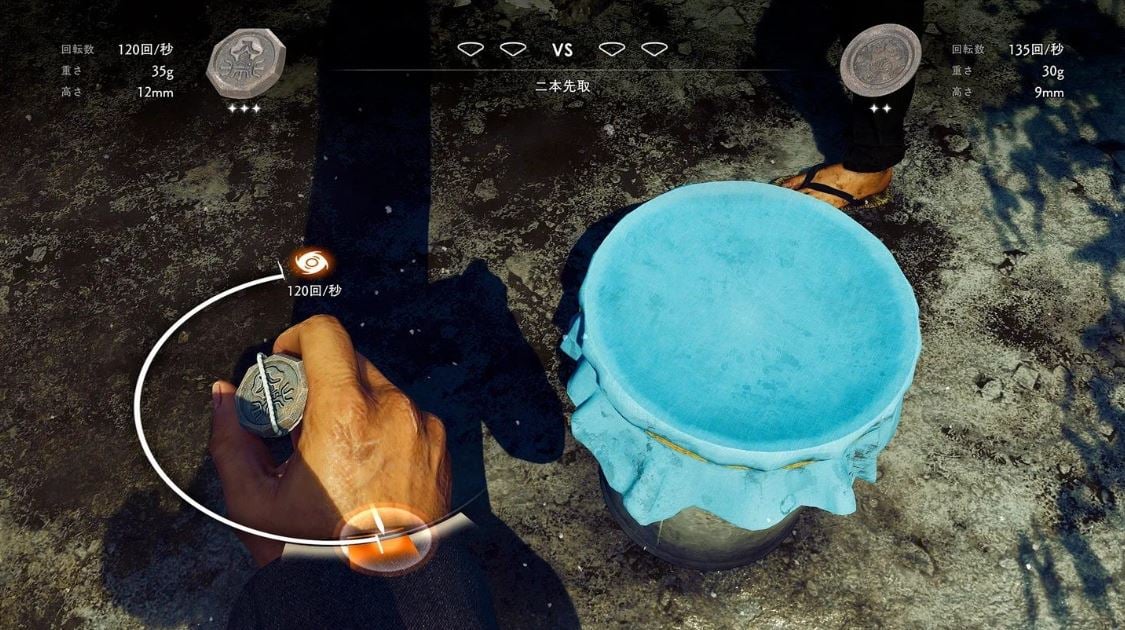
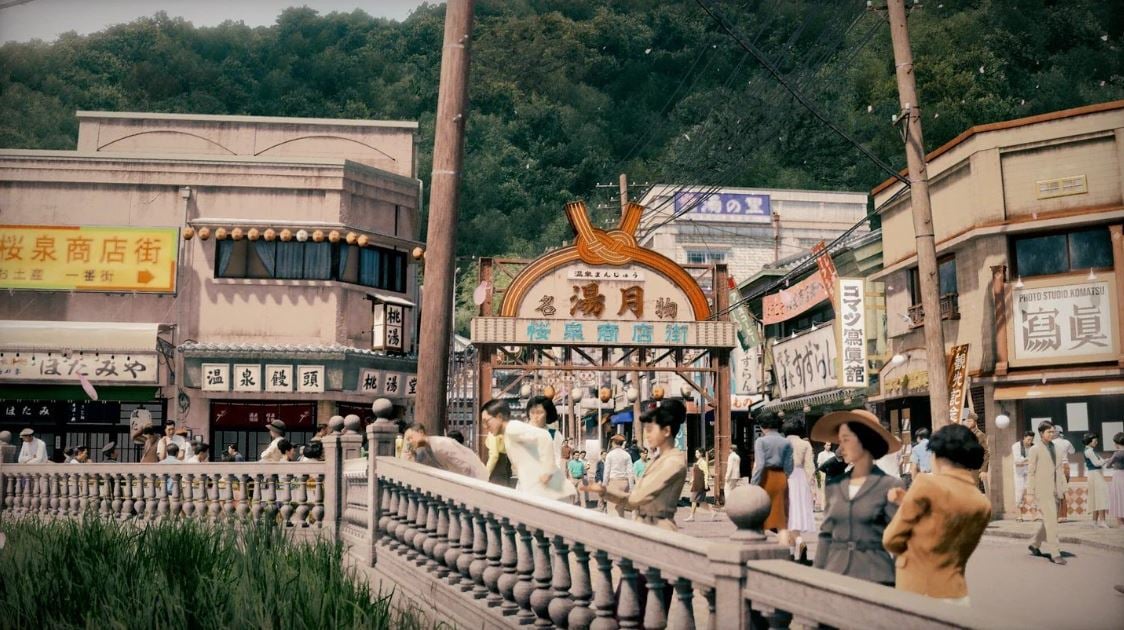
—After spending so much time immersed in turbulent early 20th-century history, do you feel that life would have been more enjoyable back then compared to today, or that modern life is easier to live?
Yokoyama:
If you want to live a long life, then today is definitely better. I think that’s the distinction. If your goal is simply to live a long time, then the modern era is better. But if your goal in life is to accomplish something, or to make something of yourself and rise up in the world, I think there were more opportunities back then. For example, although this isn’t a Like a Dragon game, our previous titles have always depicted people making something of themselves.
One characteristic shared by RGG Studio’s games is that people who, for one reason or another, have been socially marginalized or occupy a weak position manage to earn recognition through their physical strength, courage, mental fortitude, and so on, eventually carving out a place for themselves. That’s true of Kazuma Kiryu, Ichiban Kasuga, and Makoto Daito.
But Daito has it harder than our previous protagonists. That’s because Daito also has the barrier of “race” standing in his way, and in Japan at that time, I think that would have been a virtually insurmountable barrier. Being someone who looks foreign and is also not fluent in Japanese is, as an adverse circumstance, even more difficult than the situation faced by Kazuma Kiryu, who was an orphan, or Ichiban Kasuga, who grew up without ever knowing his biological parents.
The fact that Daito was able to live the way he did in those circumstances could actually be precisely because he was living in that particular era. So if you’re desperate to seize an opportunity, perhaps that era was the better one.
Looking back at Japanese history, people who accomplished something often emerged during periods of turmoil. When something gets completely reset, that’s when people have opportunities to rise up. In that sense, perhaps the past had more room for dreams than the present, in its own way.
—After playing the demo, I felt that the atmosphere of the city had an even greater sense of realism than in previous games. The way players select products in shops and the combat system also seem designed to reinforce immersion. Was this something you deliberately established as a theme during development?
Yokoyama:
Yes. Back when we were making Yakuza: Like a Dragon, I was often asked why we decided to make it a live command RPG. My answer was always that “we choose the system that allows players to engage with the story the most and is best suited to experiencing it.” And that’s really it.
Kazuma Kiryu is a hero. He’s superhumanly strong, so we created action designed to convey that. That’s why the effects are flashy and you get things resembling special moves. Kiryu is a hero, so he can carry that kind of presentation.
Ichiban Kasuga, on the other hand, isn’t that strong. He’s the type of person who rises through his bonds with his companions, so we adopted an RPG party system for him.
When we asked ourselves, “What kind of person is Makoto Daito?” We saw that he was someone who has to scrape by even if it means living down-and-dirty. The combat system we’re using this time is what allows players to empathize most with Daito, and we’re creating the other systems, including progression mechanics, in the same way, so that players can savor the story of this game. That’s why, we’re also placing a strong emphasis on eliminating the “digital” feel as much as possible.
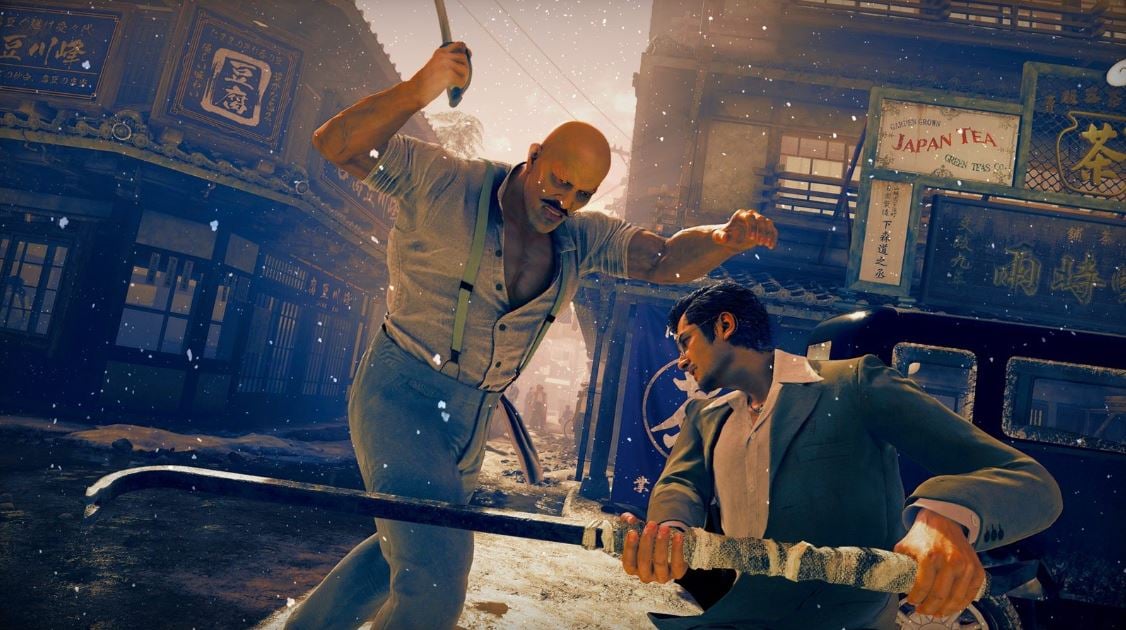
For example, in our previous action systems, you press a button and the animation assigned to that button is “played.” In this game, though, pulling the trigger actually pulls your hand back, and releasing it makes you strike. What you’re doing may ultimately be the same, but we wanted to capture that analog sensation, the feeling of living a rough, gritty life in that era. That’s why we adopted these systems for both the combat and the adventure sections.
This has consistently been the approach across RGG Studio’s titles. We create systems suited to giving players the feeling that they’re experiencing the story alongside the protagonist. Even having your health represented by a bar feels digital, or rather, like a typical game convention. That system is perfectly good – it’s highly readable, after all. But we launched this project around trying to reconsider those kinds of “conventions.”
In another interview just now, we were asked whether the game might be difficult for beginners to get into. But I don’t think a true beginner necessarily knows that pressing a particular button typically makes a punch or kick come out in the first place.
If you ask which system would feel more intuitive to someone like that, I think the controls in this game are actually easier to understand naturally because they’re based on “left” and “right.” The idea that “A is assigned to punch and B is assigned to kick” is actually the stranger concept, in my view. The people who think that’s normal aren’t beginners, they’re people who have become accustomed to the conventions of gaming culture. So one part of our design philosophy was to strip those assumptions away and rethink them.
Kanaya:
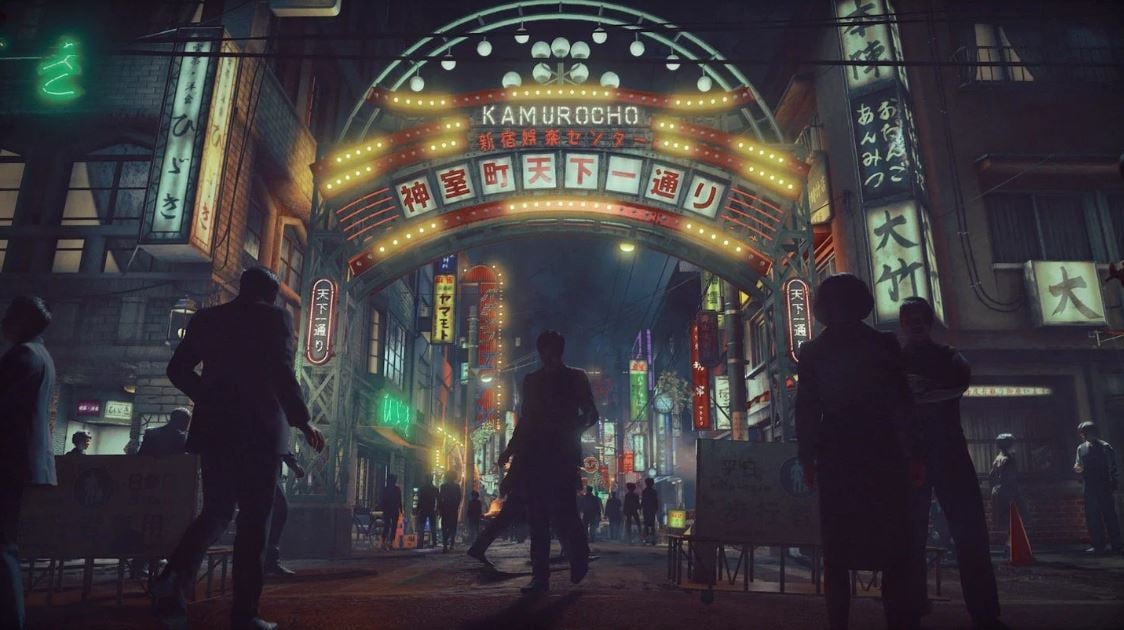
In terms of conveying the eras, we felt that all five of them needed to look completely different from one another. We deliberately assigned them distinct visual identities so that when users arrive in a particular era, they can immediately think, “Oh, this color palette means we’re in this period.” I hope that feeling comes across directly, and that players can intuitively realize they’ve come to a different era or city.
—The phrase “Stranger Than Heaven” is also the title of the main theme song, and its meaning is hinted at in the lyrics. Does the phrase refer to the place that becomes Daito and the others’ “place to belong”?
Yokoyama:
It refers to Daito himself, rather than a place to belong. After being persecuted in America, Daito crosses the ocean to Japan, throwing himself into the sea and barely managing to board a ship, because he believes that “Japan must be heaven.” But the reality is that the place he arrives at is “stranger than heaven,” rather than heaven itself. That’s what “Stranger Than Heaven” means. In a sense, the phrase refers to Japan as experienced by Daito.
Japan is supposed to be his homeland, a place that should accept him, but in reality, it turns out to be a strange place that doesn’t. Nevertheless, Daito asks himself, “How am I, a stranger, going to live here?” and sets out to create a place for himself. That eventually becomes the organization known as the Tojo Clan, but the story we’re telling this time is about the feelings that forced Daito to create the Tojo Clan and what drove him as he built it.
In other words, Stranger Than Heaven is “Japan” as experienced by Daito. But every other character also has their own “Stranger Than Heaven,” and that’s something we depict in the story as well.
—In a recent YouTube livestream, Yokoyama-san talked about being particular about the T-shirts for this game, saying that he wanted the neckline to be wider. Are there any examples where your personal preferences like that have made their way into the merchandise or the game itself?
Kanaya:
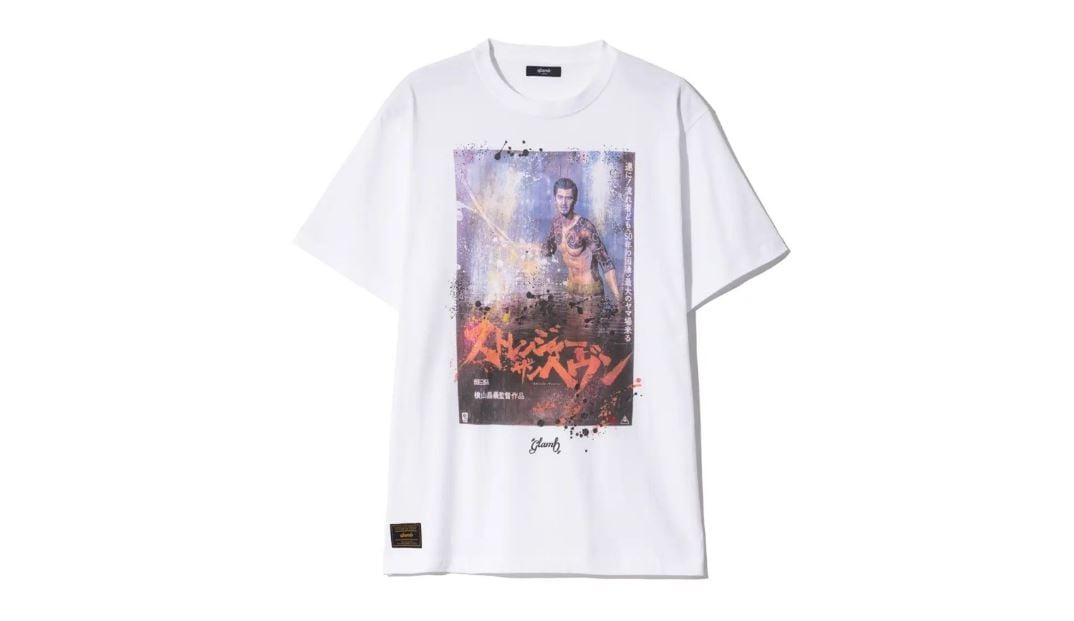
Most recently, I suppose there’s this (*).
(Kanaya pointed to one of the collaborations between Stranger Than Heaven and Toei, specifically a poster T-shirt paying homage to Battles Without Honor and Humanity. He apparently finished several poster visuals on his own of his own accord while on vacation and brought them in.)
Yokoyama:
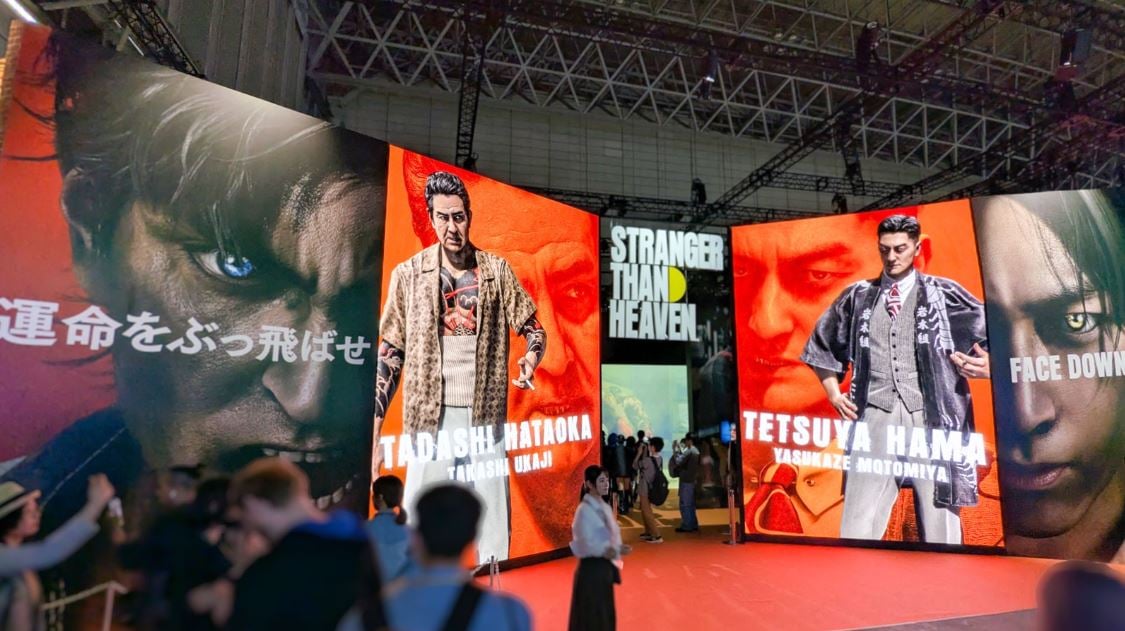
We have a “Walkthrough Museum” for the game at our TGS booth, and there are various visuals from the game displayed at the entrance. Those are actually designs that weren’t selected as the main visual.
And Kanaya really does just make so many of them! (laughs). The problem is that they’re all cool and well-made, so even though we only need one, he makes so many that we can’t choose between them. So we end up using all of them on different occasions thinking it would be a shame not to.
There’s also the design of the SteelBook included with the Collector’s Edition. That’s another unused design. It was the runner-up when we were choosing the game’s main visual, but we rejected it because we thought, “If you don’t know what’s happening in the story, you won’t understand why these two people are standing here.” We ultimately decided that the key visual should be more iconic, and that having just Daito would work better, which is how we arrived at the current design.
—Finally, could each of you leave a message for AUTOMATON’s readers?
Abe:
In depicting a place that is “stranger than heaven,” we’ve been very particular about the game’s every angle, scene, and gameplay element. The entire RGG Studio team is putting everything we have into completing the game. There are only a few months left until release, so we’d like everyone to keep an eye on the upcoming events and information. We’ll be giving it our all to make sure you can enjoy the game both before and after its release, so we hope you’ll look forward to it.
Kanaya:
We have given this game our absolute all, drawing on all the knowledge and experience we’ve accumulated over the years. I hope you’ll play the game and feel the “spirit” we’ve poured into it.
Horii:
Since Stranger Than Heaven is a new title, we’ve approached its development with the desire to create something fresh. I believe the genre commonly known as “console action games” has become quite refined, to the point where formulas have been established about what kind of action players will enjoy and find satisfying.
Rather than simply following those established formulas, we wanted to properly question them once again and think about what kind of expression is unique to us. That’s how we approached this title. We all worked hard from the ground up to figure out how we could create a pure game and a pure experience. I’d be very happy if players could feel the kind of “passion” that can only come from making a game in this way.
Sakamoto:
Stranger Than Heaven comes with a very new game system, and at hands-on events, there are quite a few people who, after experiencing an isolated part of the gameplay, feel that the game might be a little difficult or intimidating. But if you actually start playing the game from the beginning, it becomes an experience that you can strongly synchronize with, and it’s a game with an extremely high level of immersion. So I hope you’ll trust us on that and enjoy the appeal of this grand story.
Yokoyama:
In an era where terms like “time efficiency” and “cost efficiency” are constantly being thrown around, creating a console game is almost like an antithesis. This game is, frankly, long. It has an enormous amount of content. It’s going to take up your time. As people who make console games, that’s something we’re constantly up against.
Even so, if we don’t continue making games that are worth playing and worth experiencing, we’ll increasingly see people saying things like, “I’m interested, but I don’t have time to play it,” or, “I’m interested, so maybe I’ll just watch someone else play it.” And to be honest, there are plenty of cases where people watch gameplay videos, become interested in the game, and become fans as a result.
But from our perspective, we really want people to play and enjoy it themselves. With this game, we’ve been extremely conscious of making players feel, “I really want to take control of things,” and, “I want to experience Daito’s life for myself.”
Also, we get a lot of questions comparing Stranger Than Heaven to Like a Dragon. The reason we call this a “completely new title” is that there’s no cabaret club, no karaoke, the controls are different, and the progression systems are all different as well. In other words, I think if we sold this as a Like a Dragon game, people would probably tell us, “That’s not really true, is it?” We don’t think it would be right to call it a series entry.
It’s true that keywords such as the “Tojo Clan” and locations such as Kamurocho appear, and that this game’s world is part of the fictional world we’ve created and depicted in Like a Dragon. But it’s not the same thing. I think it would be more misleading to treat it as the same series.
That’s why we’re making it as a completely new title, under the name Stranger Than Heaven, which isn’t linked to Like a Dragon at all.
To return to what I was saying earlier, we’re putting an enormous piece of entertainment like this into the world at a time when making something of this scale requires a considerable amount of resolve on our part. I hope players will feel that.
As part of our efforts to increase accessibility, we’ve created the RGG Special Suit – a beginner-friendly outfit with support functions – so that anyone can make it to the end of the game. That said, we have no intention of changing the controls. I still think the best way to experience this game is with the controls and gameplay style we’ve created.
What I’m trying to say is, we’ve prepared a full-course meal. If you’re the kind of person who wants to get dinner out of the way with just a hamburger, this probably isn’t for you. But if you’re thinking, “I want to sit down and savor each course,” then this might be the one for you. I hope people can choose it with that kind of mindset.
—Thank you very much.
STRANGER THAN HEAVEN is scheduled for release on January 15, 2027 for PC (Steam/Microsoft Store). PS5, Xbox Series X|S. It will also be available day one on Xbox Game Pass.