Masahiro Sakurai doesn’t use AI for his games, but believes that avoiding it entirely could cause devs to fall behind in the “far-too-demanding” industry climate
In a recent Famitsu stage event, Masahiro Sakurai discussed his stance on generative AI and the current industry conditions.
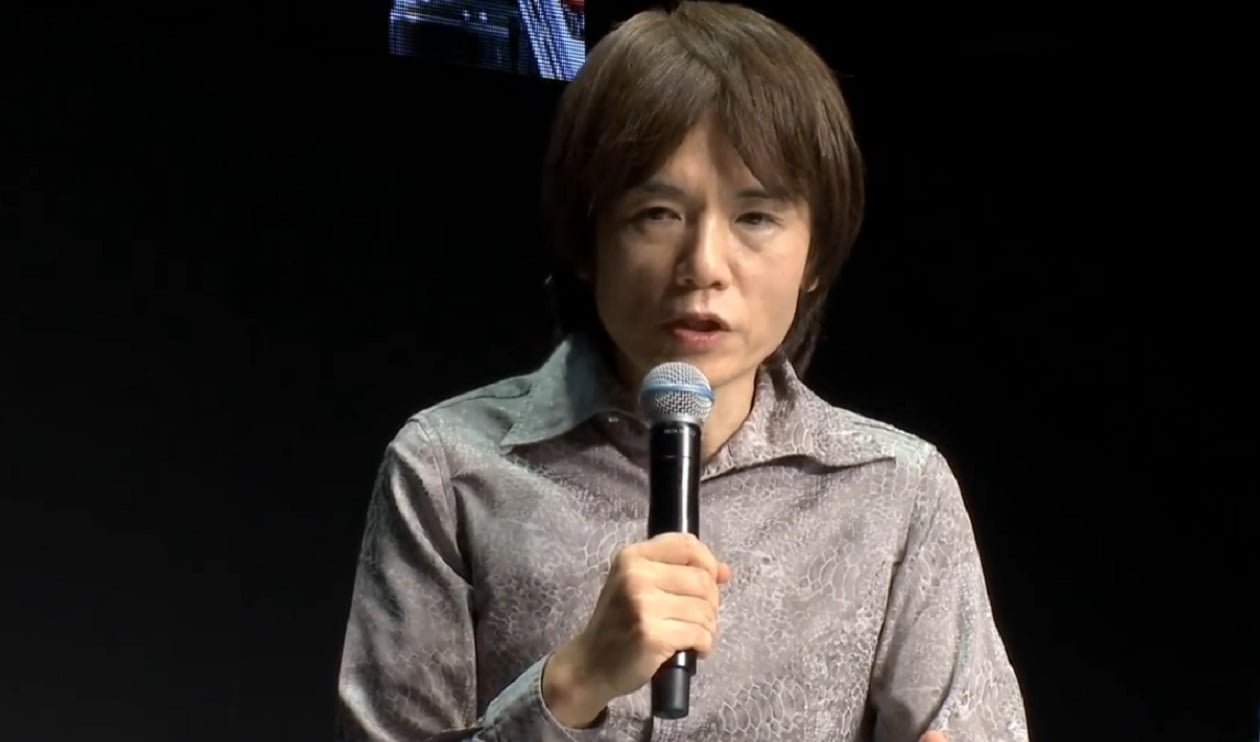
In celebration of its 40th anniversary, Japanese game magazine Famitsu hosted a commemorative festival, aptly titled Famitsu 40th Anniversary Festival, on November 7 in Akihabara, Tokyo. Visitors of the festival had the opportunity to view panel discussions and lectures by various key figures in the industry, including Kirby and Super Smash Bros. series creator Masahiro Sakurai. A portion of the festival was livestreamed on Famitsu’s official YouTube channel.
In a stage event commemorating the release of Masahiro Sakurai’s Thoughts on Games: Final – a compilation of columns the game designer wrote for Famitsu, published on November 6 – Sakurai touched on numerous timely topics in today’s game industry, including the use of AI in development.
As a game designer – someone whose main role is to create concepts for games – Sakurai says that he hasn’t been using generative AI at all, not even for brainstorming ideas. “When it comes to problem solving, you can’t really put everything into prompts, but if you don’t, you’re going to end up with something sloppy,” Sakurai explains. “It’s not enough to simply come up with an idea. A lot of different elements come into play here, like – do you have a fixed deadline and a team that will be able to accomplish it, does it correspond with the costs, and so on.”
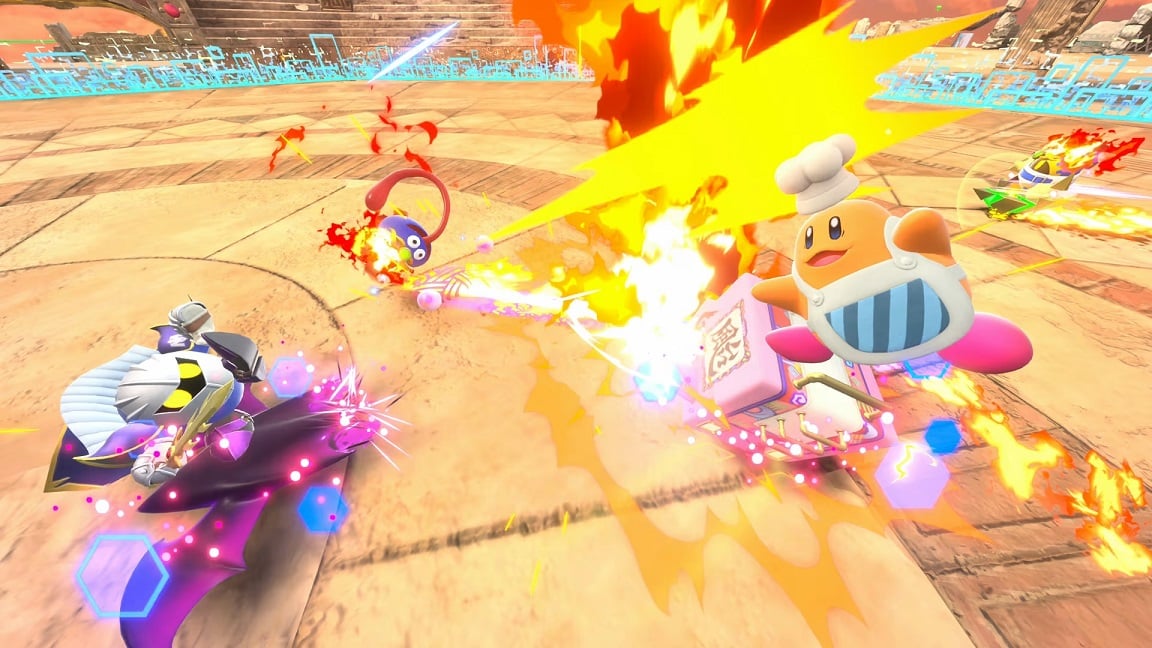
While there is a possibility that AI could get better down the line, even to the point where you could use it for things like brainstorming, Sakurai says, “Right now, I don’t really think it’s reached that point, so I’m not using it for anything.” He hasn’t used any generative AI for his recent work, including Kirby Air Riders.
In terms of using AI for graphics, Sakurai believes that the technology “still hasn’t earned the trust” of developers and that “it must not be turned into a means of exploitation.” Furthermore, it is still much quicker for developers to create everything by themselves instead of relying on AI, Sakurai argues.
On the other hand, Sakurai explains that the video game industry is at a very tight spot right now, and that making games in the current era is “far too demanding.” For example, Kirby Air Riders required ten times the workload compared to Kirby Air Ride, he says. In recent days, there have also been many titles whose developers are still operating at a loss despite selling millions of copies.
“If you keep being fixated on the stance of not using generative AI because it’s not trustworthy as a technology, I think could end up falling further and further behind. Compared to those who properly develop games, I believe those who use AI without any hesitation are likely to be able to create many more games. So, doing nothing could also be a bad idea,” Sakurai says.
Since the topic of “where and how to properly use AI” is quite complex, Sakurai still can’t make any definitive statements about whether he plans to adopt the technology in the future, saying that he is currently taking a “cautious” approach to the situation.
Related:

Đorđe P
Articles: 528Related Posts