Netflix is placing less emphasis on full exclusivity when it comes to anime as it shifts towards flexible, partnership-driven approach in Japan
Netflix content acquisition director Yuji Yamano talks about how the company views partnerships with Japanese anime companies.

Netflix content acquisition director Yuji Yamano recently talked to Japanese outlet Anime! Anime! about the company’s shifting strategy when it comes to anime production and distribution. This comes amidst Netflix’s formation of a strategic partnership with Chainsaw Man anime production studio MAPPA and full-scale entry into anime-related media mix strategies (like merchandising and theatrical releases).
In response to Anime! Anime!, Yamano confirms that Netflix is taking a more flexible approach to anime rights and production in Japan, moving away from fully exclusive licensing models and towards a collaborative approach with its partners.
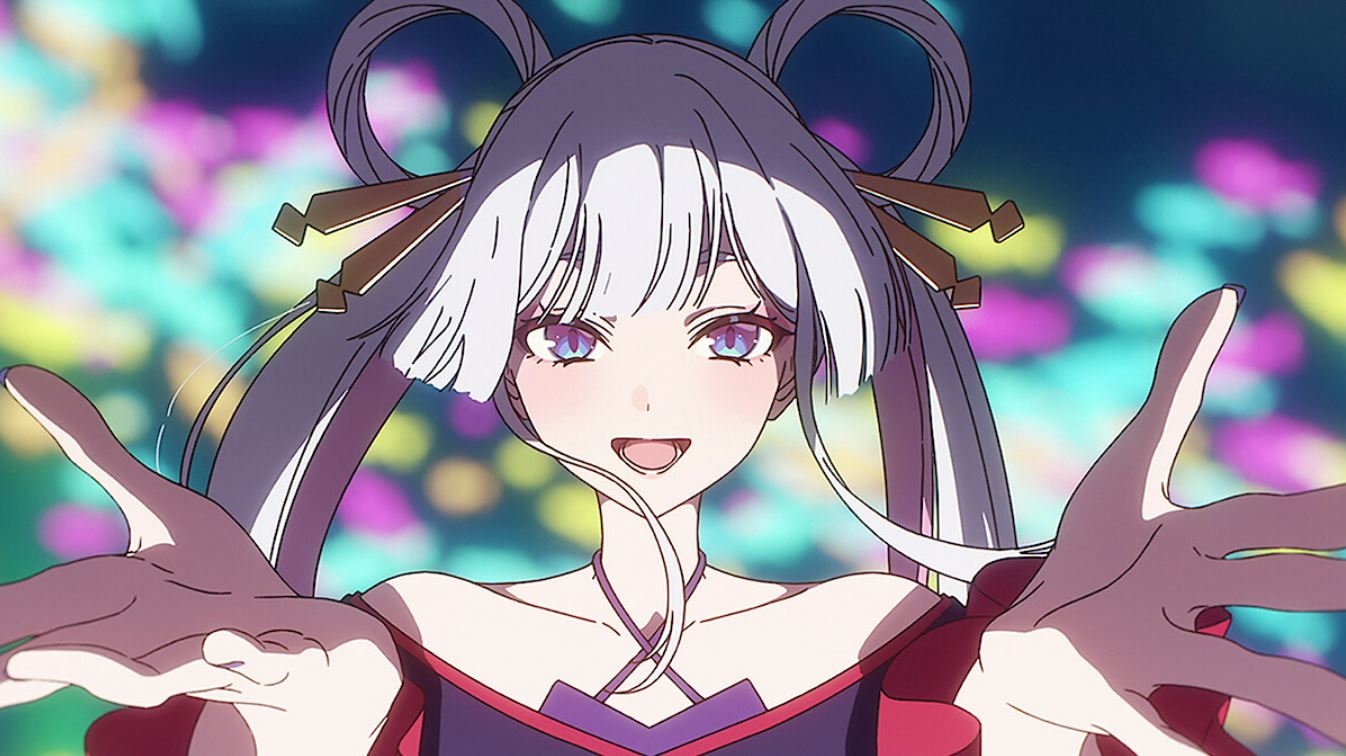
In the past, Netflix often secured comprehensive rights to titles (which remains common in overseas markets), but Yamano acknowledges that the company’s Japan team has been operating differently, with fewer titles under complete exclusivity. As an example, the hit anime film Cosmic Princess Kaguya! received a theatrical release following its Netflix digital release, achieving significant success on both fronts.
This change reflects Netflix’s view that anime’s potential as a medium extends beyond the core work itself, as Yamano explains, “Anime isn’t just something you enjoy as a standalone work, media mix is also important. It might be faster if we could handle everything ourselves and pass the benefits on to the creators, but at this stage, we’ve determined that partnering with media mix professionals to expand the franchise, rather than holding all the rights ourselves, is one of the options for growing anime.”

As a result, Netflix is increasingly collaborating with partners and consultants experienced in these areas, such as companies capable of handling theatrical distribution and other forms of franchise development. At the same time, the company is also deepening its involvement in the production process itself, according to Yamano. “In the past, it was more like, ‘please buy the finished product, but now we’re discussing things from the production stage, including how to expand the franchise.”
Although Netflix does not formally participate in Japan’s traditional production committee system (in which publishers, broadcasters and other relevant parties form project-based alliances to fund anime production), Yamano noted that the company often operates in a similar manner with partners. “It’s not a production committee per se, but we align with partners in a committee-like structure,” he said.
Yamano emphasized that “Japanese anime is at the forefront when it comes to building fandoms and media mix strategies, and we believe that working closely with the creators leads to better business results.” But despite increasing competition for titles, Netflix says it’s prioritizing being “thoughtful” about the projects it puts out, as Yamano comments, “I believe that the appeal of anime ultimately depends heavily on whether the creators want to make it, so it’s crucial that they express a desire to work with us.”

Amber V
Articles: 1623Related Posts