Controversial Mii-chan and Yamada-san anime to proceed despite domestic backlash over depictions of intellectual disability. Creators deny discriminatory intent
According to a new statement from Kodansha and the production committee, the anime adaptation remains due to air in 2027.

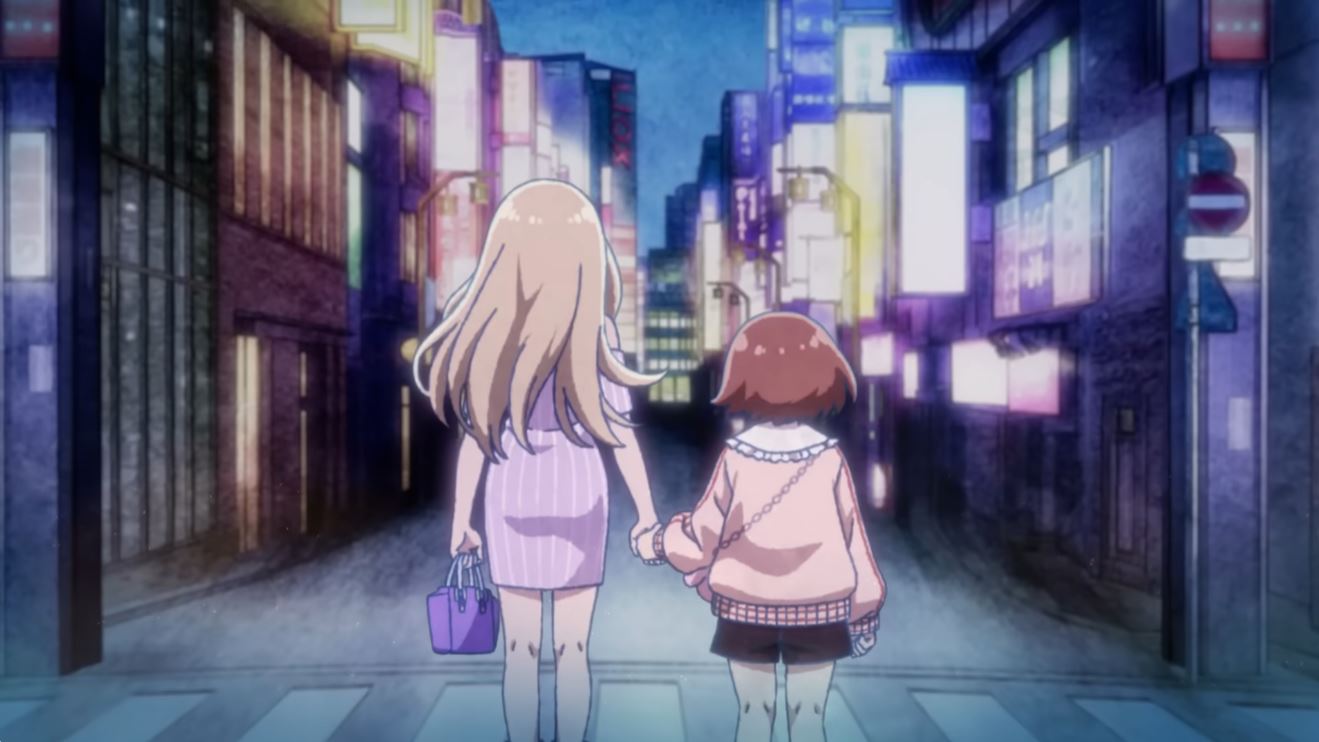
On Monday, it was announced that an anime adaptation of Kodansha’s Mii-chan and Miss Yamada – a dark manga series centered around a character with an intellectual disability – is due to premiere in 2027. The announcement was met with significant backlash and requests for the project to be cancelled in Japan, which the production committee has addressed in a new statement. While the anime’s production is still fully on track, the producers have denied malicious intent and promised to take some precautions in how they handle the source material.
Written by Nene Azuki, Mii-chan and Miss Yamada is set in Tokyo’s red-light district. The story follows Mii-chan, a new employee at a hostess club, and her more experienced colleague Yamada. Due to her disability, Mii-chan can’t read, and often does things that fall outside of social norms, which leads to mistakes and ridicule from customers and other staff. Meanwhile, Yamada attempts to help Mii-Chan and watch over her, leading to a kind of co-dependent friendship forming between them. The story leads towards an extremely dark outcome.
After the Mii-chan and Miss Yamada anime was announced on July 26, users in Japan became strongly polarized, with one side contending that the title could promote harmful stereotypes or discrimination towards people with intellectual disabilities and is thus inappropriate for airing, and the other side arguing that a cancellation would jeopardize freedom of expression.
Some of the main arguments against Mii-chan and Miss Yamada revolve around how disability itself is treated within the story, with users suggesting that it leans too far into shock value and spectacle instead of depicting life with a disability in a realistic and nuanced way. Most notably, ever since the manga’s growth in popularity, there have allegedly been instances of young people, including kids, using “Mii-Chan” as a pejorative towards people they perceive as “non-neurotypical,” which some people see as a clear sign of a harmful influence. The creators have also been criticized for not denouncing this behavior openly.
To make matters worse, the announcement of the anime was made on the same day as the 10-year memorial of the prejudice-driven Sagamihara killings, which claimed the lives of 19 disabled people. While no doubt a coincidence, this was also perceived as an insensitive move from the production committee.
Prominently, Japanese animator and character designer Terumi Nishii, known for her work on the JoJo’s Bizarre Adventure and Jujutsu Kaisen anime, took a vocal stand against the production on X. She criticized the story for taking on the format of a “freak show” and vowed to denounce anyone revealed to be involved in the anime’s production, even if they are her industry peers. “Fostering discrimination and bullying isn’t freedom of expression,” she wrote.
On the opposite end, fans of Mii-chan and Yamada-san have argued that the manga cannot be held responsible for the actions of others and that demanding the anime’s cancellation would be censorious.
Still, the pushback has been strong enough to warrant an official statement from the production committee, which reads:
“The production committee takes very seriously the various concerns and opinions that have been voiced following the announcement of this anime adaptation. We decided to adapt this work into an anime because we believe there is significant value in expressing the original story through this medium.”
They go on to promise to be “careful” with the production, including seeking advice from experts in the field and putting proper age gating/content disclaimers in place.
A separate official X account, dedicated to the Mii-Chan and Yamada-san manga, has also made a statement, saying: “This work was not created with the intention of discriminating against or disparaging individuals with specific disabilities or those in particular circumstances.”

Amber V
Articles: 1618Related Posts