Why CRYMELIGHT and Eternal Palace Sakura chose the same release date, even with GTA 6 on the horizon. We talk to the creators of two anime-style action roguelikes that decided to team up
Joint interview with the developers of CRYMELIGHT and Eternal Palace Sakura.

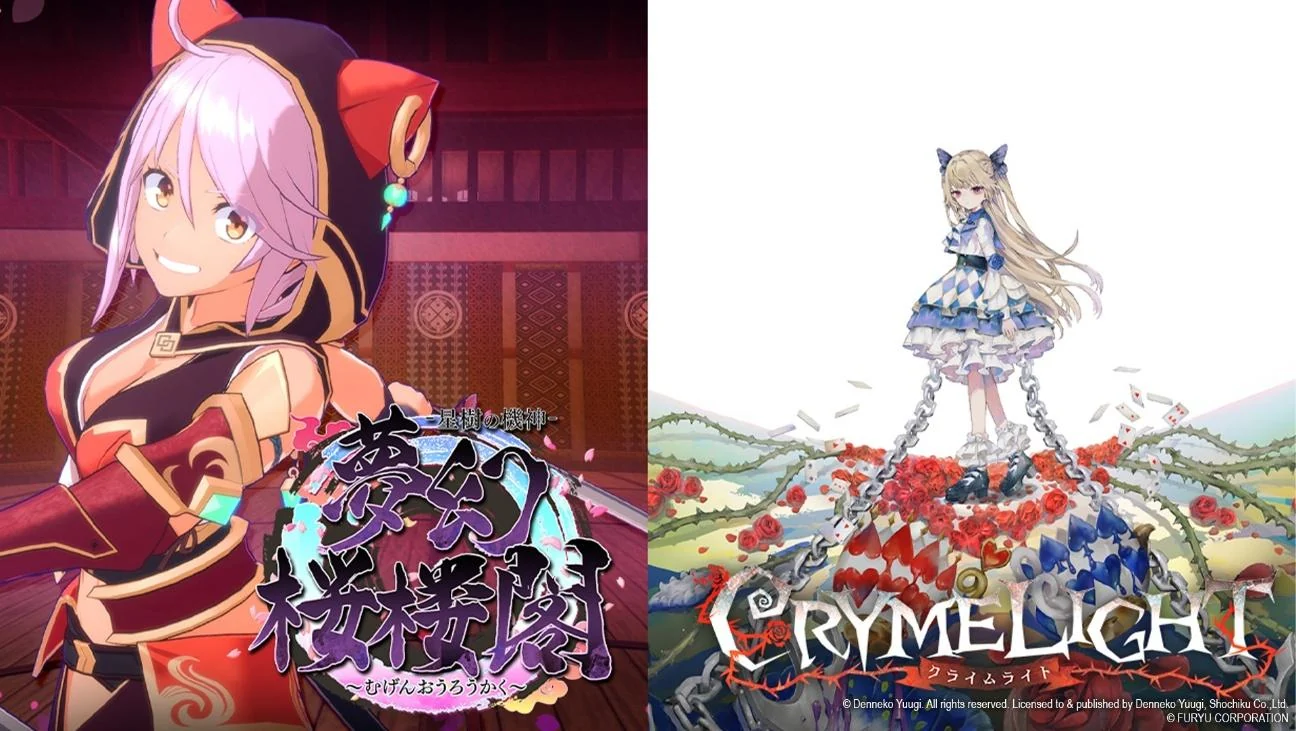
Japanese publisher FuRyu released CRYMELIGHT on November 5, while Shochiku Games launched Eternal Palace Sakura on the same day. Both are action games featuring anime girls and belong to similar genres, though they take different approaches: CRYMELIGHT is a 2D, story-driven roguelike, while Eternal Palace Sakura is a 3D, stage-based roguelite. (Note that the Steam version of CRYMELIGHT has been delayed due to a review delay on Valve’s end and is scheduled to launch at a later date.)
In CRYMELIGHT, girls who committed sins during their lives are brought to the afterlife realm called Wonderland, where they must fight one another in pursuit of freedom. The protagonist, Alice, is one of the guests gathered in this strange world. Having lost all her memories, she is given a name by the White Rabbit, Wonderland’s guide, and drawn into its deadly struggle.
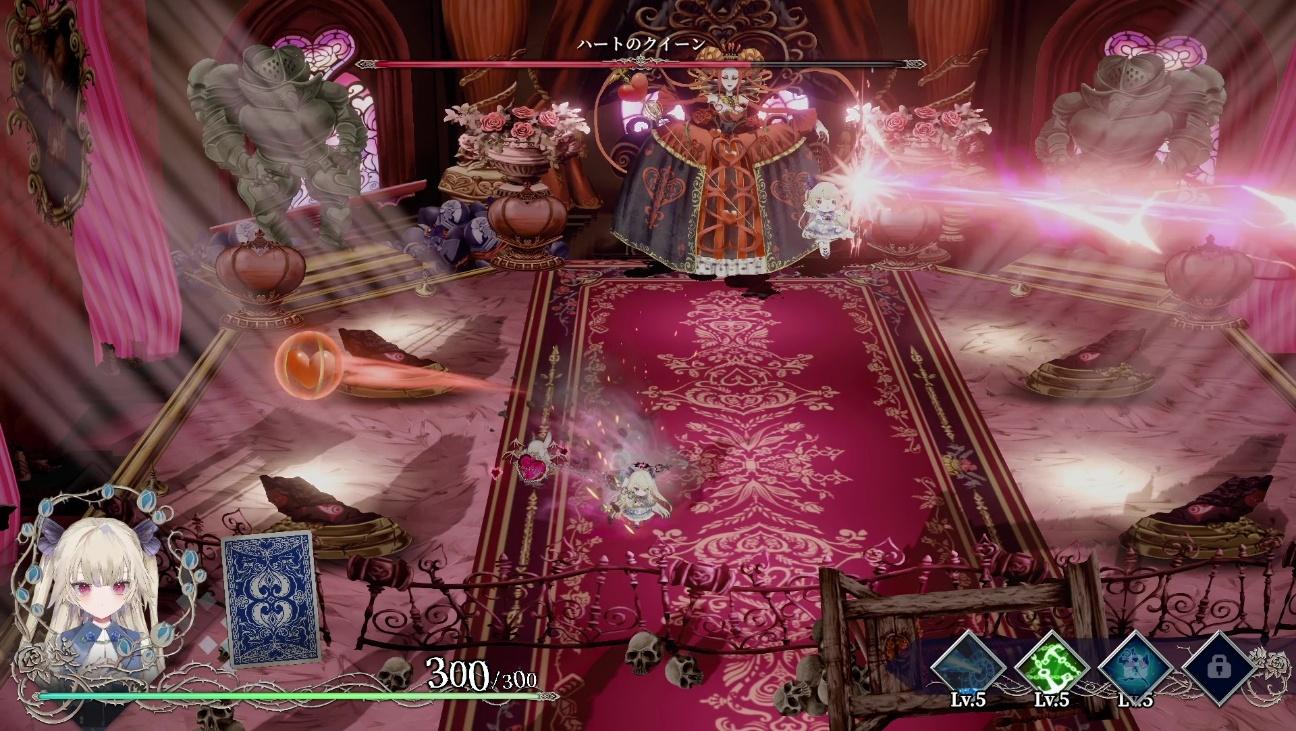
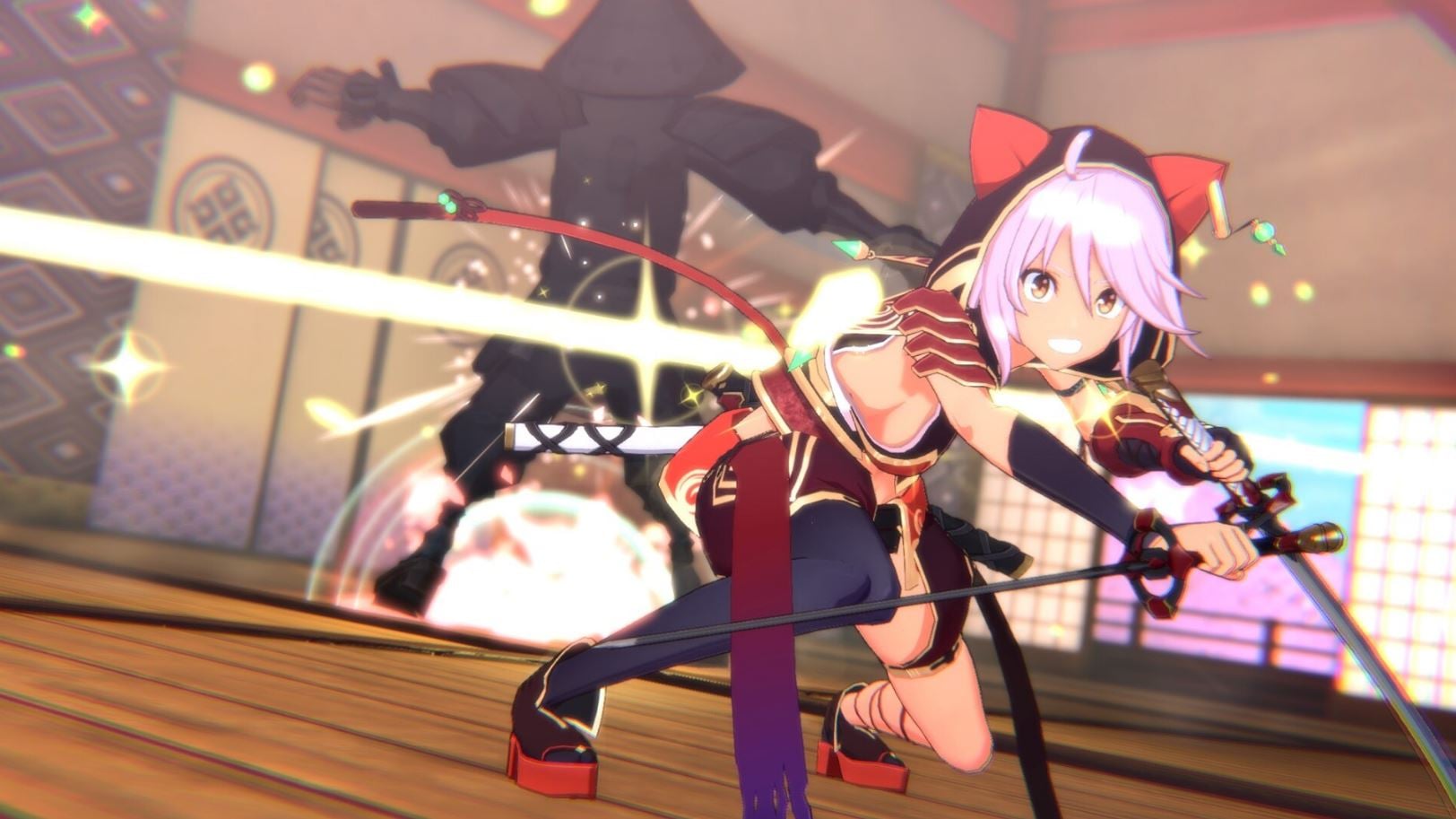
Eternal Palace Sakura, meanwhile, follows Retla, a cat-eared girl who ventures into a mysterious tower rumored to stretch infinitely toward the heavens. Trapped inside as soon as she enters, she must fight her way through countless enemies, collecting spoils of battle and rare treasures as she attempts to conquer its seemingly endless stages.
Despite their differences, the two games share enough in common to bring their developers together. FuRyu and Shochiku Games are planning a special collaboration bundle to coincide with the eventual Steam release of CRYMELIGHT, and we had the opportunity to sit down with the creators and publishers of both titles. We discussed their games, how they ended up sharing a release date so close to Grand Theft Auto VI, and what led to their collaboration.
Why sharing a release date doesn’t necessarily make us rivals
—First, could you introduce yourselves?
Hosenka:
I’m Hosenka, representative of the indie game circle Denneko Yuugi. I’ve been making indie games for around 13 or 14 years, and my current project is Eternal Palace Sakura. Through an opportunity that came our way, we partnered with Shochiku Games to release the game together. It’s a pleasure to be here today.
Yuki Kyoi (hereafter, Kyoi):
I’m Kyoi from Shochiku Games. Our company is publishing Eternal Palace Sakura, and I handle marketing. Thank you for this valuable opportunity.
Kunihiro Tamaki (hereafter, Tamaki):
I’m Tamaki, also from Shochiku Games. I’ve been working alongside Hosenka ever since I first got involved in Eternal Palace Sakura, and I’m personally very excited that we’re finally reaching the release date. I’ve been looking forward to today’s discussion, too. Thank you for having us.
Takumi Isobe (hereafter, Isobe):
I’m Isobe from FuRyu, and I serve as the producer and director of CRYMELIGHT. I joined FuRyu straight out of university and have been making games ever since. Thank you for having me.
Kobayashi:
I’m Kobayashi from FuRyu. I generally handle matters related to Steam at the company. I’m very grateful that this wonderful connection has come about. Since both our titles are launching on November 5, I’m looking forward to discussing various topics today.
—To start with, could you each introduce CRYMELIGHT and Eternal Palace Sakura?
Isobe:
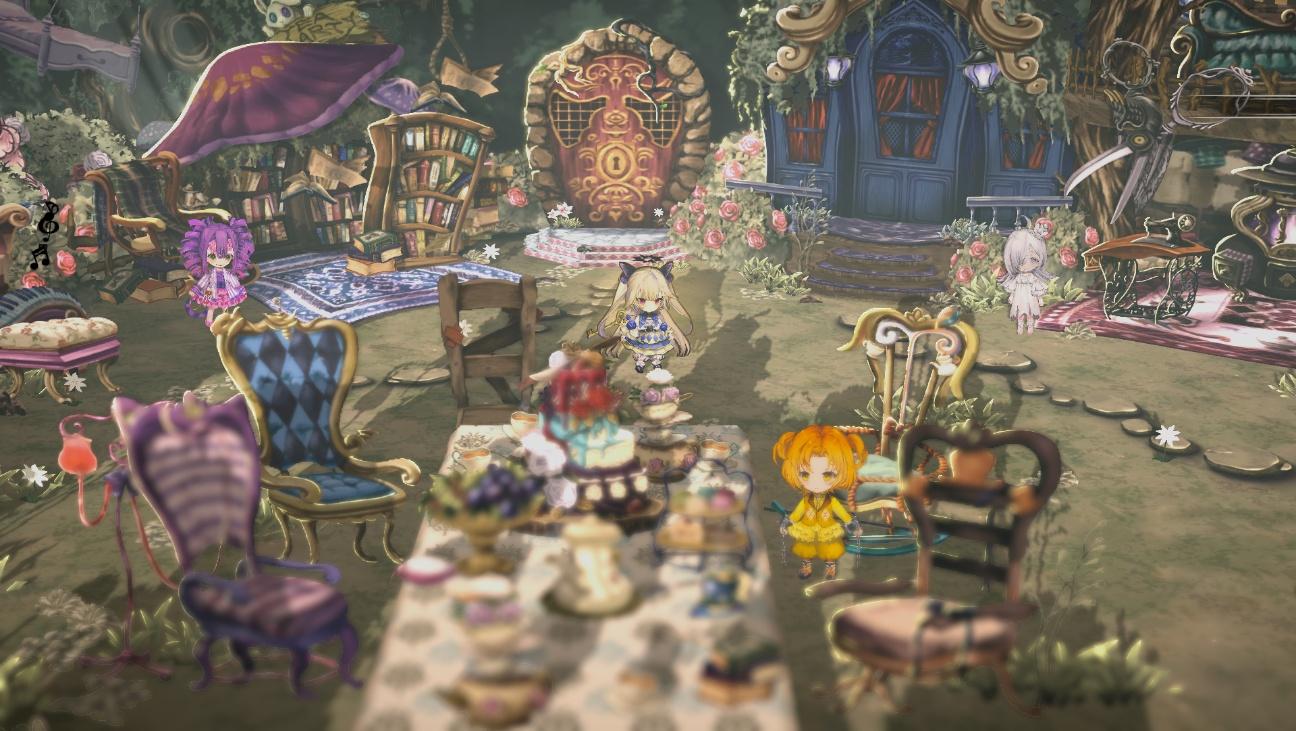
CRYMELIGHT is the latest entry in the CRY series. It’s a story-driven roguelike action game themed around sin, in which girls shed tears as they confront their cruel fates. We aimed for a visual style reminiscent of fine art, so we developed it as a 2D game.
Hosenka:
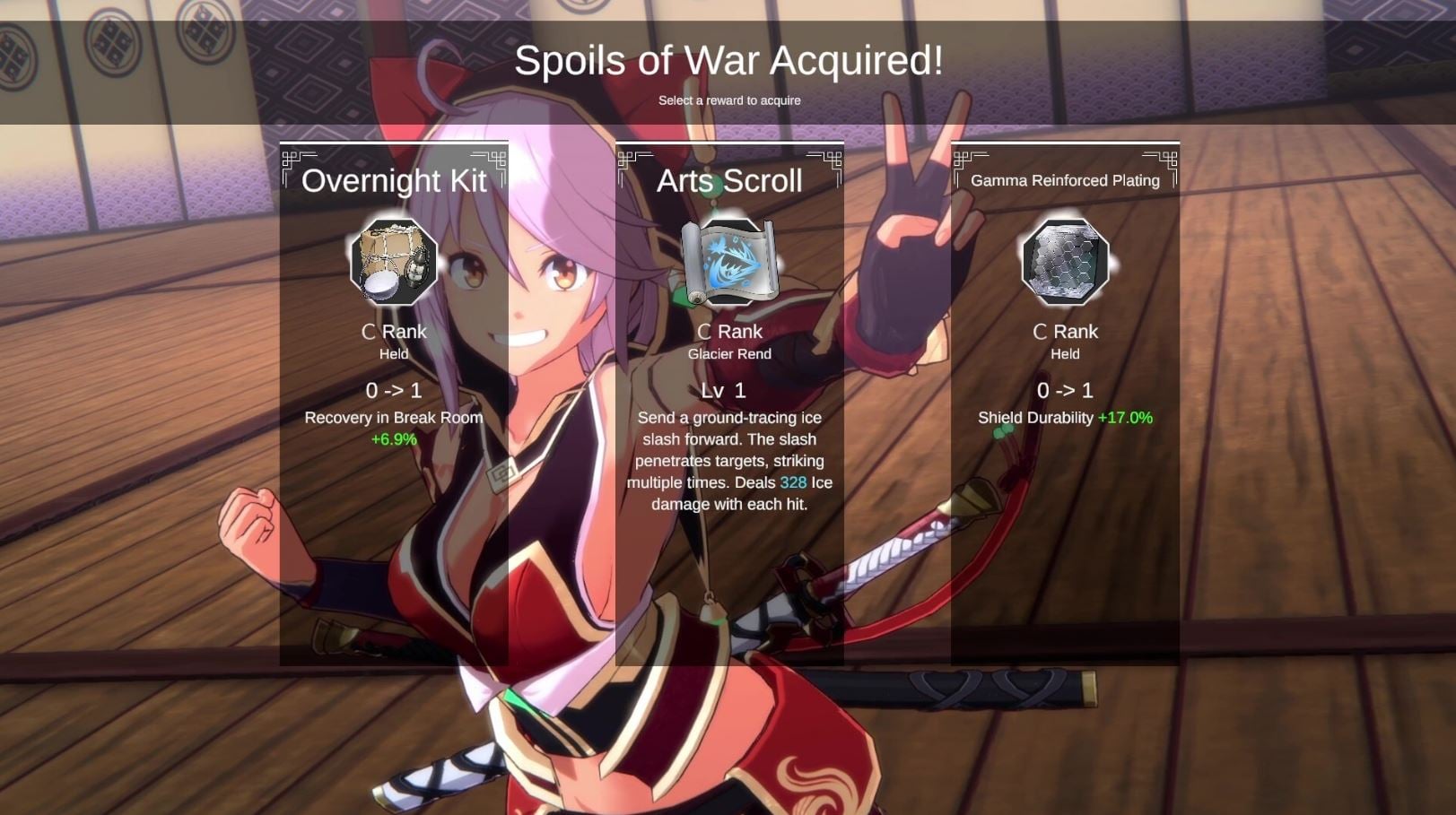
Eternal Palace Sakura is a 3D action game starring a girl named Retla, who wears a cat-eared hood. We originally started making it as a relatively small roguelite game, but development ended up taking six years, and the project gradually grew in scale. We continued working on it at a slow pace until we ran out of funds two and a half years ago. That’s when we connected with Shochiku Games. They offered various forms of support as our publisher, which dramatically sped up development. And now, we’re finally approaching its November 5 release.
—Both games are launching on November 5. Was there a particular reason you settled on that date?
Isobe:
In the case of CRYMELIGHT, we arrived at the November 5 release date by balancing users’ requests to play the game as soon as possible, as well as the time we needed to ensure a high quality. As a company, we have a general target period in mind for a game’s release, but the specific date is decided through discussions within the development team.
Hosenka:
As for Eternal Palace Sakura… it was actually originally scheduled for release at the end of 2025.
—Oh, a year ago?
Hosenka:
Yes. As we were working toward that release window, we exhibited the game at Steam Next Fest in October last year. However, we discovered some issues at that point and decided that the game needed further refinement.
Shochiku Games then suggested that, if we were going to delay the release anyway, we might as well aim for Nintendo Switch support, too. That was one of the reasons for the release’s current timing. November 5 ended up being the day when all the necessary preparations for Eternal Palace Sakura fell into place.
—What kind of issues did you discover during Steam Next Fest, and were you able to address them?
Hosenka:
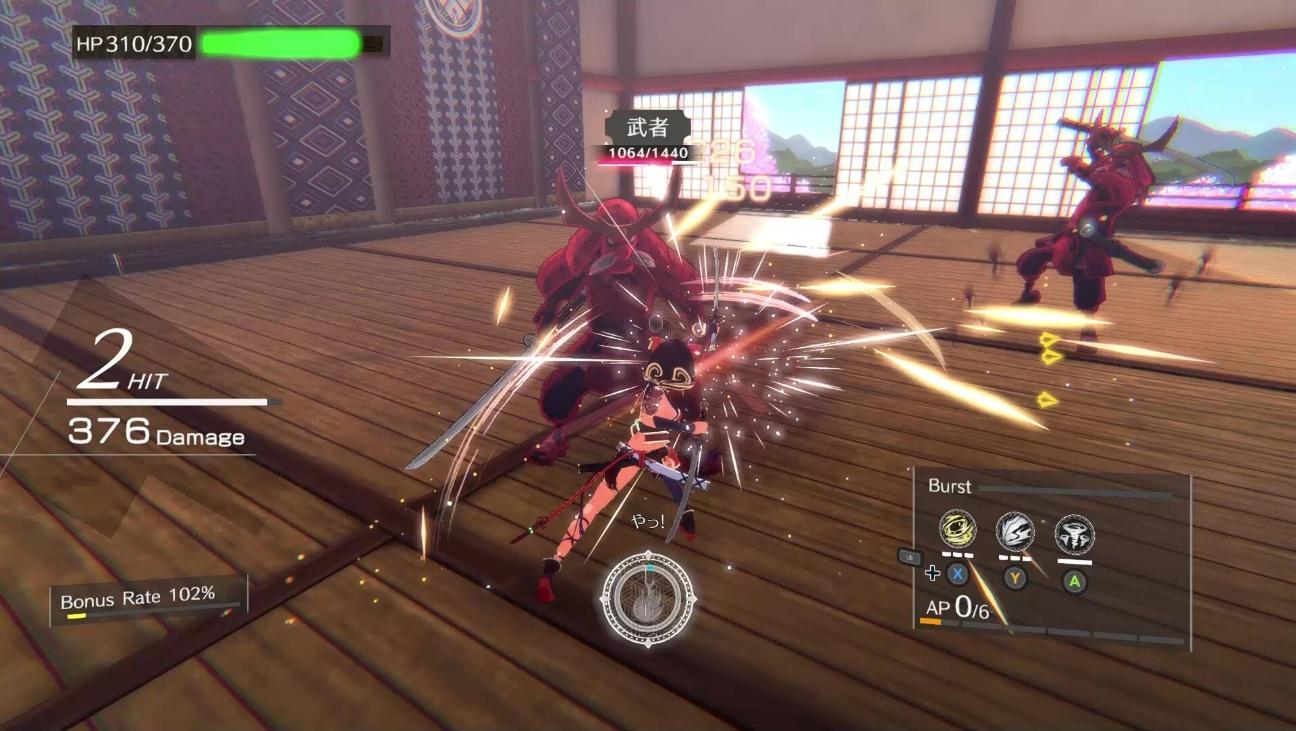
The first issue was the overall feel of the gameplay. For example, our original concept was to make the game easy to pick up and play, so we didn’t include a lock-on feature. We designed it so that players could get by reasonably well even if they simply mashed the buttons. However, we received feedback that the game was difficult to play, which made us rethink our approach from the ground up. We started by revamping the camera controls.
—What specifically did you change?
Hosenka:
We fine-tuned a lot of small, supportive elements. For example, we adjusted the camera so that it pulls back properly when enemies move behind the character. We also received feedback that attacks didn’t feel satisfying enough when they landed, which was quite frustrating to hear. But when I saw people point it out, I realized it was true, so we made improvements in that area as well. We also enhanced the visuals of the stages. We asked for a few more months to put in the additional work needed to bring the game’s overall quality up.
—With all that in mind, what was the biggest factor that ultimately led to November 5 becoming the release date?
Hosenka:
Nintendo Switch compatibility. We’d been working on the Nintendo Switch version, and it was only last month or the month before that we were able to determine that it was ready, so we were cutting it quite close. After that, we went through the necessary checks, and around November was when we could finally see a path toward releasing the game and getting it into players’ hands as soon as possible.
—By the way, when you were deciding on the schedule, were you aware that CRYMELIGHT was also set to launch on November 5?
Tamaki:
As Hosenka mentioned, we settled on the release date quite shortly before launch. As we looked into possible dates, we of course noticed CRYMELIGHT. We also noticed The Legend of Zelda: Ocarina of Time…
Everyone:
(Laughs)
Tamaki:
Our release date ended up overlapping with CRYMELIGHT’s, which was something I felt a little apologetic about. When they reached out to us about this collaboration, I was very honored and relieved. I feel like, rather than rivals, they’ve welcomed us as fellow teammates.
—(Laughs) On the other hand, you had settled on CRYMELIGHT’s release date quite a while earlier, Isobe-san. I’m sure you’re confident in your own game, but do you not pay much attention to other titles launching around the same time?
Isobe:
We do pay attention, of course. However, take Grand Theft Auto VI, for example, which is also scheduled for November. We share the fact that we’re part of the same game industry. In the case of CRYMELIGHT and Eternal Palace Sakura, we share the roguelike action genre. My hope is that the overlap will help liven up both this one genre and the gaming industry as a whole this November.
—Right, these games don’t seem like the type to cannibalize each other’s audiences in the first place.
Isobe:
That’s right. CRYMELIGHT is more narrative-driven, while Eternal Palace Sakura puts a stronger emphasis on action, so I think they each have their own distinct appeal. Rather than competing with one another, I think the ideal outcome is for us to work together and get people hyped about having two roguelite action games launching on the same day.
—What are your impressions of Eternal Palace Sakura, Isobe-san?
Isobe:
It has a lot of appealing aspects, but I was particularly impressed by how adorable the character looks and moves in 3D.
Hosenka:
Thank you! (Blushes)
Isobe:
When you’re working with 3D models, there are inevitably angles from which the character doesn’t look quite as cute, or moments when the movements feel awkward. That’s one of the reasons we decided to make CRYMELIGHT in 2D. Given that, I think it’s especially impressive how cute Eternal Palace Sakura’s character looks in 3D. She’s adorable from every angle, even in screenshots, and her animations are just as cute. On top of that, the action looks satisfying, so I’m really looking forward to playing the full game!
—If CRYMELIGHT had been a 3D game, do you think you would have seen it as more of a competitor?
Isobe:
Perhaps I would have. However, the two games still have completely different worlds, so even if CRYMELIGHT had been in 3D, I don’t think I would have considered it a particularly fierce rival. On the other hand, both games share the roguelite action genre, have female protagonists, and are launching on the same day, so I do regret not finding out about the overlap sooner. If I had, perhaps we could have done even more together, such as an in-game collaboration.
—By the way, who initially proposed this discussion and the collaboration bundle on Steam?
Isobe:
It came from our (FuRyu’s) side. We were in the final stages of development when Eternal Palace Sakura’s release date was announced. Kobayashi told me at the time that the two games were launching on the same day, and suggested that we might be able to build excitement together. I just went, “Sounds good. Let’s do it!” and that’s how things got started.
—How did Shochiku Games respond to FuRyu’s proposal?
Kyoi:
I remember being very happy when FuRyu contacted us, and we replied right away.
Kobayashi:
As Isobe-san mentioned, I was the one who made the suggestion, and Isobe-san agreed that we should go ahead with it. So, that very same day, I reached out to Shochiku Games through the inquiry form on their website.
—Wait, you contacted them through the inquiry form?
Kobayashi:
That’s right (laughs). They got back to us the following day, and we decided to arrange a meeting. We held that meeting within the same week, so everything came together remarkably quickly.
Kyoi:
After that meeting, we told Hosenka about the proposal, and they were immediately on board. That’s how this collaboration came about.
Hosenka:
To be honest, my first reaction was, “Why?” (laughs) I’d known about FuRyu for a long time, so I was a little bewildered, but also extremely grateful.
—By the way, what was your impression of CRYMELIGHT, Hosenka-san?
Hosenka:
I took a good look at the game’s trailers and all, and honestly, I felt a little frustrated. It’s a wonderful game that does exactly the kind of things I wish to accomplish myself. You can sense the story even through its visuals. The stage and boss designs, for instance, give you glimpses of the narrative. They make you wonder what kind of past the characters might have had, or what sort of inner worlds the environments are meant to represent.
I imagine the Alice in Wonderland motif is at the heart of the game, but the contrast between that familiar setting, the eerie atmosphere, and the raw subject matter of the girls’ sins is extremely compelling. I think the way those concepts are translated into the game’s overall design is particularly well done. These are things I still haven’t managed to achieve myself, despite wanting to, so there was a lot I felt I could learn from it.
Isobe:
Thank you.
Repeatedly refining the experience through player feedback
—Eternal Palace Sakura underwent repeated refinements based on feedback from the Steam Next Fest demo. Meanwhile, CRYMELIGHT also had several demos prior to launch, right?
Isobe:
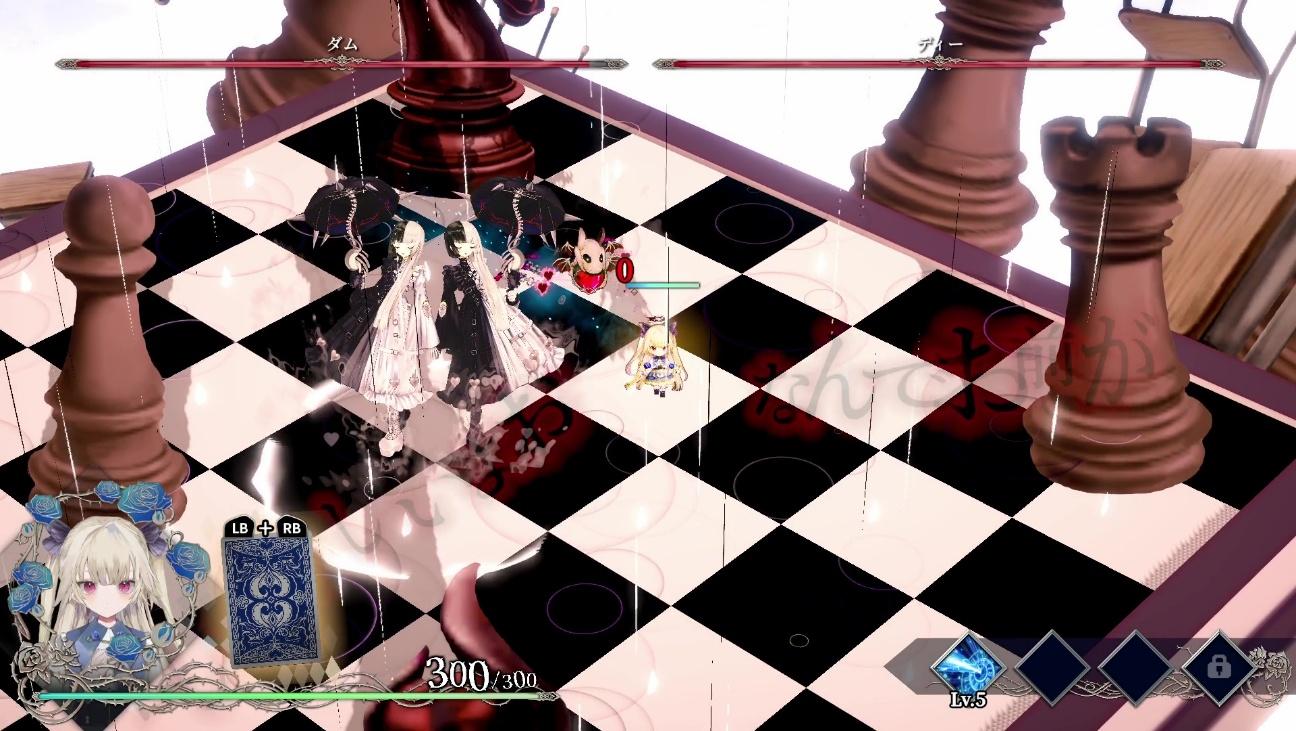
For CRYMELIGHT, we first exhibited a playable demo at Tokyo Game Dungeon 12, which took place the week after the game was initially announced. The previous entries in the CRY series, CRYSTAR and CRYMACHINA, received positive feedback for their worldview and story. However, both the company and I personally recognized that there was still plenty of room for improvement in terms of gameplay itself.
When we first came up with the concept for this project, we wanted to create something that was not only compelling in its story and world, but also genuinely fun to play. To achieve that, we wanted players to try out the combat as early as possible and give us their impressions. We wanted to shape the game together with players. That’s why we quickly prepared a demo focused exclusively on combat and let people try it out. We then analyzed the feedback from those who played it at the event and released an updated combat demo on Steam that incorporated their suggestions.
From there, we continued gathering feedback and making improvements, regularly exhibiting the game at demo showcases and other events. Once the game had taken shape to a certain extent, we incorporated its roguelite progression and distinctive storyline, then released a proper demo featuring the opening section of the full game on each platform. We received feedback on that demo as well, and we’re continuing to address it through patches and other updates.
—Did you ever consider delaying the release given how much work went into improving the demos?
Isobe:
We didn’t consider that option for two reasons. First, we wanted players to be able to enjoy the game as soon as possible. Also, we felt that if we decided to delay it, we’d always find more things we wanted to improve, and there would be no end to it. We had a reasonable expectation that we could release the game at this point.
The second reason is that, while there were certainly aspects we needed to fix based on player feedback, there weren’t any major issues that required us to fundamentally rethink the game’s design.
—Do you think things would have turned out differently if you had only released a demo at Steam Next Fest, one month before launch?
Isobe:
Yes. Looking back, I think releasing several demos starting six months before launch was the right approach. If we’d only released our first demo one or two months before launch, we probably wouldn’t have had enough time to address the feedback (laughs). That’s why I think it worked very well to let players experience the game at such an early stage, in small increments, initially focusing exclusively on combat, and then gradually refine it based on their feedback.
That said, as a producer and director, I also have a desire to create things freely, so I’m quite envious of Hosenka-san, who was able to take the time to develop the game until they were personally satisfied with it.
—Hosenka-san, I believe you’ve been developing games within your own circle for a long time. But after partnering with Shochiku Games for this project, did you stick to your own creative vision, or did you change your approach to collaborate more closely with them?
Hosenka:
In my position, both are necessary. Honestly, if I don’t stick to my own convictions, the perceived value of the game as a commercial product can drop greatly. That’s why I’ve approached development with the mindset that I have to put real effort into the areas I consider important. Otherwise, the game simply wouldn’t have the value it needs as a product.
At the same time, there are limitations when you’re making a 3D action game. Increasing the amount of content inevitably takes more money and time. That’s something I can’t overcome through sheer effort alone, so I actually established a resource budget from the outset and decided on a limit for how far we could take the project.
Within those constraints, my policy has been to do everything I possibly can. We’re still in the final stages of making adjustments as of this interview, and Shochiku Games has been incredibly patient with us, allowing us to continue refining things right up to the last minute. I really can’t thank them enough. We’ve already delayed the game once, so I feel both apologetic and determined to do everything I can to make the final push count.
Tamaki:
Hosenka doesn’t just handle the game’s development, they also lead the dev team as the representative, sometimes take care of promotion through social media and events, and manage all communications with our company. We’re always amazed by their passion and the speed at which they work. We’ve done our best to keep up with that energy and do everything we can to help them focus on development as much as possible.
Hosenka:
We’ll give it everything we’ve got for this final stretch!
Developers always wish they had more time
—If you had no constraints whatsoever, when would you each have wanted to release your respective games?
Everyone:
(Silence)
Kyoi:
Go on, Hosenka-san, feel free to be honest.
Hosenka:
I’m not very knowledgeable when it comes to that… (laughs) I wonder what would be best.
Tamaki:
I actually think November 5 has turned out to be a good release date for Eternal Palace Sakura. There are events and sales scheduled around that period, and we’ve avoided the major summer releases. To be honest, we did take Grand Theft Auto VI into consideration, but there’s a two-week gap before its release, and the platforms are different. Also, since our game is a roguelike, I thought it could be a good title for people to keep coming back to while waiting for a major release. I don’t particularly like putting it that way, though.
Another possibility might have been to release it in spring, since the title “Eternal Palace Sakura” mentions cherry blossoms.
—Matching the release to the season would certainly have been nice, too. What about CRYMELIGHT?
Kobayashi:
In our case, perhaps we would have started Early Access in November and then officially released the game the following November.
—That’s honest! (Laughs)
Kobayashi:
More realistically, if we had no constraints, we might have considered January or February 2027, taking competing releases, upcoming sale schedules, and purchasing trends among overseas users into account. That’s a slightly unglamorous side of the business (laughs).
We might also have launched in Early Access, then continued updating the game based on user feedback before the full release. That would have been very much in line with what Isobe-san ideally wanted to do. I think Cinderia and The Witch’s Garden, whose developers we spoke to after TGS, are good examples of games that grew alongside their players in exactly that way.
Isobe:
If we had the budget, I’d happily extend development for as long as possible.
Everyone:
(Laughs)
—So, as developers, the more time you have, the better?
Isobe:
There are always more things you want to do and more things you want to add. In this sense, having a release date forces you to make compromises, which is actually a good thing. With that in mind, I think we’ve made the most of what we could accomplish in CRYMELIGHT within the time we had.
—Finally, could each of you share a message with our readers ahead of the games’ releases?
Isobe:
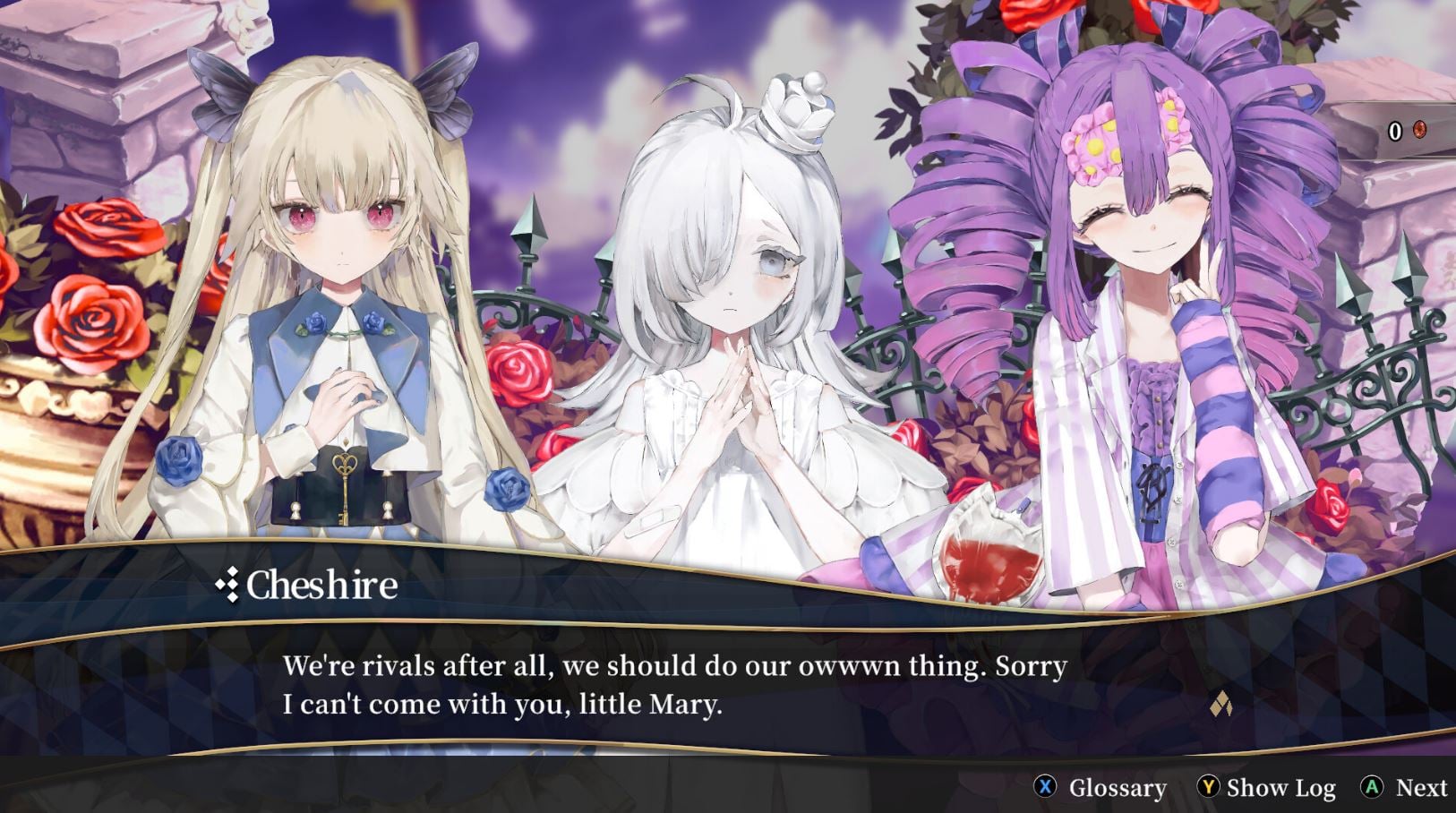
The biggest selling point of CRYMELIGHT is its story, but honestly, that’s something you really have to experience for yourself to understand its appeal. The story begins with a girl named Alice awakening in Wonderland, a place in the afterlife, where she sets out to defeat the Queen of Hearts. Along the way, she gradually confronts her own memories and the sins she has committed because of her companions. Visually, the game features a dark, bizarre fantasy world reminiscent of Tim Burton’s works, while the girls’ sins are portrayed in a very realistic and grounded way. I think that contrast makes for a particularly interesting setting.
In terms of gameplay, one of the game’s distinctive features is its skill system, called Crymecards, which appear after each stage in its roguelite progression. Each skill is assigned a playing-card suit and number, and combining cards to form poker-style hands strengthens their effects. Players have to make strategic choices, such as whether to focus on forming hands or simply collect individually powerful skills. This is a mechanic you won’t find in many other roguelikes, so I hope you’ll enjoy the gameplay as well as the story.
Hosenka:
We’ve kept everyone waiting, but Eternal Palace Sakura is finally about to launch. It’s an accessible 3D action roguelite in which you control a character who’s both cool and cute. That said, the current version has turned out to be somewhat challenging, with particularly formidable enemies and bosses. I think it offers something for people looking for a substantial challenge, those who want to control a cute character, and anyone searching for an approachable 3D action game.
As for its roguelike elements, it’s a game where you collect resources inside dungeons to strengthen your character, with upgrades primarily revolving around item collection. One of the games we drew inspiration from was Risk of Rain. Much like Risk of Rain, Eternal Palace Sakura is all about collecting items and watching your stats and visual effects become increasingly extravagant. There are also various possible build combinations, including different elemental attributes and critical-hit setups, so I hope you’ll experiment with them.
—Although both games fall under the roguelike umbrella, it sounds like players could enjoy switching between CRYMELIGHT and Eternal Palace Sakura.
Hosenka:
Speaking of which, I was surprised to hear that some people were planning to buy both games. I thought, “You’re buying ours too? Thank you!” (laughs)
—I suppose that’s where the bundle comes in handy.
Kobayashi:
We’ll be offering a bundle featuring CRYMELIGHT and Eternal Palace Sakura. On top of the launch sale prices for each game, the bundle will offer an additional 5% discount, making it an even better deal. Both titles will be available at affordable price points, so we’d be delighted if you gave them both a try.
*The collaboration bundle will become available when the Steam version of CRYMELIGHT launches.
—Thank you very much for your time.
CRYMELIGHT is out now for PS5 and Nintendo Switch 2, while Eternal Palace Sakura is available for PC (Steam) and Nintendo Switch. The Steam version of CRYMELIGHT is expected to launch as soon as it clears Valve’s review process.
[Writer, editor: Koutaro Sato]
[Interviewer, editor: Ayuo Kawase]

AUTOMATON WEST
Articles: 215Related Posts