Bandai Namco says new in-house engine SOL-AVES’s key strength is the high processing speed fighting games require
During a recent shareholders' Q&A, Bandai Namco Group talked about the purpose of its new game engine, SOL-AVES.

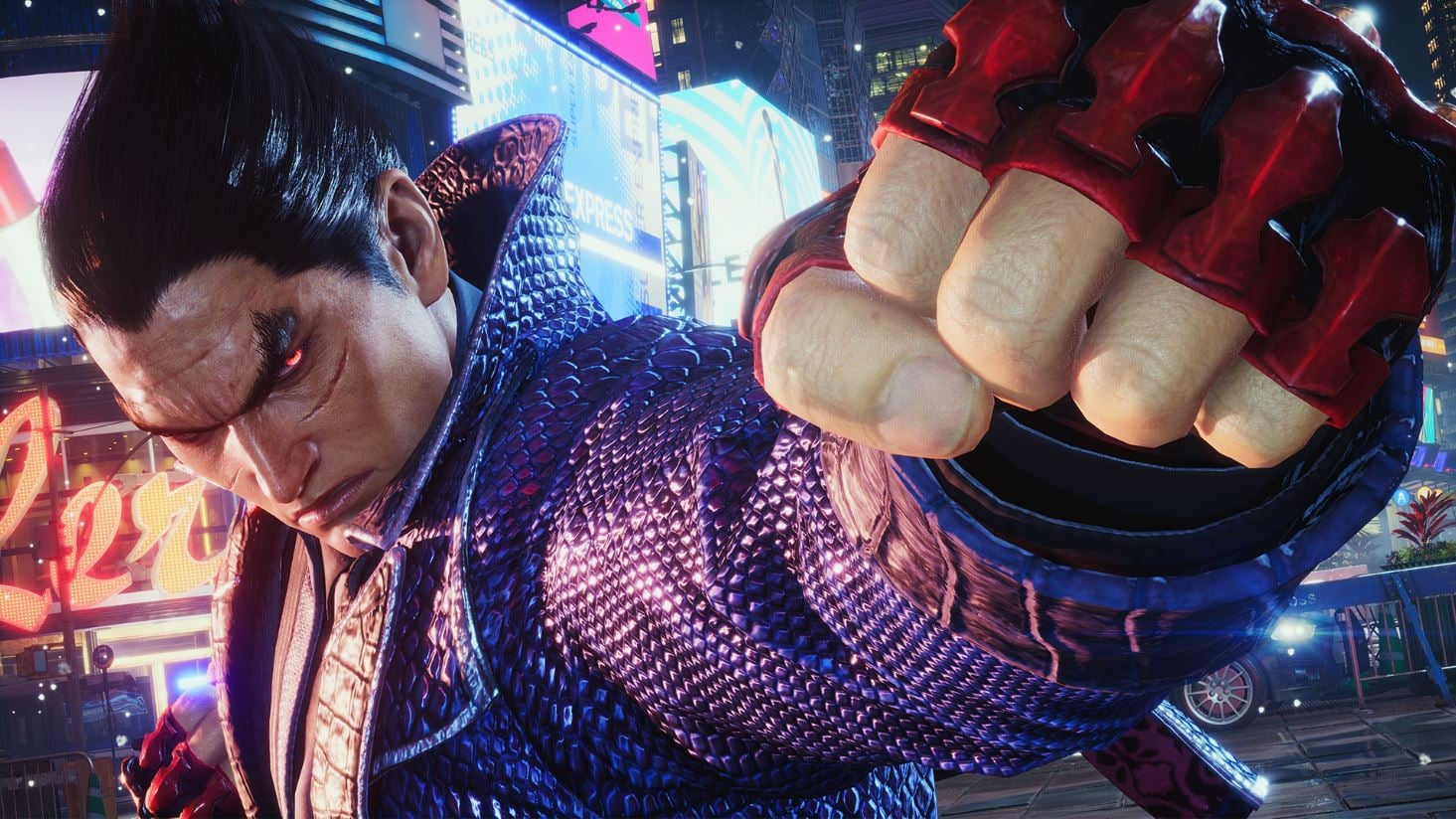
Bandai Namco Holdings has published a transcript of its shareholders Q&A for the first half of the fiscal year ending March 2027. During the briefing (held on November 11) the company talked about its decision to develop SOL-AVES – a new proprietary game engine – and what it considers the engine’s key strengths.
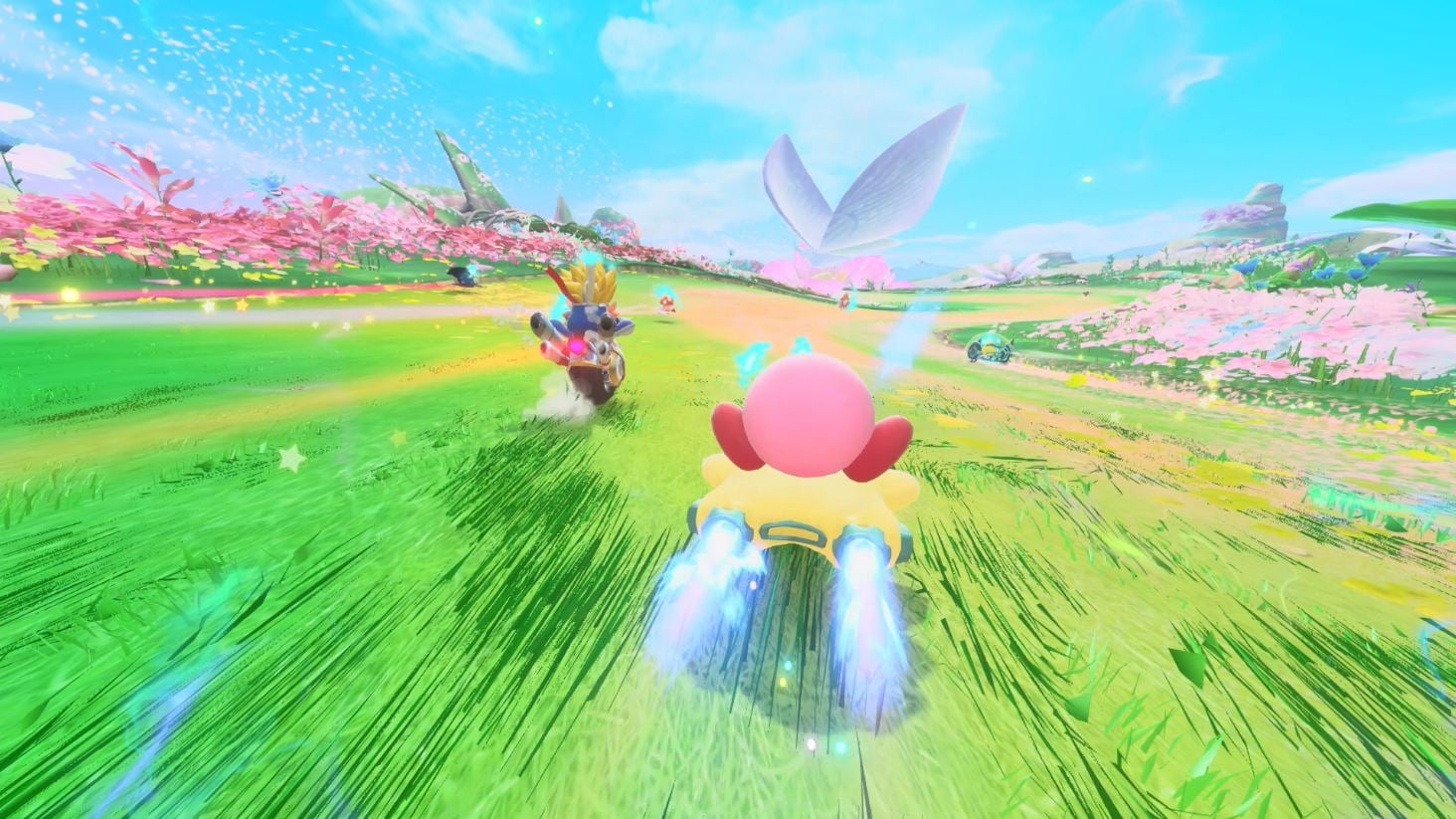
Developed by Bandai Namco Studios (the studio involved in in-house series like Tekken, Ace Combat, and Tales alongside development of various third-party IPs) SOL-AVES was first announced as an unnamed, work-in-progress proprietary engine back in 2022. Its existence became more widely known in 2025, when it was revealed to be the game engine used for Nintendo’s Kirby Air Riders.
Commenting on the engine’s purpose in the recent shareholders’ briefing, Bandai Namco’s representative said, “SOL-AVES consolidates the know-how we have accumulated through many years of game development. It is designed to support a wide range of genres, including fighting action games and RPGs, which are among the genres Bandai Namco aims to expand within its game portfolio.” Notably, they mentioned that one of SOL-AVES’s particular strengths is its processing speed, “which is essential for fighting action games.”
They went on to explain, “Our goals in introducing the engine are to improve game quality and maximize creators’ creative potential. It has been developed with the philosophy of implementing creative assets into games as quickly as possible. We will first focus on making full use of it within the Bandai Namco Group.”
Work on SOL-AVES started back in 2019, with Bandai Namco aiming to secure an environment for developing AAA-scale games, including open-world titles, without the need to rely on third-party engines like Unity or Unreal Engine. Development was headed by former Ubisoft and Square Enix technical director Julien Mercenon, and drew from the foundations of numerous independent game development tools Bandai Namco Studios’s dev teams had created throughout the years.

Amber V
Articles: 1653Related Posts