Paradox Interactive released Transport Fever 3, the latest installment in the popular logistics management simulation series by Swiss developer Urban Games, on September 30. The game lets players build and manage transportation networks using railways, ships and aircraft, among other forms of transport.
Considering their shared passion for railways and transportation, AUTOMATON recently brought together the developers of Transport Fever 3 and A-Train – Artdink’s series of railway company management simulations – for a roundtable interview.
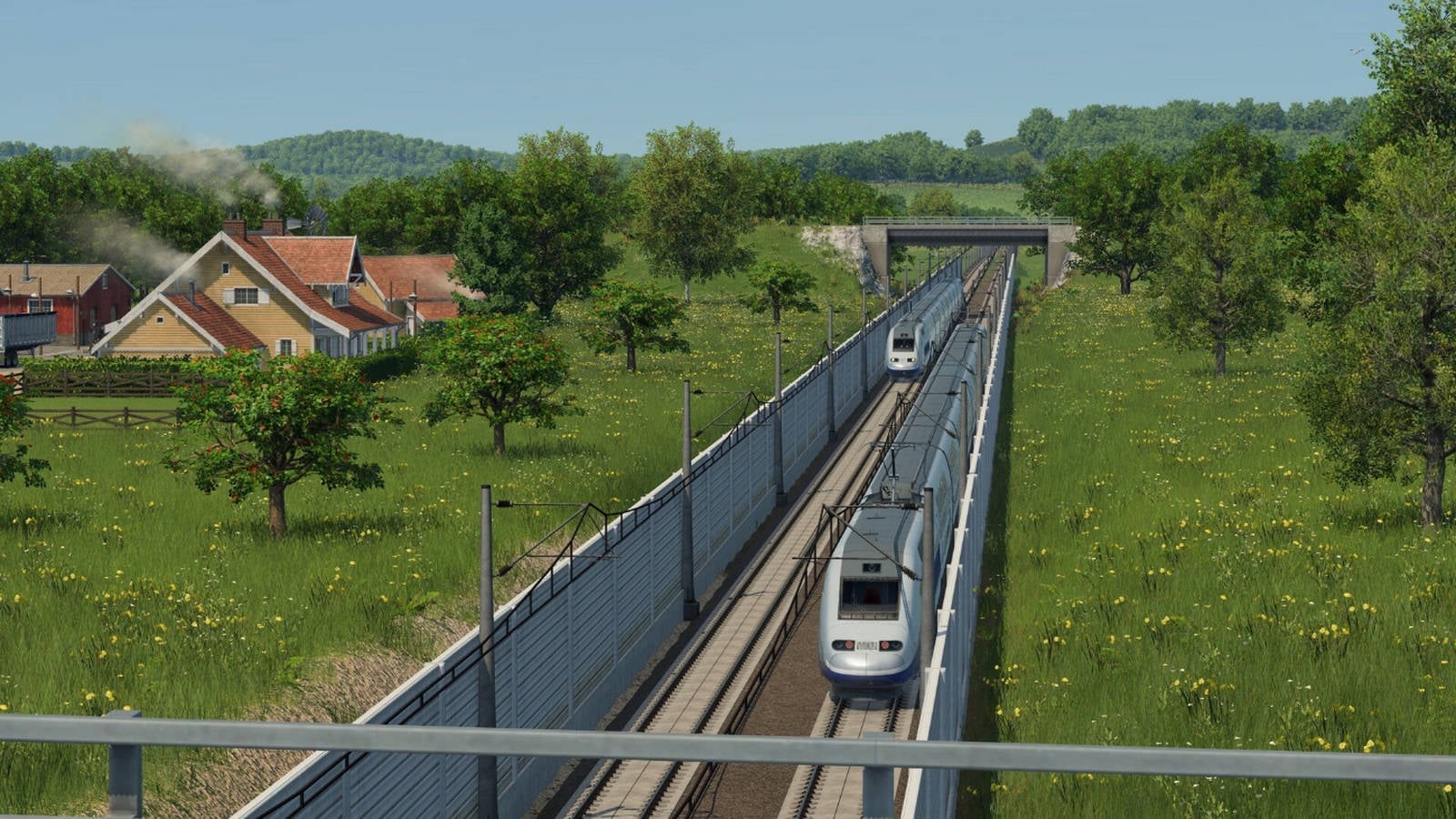
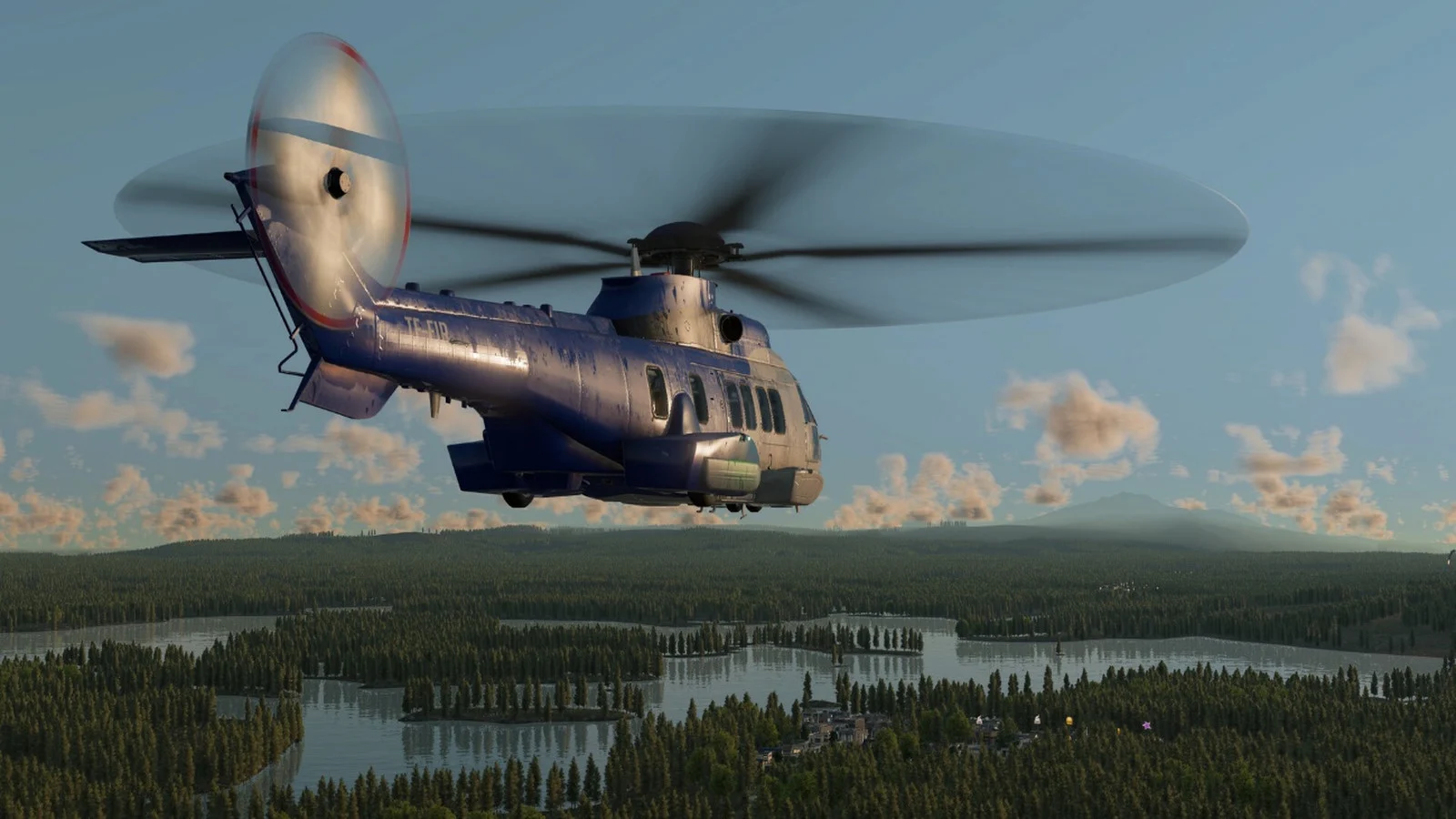
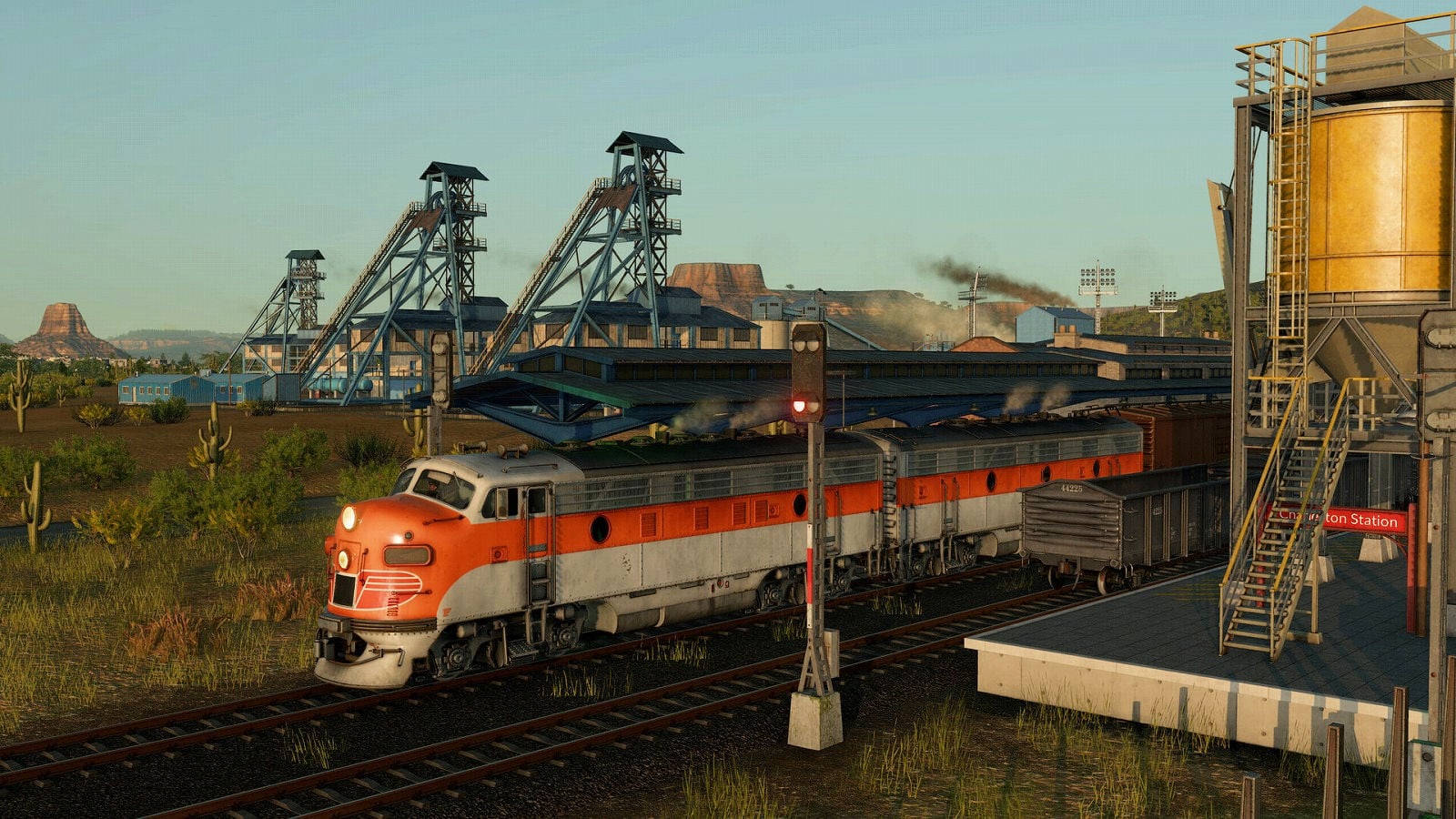
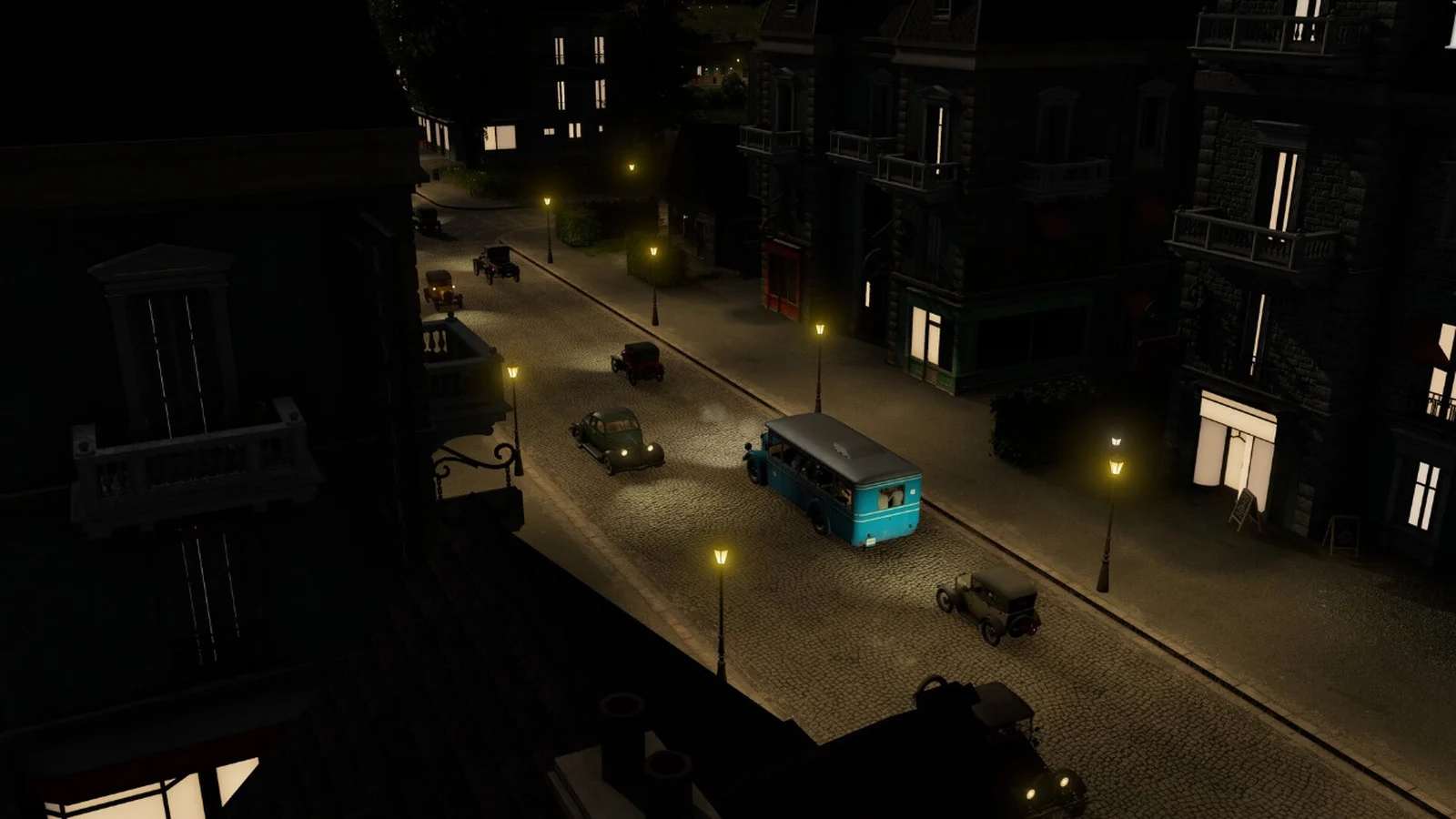
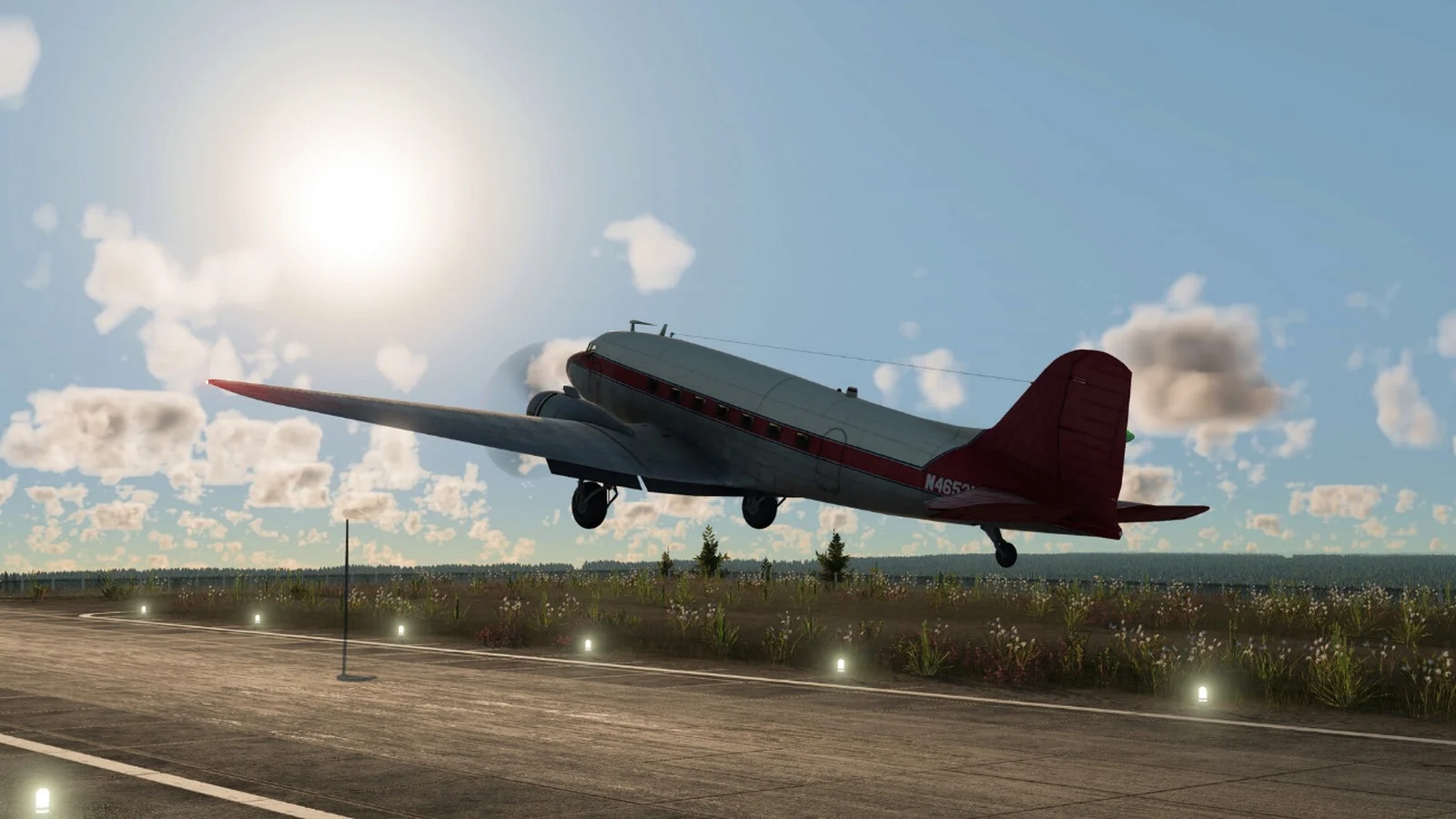
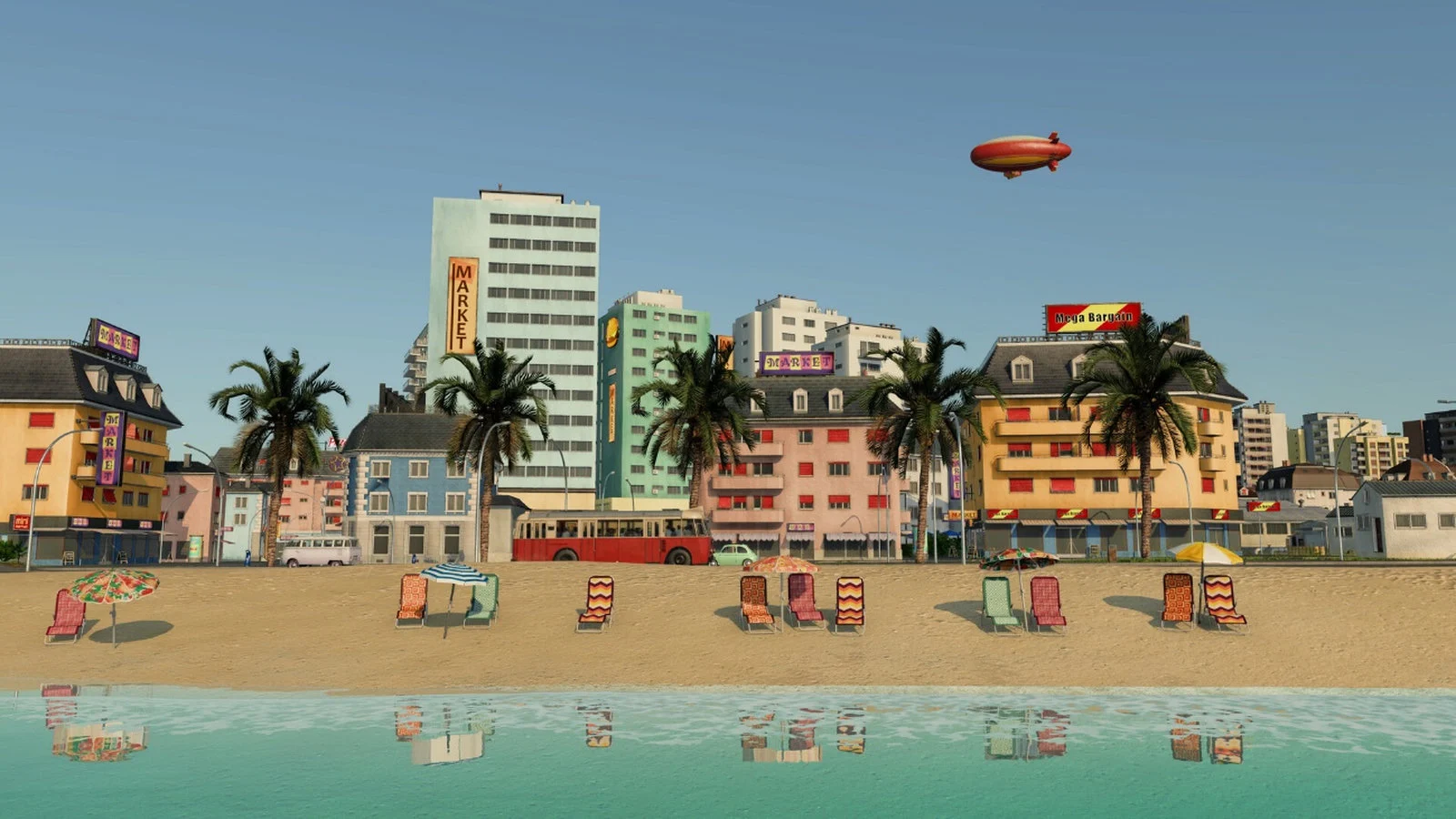
In Transport Fever 3, players manage and operate logistics networks spanning railways, roads, and shipping routes across four different environments: temperate, desert, tropical, and subarctic. By combining more than 250 types of trains, buses, trams, trucks, ships, aircraft, and other vehicles, players connect cities, stimulate numerous industries, and build a vast economic network. The game also introduces new features such as day-night cycles and dynamic weather.
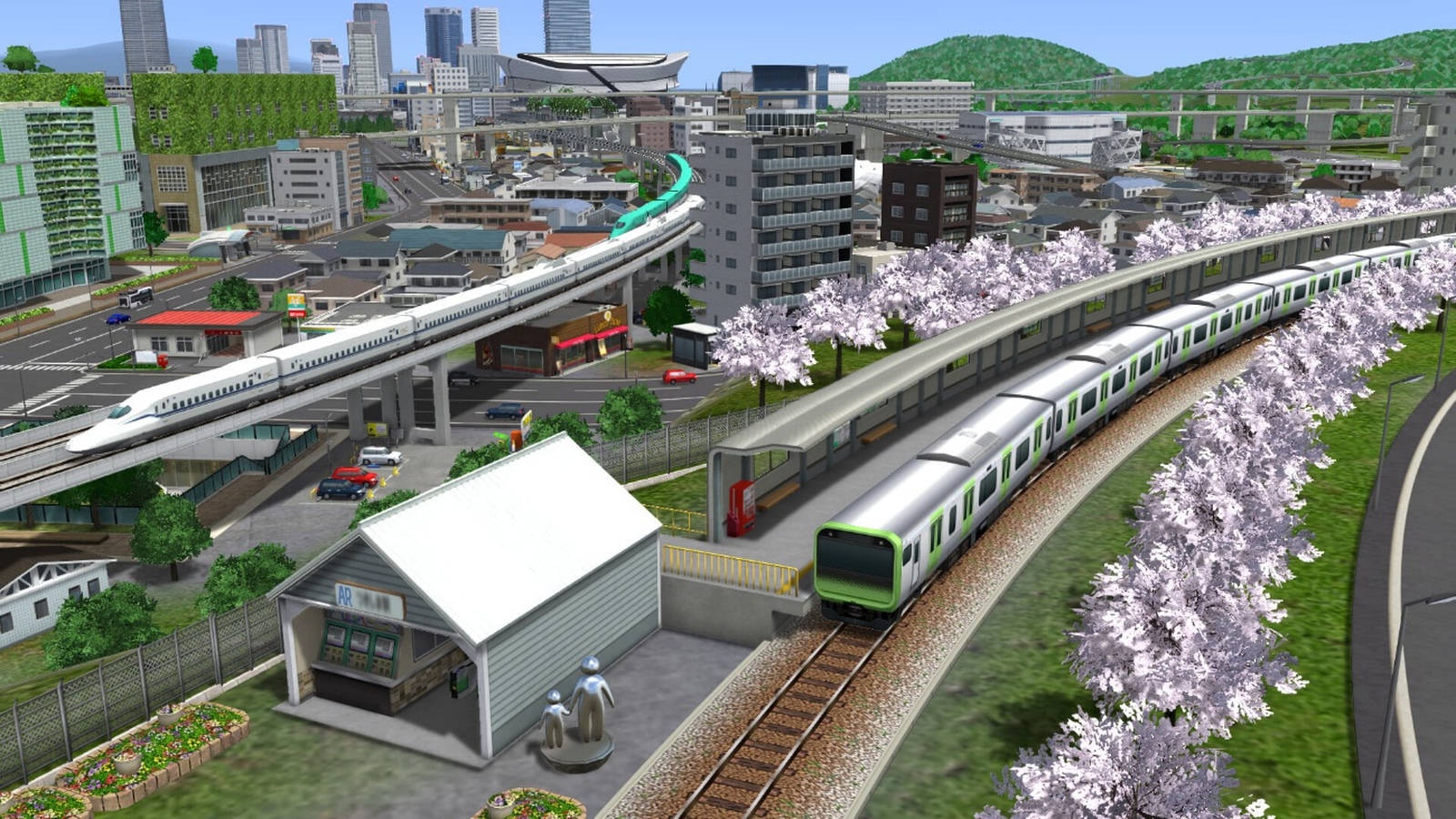
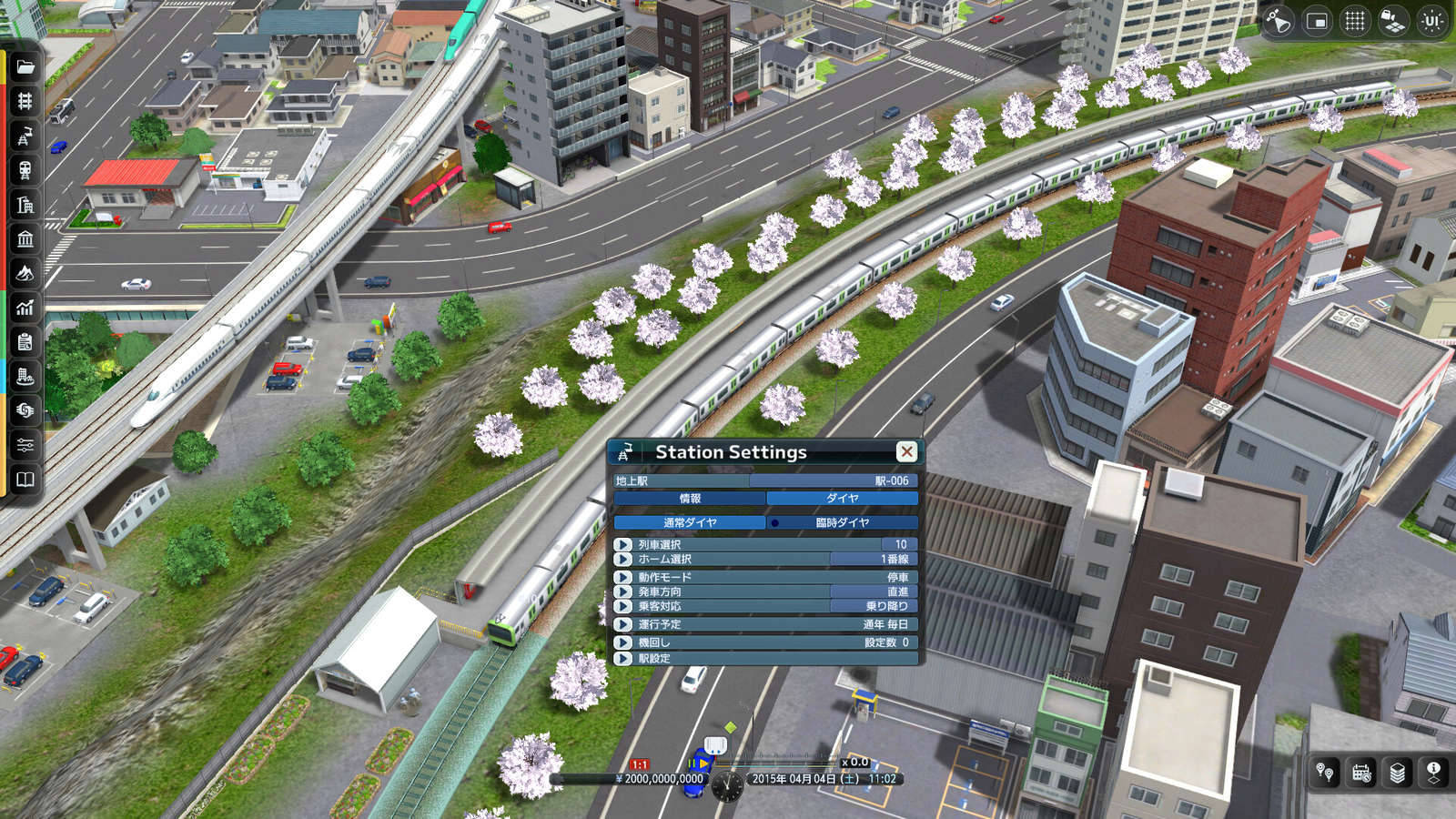
The A-Train series, meanwhile, differs from other city-building simulation games in that players do not directly designate and develop individual plots or areas. Instead, cities are developed indirectly through the operation of a railway company. As people gather around stations and railway lines, towns emerge and expand, allowing the games to depict not only railway company management but also modern cityscapes that grow and evolve alongside the railway. The latest entry in the series, A-Train 9 PRIME LINE, is scheduled to launch on Steam on December 10.
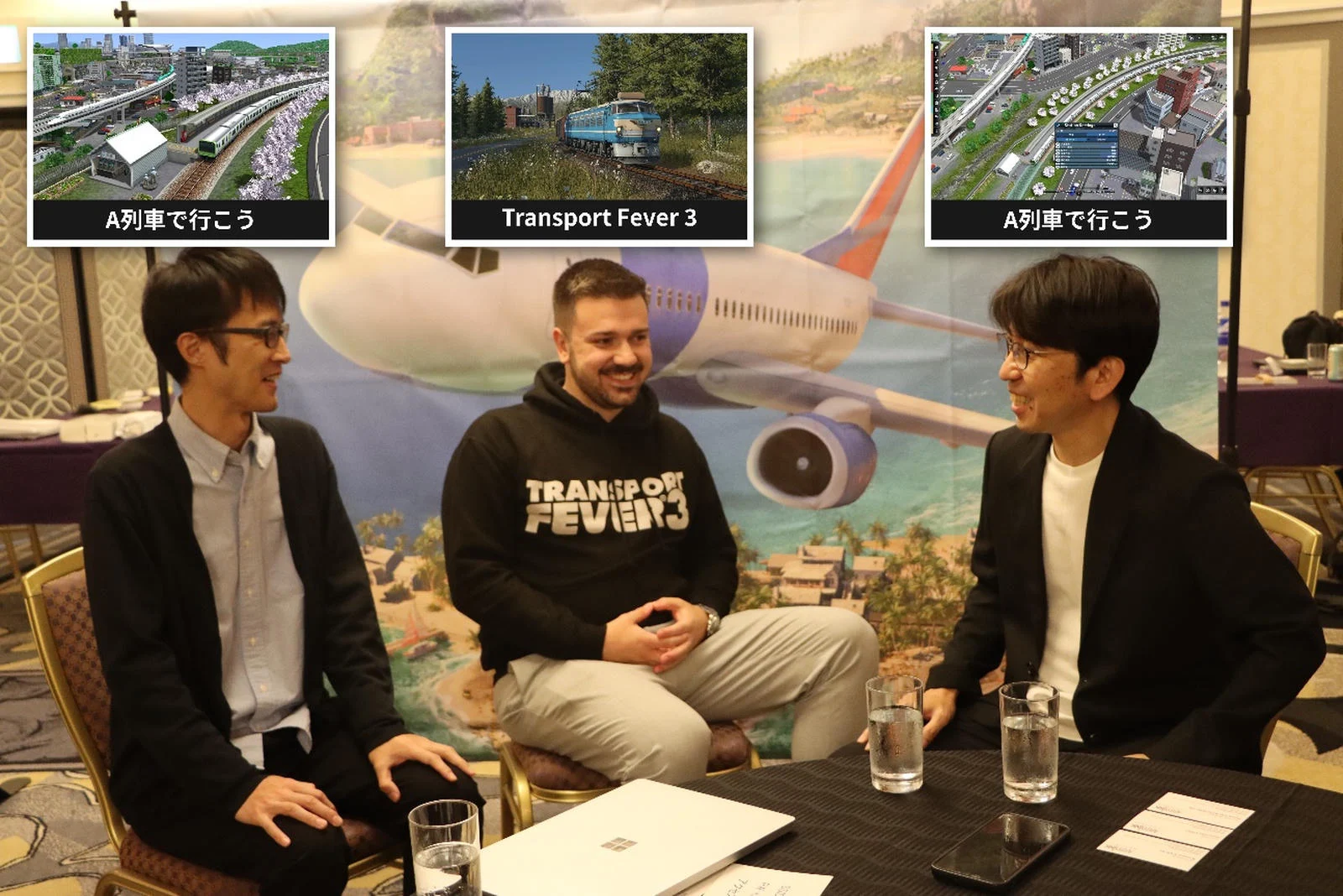
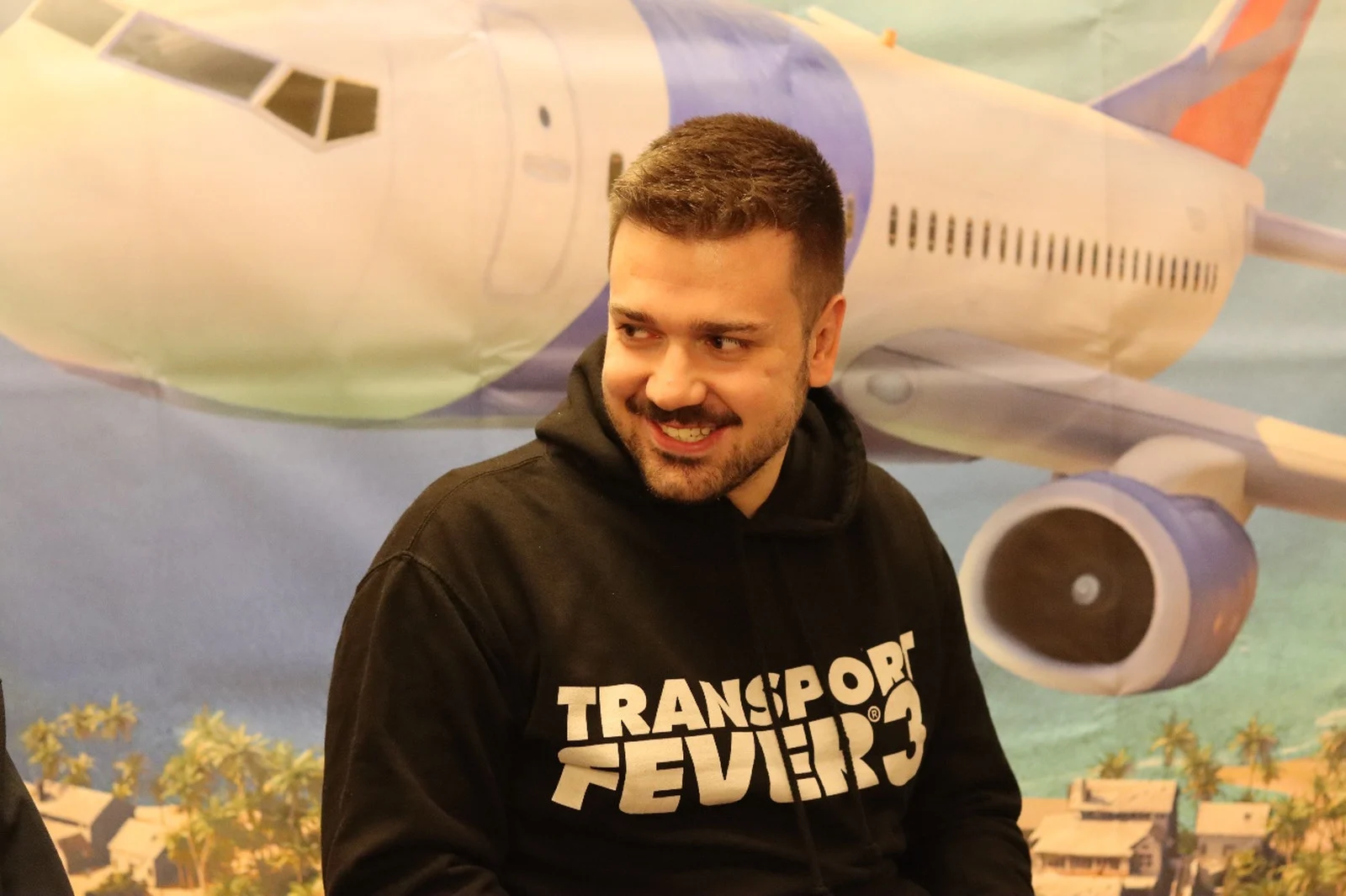
For this interview, we spoke with Nico Heini, Publishing Manager at Urban Games, as well as Junmei Ono, director of Artdink’s A-Train series, and Takayuki Seido, producer of the series. Although the two games have distinct styles, they share a common focus on expanding railway networks and developing cities. We talked to the developers about the ideas and development processes behind both titles.
Two game companies with ‘railways’ at their roots
—First, could you please introduce yourselves?
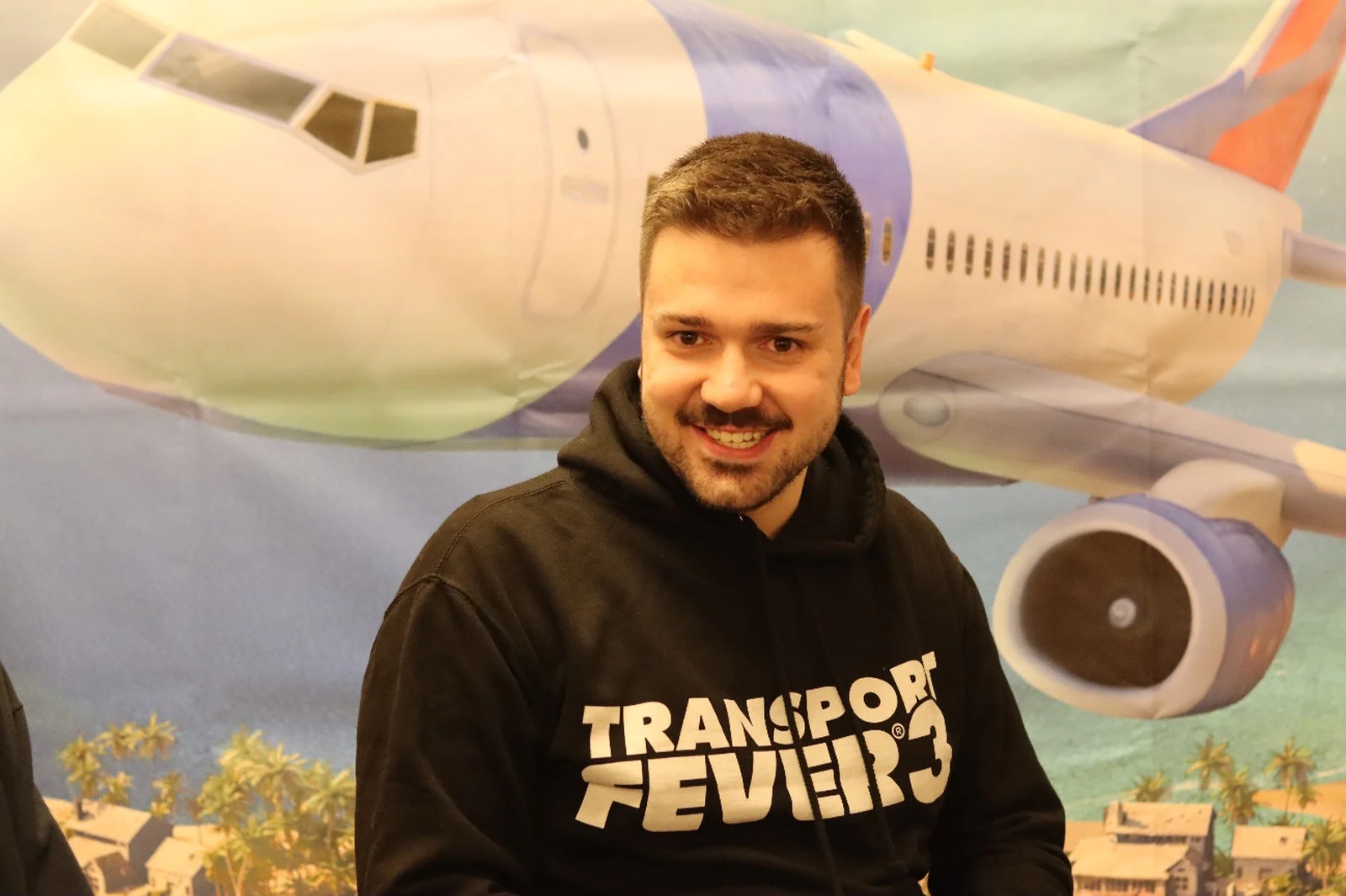
Nico Heini (Urban Games, hereafter “Heini”):
Sure. Urban Games is a game development studio based in Switzerland, and I’m responsible for a wide range of publishing-related work, including marketing and PR. The company was founded more than 15 years ago by two brothers. Back in the 1990s, they played Transport Tycoon and thought, “One day, we’d like to make something more modern and better.” That idea gradually took shape, eventually leading to the creation of our first title, Train Fever.
Interestingly, although the new Transport Fever 3 is numbered “3,” it is actually the fourth title in the series, with Train Fever being the first.
Junmei Ono and Takayuki Seido (A-Train Development Team):
Artdink is celebrating its 40th anniversary this year. We used to be based in Makuhari, but our office is now located in Tsukishima, near Tsukiji in Tokyo. We’ve developed a wide variety of games over the years, but our very first title was the first game in the A-Train series. The A-Train series itself is also celebrating its 40th anniversary this year.
Nico:
Congratulations! The brothers who founded our company also played A-Train when they were children, so I think it was probably an inspiration for them as well.
A-Train Development Team:
Did you play the PC version when you were a child?
Nico:
I believe it was the PC version.
A-Train Development Team:
It’s amazing that you were practically raised on A-Train! (laughs) There have been so many games in the A-Train series over the years that I’ve lost count. I think one reason we’ve been able to keep the series going for so long is that we’ve continued to release titles for the hardware of each era, including Switch, Switch 2, and PlayStation.
—A-Train is a simulation game that deals with railways and economics. How do railways, transportation, and the economy interact in Transport Fever 3?
Nico:
First of all, you can transport not only goods, but also passengers. The player’s job is to introduce transportation into the world, and how you go about doing that is entirely up to you.
With Transport Fever 3, we wanted to move away, at least somewhat, from having money as the sole central focus for the first time in the series. In Transport Fever 2, once you had accumulated enough money, the game was more or less over. Of course, you could still spend hundreds of hours afterward building cities and transportation networks.
This time, we’re taking the game in a more tycoon-oriented direction. Each city has different stages of growth, as well as eight needs that can be fulfilled. These can be disabled if you don’t need them, but if you meet all of them in good condition, the city will grow to its full potential. In other words, there are many factors at play beyond simply making money, and whatever you do will inevitably have an impact somewhere else. The game is about managing that balance and successfully developing your region.
—A-Train also goes beyond railways themselves: by laying tracks, the surrounding towns develop and grow. What led you to combine railways with the development of towns and local communities?
A-Train Development Team:
We’ve heard the story from our company president, Tatsuo Nagahama, about how the first A-Train was created. At the time, they had decided that they wanted to make a game that simulated trains, but apparently little else had been decided yet.
Once it became possible to run trains, the game world naturally gained concepts of space and time. They wanted to incorporate something that would represent the passage of time, so they created a system where, as trains operated and points of activity gradually accumulated across the map, houses would begin to appear.
However, even after writing the program and running it, houses would hardly ever appear. Then, after leaving it running for a while, a house suddenly popped up in an unexpected location. Apparently, that gave Nagahama a real thrill.
The idea wasn’t originally to create an economic simulation. Rather, he found it fascinating that unexpected changes could occur in unexpected places. That became the foundation for the system in which the areas around stations develop and grow—a feature that has been carried through to the series today.
—Meanwhile, the Transport Fever series also began with Train Fever before gradually expanding beyond railways. How did the series evolve from there?
Nico:
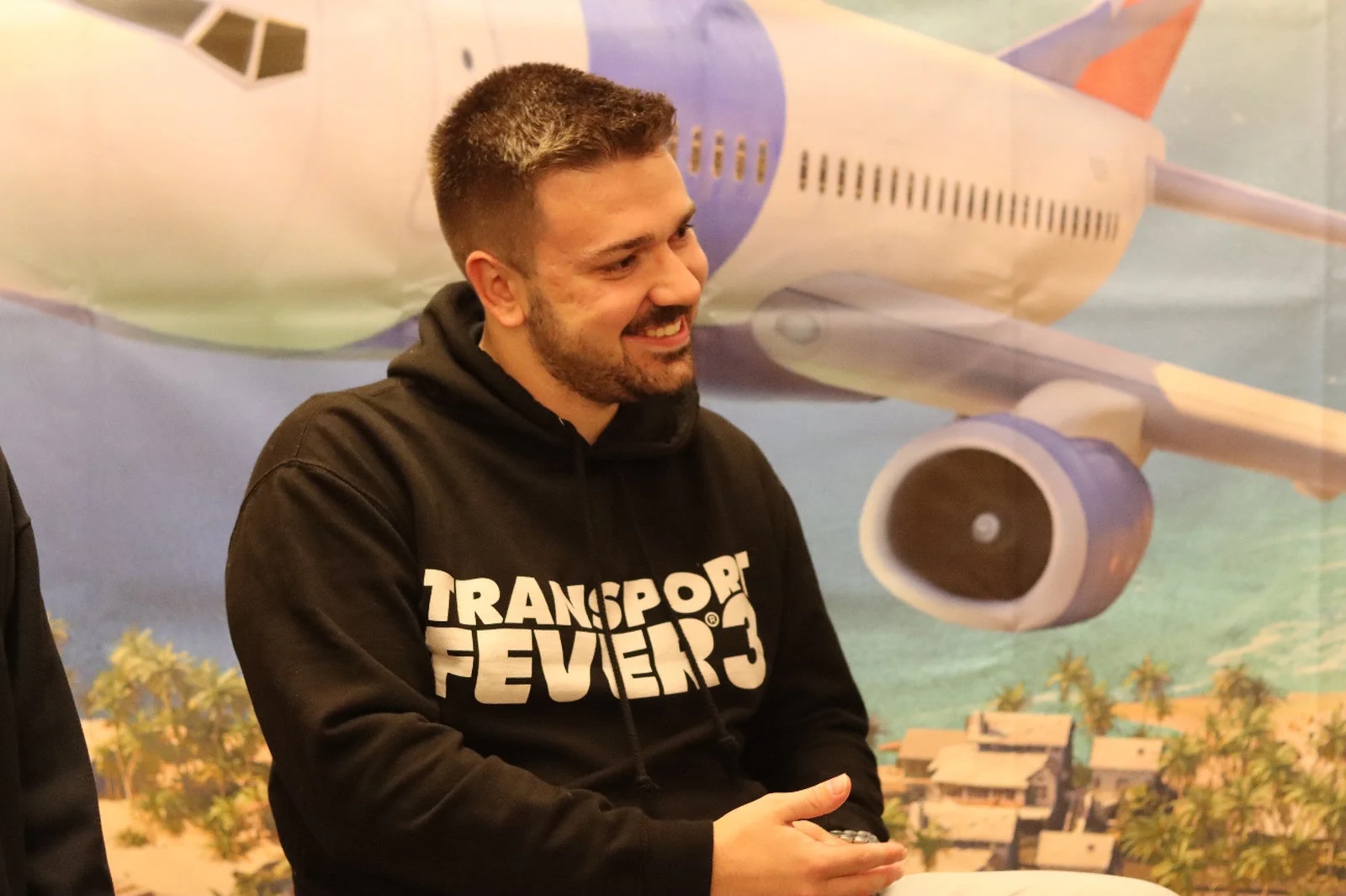
That’s partly true, but there’s a little more to the story. In fact, the series has a more interesting origin. We had already had the concept for the game as a whole for some time, but one of the brothers who founded the company was researching “organic urban growth simulation” for his university thesis.
While developing a simulation in which buildings would grow according to various needs, he realized, “With this, we could make the kind of game like Transport Tycoon that we’d always wanted to create.” So we started with Train Fever, thinking that if it was successful, we could eventually expand it into a much broader game. We began with railways and a small selection of trucks, then gradually added more elements until it evolved into what it is today.
—So the original concept was less about railways specifically and more about growing the economy through logistics. What are your impressions of A-Train, which could be described as a series devoted almost entirely to railways?
Nico:
My impression is that it’s incredibly detailed and simulates things with a high degree of accuracy. I also think it’s remarkable that the series has continued for so long. People’s needs, and the needs of players, must have changed over the years, yet the team has consistently found ways to respond to those changing needs. The series has been around since before I was even born, so I can certainly understand why it was such a major source of inspiration for the company’s founders.
—Conversely, what did everyone at Artdink think of Transport Fever 3?
A-Train Development Team:
Above all, the graphics are beautiful. We were also impressed by how easy it is to set up routes and introduce vehicles, as well as how intuitive the controls are. There’s also a tremendous amount of content to manage. The wide variety of vehicles across land, sea, and air, combined with the sheer number of industries, allows you to build enormous supply chains, which we found particularly appealing. The depth of the game is impressive as well, with vehicles evolving alongside the development of your cities, from the era of horse-drawn carriages all the way to the Shinkansen era.
From railways to Transport Fever 3
—It’s true that Transport Fever 3 stands out for the wide variety of elements it offers. How expansive is the world depicted in the game? Is it primarily based on Switzerland, or does it draw from regions around the world, such as Europe and the United States?
Nico:
Back in the days of Train Fever, the game was very much based on Switzerland. Switzerland has a well-known railway history, after all. However, as the series grew, so did its player base, and the number of vehicles and landmarks featured in the games increased as well. Today, we have a fairly global lineup, including vehicles from a wide range of continents.
—Could you tell us a little about the railway system in Switzerland?
Nico:
The history of railways played a major role in shaping Switzerland’s industrialization, as well as the prosperity and social structure the country has today. While trains also serve as a form of transportation for tourists, the foundation of the system is public transportation used in everyday life. What’s particularly impressive is how well all these services work together. Railways are at the center, but they are integrated with buses, boats, cable cars, and other forms of transportation.
—I get the impression that Switzerland has an extensive railway network even in rural areas. Is that actually the case?
Nico:
Yes. There are several different types of train services as well. In Japan, for example, you have the Shinkansen and regional railways, while in Switzerland there are also trains that connect different regions, which fall somewhere in between. Above those, you have high-speed rail. The different modes are designed to work together—for example, you might take a train to a major hub and then transfer to a bus to reach your final destination.
—What are some of the key characteristics of Switzerland’s public transportation network?
Nico:
As a Swiss national, I may be biased, but people often describe it as being “like clockwork.” In major cities, for example, trains are scheduled to arrive shortly before the hour, with connecting trains departing shortly afterward. Trains arrive around five minutes before the hour, allowing passengers to catch their connections right away. The entire transportation network is synchronized with one another.
—How did this kind of coordinated scheduling system come about?
Nico:
I suppose it came about from recognizing the need for some kind of consistent system. Switzerland is a very small country, so it’s important not only to connect different parts of the country effectively, but also to maintain connections with neighboring countries. They take that very seriously.
It may sound like a joke, but for trains coming from Germany into Switzerland, there can even be a standby train on the Swiss side of the border in case the incoming train is delayed. If the train is running late, the Swiss train takes over. That’s how seriously they take their schedules.
—In Tokyo, trains can arrive as frequently as every three minutes. In a city like Bern, how frequently do trains and other forms of public transportation typically run?
Nico:
It varies quite a bit from city to city. Swiss cities are smaller than Tokyo, and many of them don’t have subway systems like Tokyo does. Instead, they rely on trams and buses. Within cities such as Zurich and Bern, trams and buses are the main forms of public transportation. Depending on whether it’s rush hour, there’s generally some kind of connection every four, seven, or nine minutes or so. When traveling outside the city, you can take a tram to the station and transfer to a train.
—Japan isn’t connected to any neighboring countries by rail, so things are a little simpler in that respect. How frequently do trains travel between Switzerland and the surrounding countries?
Nico:
It depends on the country. This is based more on my personal impression than exact statistics, but there are several trains per hour to and from Germany. Especially near the border, people travel back and forth on a daily basis. There are also several trains per hour to and from Italy and France. There are long-distance and high-speed trains departing from Zurich, as well as commuter trains from Basel, which is close to the French border.
—What about Japan? While you can’t travel to other countries by train, are connections with airports similarly synchronized? There are buses and trains that connect to airports, for example.
A-Train Development Team:
Yes, that’s right. There are dedicated trains that run directly to airports, as well as trains that operate as commuter services for part of their route before continuing on to the airport. In larger cities, there are also large buses that allow passengers to load their luggage and travel directly to the airport.
—What do you think are some of the unique characteristics of Japanese railway culture?
A-Train Development Team:
One distinctive aspect of Japan is that railway companies have, in some cases, played a role in creating entire communities. Take Ichizo Kobayashi, the founder of Hankyu Railway, for example. He would build railway lines and stations in places where there was little or nothing, then develop cultural and entertainment facilities around them, such as those in Takarazuka, to attract people to the area.
There’s also a management philosophy attributed to Kobayashi that goes, “Passengers are created by trains.” The idea is that railway companies create demand for their own services by developing residential areas, entertainment facilities, department stores, and other attractions along their railway lines.
Nico:
So, in other words, you’re playing Transport Fever in the real world! One of the major differences between the railway systems in Japan and Switzerland is that much of Switzerland’s public transportation is publicly operated. There are some exceptions, but large organizations oversee the system as a whole, and their role is not simply to generate profits, but to provide a basic transportation network.
A-Train Development Team:
Earlier, Nico mentioned that railways in Switzerland extend even into remote areas, but Japan was actually much the same in the past. Until around 40 years ago, Japan’s railways were operated by the national railway system, Japanese National Railways (JNR). However, JNR was running up enormous deficits, which eventually led to its breakup and privatization.
Following privatization, unprofitable railway lines were forced to close, with some being replaced by bus services and others being transferred to third-sector railway companies.
Nico:
Germany went through a somewhat similar situation about 30 years ago, when Deutsche Bahn became a joint-stock company. Personally, I think that railway reform was a major failure.
Switzerland, on the other hand, has a system—I don’t remember the exact figures—that is designed to ensure that all residents can reach a railway station within a certain amount of time. Since the system isn’t focused solely on pursuing profits, it does come at a cost, but Swiss Federal Railways has that broader public mission. That said, its budget has been cut in recent years.
—So the way railways operate can vary greatly from one country to another. When recreating Japan’s railway system in A-Train, were there any particularly challenging or difficult aspects from a development perspective?
A-Train Development Team:
The most challenging part is that the train schedules have to be absolutely accurate. If the trains deviate even slightly from the schedules set by players, they get very upset, so we have to pay close attention to that. There are also a lot of updates, and whenever we release one, we have to make sure that existing save data carries over without throwing the schedules out of sync. Having to check everything every time is quite challenging.
Nico:
I can relate to that to some extent. We don’t go quite as far when it comes to simulating railway schedules in such detail, so development is a little easier for us. However, there are mods that allow players to configure train schedules with a very high level of precision. For those who want to take things that far, they can install mods to do so.
—Transport Fever and A-Train have some common ground, but have you ever considered introducing logistics elements into A-Train as well?
A-Train Development Team:
While it wasn’t directly tied to the development of cities, A-Train 3D for Nintendo 3DS introduced gameplay centered around transporting various goods, such as lumber and seafood. That element has continued as a separate branch from the main numbered entries, eventually evolving into A-Train: All Aboard! Tourism on Nintendo Switch.
In this branch of the series, you could see what kinds of materials neighboring towns were looking for, and transporting things like lumber and seafood could earn you a significant profit. There were also ships, so you could transport materials to other areas, sell them, and then return.
So, rather than developing cities through logistics, the gameplay was more about selling goods for a profit.
That said, logistics aren’t completely unrelated to city growth even in the numbered A-Train titles. To construct buildings, you need to transport a white, rectangular building material, commonly nicknamed “tofu,” by train or truck. While economic simulation isn’t the main focus, there are elements like this that the two games have in common.
The secrets to going global
—Transport Fever 3 has received a large number of Wishlists. What do you think is the reason behind the series’ popularity?
Nico:
I think there are several reasons. Speaking generally, we didn’t run many advertising campaigns for Transport Fever 2, such as Google Ads. We believe the best form of marketing is simply making a good game, so we’ve consistently reinvested the profits we earned into the next title.
Another factor is how closely connected we are with the community. Mods are also a major part of that, and they’re one of the reasons Transport Fever 2 is still being played six years after its release.
And with Transport Fever 3, we also focused on making the game more accessible and easier to get into. The idea is “easy to learn, hard to master.” Broadly speaking, our players include hardcore simulation fans, people who enjoy both management and simply watching trains, and those who want to recreate their ideal worlds or real-life locations, much like a model railway. I think the fact that the game can accommodate these different ways of playing is one of the reasons for its popularity.
—I think making the game accessible to new players and providing a clear path into the experience are also important for reaching a wider audience in Western markets. How do you approach this aspect?
Nico:
I think one of the keys to our success has been that we’ve designed our games with an international audience in mind from the very beginning. A-Train was also known in Europe back when games like Transport Tycoon were popular. It’s a little unfortunate that it isn’t as well known there anymore.
There are quite a lot of people in Europe who enjoy this kind of game, so I think it could be a major market. For example, having a German-language version and including German vehicles could potentially help as well.
A-Train Development Team:
That really hits home… (Laughs.) You’re absolutely right that we need to raise awareness of the series overseas. If we were to add German trains and other international vehicles for overseas audiences, do you think railway enthusiasts would be excited to see them included?
Nico:
I think they would. That said, there are people who will inspect every single bolt on a locomotive! (Laughs.) Germany has a very large community of hardcore railway enthusiasts, and there are similar communities in the UK and the US.
In Europe, many players are happy to use trains from different regions, whereas in the US, frankly speaking, players tend to be less interested unless the game features American trains. That’s why we also make a point of including plenty of vehicles from the US and Asia.
—Creating an American version of A-Train would be pretty difficult, though, wouldn’t it?
A-Train Development Team:
We’d need to understand American culture, after all. We’ve never actually redesigned the game specifically for the US market before; we’ve always simply localized the Japanese version.
—Transport Fever covers various regions around the world. How did you research each region, and did you encounter any particular challenges along the way?
Nico:
We have years of experience to draw on, but we also place a great deal of importance on incorporating feedback from the community at every stage of development. Our team includes people from all over the world, including some who were originally game modders. They’re hardcore railway enthusiasts, and now that they’re full-time members of our team, they bring an even deeper level of railway knowledge than our previous research efforts could provide.
For Transport Fever 3, we also conducted multiple rounds of closed beta testing. We selected participants with not only their hardware in mind, but also their geographic distribution, so that we could gather feedback from players around the world.
I’m not sure if I’m really in a position to give advice, but if we were to localize the game into another language after English, we might target railway enthusiasts in Germany or Russia.
—That’s interesting. If, for example, readers outside the English-speaking world wanted A-Train to be released in their own language, would replying to the official account be the best way to let you know?
A-Train Development Team:
For now, I think adding the game to your wishlist is the clearest way to show your interest. Taking some kind of action like that makes it more likely that we’ll be able to consider localization as well.
—Speaking of reaching new audiences, when A-Train was released on Nintendo DS, it also featured a comprehensive tutorial designed specifically for beginners.
A-Train Development Team:
Simulation games like A-Train can be difficult for first-time players, so for the Nintendo DS version, we put a lot of effort into creating a comprehensive tutorial that would allow even beginners to start playing relatively quickly. I think that helped us attract more players.
—Could Transport Fever 3 eventually be released on a future Nintendo platform?
Nico:
It might happen someday. We’re not working on it at the moment, but I wouldn’t say it’s completely off the table. This time, we’re releasing the PlayStation and Xbox versions simultaneously for the first time. It took us three years to bring Transport Fever 2 to consoles, so perhaps we could use those three years for another port this time.
But really, nothing has been decided yet. (Laughs.)
—Finally, could you share a message for our readers in Japan?
Nico:
The biggest focus with Transport Fever 3 was making the game more accessible and easier to get into than ever before. Rather than reinventing the wheel from scratch, we’ve taken the things that already worked well, improved them further, and added new elements to make the overall experience even more enjoyable.
From a business perspective, we also want to reach a more mainstream audience. Features such as the campaign mode and day-night cycle are designed to appeal not only to traditional simulation fans, but also to a broader range of players. We’re also putting a lot of effort into localization, which we know is important to gamers in Japan as well.
—A-Train also has a new title, A-Train 9 PRIME LINE, scheduled to launch on Steam on December 10. Could you tell us a little about it?
A-Train Development Team:
A-Train 9 PRIME LINE is based on the version previously released for Nintendo Switch 2, while incorporating those features and taking them even further.
Until now, players have had to lay tracks according to predefined track models, but in this new version, they’ll have much more freedom, including the ability to create gentler curves. The appearance of the tracks can also be customized. We already made improvements to the visual presentation in the Switch 2 version, but this time, we’ve taken the overall depiction of the transportation landscape even further. The game will also support English from launch.
—Thank you very much for your time.
Transport Fever 3 is now available on PC (Steam, Epic Games Store, GOG.com), PlayStation 5, and Xbox Series X|S.
A-Train 9 PRIME LINE is scheduled to launch on PC via Steam on December 10.