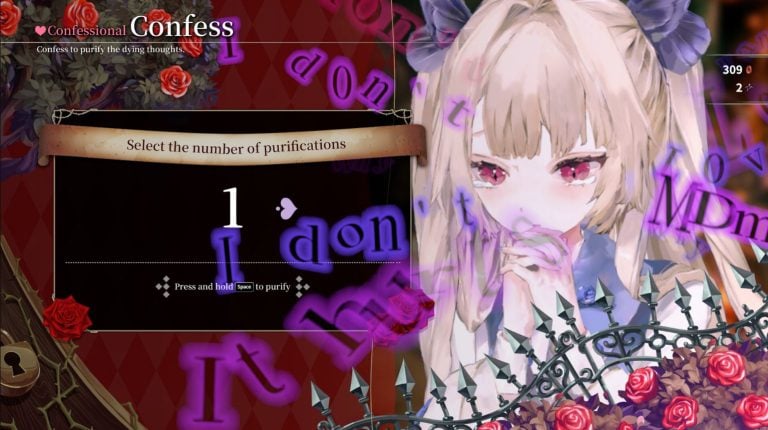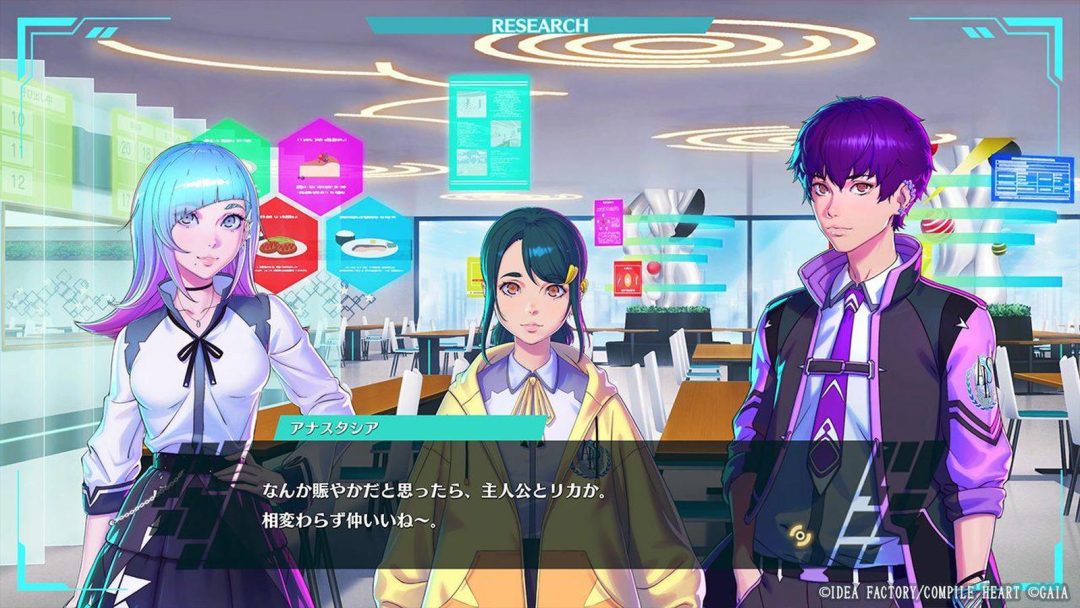
Published by Compile Heart, Villion:Code is just around the corner, set to launch in Japan on June 25 for Nintendo Switch 2, Nintendo Switch, PS5, and PS4 (digital-only).
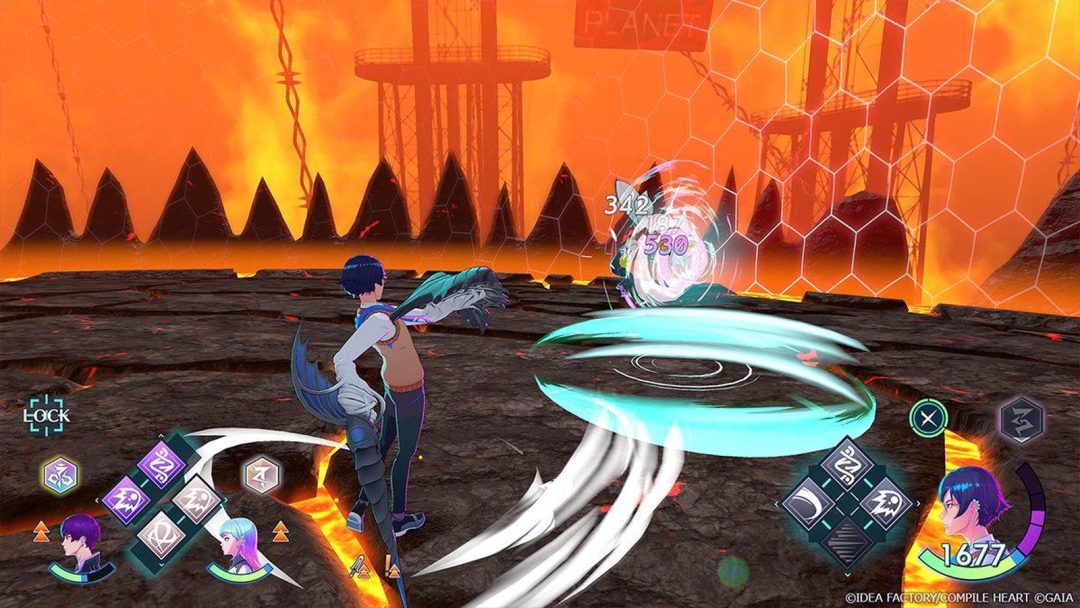
Villion:Code is a school-themed JRPG set in an academy city dedicated to training individuals to save the Earth from impending extinction. The story begins when the city is suddenly sealed off from the outside world. Trapped in isolation, the students must confront strange anomalies engulfing the city and fight off people who have transformed into monstrous creatures. Amidst these dire circumstances, each character is forced to face the “karma” they carry. Gameplay revolves around action-based combat, randomly generated tube-shaped dungeons, and “Genome Editing” among other features.
Villion:Code is designed and produced by Kouji Okada, known as the co-creator of the Megami Tensei and Persona series. The scenario is penned by Tadashi Satomi, another Atlus veteran and longtime collaborator of Okada, while the soundtrack is composed by Tsukasa Masuko, also of Shin Megami Tensei fame. The character design is handled by illustrator Ilya Kuvshinov, known for his involvement in Ghost in the Shell: SAC_2045.
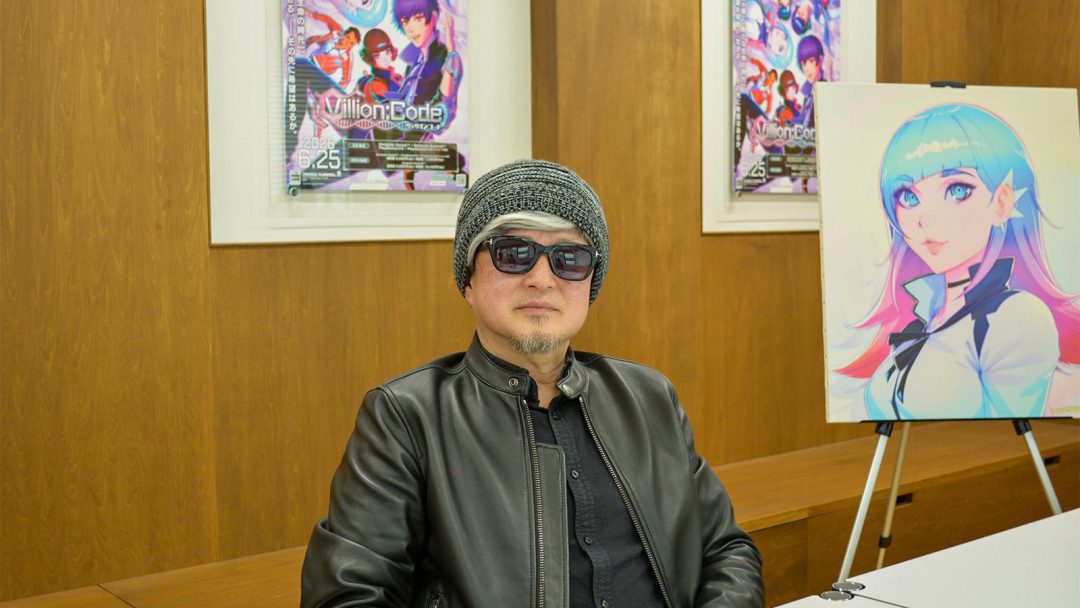
This project will mark Okada’s return to console game development after over a decade. AUTOMATON recently sat down with the developer to find out what made him come back, as well as the ideas that shaped his new game.
A game you’re meant to “sit down and play for a long time”
Although Okada had spent years working in mobile and handheld development at his own company Gaia, he says the COVID-19 pandemic was a major factor that influenced his decision to return to console games. During that period, he became more aware of how games function as a way for people to stay connected even while physically isolated from each other. “I think there was a renewed awareness of the connections made through games, and the meaning and necessity of entertainment in general,” he comments.
At the same time, he felt that mobile games tended to be developed and consumed as a “quick form of entertainment to pass the time” rather than something to be deeply engaged with. Since Okada personally preferred the latter, he decided that his next project would, regardless of the platform, be a game “you can really sink your teeth into.” His goal was to create a “deep and immersive experience” that players would sit down and play for a long time at their homes, preferably with a bag of chips at the ready.
Everything started from “Genome Editing”
One of Villion:Code’s key mechanics, Genome Editing, originated from Okada’s personal interest and came before any of the game’s specifications were even in place. “It might sound a bit self-deprecating, but right now, I’m in the latter half of my life,” he says, “Or rather, I’ve reached an age where I’m starting to think about the end of life. Perhaps it’s partly due to the impact of the pandemic, but I’ve become even more conscious of the themes I’ve always been interested in, such as viruses, iPS cells, and the mysteries of humanity, like how are humans made and how do they exist?”
When Okada was first approached by Compile Hearts, he was actually offered a proposal for a different project, but he pitched a “counter-proposal” for a game centered around the theme of genome editing, to which the company responded positively. From there, Villion:Code’s school setting was chosen to make the game relatable to young players both in Japan and globally, while the near future sci-fi aspects emerged later in development, as a way to support gameplay systems and worldbuilding tied to technological advancement.
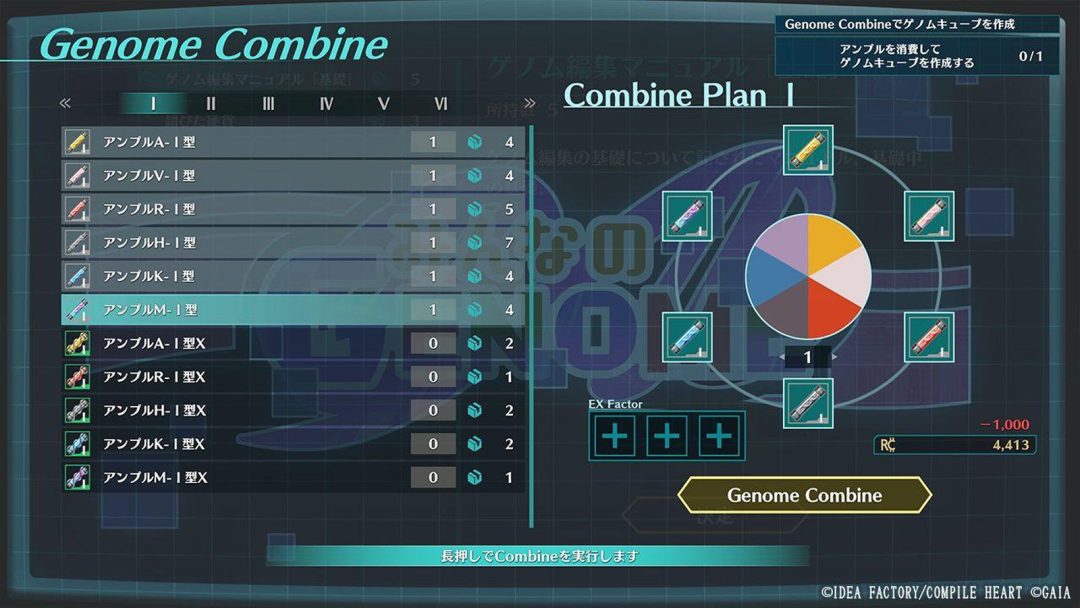
When asked about his favorite part of Villion:Code, Okada says, “I’m not sure if I can call it a favorite element, but starting off from the theme of Genome Editing, a subject I’m personally interested in, I began to wonder, ‘What kind of creatures are humans, really?’ From there, I expanded my thoughts to encompass not only humans but all living things; and tracing it further, I considered the Earth, the Moon orbiting it, the Sun, the Solar System and Milky Way. I condensed all of those reflections into a single, concentrated thought, and pondered the origins of life. I feel that I’ve managed to successfully incorporate this genome editing theme, with all its depth, into the game as well as sublimate it within my mind.”
Addressing never-ending conflict and uncertainty about the future
Okada also describes his new game as a work tackling contemporary social issues around the world. “I believe there are many people in Japan today who feel a sense of negativity and uncertainty about the future, and whilst some countries around the world are enjoying economic prosperity, conflict, including war, continues unabated. That is why I hope that by playing Villion:Code, everyone will be able to live their lives with a positive outlook. It may sound lofty, but that’s the message I wish to convey.”
Interestingly, he mentions that earlier versions of the setting were “even more radical” in addressing these issues (due to his strong personal feelings on the matter), but the content was subsequently toned down in a way that wouldn’t affect its balance or quality.
The player is the protagonist, no romance
In terms of Villion:Code’s structure, Okada continues to base his design philosophy on the idea that “the player is the protagonist,” like in his previous work. That approach, which comes with the need to organize events and changes based on dialogue choices, was the main reason he brought scenario writer Tadashi Satomi on board (after concluding that Satomi was the only person who could possibly execute his vision).
The game’s curious “tubular dungeon” system (you can see what it looks like in the video above, around the 1:44 mark) originated from developer Compile Heart’s side, building on Okada’s initial idea to include randomized dungeons with branching paths. Although there were concerns about players being disorientated or feeling motion sickness early on, he said the system ultimately struck a good balance, remaining random enough while maintaining readability. When it comes to battles, the system is designed to allow the player some room to choose their own playstyle, including the option to avoid some encounters.
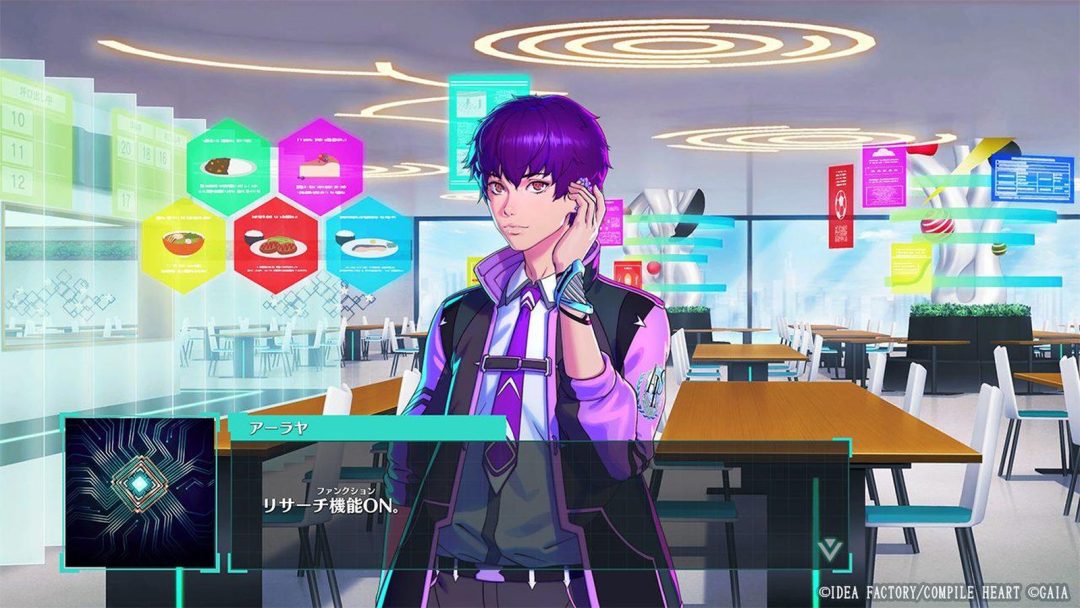
Despite the presence of affinity mechanics, Okada confirmed there are no romance routes. While friendships are handled within the story, the relationships you build with characters will be reflected system-wise, affecting cooperation in gameplay.
This was part one of a two-part interview. In part two, we talk to artist Ilya Kuvshinov about his involvement in the project and relationship with Okada, so be sure to check it out.
Villion:Code is scheduled for release on June 25, 2026 for Nintendo Switch 2, Nintendo Switch, PS5 and PS4 (digital only).
[Interviewer: Sayoko Narita]