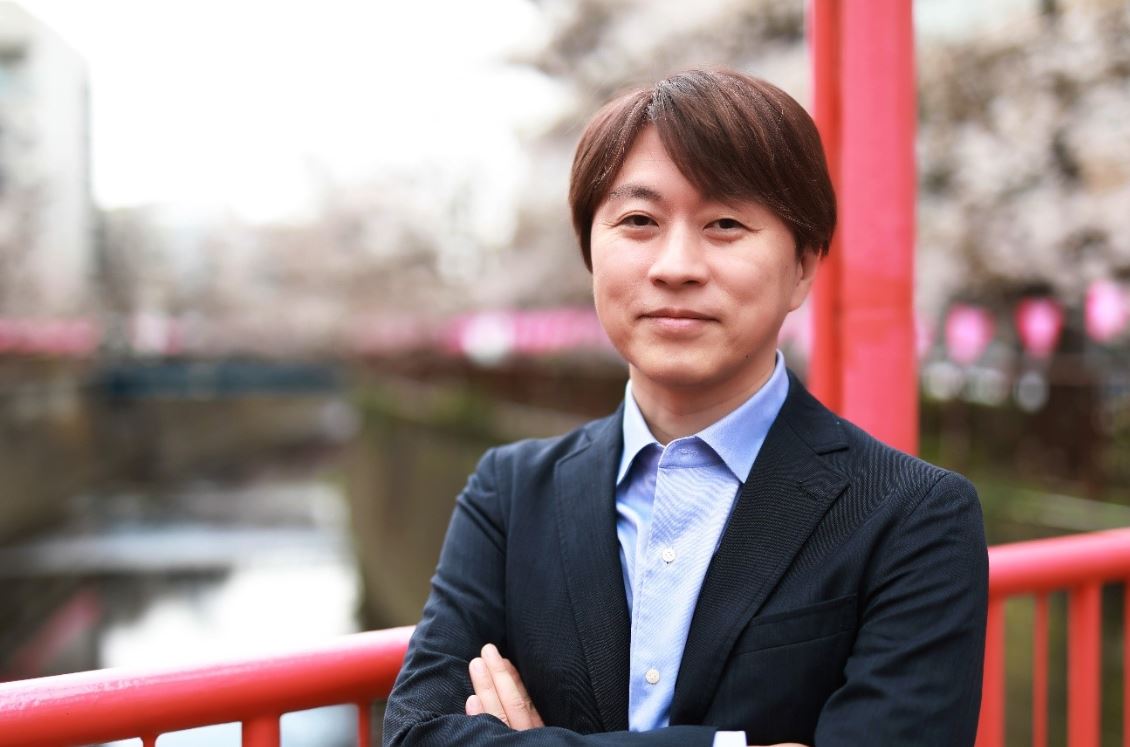
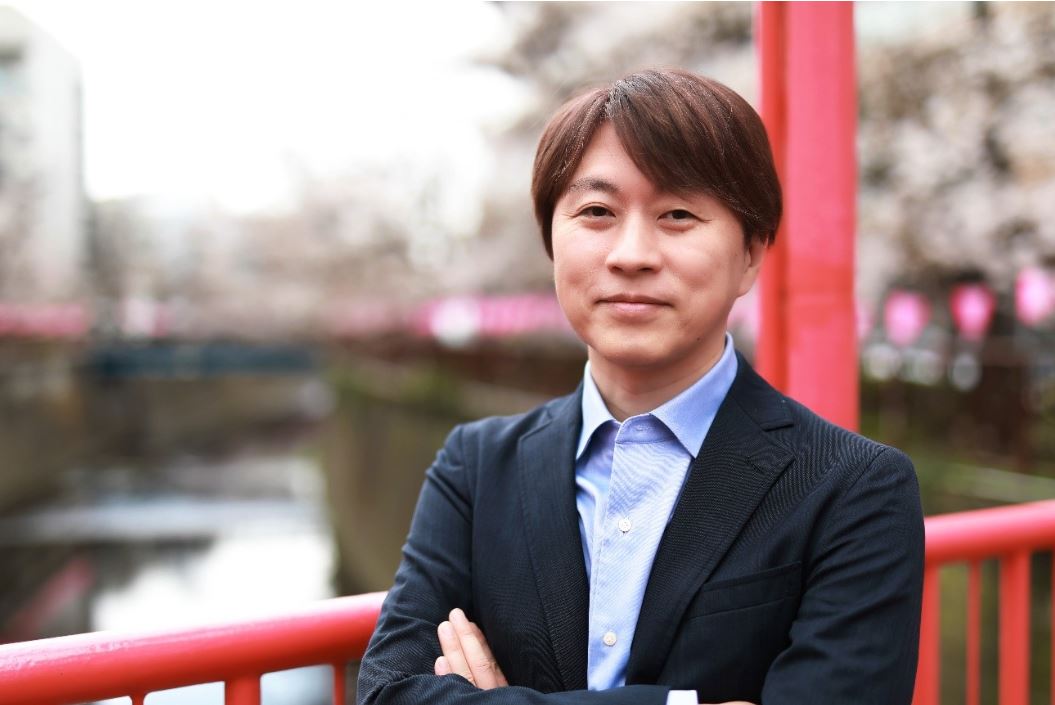
Game creator Daisuke Taka founded his own company Impachi in January 2026. Highly regarded for his unique approach to game development and attention to storytelling, Taka previously worked as the early producer for GREE’s Another Eden: The Cat Beyond Time and Space, and is best known for his successful run at Square Enix, where he served as the producer of Harvestellla.
Upon hearing of Impachi’s establishment, AUTOMATON conducted an interview with Taka, who serves as the company’s representative director. He talked to us at length about his career, what he did in the two years since leaving his previous job, what kind of company Impachi is, and whether he’s making games. This is Part 1 of a two-part interview. Be sure to check out Part 2 too, which focuses more closely on Impachi’s in-progress game.
The two-year gap was a period of “input”
―Please introduce yourself.
Daisuke Taka (Taka hereafter Taka):
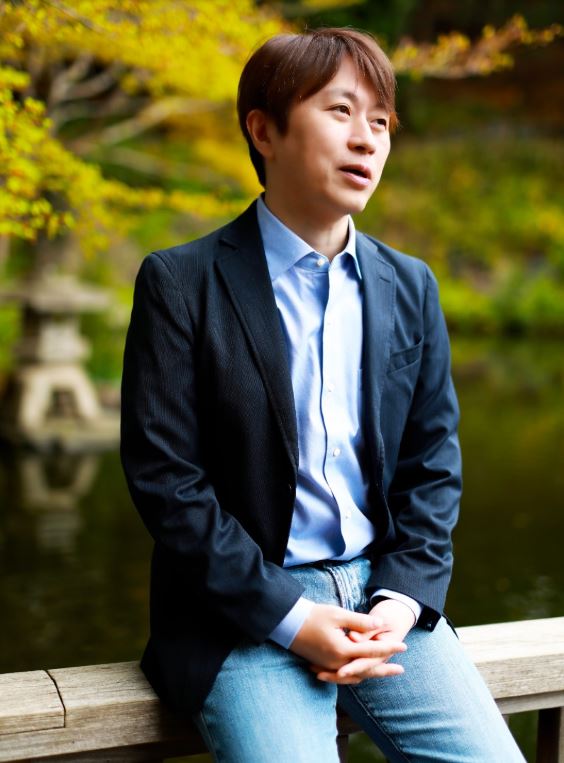
I’m Daisuke Taka. As for my age… I tend to look younger than I am, so maybe it’s better I keep quiet.

― (laughs) That’s true, you do look quite young.
Taka:
Yeah, so I think I’ll keep my age a secret (laughs). As for my career, I started out working as a web engineer for about 12 years, and around that time, mobile games, which combined web technology with gaming, began to emerge. When mixi’s games launched, I saw it as a fantastic environment where my web skills and my love for games came together, so I switched careers to the game industry.
After that, I briefly joined gumi, then moved to Sega where I worked as a producer on Puyopuyo!! Quest. Later, at GREE’s Wright Flyer Studios, I worked as the producer and director on Another Eden: The Cat Beyond Time and Space, and after that, I moved to Square Enix, where I was the producer of Harvestella.
Ultimately, I spent six years at Square Enix. Although Harvestella was the only game I released, it was the longest period of my career as a game creator.
—You’ve worked on quite a few projects.
Taka:
The thing is, around the time Harvestella was released, the entire Japanese game industry suddenly fell into a slump.
The COVID-19 pandemic had brought extremely high demand, but then it ended and things suddenly became very difficult for us. I think there are several factors that contributed to this. Soaring development costs, increasingly long dev cycles, and an oversupply of games. All of these factors combined have made an environment where creating new games itself is quite risky.
Also, major game companies possess large IPs that they need to keep selling, and the atmosphere in the industry made it difficult to create new IPs in the mid-range market, which is my specialty. As a result, I ended up leaving the company amicably through a “constructive dissolution.” It was the friendliest departure of my life.
―What did you do after that?
Taka:
I played games. During my time as a salaried worker, I didn’t have much time to keep up with the latest trends in gaming, so I played a lot of indie games.
―So, you entered a kind of “period of input” after you left your job.
Taka:
Well, when you’re focused on work, it’s hard to find the time to play games… and once I start playing, I really can’t stop. I’d end up playing for 18 hours at a time, so I tried to restrain myself, but after leaving my job, I decided to just do whatever I liked. That’s why I played indie games nonstop.
―Catching up with trends is important for you too I assume.
Taka:
I make games for a living, but I love playing them too of course, so it’s both a form of input for new trends and a way to relieve stress.
―By the way, what kind of games have you played? Are there any titles that left a particularly strong impression on you?
Taka:
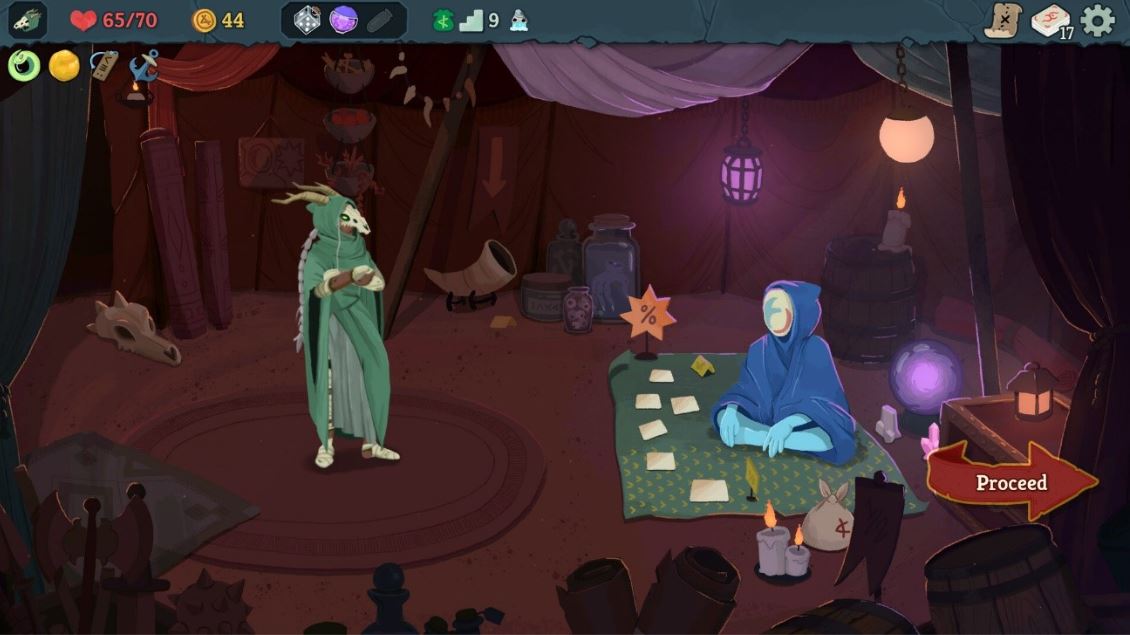
If I had to pick an indie game that I’ve played for over 1,000 hours, it would be Against the Storm. I was really impressed by that game; it’s truly amazing. Not only the game mechanics, but the way the carefully crafted world is woven throughout the entire game, or rather, the way it’s structured, is truly wonderful.
I think it’s a game that could stand on its own based on its mechanics alone, but the characters, worldbuilding, atmosphere, and graphic style are all so well-done, I was genuinely surprised that there are indie studios capable of making something so polished.
―I had the impression that you were a creator who prioritized storytelling, so I was surprised to hear that you pay close attention to mechanics too.
Taka:
Another example is Slay the Spire. The mechanics there are fantastic, of course, but I think the balance is truly divine, too. While the game’s success is certainly due to its interesting mechanics, it’s mainly about the balance for me.
It has replayability, and even though it’s random, there’s still a way for each card to survive. Even with a terrible draw or pick, a skilled player might still be able to make something of it. There’s at least a 0.1% chance of success, and it’s truly wonderful how they left that possibility.
―How many hours do you have in Slay the Spire?
Taka:
I’ve played for about 1,000 hours. Of course, I’ve also played Slay the Spire 2, and I’ve managed to reach Ascension 10 with all the characters.
Another game that really impressed me was Inscryption. I actually struggled with how to rate it after finishing it, but Act 1 was just too fun. I think that may be why my impression of the game was all over the place.
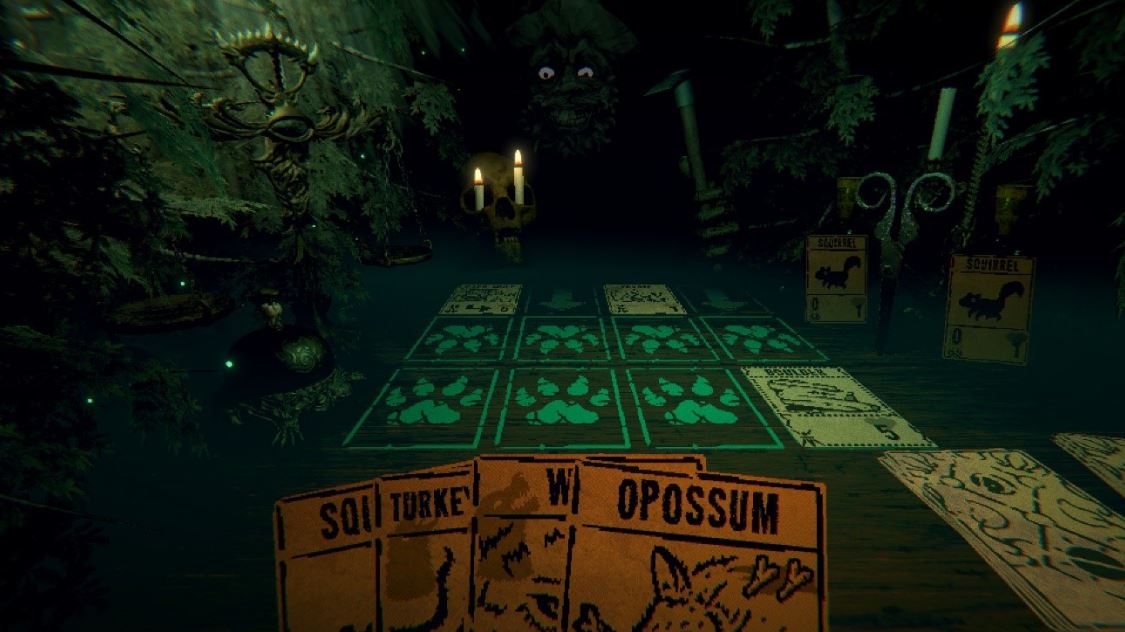
―True, it’s a fun game, but it’s very difficult to describe what exactly makes it entertaining.
Taka:
It’s extremely well-made, but there are also parts that aren’t so solid. However, that kind of imbalance is part of the charm of indie games too, in my opinion.
Two years of intensive AI research. But we don’t use it for art
―Besides playing games, what else were you up to during your 2-year break?
Taka:
I spent two years intensively researching AI. Come to think of it, when I left Square Enix, I generated and sent my farewell email using ChatGPT.
―Wow, I bet the people who read your resignation email were surprised.
Taka:
I actually included a note saying, “This text was generated using ChatGPT,” so it was fine. There was a huge uproar about it within the company.
―That’s intense.
Taka:
It made waves even in other departments, and people were asking to see it. I heard people still talk about it to this day, so it seems to have become quite a hot topic.
AI is commonplace now, but back then, it wasn’t common for regular people to use it. Using ChatGPT to generate text, or anything like that, wasn’t really normal within the company at the time, so that’s probably why it became such a big thing.
―You’re a lot more unhinged than I thought.
Taka:
Well, since I was the one leaving, there was no way I could get in trouble for it (laughs). After that, I did some thorough research in various directions on how to link AI to game development and how it could be put to use. I thought that maybe by using AI, I could start developing new games in a much more compact way.
―AI technology has its uses, but I think it’s also a delicate topic. Announcing that you’re using generative AI could have negative consequences. What are your thoughts on that?
Taka:
Yes, we’re not simply using everything as is. Initially, I thought we could entrust all elements to generative AI. But ultimately, I felt that the images and sounds generated by AI weren’t quite reaching the quality I was looking for.
―I see, so you’re not pleased with the output when it comes to art?
Taka:
At least with its current performance, AI is not at the level I’m looking for. Last year, there was considerable progress in image generation. In April 2025, ChatGPT’s image generation capabilities improved significantly, and in October, Gemini’s Nano Banana evolved to generate much more consistent graphics. But since then, there hasn’t been as much progress as I’d hoped. I felt it would be difficult to use AI images as in-game assets. So, in the company I recently launched, we’ve decided not to use generative AI for images and music at this time.
―Your works tend to be permeated with a unique atmosphere, which I imagine is hard to convey without powerful visuals.
Taka:
That’s true. However, I believe that even without powerful visuals, it’s possible to create interesting games with a small development team. But to reach the “new kind of indie that transcends indie” that I’m aiming for, I think the current quality isn’t quite enough. Regarding AI, I’m using Claude Code for general coding, organizing game design documents, developing and researching marketing plans, and also for general administrative tasks, 24/7. It’s an excellent partner that never complains (laughs).
―So, with all that in mind, you’ve established a new company and are focusing on game development there.
Taka:
Yes. I established a company called Impachi in January of this year.
―Between leaving your previous job and establishing Impachi, you weren’t making a living through freelance projects?
Taka:
Yeah, basically, I lived a modest life on my own savings.
―It’s impressive that you were able to live off your savings for two years.
Taka:
Maybe I just don’t think ahead, but I feel like I have to do the things I’m interested in right now. Also, I think taking on big projects isn’t really my thing.
―You’re quite free-spirited, I assume there are also some things you can’t really say when you’re employed by a company…
Taka:
Yes, I can say everything I want and take responsibility for it myself now, so I think it’s a really good environment for me.
Impachi is going for “all or nothing”
―Moving on, please tell me about your company. Is Impachi a studio where you develop games with other staff members besides yourself?
Taka:
That’s right. There are three members, including myself. First, we have Furumoto, our CTO (Chief Technology Officer) and board director. He’s the lead engineer, and he was in charge of the early stages of development for Another Eden: The Cat Beyond Time and Space. After that, he worked in development and as an executive officer at various companies.
The other member is Uemura, a game designer. He was in charge of balancing in Another Eden: The Cat Beyond Time and Space and Harvestella. We also have some external staff assisting with the art side of things.
We’re planning to self-publish, and we have no external investment. We haven’t brought in any venture capital, and we don’t have a parent company.
―So there’s no large Chinese company backing you or anything like that.
Taka:
Yes, that’s absolutely not the case. We started this as a purely domestic company. In fact, it would definitely be possible for us to raise capital and create something on a much larger scale, but we consider it enough to just make a living.
Also, speaking personally, I don’t really want to make large-scale games. I don’t want the amount of content to increase simply by increasing the number of personnel; I want to compete on core game mechanics. We’re a small team that’s working steadily, and at first, we might not get any attention, but we want to grow together.
―So you’re ready to challenge the scene slowly and steadily. That’s interesting.
Taka:
We’re looking forward to gamers’ support. By the way, the company name “Impachi” comes from the saying “all or nothing” (Japanese: ichi ka bachi ka, literally: “one or eight”).
―That’s a great company name!
Taka:
(laughs) Well, it’s about being ready to take on new challenges, but also my birthday is January 8, so it has a double meaning. Also, I like mahjong, and when you win a dealer’s haneman (18,000 points), it’s called “impachi.”
When you score an impachi, you usually win that game. If you like mahjong, you naturally want to win a yakuman, but you don’t get those very often. So, even though scoring an impachi is a challenge too, it’s something you can do with a bit more consistency. We want to consistently be pushing out hits worth 18,000 points, so that’s how we came up with the company name.
―Is 18,000 points enough for you?
Taka:
18,000 points is fine. A dealer’s baiman (24,000 points) is a bit… well, let’s just say it doesn’t appear very often.
―(laughs)
Taka:
Even if you try to score a dealer’s baiman, you can just end up wasting your time and getting beaten by 1,000 or 2,000 points by another player. But if it’s just a dealer’s haneman, your opponents probably won’t fight you for it, and you can build a solid hand, so it’s a realistic challenge. That said, it’s also a gamble, so there’s a delicate balance.
―Do you have any desire to hit the jackpot with a successful product?
Taka:
Ultimately, it’s not about profit. My primary goal is to deliver a good game.
―By the way, was there a reason you decided to go public about the company’s establishment at this time?
Taka:
A reason? I wonder…
―Oh, there wasn’t any special reason behind it?
Taka:
I just thought it would be a good idea to announce it, but I felt it would be a waste to just say, “Right, I’ve established a company.” That’s why I thought it would be a good opportunity to get an interview and reached out to you.
―Thank you very much.
You can visit Impachi’s official homepage, which went live today, here.