

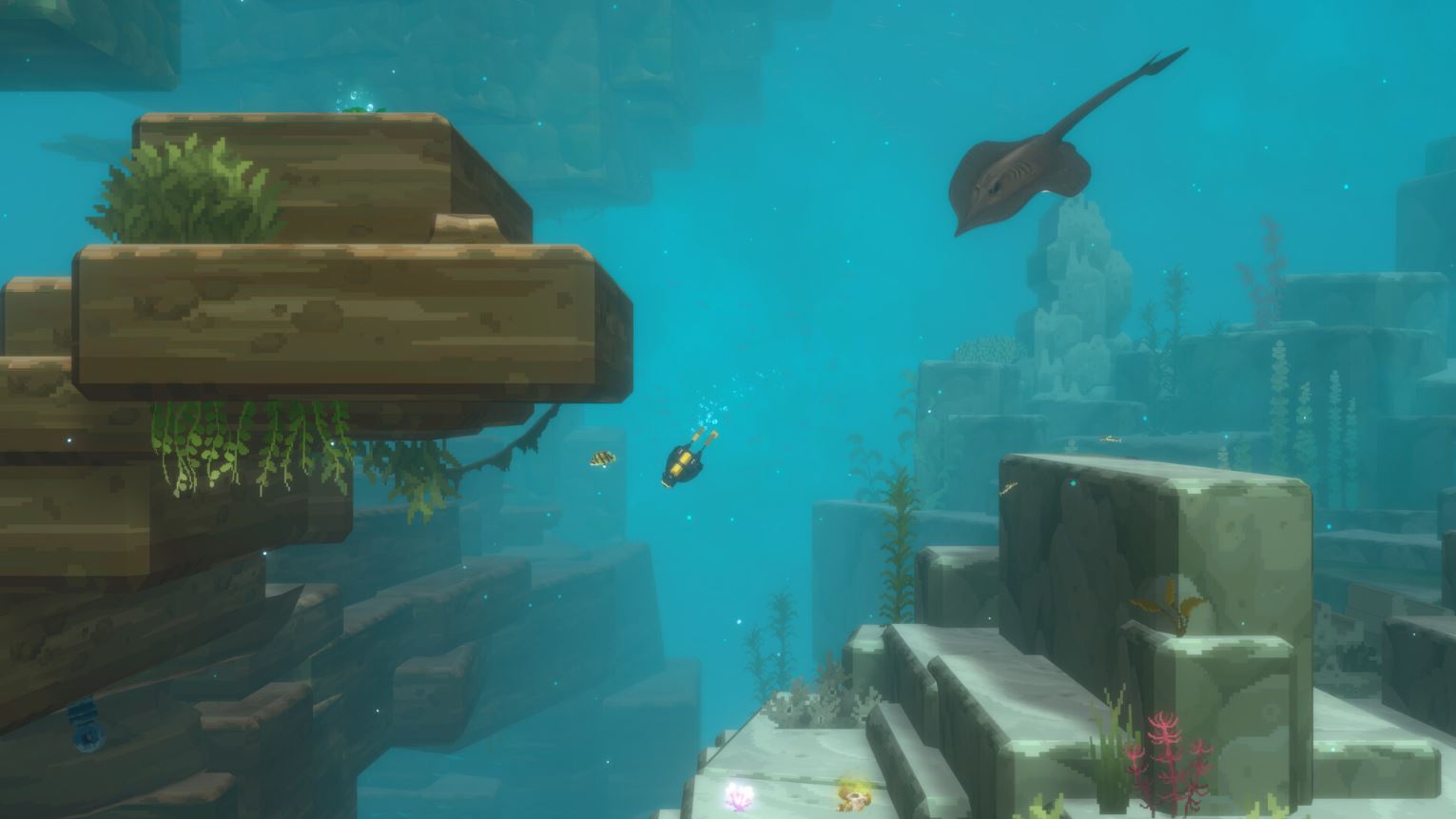
MINTROCKET released Dave the Diver’s In the Jungle DLC on June 18 for PC (Steam/Epic Games Store), PS4/PS5, Nintendo Switch, Nintendo Switch 2, and Xbox Series X|S. This comes as another major expansion to the popular ocean exploration and sushi restaurant management game, which has sold over 8 million copies worldwide to date.
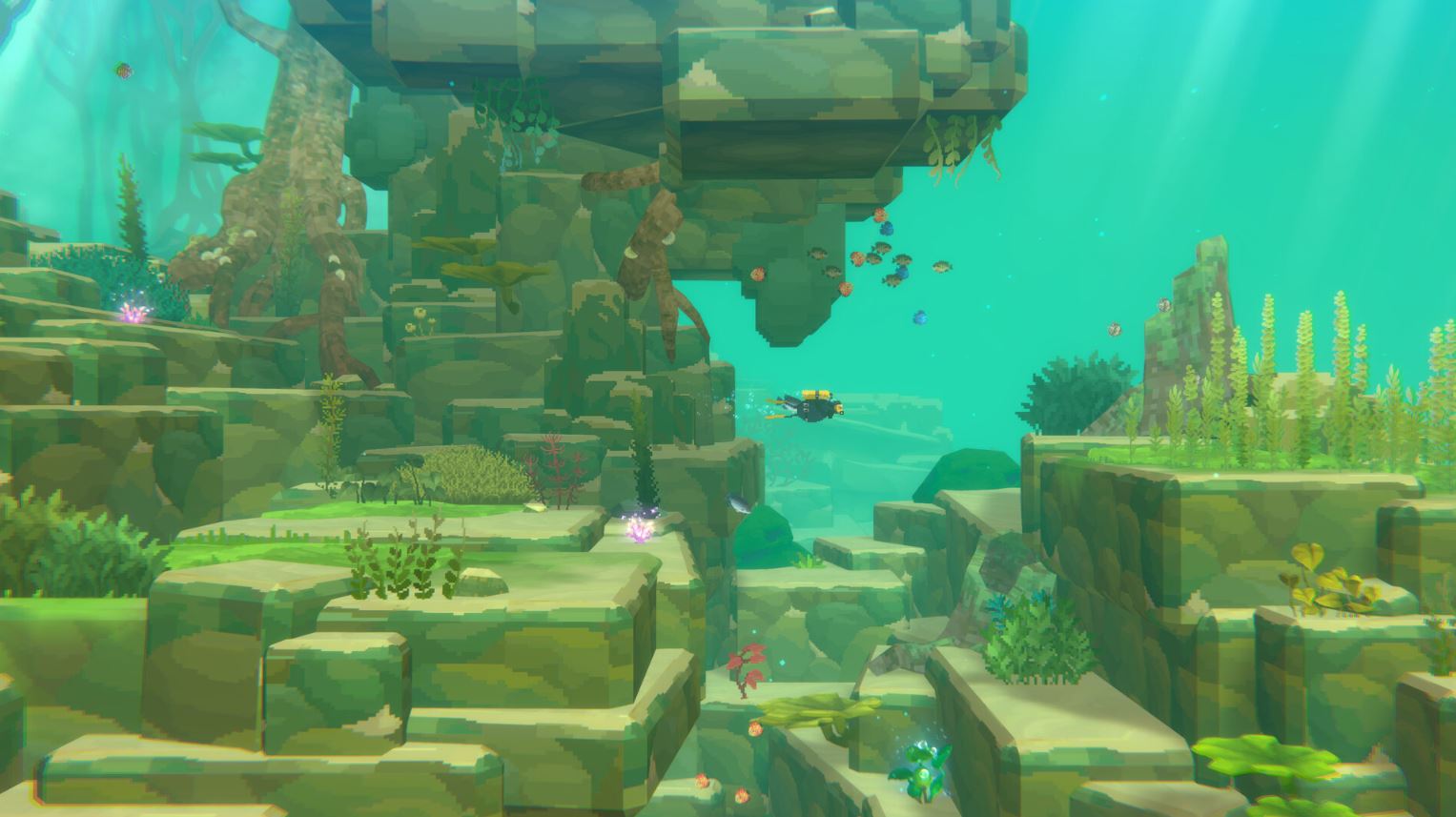
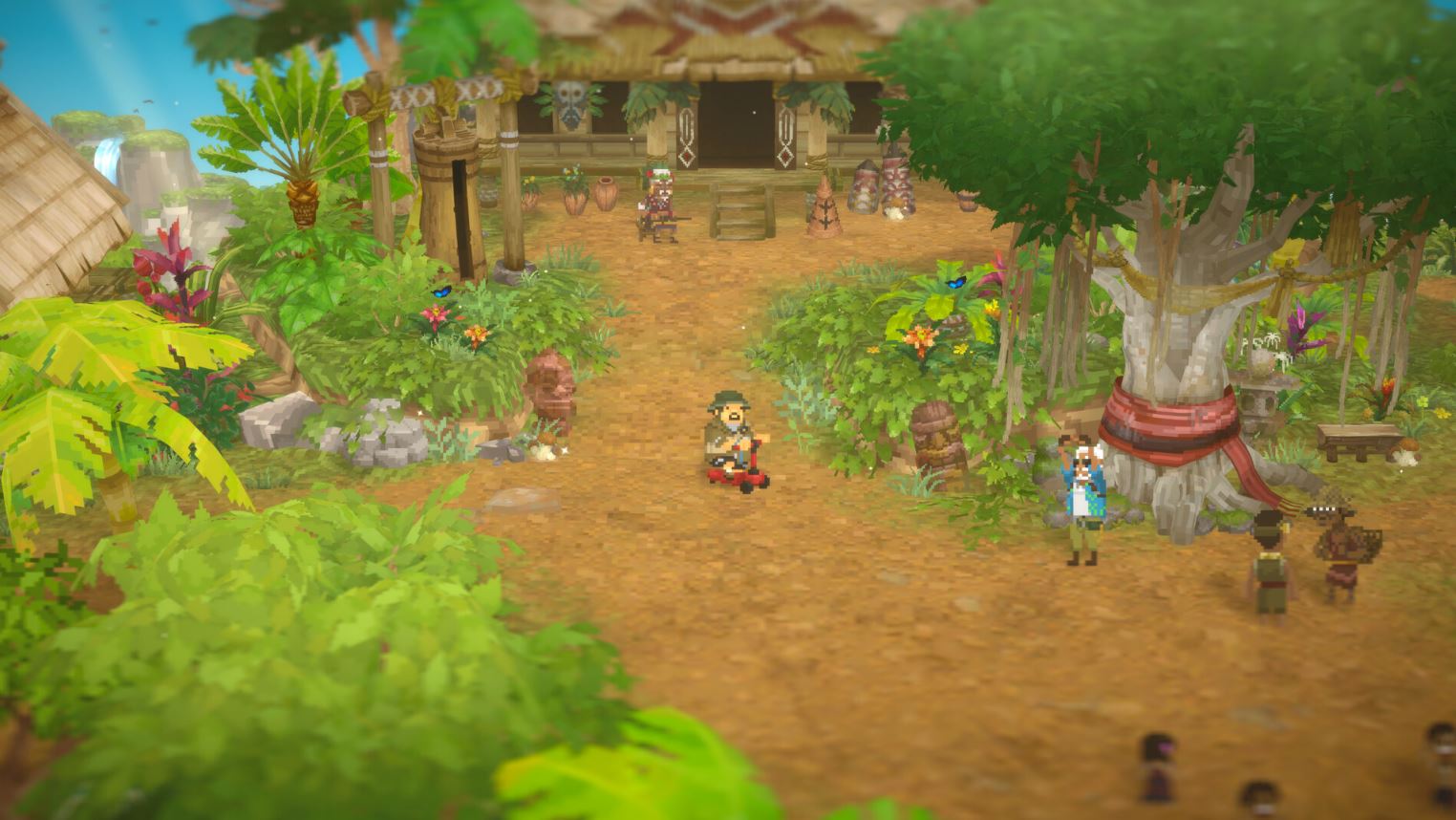
In the DLC, Dave and company venture into the jungle to investigate a mysterious lake, kicking off a new adventure set in a brand-new ecosystem. Players will establish a base in the village of Utara and explore uncharted waters. This time, Dave dives into a freshwater lake filled with aquatic life not seen in the original game. Priced at $9.99, the expansion offers around 10 hours of new content.
AUTOMATON recently interviewed Jaeho Hwang, president of MINTROCKET and director of the Dave the Diver project. In this installment, we focus on behind-the-scenes stories from after the launch of the base game up to the present day, as well as Hwang’s thoughts on “what defines an indie game.”
Defining “indie” is difficult, but we definitely aren’t indie
—Jaeho, it’s been a while. Since our last interview, Dave the Diver has become a bestseller. Has your life changed at all? Perhaps you treat yourself to sushi more often now?
Hwang:
Honestly, nothing has changed. MINTROCKET became its own company and I became president, but my everyday life is the same. I still commute by scooter and still eat McDonald’s. …But well, I guess I do eat sushi a bit more often now. I’ve been to some nice places in Korea, but I still haven’t visited any fancy sushi restaurants in Japan. A long time ago, I found this incredible restaurant in Kyoto that didn’t even have a sign out front, and I remember thinking, “If I ever succeed, I want to come back here.” I still haven’t gone, though. Maybe once I’m a little more successful.
—I take it you’ve gotten busier?
Hwang:
Yes, we currently have three projects in progress at once, and running the company itself also takes time.
When we were making Dave the Diver, we didn’t know anything, so development took quite a while. The game ended up successful, but now we’re dealing with a new kind of pressure. I don’t want to disappoint our players, so I make sure to dedicate time to the project, and I’m still personally writing the scenarios as well.
—There’s something I’ve wanted to ask you. When Dave the Diver became a hit, it was nominated as an indie game at a number of award shows. But at the time, MINTROCKET was still a sub-brand within Nexon Korea, so whether it could truly be called an indie developer was questionable.
That ended up sparking heated debates over whether Dave the Diver deserved to be considered for the awards. Looking back now, how did you view the situation as someone directly involved?
Hwang:
I was surprised by just how heated the debate grew because I’d genuinely never expected it. We never thought of ourselves as an indie studio at all to begin with. I thought the term “indie” was used to describe businesses that were founded from scratch and operated independently.
Our goal within Nexon Korea was to position ourselves as a studio that creates small-scale but well-made games, so internally, we never had any sense of being an indie team. But after Dave the Diver came out, especially in the West, where Nexon wasn’t particularly well known, people saw it as just “Dave the Diver,” a standalone game, rather than “a new Nexon title.” It used pixel art and was relatively small in scope, so many assumed it was an indie game. Then, once they found out that a major company like Nexon was involved, I think some people felt disappointed.
That led to the whole debate over whether the game was truly indie, with people growing divided. It would have felt strange for us to actively step in and explain ourselves, so it was kind of a difficult position to be in. Fortunately, Korean media outlets and AUTOMATON published articles explaining that we had never considered ourselves indie developers, which helped us to some extent. We received a lot of criticism and backlash, but I’m also proud that the game generated so much discussion.
—So even now, you still don’t consider MINTROCKET an indie studio?
Hwang:
No, of course not. We were under the umbrella of a major corporation and received support from them while making the game, so even now, I don’t consider us indie at all.
…That said, trying to make relatively small-scale games that don’t generate huge profits inside a company with annual revenue exceeding $3 billion is difficult in its own way. Projects can get canceled, and getting upper management on board isn’t easy either. As you know, smaller projects tend to be of lower priority. Those kinds of difficulties were part of why I eventually went from leading an internal team to becoming president of a subsidiary company.
Compared to actual indie developers, though, we’ve always had a much better development environment and didn’t face issues with funding. In that sense, I think the hurdles were much lower for us, and I have tremendous respect for indie developers.
There’s still a lot of debate over which studios “count as indie” and which don’t, and I wish someone would come up with a proper definition. Right now, I feel like most companies get lumped into either “AAA” or “indie,” but I don’t think we really fit either category.
Personally, I think of us as something like “single-A” rather than AAA, or maybe even “triple-I” (iii, for “triple indie”). I think these categories should be defined by factors like scale and creative direction.
—Single-A or triple-I is an interesting way of putting it. Are there any studios you feel are comparable to your own in this sense?
Hwang:
I’ve never actually met them, but I imagine Massive Monster, the studio behind Cult of the Lamb, is around a similar size. Their games have a really distinctive identity and an edgy appeal too. I think it would be great if there were a new term describing games like that, rather than being based on business size or source of funding.
Even established titles like Hades and Hollow Knight have solid financial backing now through their previous successes and new projects, and people still debate whether they’re “indie.” That’s why I think we need a definition based on a studio’s scale and direction.
—With you becoming president of MINTROCKET, won’t your business responsibilities increasingly take over? Do you think you’ll be able to balance that with your work as a game director?
Hwang:
That’s a good question. (laughs) It’s definitely difficult. In the early days after we launched the company, I often had to coordinate with Nexon headquarters, and it took a lot of time to figure out exactly what we were allowed to do in terms of legal and financial matters. But now, the business team basically handles those things for me and keeps an eye on everything, so I get to spend about 70% of my time as a game director.
On the other hand, the remaining 30% I spend as company president is tough, and honestly quite tedious… Still, it’s important to keep the company moving in the same direction, and I think building the right culture is crucial. There are also advantages to serving as both president and game developer, so I’m doing my best.
Learning from Pragmata and reflecting on Dave the Diver’s pacing issues
—You come across as a voracious gamer and have mentioned liking titles like the Like a Dragon series, but could you tell me about any titles you’ve recently played that caught your eye?
Hwang:
I’ve been so busy this year that I haven’t had much time to play games, which I think is a shame. Games are a trend-driven business, so the fact that I haven’t been able to make enough time to play them feels like a problem in itself. That said, I’ve managed to squeeze in a few here and there. I recently played Pragmata, which I really enjoyed and played through to the end.
—Pragmata is the kind of game you can complete even if you’re busy.
Hwang:
Yes, it was seriously incredible. People often say that modern AAA games aren’t really creative anymore, since they tend to be sequels or “something-likes.” But when I played Pragmata, I was amazed that even at that scale and budget, they could still introduce such novel mechanics and creativity.
Other than that, I also played the horror game REANIMAL, and I enjoyed Dispatch a lot too.
Games are experiences you spend anywhere from five to twenty hours with. I think coming up with a new gameplay mechanic is something almost any developer can do to a certain extent, but keeping someone entertained for more than five hours is incredibly difficult. Some players felt that the latter half of Dave the Diver was a bit disappointing, so the games I just mentioned are all the more impressive to me – they stay engaging all the way through.
Looking at Pragmata, in particular, I think there’s a lot to learn from how it uses new mechanics and a new world to keep the entire experience tense and exciting.
—Back when we first talked after I played Dave the Diver, you mentioned that the pacing and tempo in the latter half of the game was one of its weak points. Do you feel that the updates and additional content have succeeded in addressing this?
Hwang:
Well, even now, one of the common criticisms is that the pacing falls apart once players reach the Sea People Village.
The core gameplay loop is catching fish and running the sushi restaurant. To be honest, if players just kept doing that forever, I think they’d eventually get bored, so I believe changing the direction midway through the game was necessary.
But at the same time, I also think we could have handled it much better. The pacing in the latter half is definitely something I look back on as a regret.
What surprised me was just how much players enjoyed the early stages of Dave the Diver. I was convinced they’d start getting tired of it by the middle of the game, so I thought intentionally shifting the story’s tone. But then people told us that wasn’t quite right either.
After that, we continued adding things from the middle toward the end of the game, such as the Balatro collaboration, and while this did make things more entertaining, there was still criticism. It was simply the result of me being an inexperienced game designer. Next time, I want to create a game that stays satisfying from beginning to end.
—I’ve been playing the game since its Early Access days myself, and I feel Dave the Diver has improved significantly over time. On that note, you’ve released a large number of major free updates since launch. From a business standpoint, is that sustainable?
Hwang:
Thankfully, Dave the Diver has become a long-selling title and remains profitable, so from a business perspective it isn’t a problem. Part of it is also our way of expressing gratitude to our players. Personally, I felt Dave the Diver was still quite an incomplete game, so I wanted people to enjoy seeing Dave’s world continue to expand.
—Have the updates helped boost sales of the base game?
Hwang:
That’s right. Our development team really loves this game, and if players come to see us as a team that cares deeply about its work and continues supporting it with new content over the long term, that would make us very happy, and it’s also beneficial from a business standpoint. Investing resources into those updates isn’t an issue for us at all.
—These days, even full-price games sometimes get labeled as “abandoned” if they stop receiving updates.
Hwang:
That’s true. Maybe we could have made more money if we’d moved on and released an entirely new game instead. (laughs) But that’s okay.
Some members of the team had never experienced this kind of success before, and the game received so much attention in the West. We’ve had people send us letters, and some have even gotten tattoos inspired by the game. Those kinds of things make us want to keep working hard.
Clearing up confusion about MINTROCKET’s work-in-progress games
—Has the team grown in the meantime? Also, have there been personnel changes?
Hwang:
When MINTROCKET became its own company, almost all of the core members stayed with us. If you look at the credits for the new DLC, you’ll notice that nearly everyone who worked on it before is still here. We’ve also announced several other games, so yes, we have expanded quite a bit.
—On the subject of other games, there’s something I’ve wanted to ask. MINTROCKET previously had titles like “Project TB” and “NAKWON: LAST PARADISE” listed on Steam. Since they were under the MINTROCKET name, they were referred to as “the next games from the Dave the Diver devs,” but were you personally involved with those projects?
Hwang:
There’s actually a reason for that. Back then, MINTROCKET was basically a sub-brand within Nexon responsible for developing a variety of different games, with Dave the Diver being just one of them. The idea was to serve as a sub-brand where teams could create games freely with limited resources. I wasn’t even the leader of that organization. In other words, I had no involvement with Project TB or NAKWON: LAST PARADISE, but they’re good games.
The only titles I’m personally involved with now are the ones currently listed on MINTROCKET’s official website. The other projects are being handled by Nexon.
The reason why we’ve kept using the MINTROCKET name is because changing it would create confusion on storefronts and would require extra coordination with first-party platform holders.
So, I’d like to use this opportunity to make it clear: aside from Dave the Diver, I had no involvement in the games that were previously labeled as “developed by MINTROCKET” before it became a company. They’re good games, though!
—I’m glad the mystery’s been solved! Thank you for your time.
Dave the Diver’s In the Jungle DLC is out now for PC (Steam/Epic Games Store), PS4/PS5, Nintendo Switch, Nintendo Switch 2, and Xbox Series X|S.
[Interviewer, writer, editor: Misako Murayama]
[Interviewer, editor: Ayuo Kawase]



Japanese veteran developers from AAA companies should learn a thing from this game. They are really so out of touch with the gamers that they either make an unrealistic and grandiloquent game that ended up failed before even released like Nagoshi’s Gang of Dragon or too overly extremely niche game like Stupid Never Dies that no one cares about. This kind of game should have been an inbetween that Japanese veterans can easily create, yet they won’t
Lovee this game soo muchh